
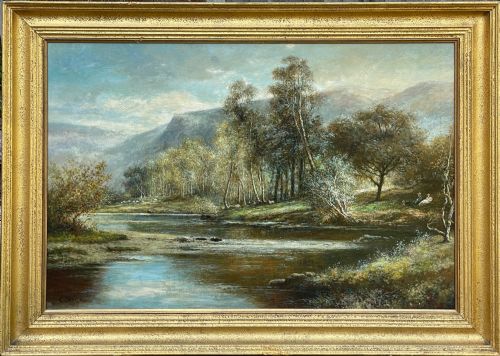
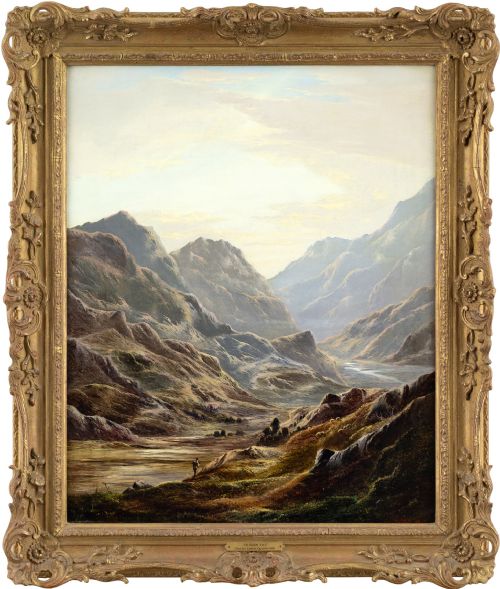
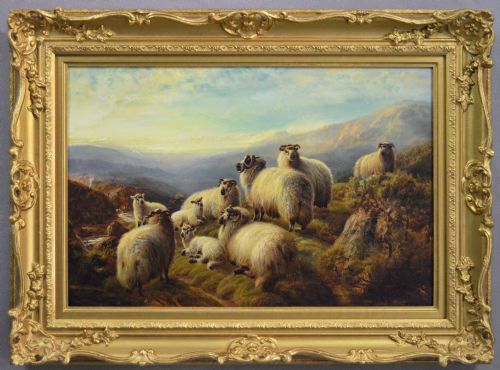
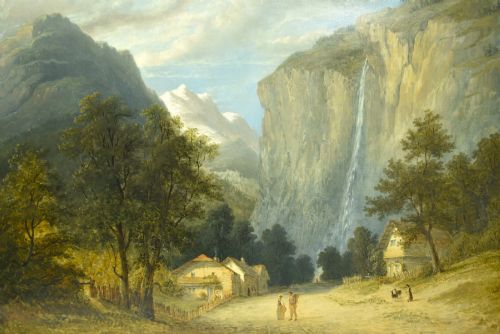


Canvas Mountain Oil Painting
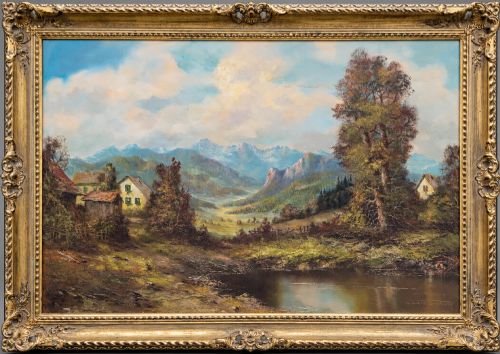
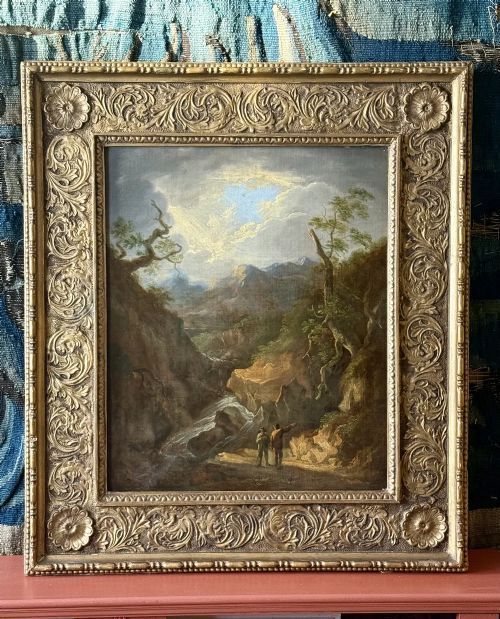
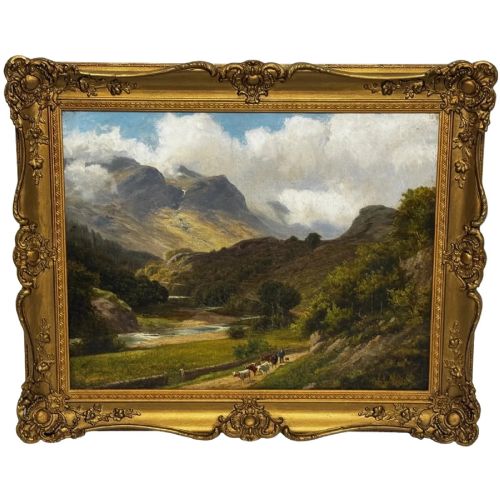
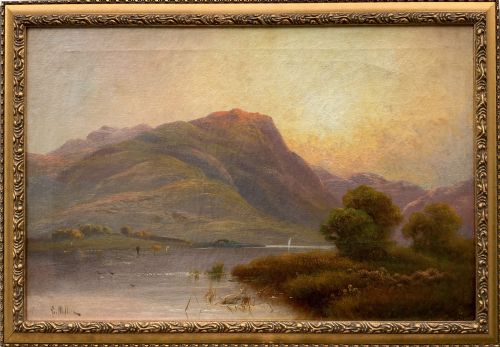
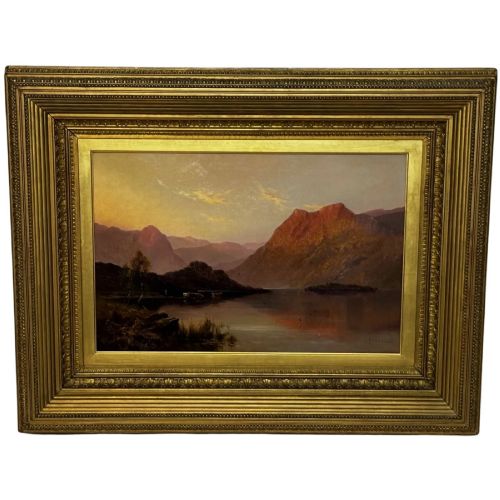
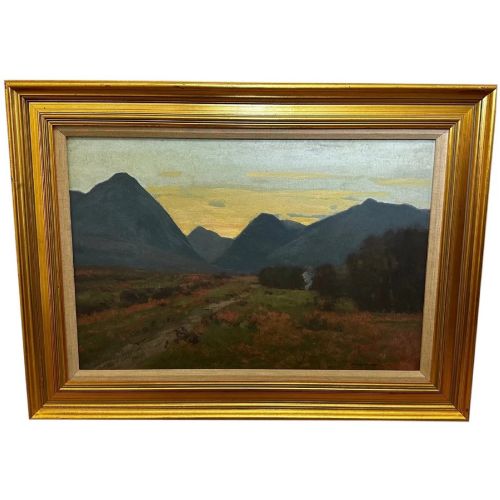
When you search for a canvas mountain oil painting, you encounter nineteenth-century British and continental landscapes celebrating dramatic peaks and remote valleys.
Canvas Mountain Oil Painting
A canvas mountain oil painting captures elevated topography, ranging from Scottish Highlands and Welsh ranges to the Alps and Swiss lakes. These works span the nineteenth century and early twentieth century, reflecting romantic and impressionistic responses to rugged terrain.
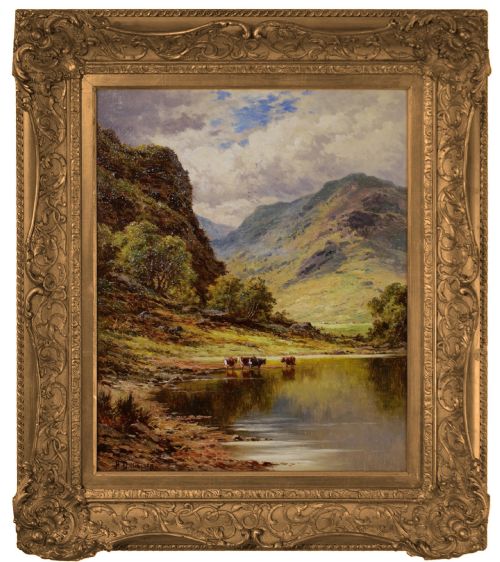
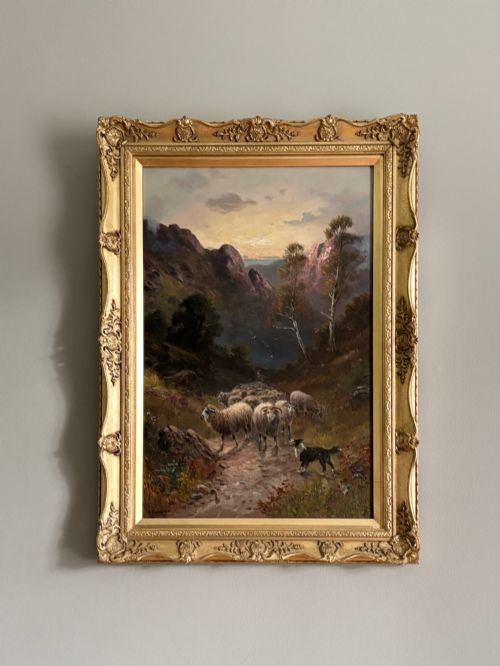
Most examples found here present pastoral valleys, rushing rivers, or tranquil lochs situated beneath looming peaks. Figures of shepherds, cattle, deer, or small boats frequently animate the foreground, establishing a sense of scale against the mountains.
The prevalent formats are traditional rectangular canvases, many retained within their original giltwood and gesso frames. Buyers will encounter both signed works by known regional artists and atmospheric pieces from British, Scottish, and continental schools.
How They Were Made
Artists applied oil paint directly onto woven canvas supports, sometimes utilising board layers for stability in larger compositions. Brushwork varied from tight academic precision to looser, expressive marks characteristic of Scottish impressionism.
Finished canvases were housed in wooden frames finished with layered gesso and gilt, providing structural rigidity and decorative depth. Gilding and applied ornament enhanced the visual prominence of the landscape within domestic interiors.
Listings feature oil on canvas works spanning the nineteenth century through the mid-twentieth century, framed in wood, gilt, and gesso.
What Varies in Quality
Compositional balance distinguishes superior works, where the relationship between the foreground detail and distant mountain summits creates genuine spatial depth. Weaker examples rely on repetitive formulas without capturing the specific light and atmosphere of the terrain.
The handling of pigment in atmospheric elements, such as passing rain showers, mist over lochs, or sunset light on snow-capped peaks, determines the artistic success of the painting. Mastery of tone and colour harmony elevates a regional view into a compelling pictorial record.
William Beattie-Brown RSA·Alfred Fontville de Breanski Jr·George Houston RSA RSW·Benjamin Barker of Bath·Sidney Richard Percy·William Henry Mander
The Canvas Mountain Oil Painting Glossary
- Giltwood
- Wood that has been covered with a thin layer of gold leaf. This finish was standard for framing significant nineteenth-century oil paintings.
- Gesso
- A plaster-like mixture applied to wooden frame bases to create a smooth surface for gilding. It allows for crisp moulded details and decorative reliefs.
- Impressionism
- A style of painting emphasising light and unblended brushstrokes. Scottish practitioners applied these looser techniques to rugged highland scenery.
- Romanticism
- An artistic movement focusing on emotion, awe, and the sublime power of nature. Mountain landscapes served as a primary subject for this aesthetic.
Canvas Mountain Oil Painting: Frequently Asked Questions
What subjects appear in these paintings?
The compositions typically feature British and continental ranges, including Scottish highlands, Welsh valleys, and alpine peaks. Painters frequently added elements like grazing cattle, sheep, rivers, and remote lakes to populate the expansive scenery.
Human figures and rustic structures also emerge in the foreground, providing a sense of scale against towering mountains and moody skies.
Are these paintings supplied in original frames?
Many works remain housed in their period giltwood and gesso frames, which match the nineteenth-century or early twentieth-century origins of the canvas. These frames often exhibit moulded ornamentation suited to the aesthetic of the era.
Buyers should examine listing descriptions to confirm whether a specific frame is original to the artwork.
How do I identify the period of a painting?
Dating relies on stylistic markers, artist records, and the physical construction of the canvas and stretcher. Victorian and nineteenth-century works often favour romantic depictions of weather and dramatic topography.
Signatures, exhibition labels, and biographical dates of the painters further help narrow the era of execution.
Where were these landscape artists active?
The artists worked across distinct regional schools in Britain, Scotland, and continental Europe. Popular locations included Snowdonia in Wales, the Scottish Highlands, the Lake District, and Swiss or Austrian alpine regions.
Painters travelled directly to these remote areas to sketch motifs before completing larger oil paintings in their studios.