







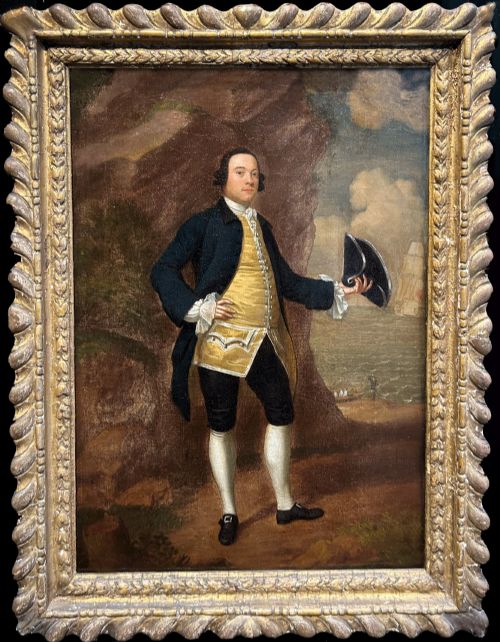
Giltwood Framed Oil Artwork
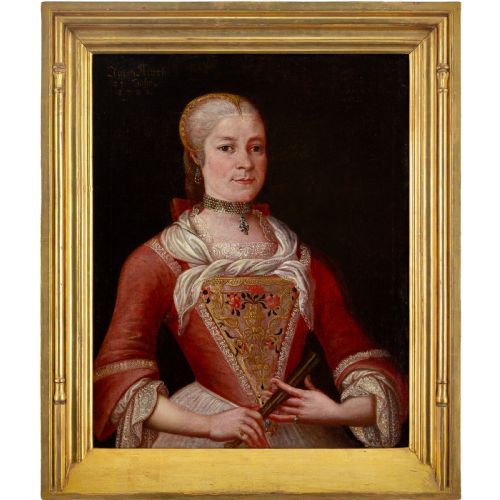
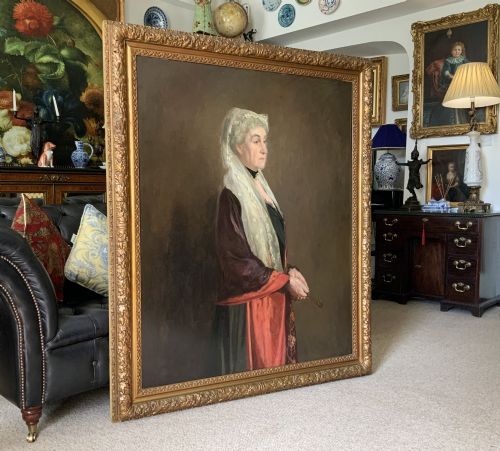
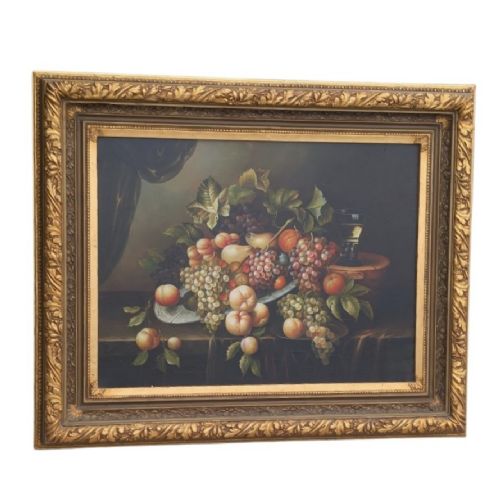
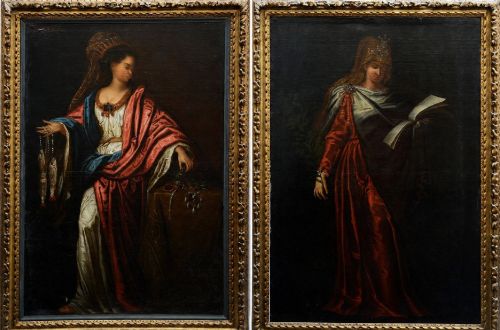
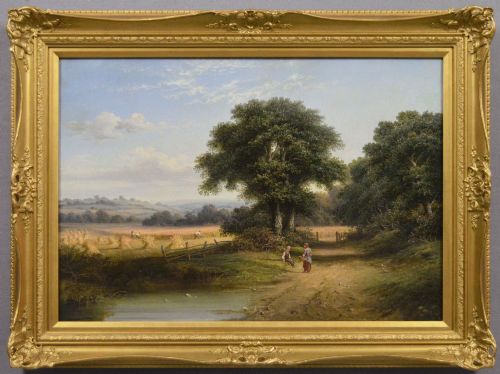
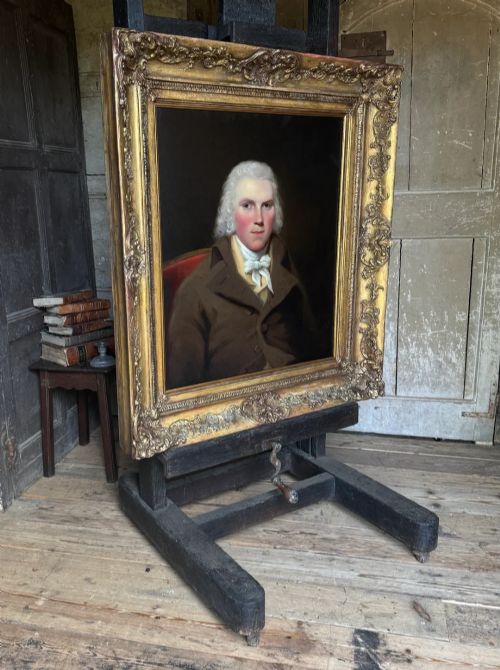
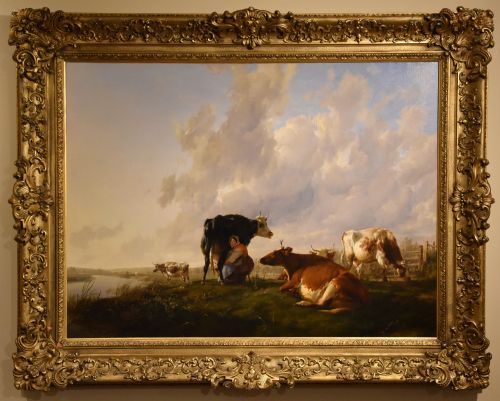
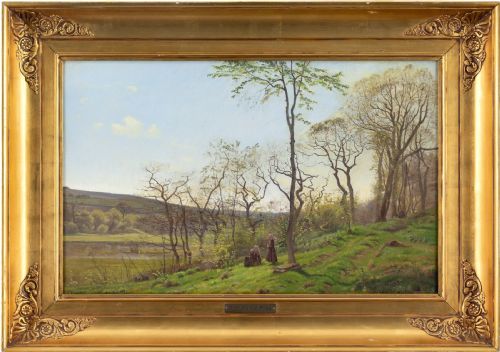
These giltwood framed oil artwork pieces bring centuries of classical portraiture and landscape painting into domestic spaces within ornate wooden surrounds.
Giltwood Framed Oil Artwork
A giltwood framed oil artwork combines painted canvas or board with a decorative wooden frame finished in gold leaf or gesso. Buyers searching this phrase encounter oil paintings spanning from the sixteenth century through the Edwardian period, capturing portraits, landscapes, and maritime scenes.
The selections on this page lean heavily toward nineteenth-century British and European works, alongside eighteenth-century portraits and earlier Renaissance-style religious subjects. These paintings serve as focal points in period interiors, housed in frames that often reflect the decorative style of the canvas's era.
Most entries present traditional subject matter, including pastoral landscapes, domestic animals, and historical figures executed by named artists and regional schools. The physical pairing of canvas and carved wooden frame creates an integrated decorative object rather than a simple picture on a wall.
How they were made
Painters applied oil paint to stretched canvas or wooden board, utilising pigments mixed with drying oils to achieve depth and luminosity. These canvases were then secured within carved wooden frames prepared with layers of gesso before the application of gold leaf.
The frames often feature intricate mouldings and carved details shaped by hand from timber such as oak or pine. Gilding artisans laid fine sheets of gold leaf over the prepared gesso base, sometimes burnishing the surface to create contrasting matte and glossy finishes.
Listings feature oil paintings spanning from the sixteenth century to the Edwardian era, utilising canvas, wood, and gesso.
What varies in quality
Quality rests primarily on the skill of the brushwork and the anatomical or spatial accuracy within the composition. Fine works demonstrate subtle handling of light and shadow, particularly in portraiture and landscape depth, whereas lesser pieces rely on stiff proportions and formulaic application.
The execution of the frame dictates much of the overall merit, distinguishing hand-carved giltwood with crisp gesso details from later moulded resin or simplified replacements. Original pairing between the canvas and its specific frame elevates the integrity of the piece.
Eugène Verboeckhoven·Jean-Baptiste van Loo·Edouard Pingret·Benjamin Barker·Walter Heath Williams·Thomas Sidney Cooper·Francis Hayman·Charles Euphraisie Kuasseg·Edgar Hunt·Robert Cleminson·Charles Leslie·Renato Moretti·Thomas Kent Pelham·John Holland·George Morland·John Arthur Lomax·Evelyn Chester
The Giltwood Framed Oil Artwork Glossary
- Giltwood
- Wood that has been decorated with gold leaf or gold powder. This surface treatment provides the characteristic metallic sheen found on traditional picture frames.
- Gesso
- A plaster-like mixture used as a smooth base on wood before gilding. It allows artisans to carve intricate relief patterns beneath the gold leaf.
- Oil on Canvas
- Pigments bound in an oil medium applied to a woven fabric support. This combination forms the primary medium for the historical paintings listed here.
- Baroque
- An artistic style prevalent from the seventeenth century characterised by dramatic movement and deep contrast. Works from this period utilise intense play of light and shadow.
- Regency
- A British historical period spanning the early nineteenth century defined by specific neoclassical design traits. Frames and paintings from this era often exhibit refined classical restraint.
Giltwood Framed Oil Artwork: Frequently Asked Questions
How do I identify the period of the frame?
Frame styles usually correspond to the prevailing decorative arts of the canvas's creation date, showing shifts from baroque carving to nineteenth-century moulded composition.
Closer inspection of the corner joints, backboards, and gesso application helps distinguish original period surrounds from later replacements.
What subjects are most common in these paintings?
Landscapes, pastoral scenes, and maritime views dominate the available selection alongside formal individual and family portraits.
Religious subjects and genre scenes depicting everyday life also appear across various European schools.
How should I care for a giltwood frame?
Giltwood surfaces require gentle dusting with a soft, dry brush to prevent accumulation without disturbing the delicate gold leaf.
Avoiding direct sunlight and stable humidity levels will protect both the wooden substrate and the oil canvas from deterioration.
Are these paintings signed by the artists?
Many works bear visible artist signatures or studio inscriptions, while others remain attributed to specific regional schools based on style.
Documentation often relies on historical records, subject identification, or stylistic comparisons with known works.