




Scalloped Silver Tray
A scalloped silver tray brings a shaped rim and reflective surface to serving drinks or displaying small objects.
Scalloped Silver Tray
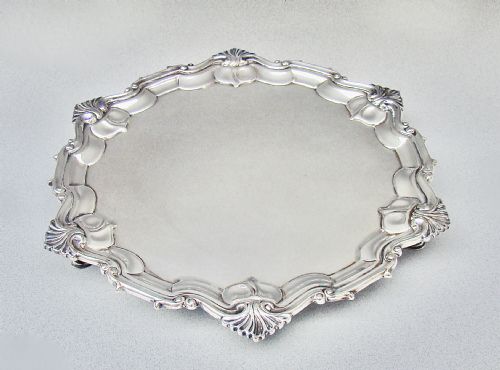
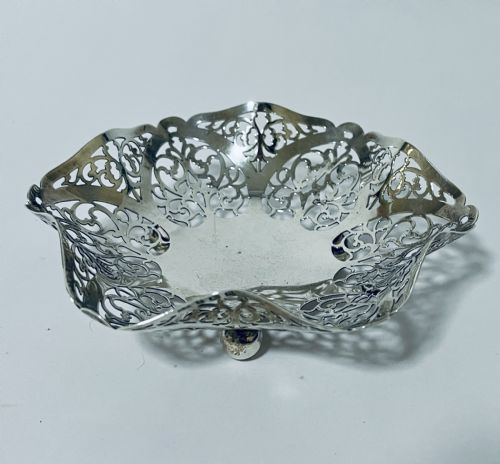
A scalloped silver tray is a serving vessel defined by its shaped, indented rim, appearing in forms such as circular salvers, cocktail trays, and smaller dishes.
The pieces available on this page span the 18th century, Victorian period, Edwardian era, and Art Deco design movements.
Makers utilised both sterling silver and silver plate, alongside related materials like mahogany and glass, to create functional serving pieces and display trays.
Materials and Craftsmanship
Silversmiths formed trays from solid sterling silver or applied silver plating over base metals and nickel silver, often incorporating engraved surfaces and raised borders.
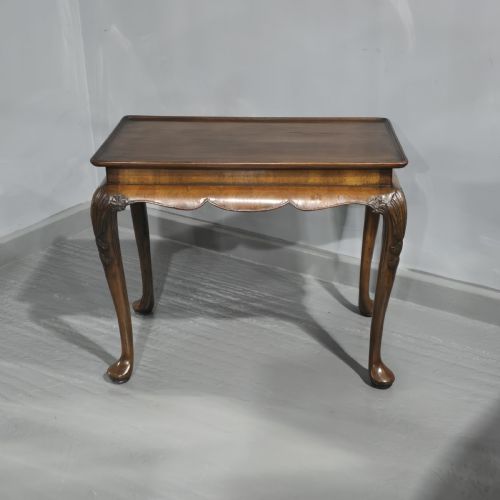
Some examples combine metal rims with mahogany table frames, ebonised wood, or mirror glass bases.
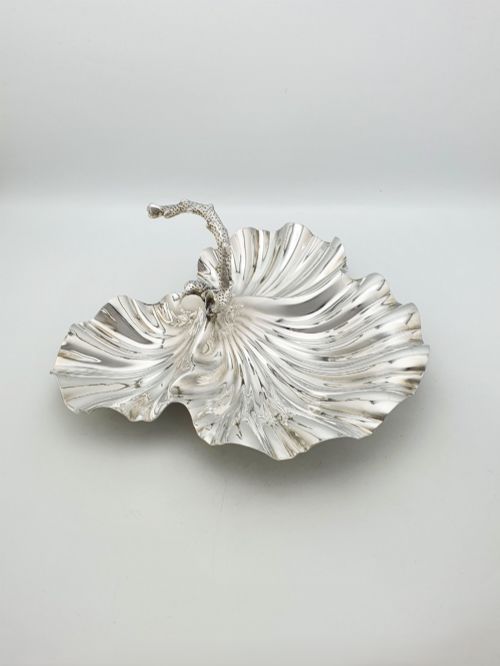
Details such as cast handles, stylized coral motifs, and inlaid copper demonstrate the diverse techniques employed across different periods.
Scalloped Silver Tray Retail Price Guide 2026
Typical asking prices for scalloped silver tray among the pieces listed under this phrase on Sellingantiques today, from the lower quarter to the upper quarter. They describe what is for sale here now, not the wider market.
Factors of Quality
Quality rests on the crispness of the shaped rim and the depth of any surface engraving, distinguishing carefully worked metal from simpler pressings.
The weight of the metal and the integrity of the plating or solid silver construction determine the lasting durability of the tray.
Provenance and maker attribution elevate certain pieces, particularly those bearing marks from established firms.
William Hutton And Sons·Walker And Hall·Tiffany And Co·James Dixon And Sons
The Scalloped Silver Tray Glossary
- Salver
- A tray used for serving food or drinks, typically with a footed or flat base. In antique contexts, the term often describes a round silver tray.
- Gallery tray
- A tray featuring an upright pierced or solid gallery border around the edge to secure items placed upon it.
- Silver plate
- A manufacturing method where a thin layer of silver is bonded to a base metal such as copper or nickel silver.
- Sterling silver
- An alloy consisting of pure silver and other metals, usually copper, standardised for strength and purity.
- Paktong
- A copper-nickel-zinc alloy historically imported from China, used to make candlesticks and metalwares before modern plating techniques.
Scalloped Silver Tray: Frequently Asked Questions
How do I clean a silver plated tray?
Use a soft cloth and a gentle silver polish formulated specifically for plated items to avoid wearing through the thin silver layer. Wash the tray by hand in warm soapy water and dry it immediately with a lint-free cloth.
Avoid harsh abrasive pads or chemical dips that can damage the underlying base metal or remove remaining antique patina.
Can I use these trays for serving food?
Many of these trays served originally for drinks, dessert, or small dishes, making them suitable for contemporary serving use. Check the condition of the surface and plating before placing unwrapped food directly onto the metal.
Solid silver and stable silver plate function well for hospitality, whereas pieces with mirror glass or delicate engraved details work best for display.
How do I date a silver tray?
Sterling silver items often bear hallmarks indicating the assay office, date letter, and maker, which provide a precise year of manufacture. Unmarked pieces or silver-plated items require stylistic evaluation, such as identifying Edwardian scrollwork or Art Deco geometric forms.
Design motifs, weight, and construction techniques offer reliable clues to place an unmarked object within a specific decade or century.
What is the difference between sterling and silver plate?
Sterling silver contains a high, regulated proportion of pure silver throughout the entire object, making it solid precious metal. Silver plate consists of a base metal core coated with a thin outer layer of silver.
Hallmarks usually distinguish solid silver from plated wares, which often carry maker marks indicating electroplating processes.