


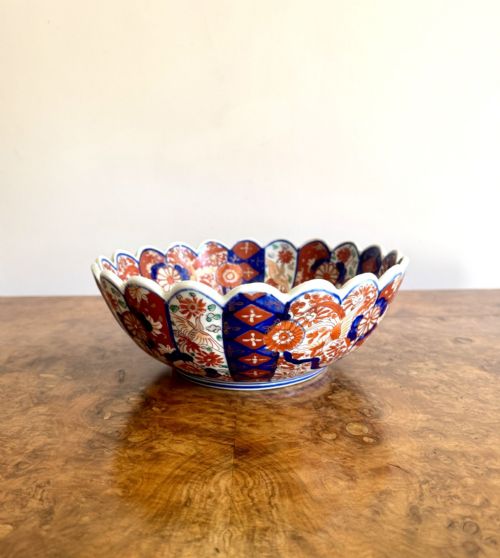
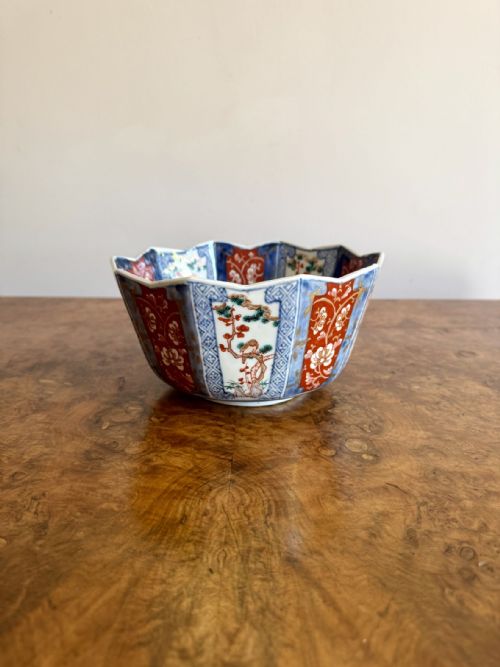

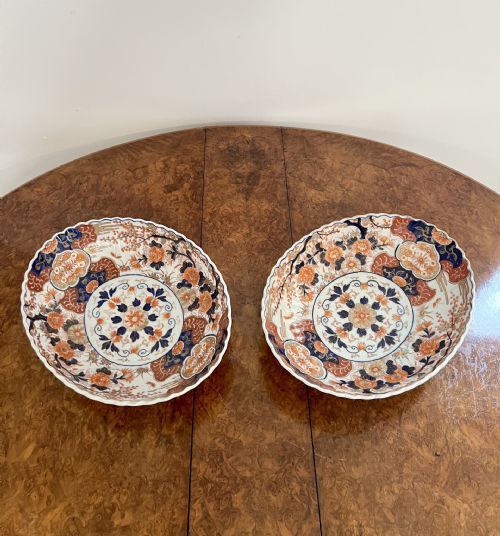


Scalloped Imari Ceramic Bowl
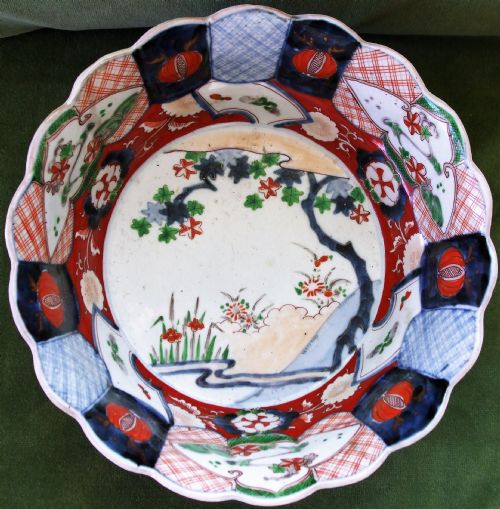
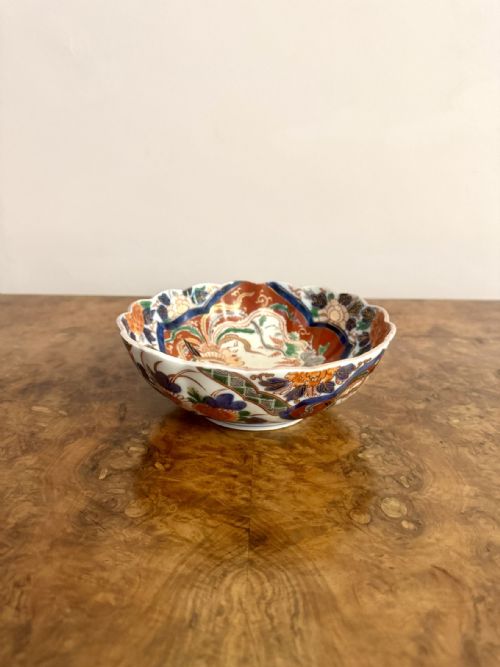
These scalloped imari ceramic bowl examples bring rich palette tradition and shaped rims to domestic display.
Scalloped Imari Ceramic Bowl
A scalloped imari ceramic bowl combines distinct undulating rims with traditional patterns originating from Japan and European interpretations. When searching for a scalloped imari ceramic bowl, buyers encounter pieces primarily from the nineteenth century, nineteen hundred, and eighteen eighty periods.
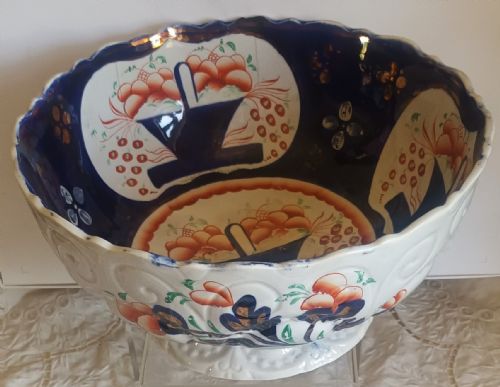
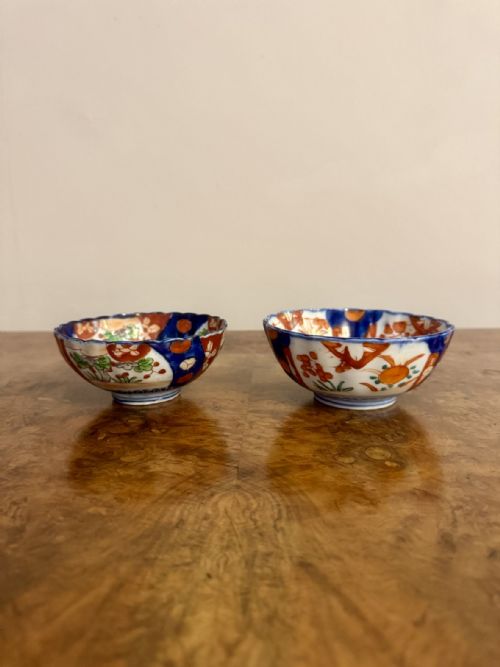
Most examples found on this page display Japanese Meiji period characteristics or Edwardian Japanese export influences alongside occasional Victorian alternatives like Gaudy Welsh pottery. The forms range from large decorative display dishes and pairs of bowls to small footed vessels.
Materials and construction
Makers shaped these items using porcelain, earthenware, and ceramic as base bodies before applying detailed glaze. Artisans utilised enamel, gold leaf, and gilding to add rich colour and metallic highlights to the surface patterns.
Copper lustre appears on specific earthenware iterations, while copper components contribute to certain decorative variants. The shaping of edges into scallops requires careful manipulation of the clay or porcelain body prior to high temperature firing.
Listings span porcelain, earthenware, and ceramic bodies decorated with enamel, glaze, and gold leaf.
Assessing quality and craftsmanship
The refinement of the painted enamel and the precision of the gilding determine the visual standard of each piece. Finer examples display crisp demarcation between compartments of pattern and rich application of gold leaf.
Scale and proportion also define the range, with large bowls and matched pairs showing greater ambition in production than smaller single vessels. The crispness of the scalloped edge shaping indicates the skill applied during the forming stage.
Chamberlain Worcester
The Scalloped Imari Ceramic Bowl Glossary
- Imari
- A style of ceramic decoration originating in Japan, characterised by a palette of cobalt blue, iron red, and gold. This aesthetic heavily influenced both domestic production and export wares.
- Meiji Period
- A historical Japanese era spanning from eighteen sixty-eight to nineteen twelve. Pieces from this time often show exceptional attention to decorative detail.
- Scallop Edge
- A rim shaped into a series of continuous curves resembling the outline of a scallop shell. This treatment adds ornamental movement to circular vessels.
- Gilding
- The application of gold leaf or gold powder onto the surface of ceramic or porcelain. It highlights specific motifs and adds reflective warmth to the design.
Scalloped Imari Ceramic Bowl: Frequently Asked Questions
What is an imari bowl?
An imari bowl is a ceramic vessel decorated in the distinctive palette associated with Japanese export porcelain, typically featuring blue underglaze and iron red overglaze.
These pieces often incorporate additional metallic touches like gilding to enhance their decorative impact.
How do I date these bowls?
Dating relies on examining the specific stylistic markers, materials, and documented periods associated with each item.
Most examples date from the nineteenth century through to nineteen hundred, encompassing the Meiji period and Edwardian eras.
Were these bowls used for food?
While originally functional, many antique pieces served primarily as decorative display dishes rather than active tableware.
Their delicate enamel and gold leaf surfaces meant owners often preserved them in cabinets or on side tables.
How do I care for my bowl?
Care requires gentle dusting with a soft cloth and avoiding abrasive cleaning agents that could damage the enamel or gilding.
Keeping the piece away from direct sunlight helps preserve the vibrancy of the iron red and gold pigments.