





Scalloped Ceramic Plate
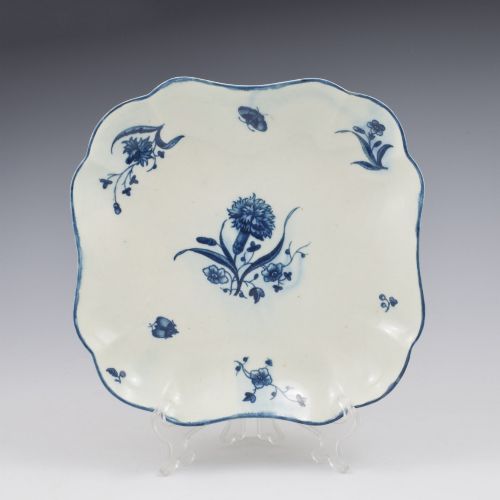
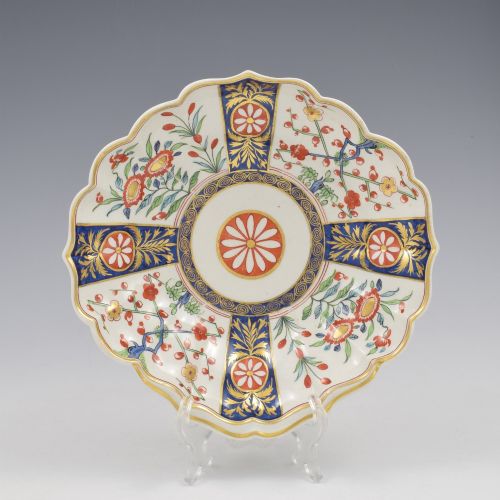
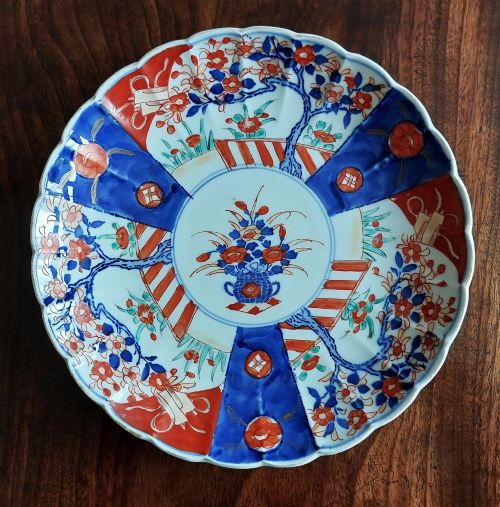
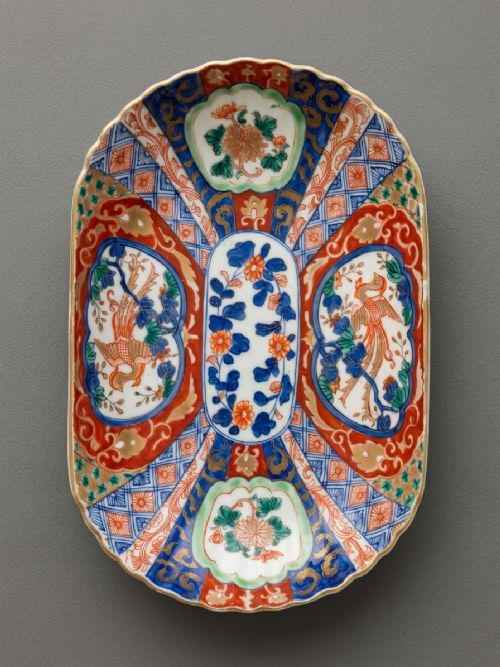
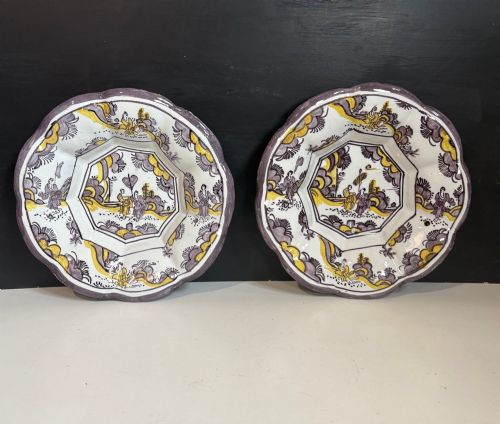
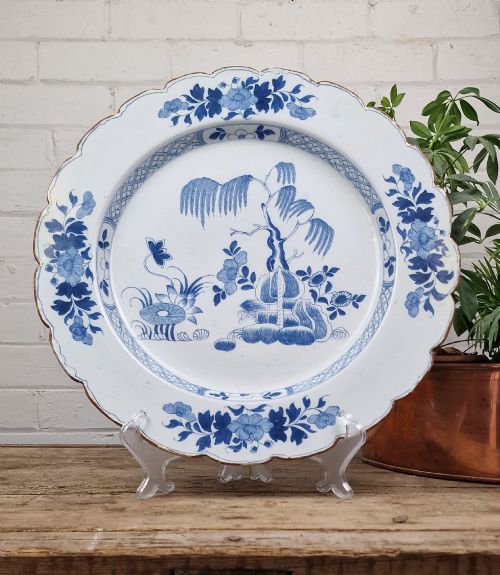
These scalloped ceramic plate options bring together intricate Asian and British tableware, offering collectors finely shaped borders and painted decoration.
Scalloped Ceramic Plate
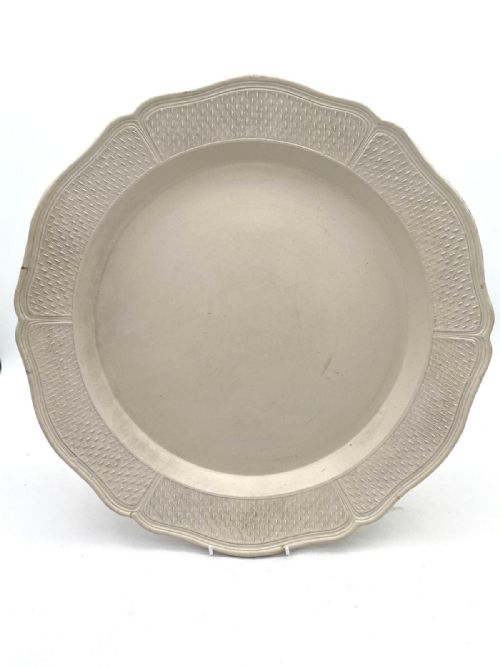
A scalloped ceramic plate provides an indented, wavy rim that frames painted or transferred motifs across centuries of production. These pieces range from large chargers intended for display to smaller dessert dishes and dinner services.
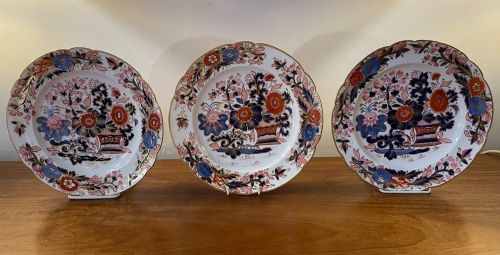
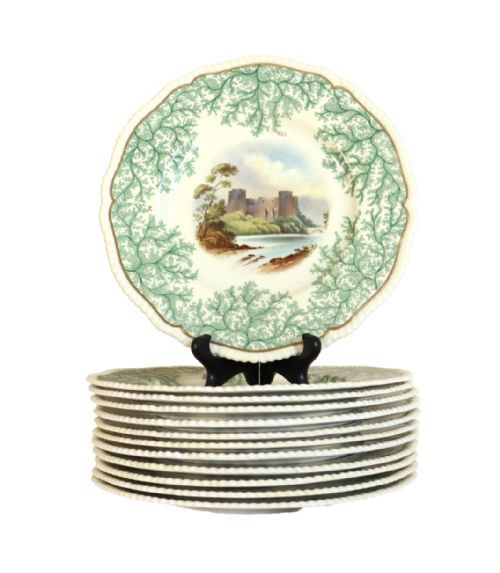
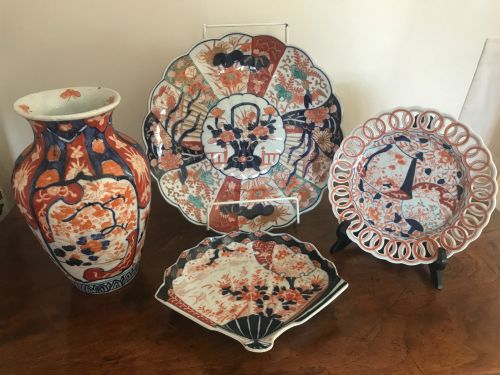
Japanese Imari and Arita wares from the Meiji period appear frequently alongside 18th-century English porcelain and tin-glazed earthenware. Buyers encounter both single display dishes and matched sets spanning the Georgian and Victorian eras.
How they were made
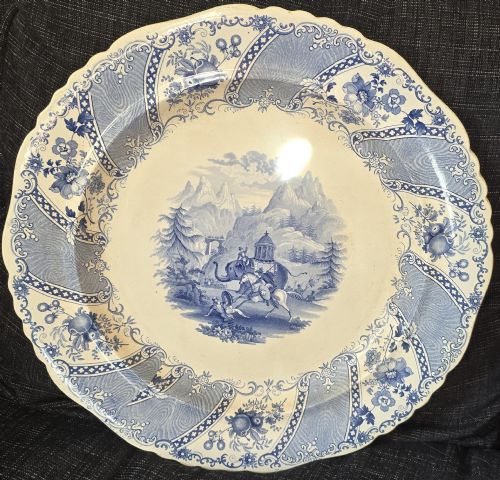
Potters shaped porcelain, ironstone, and earthenware bodies by hand or mould before applying tin glaze, enamel, or cobalt blue underglaze. Artisans frequently integrated gilding and gold leaf to highlight the curved edges and painted compartments.
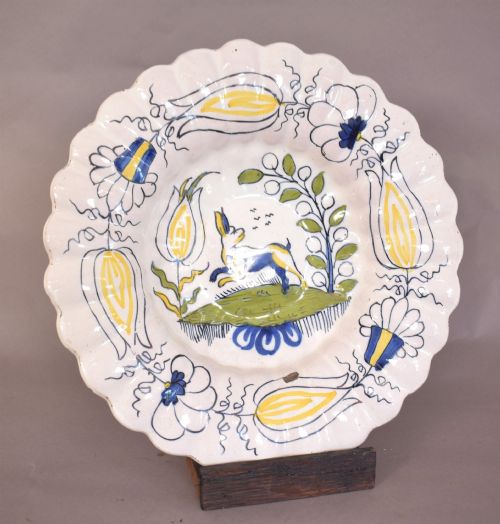
Firing techniques varied from high-temperature kiln procedures for hard-paste porcelain to lower earthenware temperatures that required tin glazing for an opaque white surface. Hand-painted designs and transfer printing both decorated the finished clay bodies.
Scalloped Ceramic Plate Retail Price Guide 2026
Typical asking prices for scalloped ceramic plate among the pieces listed under this phrase on Sellingantiques today, from the lower quarter to the upper quarter. They describe what is for sale here now, not the wider market.
Several Meiji period plates feature exotic birds painted with such determination they appear ready to peck through the glaze.
What varies in quality
The crispness of the moulded scalloped edge and the precision of the hand-painted brushwork distinguish standard utilitarian wares from superior decorative examples. Intricate palettes involving cobalt blue, iron red, and gilding demand higher skill from the decorator.
Condition plays a part in desirability, particularly the retention of original gold leaf and enamel vibrancy across centuries of handling. Consistency within matched sets of plates or chargers also influences the standing of the pieces.
William Smith And Co·Royal Worcester·Rockingham Pottery
The Scalloped Ceramic Plate Glossary
- Imari
- A style of Japanese porcelain featuring a palette of cobalt blue, iron red, and gold, named after the port of export. These pieces gained immense popularity in Europe during the export trade.
- Tin Glaze
- An opaque white glaze containing tin oxide applied to earthenware before firing. This technique created a smooth surface suitable for painted decoration.
- Charger
- A large decorative plate utilised for display on a sideboard or table rather than for everyday dining. They often measure significantly larger than standard dinner plates.
- Ironstone
- A durable type of earthenware patented in Britain to imitate Chinese porcelain. It offered high strength and resistance to chipping for domestic service.
- Transferware
- A method of applying printed designs to ceramic surfaces using a paper tissue transferred from an engraved copper plate. This allowed for uniform production of complex pictorial scenes.
Scalloped Ceramic Plate: Frequently Asked Questions
How were scalloped plates used historically?
These pieces served practical functions at dining tables for courses such as dessert or main meals, depending on their diameter. Larger examples acted as chargers to anchor table settings or display wealth on sideboards.
Over time, many transitioned into purely decorative objects hung on walls or exhibited on plate stands within formal rooms.
How do I distinguish Japanese Imari from English copies?
Japanese export pieces from the Meiji and earlier periods generally display a greyish-white body paste with iron-spur marks on the base from kiln stacking. The iron red and cobalt blue pigments often exhibit a specific depth and pooling characteristic of regional kilns.
English factories like Worcester and Staffordshire adopted the palette using local porcelain or ironstone formulations, producing a whiter, more uniform ceramic body without traditional kiln spurs.
What is the difference between earthenware and porcelain?
Earthenware uses clay fired at lower temperatures, resulting in a porous body that requires a glaze to remain waterproof. Tin-glazed examples and heavy transferware plates fall into this category.
Porcelain utilises finer materials like kaolin fired at much higher temperatures to achieve a vitrified, non-porous body that often transmits light through thin sections.