




Samson of Paris Ceramics
Samson of Paris ceramics are nineteenth-century porcelain masterworks crafted to emulate earlier European and Asian traditions.
Samson of Paris Ceramics
When you search for samson of paris ceramics, you encounter meticulous interpretations of earlier historic styles produced in nineteenth-century France. The selection spans the 1850s through to 1900, capturing the Victorian penchant for historical revivalism.
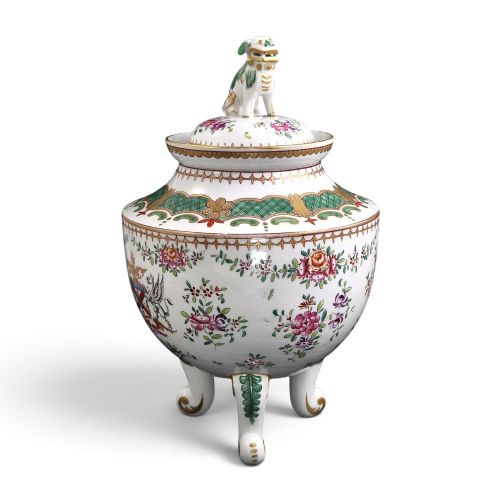
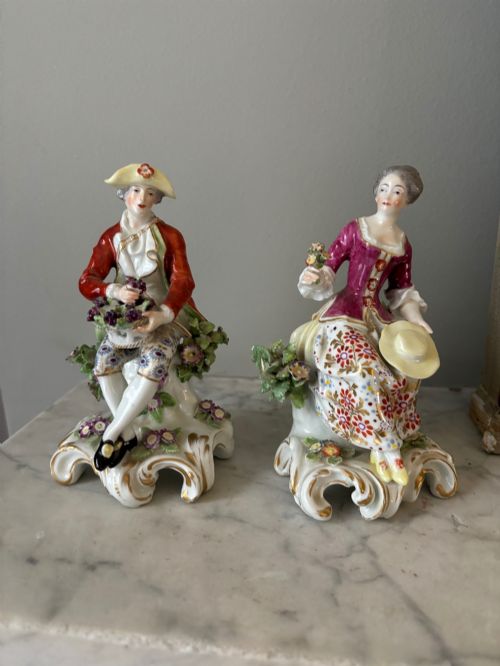
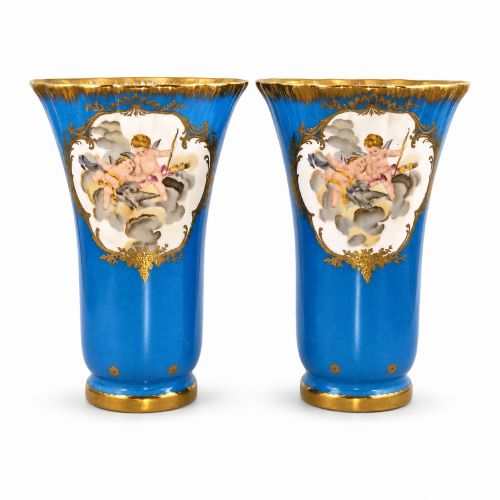
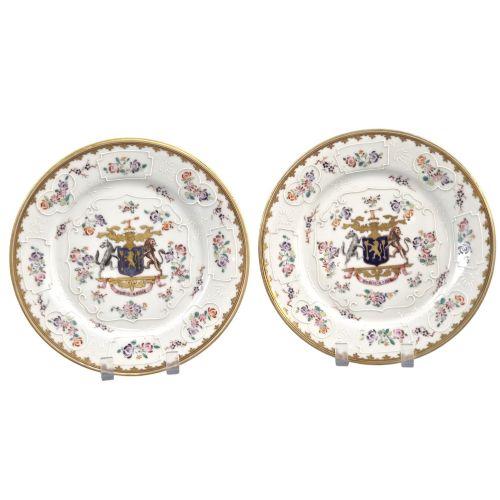
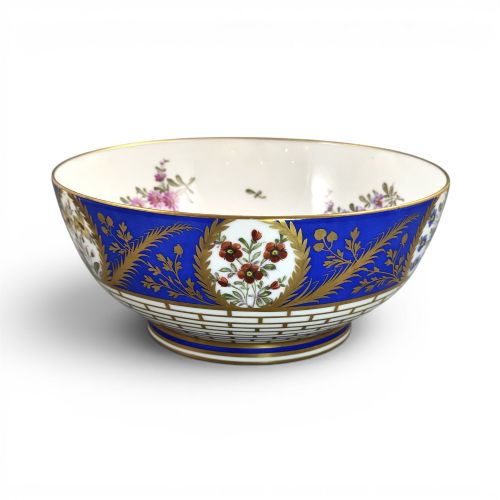
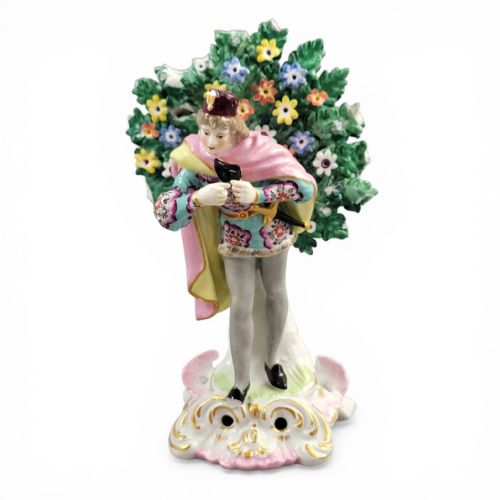
The objects take many forms, most commonly porcelain figurines, decorative vases, campana urns, and armorial bowls. Makers in Paris drew inspiration from eighteenth-century factories such as Chelsea, Derby, and Sèvres, alongside Chinese export porcelain.
You meet these pieces in distinct stylistic categories including Rococo Revival, Neoclassical Revival, and Chinoiserie. Each piece reflects the nineteenth-century desire to recreate the decorative splendour of earlier porcelain traditions.
What Varies in Quality
The refinement of the hand painting determines much of the distinction between examples, particularly in the rendering of facial expressions on figures and the precision of armorial motifs. Painted scenes and floral details show varying degrees of artistic dexterity.
The crispness of the porcelain moulding and the delicacy of applied elements such as leaves, flowers, and bocage backgrounds separate standard items from superior productions. Gilding application and enamel saturation further influence the visual weight of each object.
Nineteenth-century Parisian porcelain workshops occasionally indulged in theatrical whimsy, immortalising actors in masks and vendors with hurdy-gurdies.
Edmé Samson et Cie·Edme Samson of Paris·Edmé Sampsom
The Samson of Paris Ceramics Glossary
- Armorial
- Bearing a coat of arms or heraldic crest. These designs were frequently painted onto porcelain plates, vases, and bowls.
- Bocage
- An intricate background of applied leaves and branches made of porcelain. It often frames eighteenth-century style figures.
- Bleu Céleste
- A vibrant turquoise blue ground colour used extensively on luxury porcelain. It is particularly associated with Sèvres-style decorative pieces.
- Hard-Paste Porcelain
- A dense, durable ceramic composed of kaolin and petuntse fired at high temperatures. It forms the primary body for nineteenth-century French imitation wares.
- Gilt Metal
- Metal that has been treated with a thin layer of gold or gold paint. It frequently mounts porcelain bowls and centrepieces.
Samson of Paris Ceramics: Frequently Asked Questions
How can I tell the difference between Samson and original Chelsea?
Samson pieces usually display subtle differences in paste consistency and enamel brightness compared to eighteenth-century originals.
Many carry subtle manufacturer marks or stylistic traits that point to nineteenth-century French production rather than early English manufacture.
What styles do these ceramics follow?
The objects predominantly follow Rococo Revival, Neoclassical Revival, and Chinoiserie aesthetics.
Victorian makers also produced extensive series dedicated to theatrical figures, allegorical representations of the seasons, and armorial tableware.
How do I care for gilt porcelain?
Clean these delicate items gently with a dry or barely damp soft cloth to protect the hand-painted enamels.
Avoid chemical cleaners and abrasive scrubbing which can easily wear away the surface gilding and fine details.