




19th Century Samson Ceramic
These 19th century samson ceramic pieces are skilled French revivalist works that let collectors enjoy historic porcelain styles without acquiring fragile originals.
19th Century Samson Ceramic
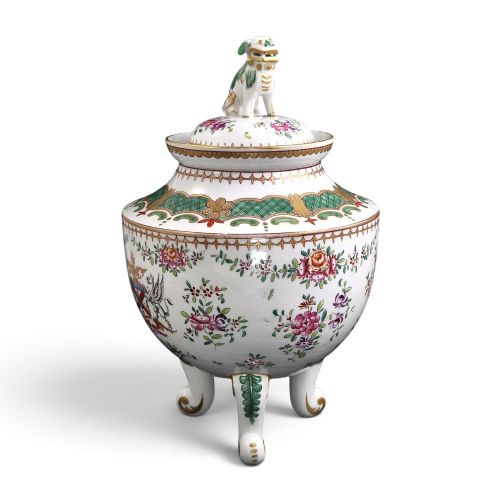
When you search for 19th century samson ceramic, you find ornamental objects and figures produced in Paris by the Samson firm. The workshop specialised in creating faithful interpretations and revivals of earlier historic ceramics from famous factories like Chelsea, Derby, and Sèvres. Pieces span from the mid-nineteenth century through to 1900, reflecting nineteenth-century French taste for historical imitation.
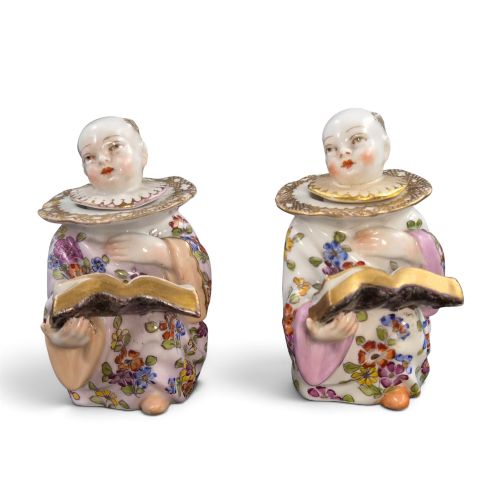
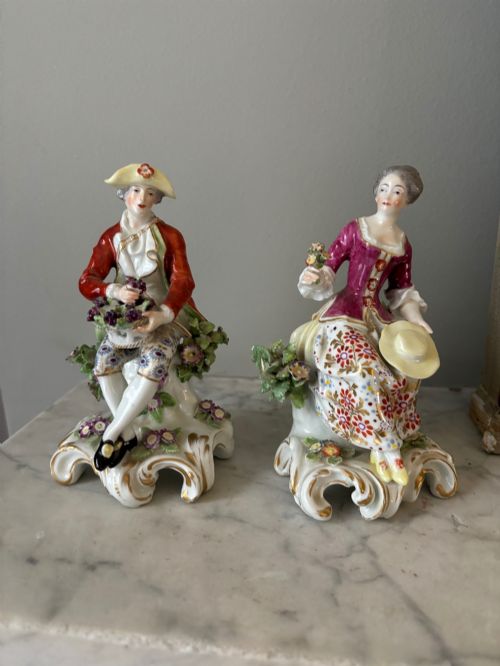
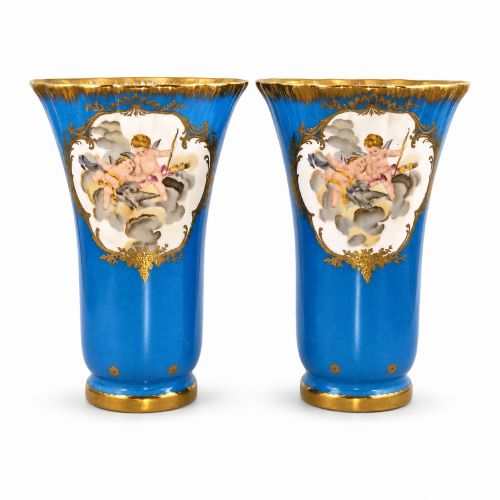
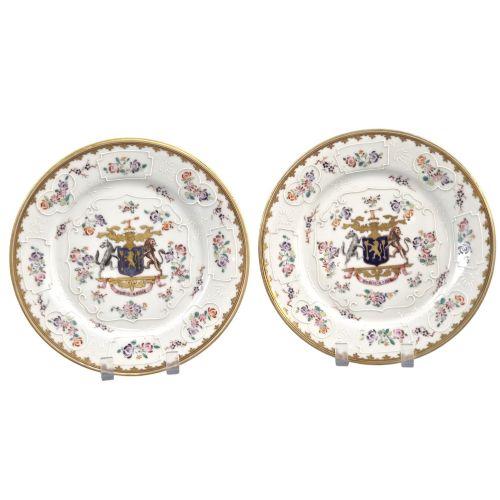
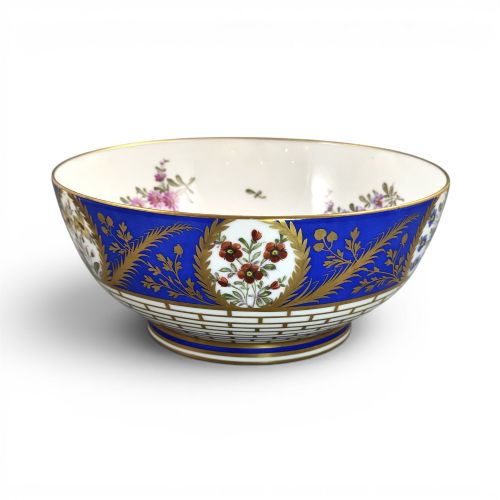
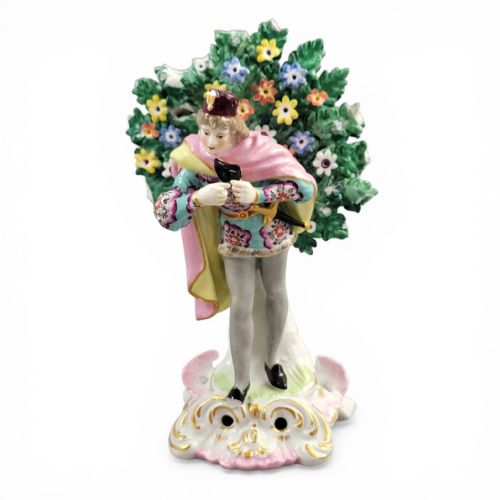
The objects on this page include porcelain figurines, figural inkwells, decorative bowls, campana vases, and jardinières. You will frequently encounter pairs of figures modelled after eighteenth-century prototypes, alongside armorial plates and vases decorated in Chinoiserie or Famille Rose styles. Many incorporate gilt metal, ormolu mounts or gilt bronze alongside hand-painted ceramic bodies.
How they were made
These items rely on hard-paste porcelain formed into complex shapes such as bocage figures, campana urns, and figural groups. Artisans decorated the surfaces using hand-painted pigments, raised white enamel, and extensive gold leaf or gilding to emulate the appearance of antique originals.
Mounting formed an important part of the production process for certain decorative pieces, combining the ceramic bodies with gilt bronze, gilt metal, or ormolu frames. Workshops utilised traditional French ceramic techniques to replicate specific historic bodies like Bleu Céleste grounds and armorial heraldry.
Samson ceramic production included whimsical Mansion House dwarves, cheerful singing boys, and elaborate figural inkwells bringing eighteenth-century theatre directly onto Victorian desks.
What varies in quality
The sophistication of the modelling and the inclusion of secondary materials also differentiate the range. Pieces featuring complex ormolu or gilt bronze mounts, or intricate multi-figure compositions like bocage groups and allegorical series, represent higher levels of workshop execution.
Edmé Samson·Samson of Paris·Edmé Samson and Cie
The 19th Century Samson Ceramic Glossary
- Hard-Paste Porcelain
- A dense, vitrified ceramic material fired at high temperatures, composed of kaolin and petuntse. It provides a durable body for detailed moulding and vibrant enamel decoration.
- Bleu Céleste
- A bright sky-blue enamel ground colour developed at the Sèvres porcelain manufactory. Samson adopted this distinctive hue for several of their revival vases and trays.
- Ormolu
- Finely cast and chiselled bronze that has been gilded with gold. It appears as decorative mounts on French porcelain vases, bowls, and lamps.
- Bocage
- A background of applied porcelain leaves and flowers surrounding figurative groups. It frequently decorates figures produced in the Chelsea and Derby styles.
- Armorial
- Decoration featuring a coat of arms or heraldic crest. Samson utilised armorial designs on plates, soup tureens, and campana vases.
19th Century Samson Ceramic: Frequently Asked Questions
What is a samson ceramic?
A Samson ceramic is a piece of nineteenth-century French porcelain produced by the Samson workshop in Paris. The firm specialised in making high-quality interpretations of historic ceramics from factories such as Chelsea, Derby, Meissen, and Sèvres.
These pieces were made for collectors who admired early porcelain styles. Rather than passing them off as forgeries, Samson often added their own subtle marks alongside the historic style inspirations.
How do I identify a samson piece?
Identification relies on recognising characteristic French porcelain bodies, hand-painted decoration, and specific revival styles. Many pieces bear imitation marks from earlier factories, but the paste, enamels, and gilding typically point to nineteenth-century French manufacturing methods.
Look for the characteristic Samson studio style within figures modelled after eighteenth-century Chelsea or Derby prototypes, as well as distinct armorial and Chinoiserie motifs.
How should I display these porcelain pieces?
These decorative objects work well placed on tables, within cabinets, or utilised as functional lamps and centrepieces. Because many feature delicate hand-painted enamel and gold leaf, they benefit from stable placement away from direct sunlight and high-traffic areas.
Pairs of figures, vases, and inkwells look effective when symmetrical placement is used on mantelpieces or sideboards to highlight their nineteenth-century decorative origins.