



Sabre Leg Table
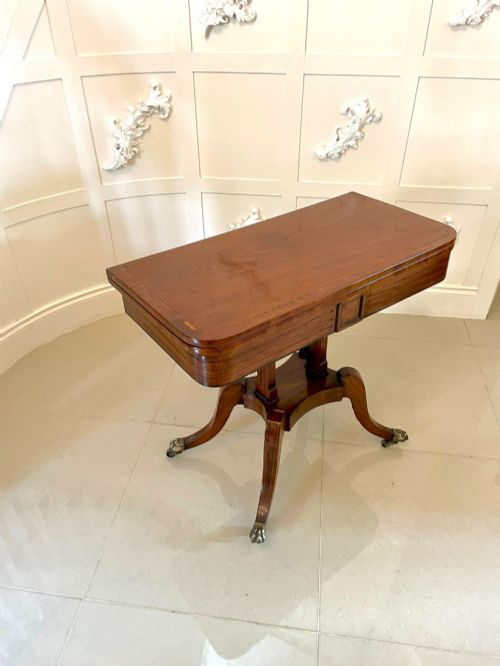
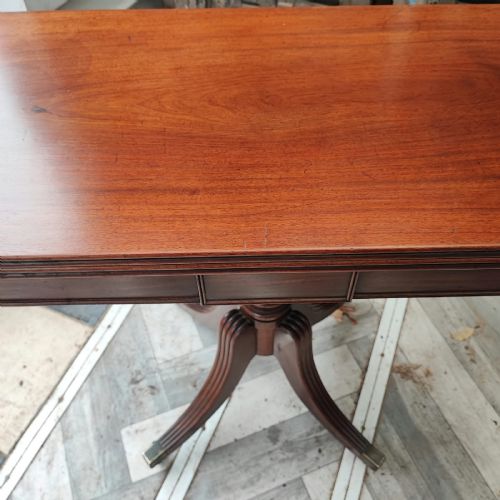
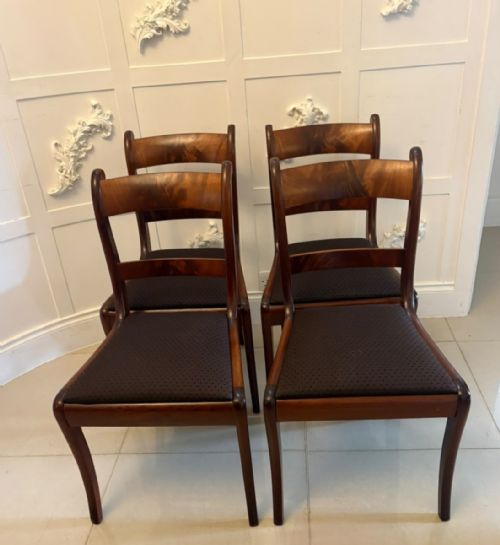
Sabre leg table pieces are elegant examples of Regency and 18th Century cabinet-making, prized by collectors for their distinctive curving supports.
Understanding the Sabre Leg Table
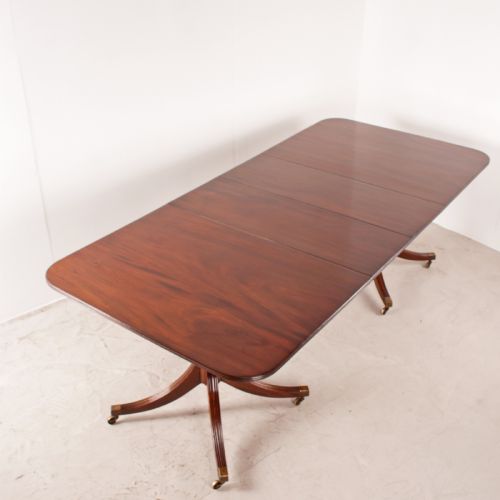
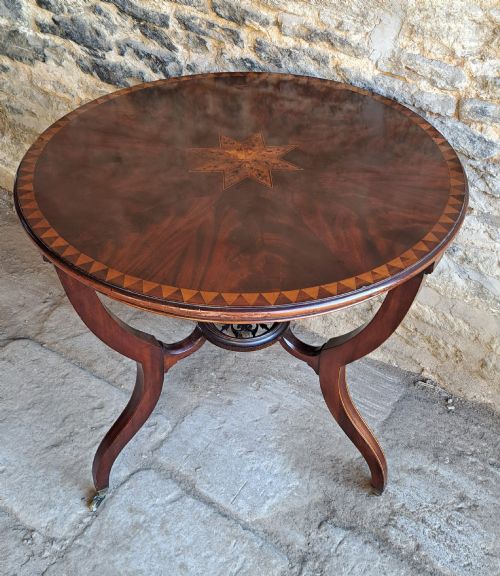
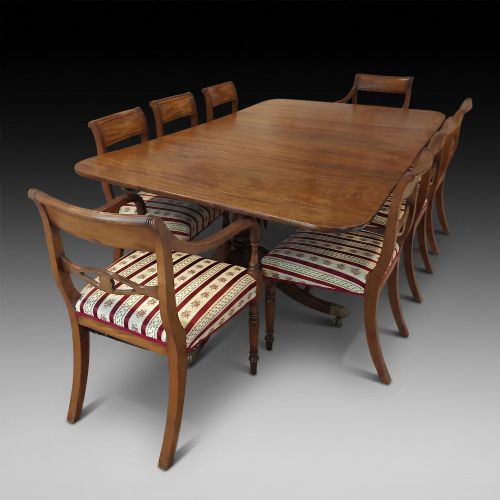
A sabre leg table is typically encountered in forms such as tea tables, dining tables, and Pembroke tables dating from the Regency and 18th Century periods. These pieces serve functional roles in domestic spaces while displaying the characteristic outward-curving lines of the supports.
Originating predominantly in the Regency and Georgian styles, these tables demonstrate the evolution of domestic furniture design from the 18th Century into the 19th Century. The forms range from compact Pembroke tables to larger metamorphic and D shaped dining pieces.
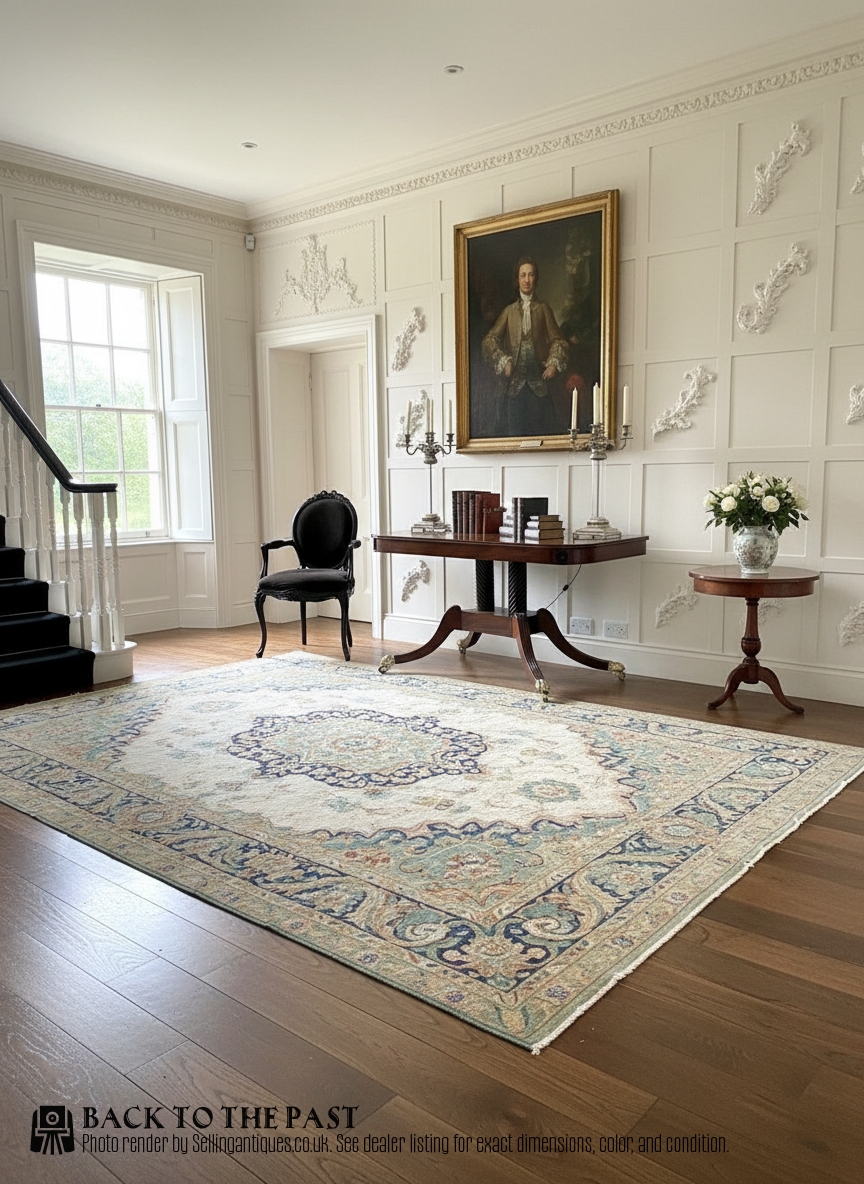
Materials and Construction
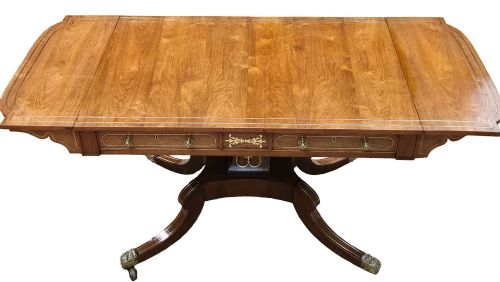
Makers of the period utilised mahogany as the primary timber, occasionally incorporating walnut crossbanding and decorative brass inlay to enhance the visual appeal of the surfaces. The construction relies on traditional cabinet-making techniques suited to shaping the distinctive curving supports.
Details such as brass capped castors appear on specific forms, combining utility with the decorative standards of Regency workshops. The integration of turned columns and frieze drawers demonstrates the mechanical ingenuity applied to drum tables and card tables.
Retail Price Guide 2026
Typical UK retail prices for sabre leg table, calculated from the Sellingantiques database of over a million retail prices indexed since 2003. This retail price guide relies exclusively on Sellingantiques data; no external sources or auction records are used, so the figures do not describe the wider market.
Even a quiet supper table manages to look ready for a cavalry charge.
Distinctions in Quality
Quality in these pieces rests on the precision of the timber selection, such as the use of figured mahogany and careful crossbanding, alongside the crispness of any brass inlay. Higher quality examples exhibit harmonious proportions between the top and the sweeping lines of the supports.
The sophistication of the mechanism in metamorphic or revolving drum tables further separates standard production from superior work. Finer items show integrated detailing down to the turning of columns and the fitting of brass castors.
The Sabre Leg Table Glossary
- Sabre leg
- A furniture support that curves outwards in a concave sweep, reminiscent of a cavalry sabre. This form became popular during the Regency period.
- Crossbanding
- A strip of veneer applied to the border of a tabletop, run at right angles to the grain of the central panel. This technique frames the primary timber.
- Pembroke table
- A small rectangular table with hinged flaps on either side that can be raised or lowered. It often includes a single drawer and dates frequently to the 18th Century and Regency eras.
- Metamorphic table
- A piece of furniture designed to transform from one form to another, such as a card table converting into a dining surface. These pieces show mechanical complexity.
- Brass inlay
- The technique of embedding thin strips of brass into recesses cut into the wood surface. It is a defining decorative feature of Regency furniture.
Frequently Asked Questions
What periods do these tables come from?
The pieces span the 18th Century and the 19th Century, with a strong representation from the Regency era. Cabinet-makers of these times favoured curving lines and rich timbers.
Buyers will find styles rooted in Georgian and Regency design traditions, reflecting the changing aesthetic preferences of those decades.
Which wood types are most common?
Mahogany is the predominant timber found across these listings, often selected for its durability and deep grain. Walnut also appears in crossbanding details.
These materials were standard for high-quality domestic furniture during the Georgian and Regency periods, providing a stable base for fine cabinet work.
How were Pembroke tables used?
Pembroke tables served as versatile furniture for breakfast, writing, or needlework, easily moved about a room. The drop leaves allowed them to sit compactly against a wall when not in use.
Their flexible design made them popular additions to drawing rooms and parlours throughout the 18th Century and Regency periods.
What is a metamorphic table?
A metamorphic table is a piece engineered to change its function or size, such as shifting from a console to a larger dining or gaming surface. These designs highlight the clever mechanics of the period.
Collectors value them for their dual-purpose nature and the ingenuity required in their construction.
How do I identify a Regency style?
Regency style is characterised by clean lines, classical restraint, and often the use of brass inlay or brass capped castors on furniture supports. The overall look draws inspiration from classical antiquity.
Tables from this period frequently feature the distinct outward-sweeping sabre leg and rich mahogany surfaces.