
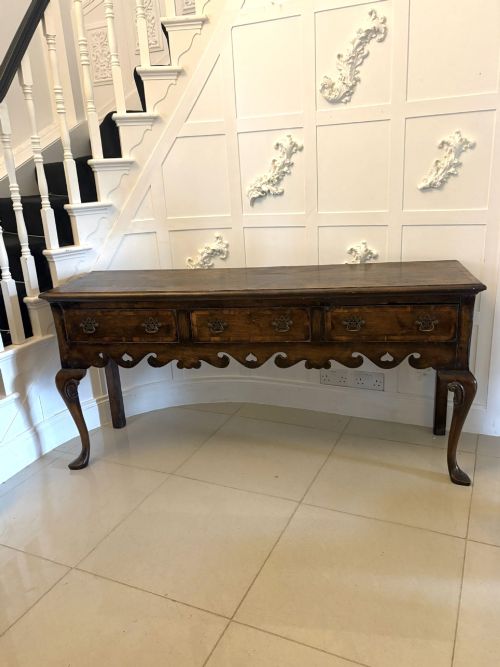
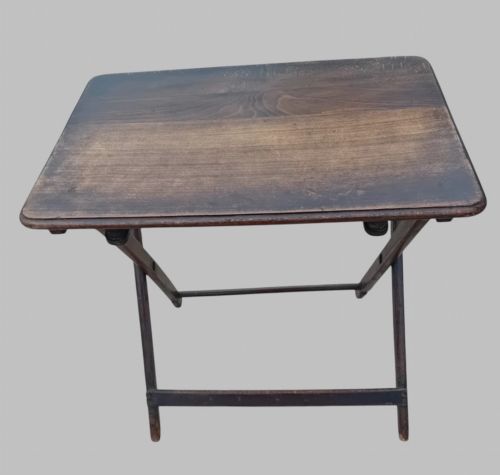
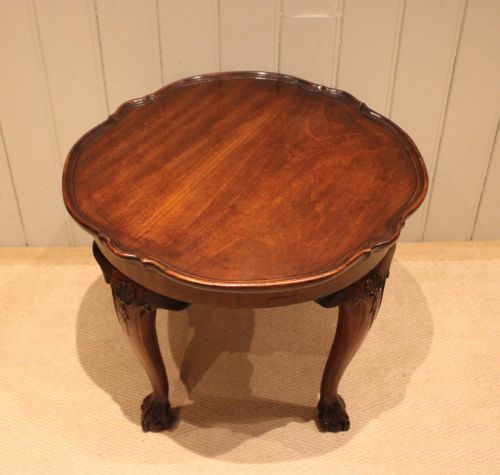
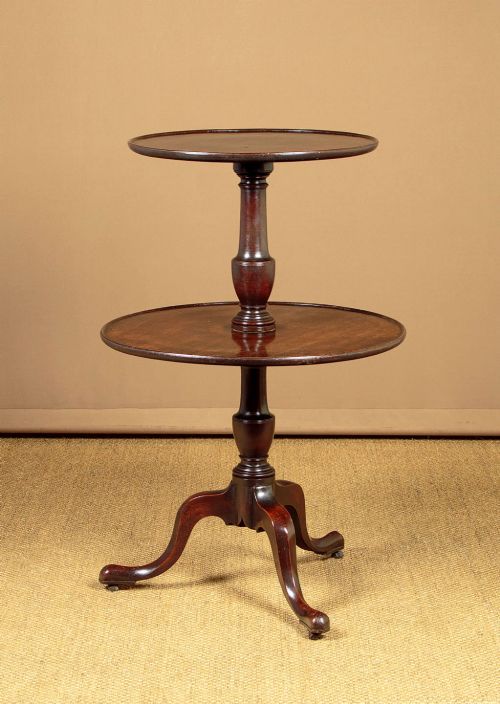
Dark Brown Table
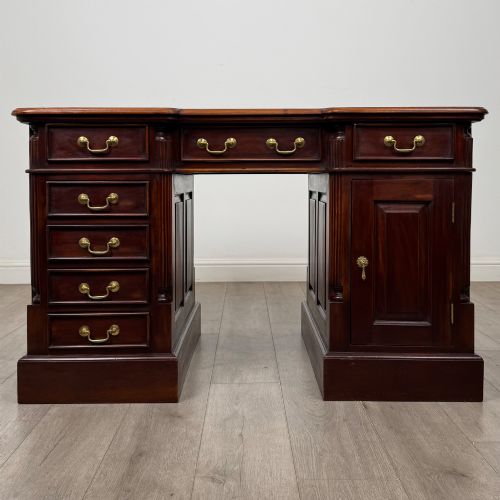
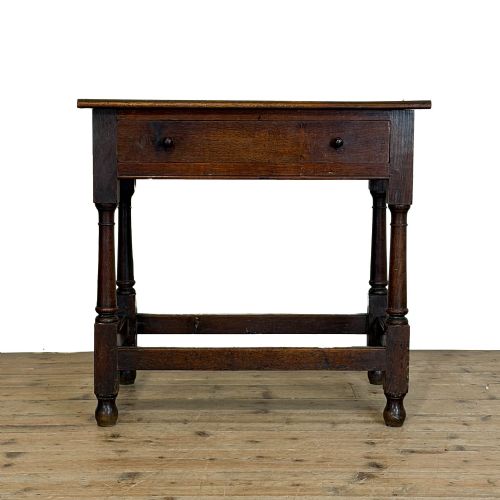
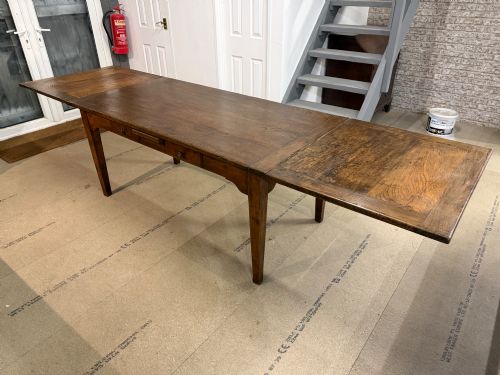
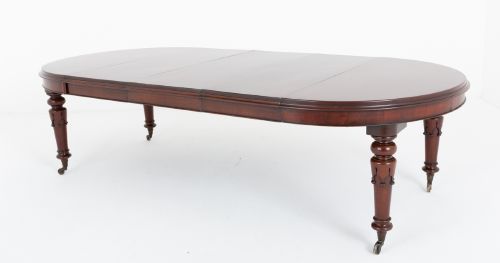
A dark brown table brings warmth and rich timber grain to a room, ranging from compact oak occasional pieces to large mahogany dining tables.
Dark Brown Table
When you search for a dark brown table, you encounter a wide array of centuries-old timber furniture designed for domestic use. The selection spans formal dining furniture, smaller side tables, and practical desks originating from periods such as the Georgian, Victorian, and Edwardian eras.
The version you are most likely to meet on this page is constructed from oak or mahogany. These pieces take many forms, including extending dining tables, occasional tables, coffee tables, and side tables shaped by styles ranging from rustic farmhouse to refined Georgian and Arts and Crafts designs.
How they were made
Cabinet makers utilised dense hardwoods such as oak, mahogany, and rosewood to build tables intended for daily endurance. Joinery methods relied on traditional techniques like mortise and tenon joints to secure the heavy timber frames.
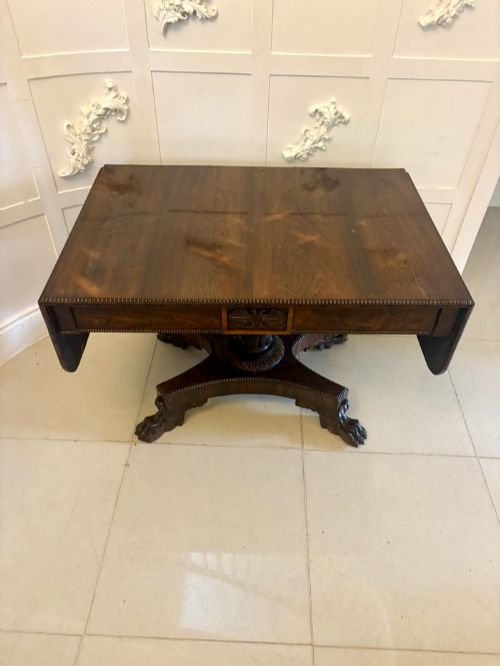
Surfaces often received hand-rubbed wax or polish to enhance the deep brown tones inherent in the wood. Brass fittings, drop-leaf mechanisms, and turning were frequently added to improve both utility and appearance.
Several tables include clever hidden mechanisms, from folding campaign structures to tops that tilt vertical for hallway storage.
What varies in quality
The selection of timber grain and the precision of the joinery define the distinction between standard utilitarian furniture and exceptional cabinet work. Superior examples display carefully chosen boards with continuous figure patterns across leaves and tabletops.
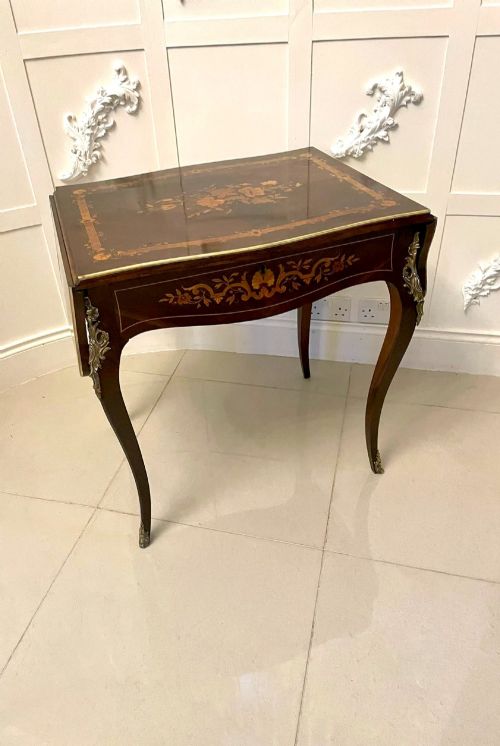
Proportion and decorative restraint also separate fine pieces from simpler items. Refined carving, well-executed marquetry inlay, and structurally sound framing indicate skilled workshop production rather than hurried manufacture.
Trollope & sons
The Dark Brown Table Glossary
- Refectory table
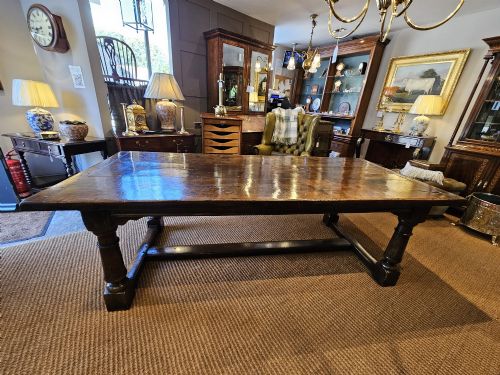
- A long, narrow dining table traditionally used in monastic refectories and later adapted for domestic dining rooms. These sturdy tables typically feature substantial timber legs connected by floor stretchers.
- Pembroke table
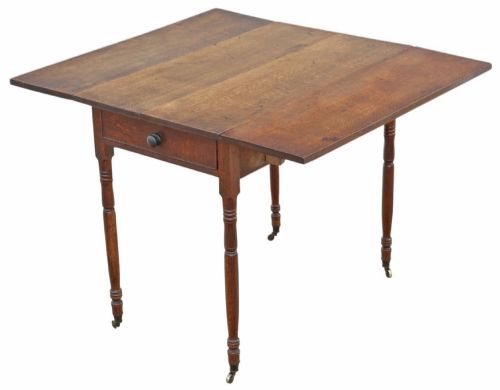
- A small rectangular table with hinged drop leaves on two opposing sides. It often includes one or more small drawers and stands on four legs, frequently fitted with castors.
- Lowboy
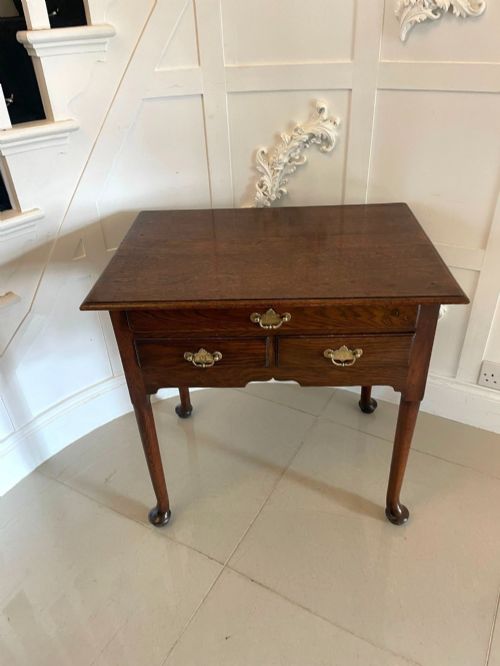
- A small seventeenth or eighteenth-century dressing table or side table standing on relatively short legs. It usually contains one or more rows of drawers beneath a polished top.
- Draw leaf table
- An extending dining table with two sliding leaves concealed beneath the main top. Pulling these leaves outward extends the surface length.
- Tilt top table
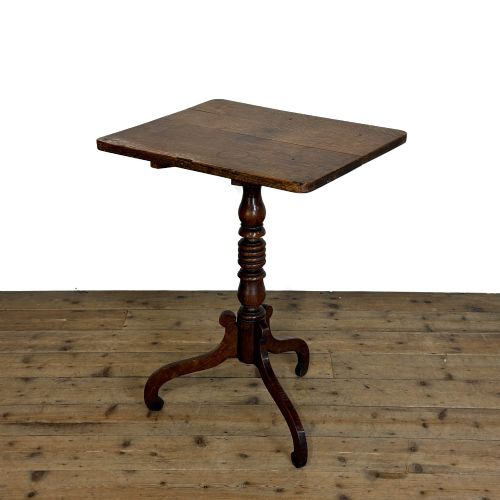
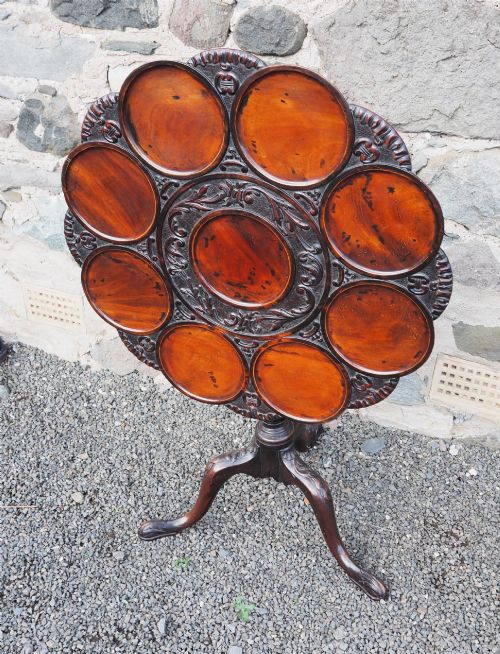
- A pedestal table with a mechanism that allows the top to pivot into a vertical position when not in use. This design saved space in smaller domestic interiors.
Dark Brown Table: Frequently Asked Questions
What periods do these dark brown tables come from?
The pieces span several centuries, including the seventeenth, eighteenth, nineteenth, and early twentieth centuries. Common eras represented include the Georgian, Victorian, and Edwardian periods.
Craftsmanship and timber choices shift across these eras, moving from sturdy seventeenth-century oak construction to refined nineteenth-century mahogany and rosewood designs.
How do I care for an antique wooden table?
Maintain the finish by dusting with a dry, soft cloth and applying a traditional beeswax polish periodically. Avoid placing timber furniture near direct heat sources or in strong sunlight.
Using coasters and placemats protects the polished surface from moisture and heat rings. Gentle maintenance preserves the depth of the dark brown colour.
Were these tables used for dining?
Many of the larger oak and mahogany examples served as dining tables for families and guests. Refectory and extending formats provided practical versatility for meals.
Smaller tables functioned as sideboards, tea tables, or occasional surfaces rather than primary dining spaces.
How do I tell different table styles apart?
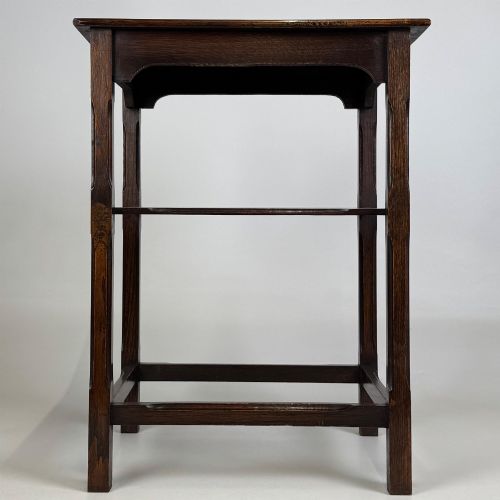
Style identification relies on examining the leg shapes, edge moulding, and overall ornamentation. Georgian pieces often display cabriole legs, while Arts and Crafts examples feature clean, functional oak forms.
Victorian and Edwardian versions incorporate decorative carving, turning, or contrasting wood inlays depending on the prevailing fashion of the decade.