
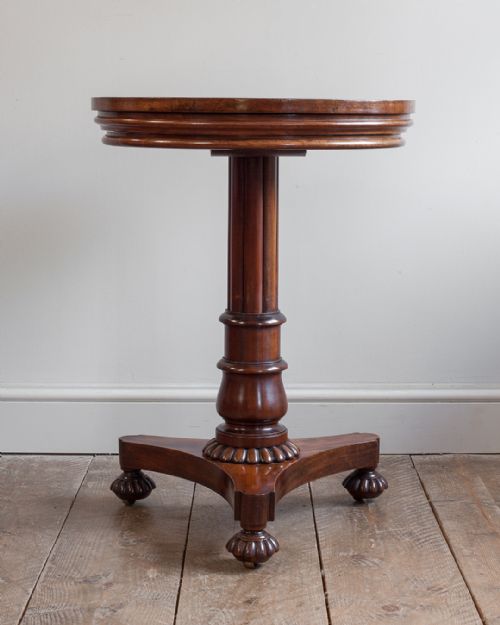
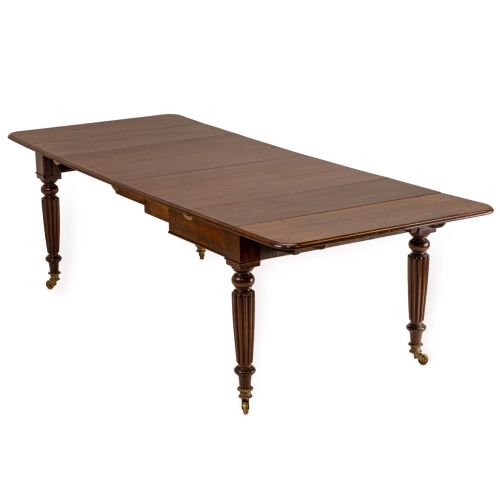
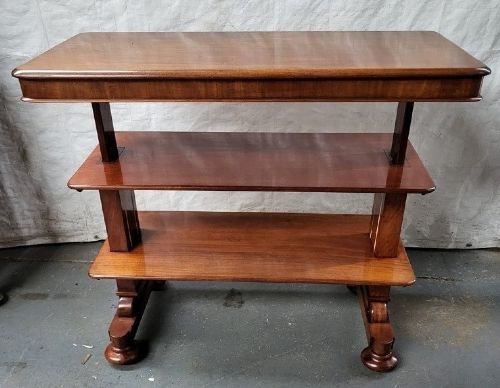


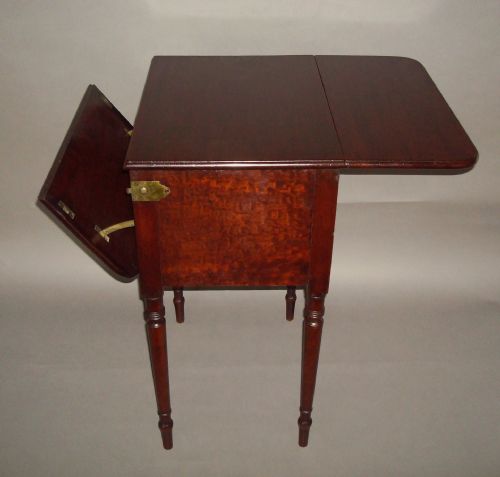
Regency Metamorphic Table
A regency metamorphic table is a clever multi-purpose furniture piece that transforms from a compact console or desk into a large dining surface.
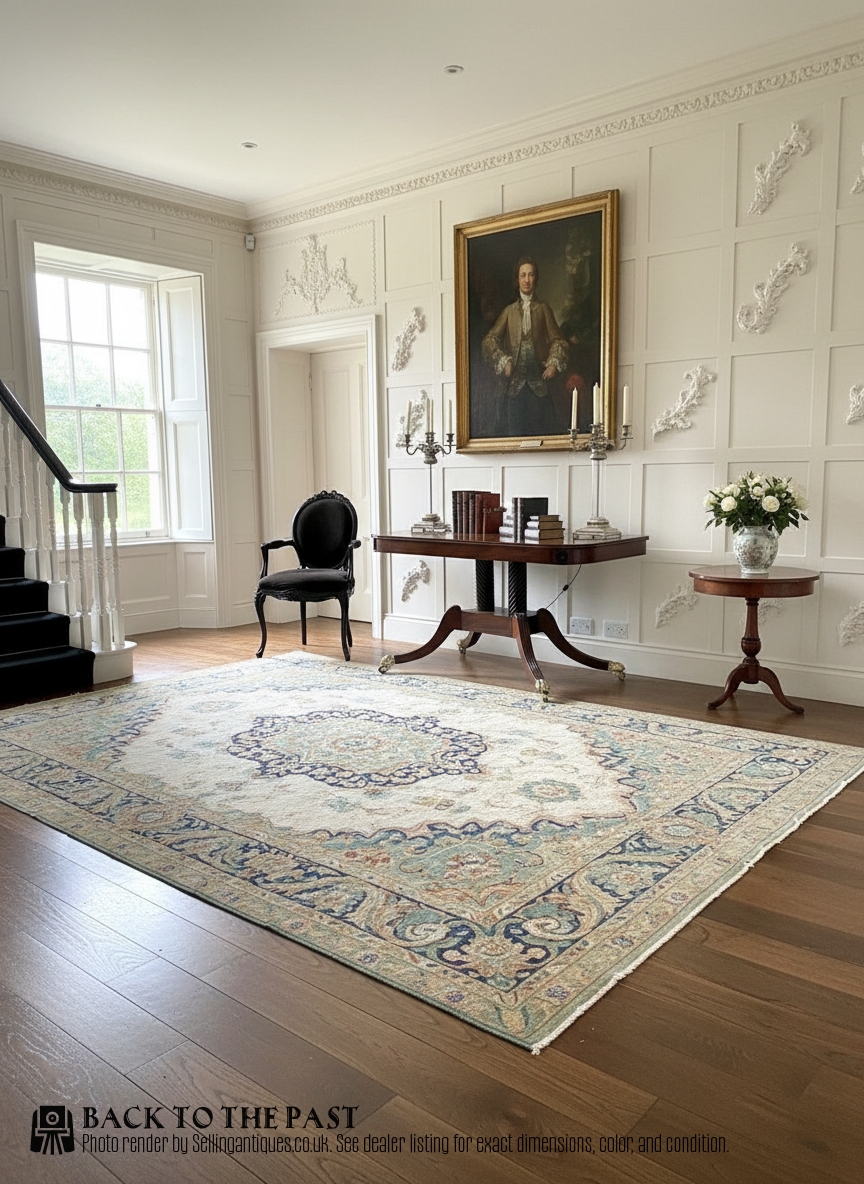
Regency Metamorphic Table
When you search for a regency metamorphic table, you are looking at ingenious nineteenth-century engineering designed to maximise space in period homes. These pieces shift forms, turning from side tables or buffets into dining tables, desks, or gaming surfaces with hidden mechanisms.
The versions most commonly met on this page span the nineteenth century, including Georgian and William IV periods, alongside later Victorian interpretations. They appear as dining tables, serving tables, occasional tables, desks, and dumb waiters.
Makers of this era employed clever pivoting leaves, rising columns, and folding actions to alter the function of a single piece of furniture entirely. Buyers choose them for their dual utility and the high standard of period cabinet-making they display.
What varies in quality
The success of a regency metamorphic table depends entirely on the precision of its concealed mechanism and how smoothly the parts transition. Superior examples maintain absolute stability in every configuration without wobbling or straining the timber joints.
Cabinet-making quality shows in the choice of figured mahogany or rosewood veneer and the tightness of the joinery. Finer pieces demonstrate seamless integration of folding leaves and rising columns that conceal their dual purpose when closed.
Some dining tables hide their transforming secrets so well that guests might sit down to eat without realising they are leaning on a clever piece of engineering.
The Regency Metamorphic Table Glossary
- Metamorphic
- Furniture designed to change form and function through clever mechanical parts, turning a desk into a dining surface or a console into a table.
- Buffet
- A side serving piece or sideboard that, in metamorphic forms, often conceals extra dining leaves or extends to serve meals.
- Dumb waiter
- A tiered serving table used to hold dishes or drinks, sometimes built with metamorphic tiers for occasional use.
- D shaped table
- A table with a curved semi-circular end, often paired with matching sections to form a large extending dining surface.
Regency Metamorphic Table: Frequently Asked Questions
How do metamorphic tables work?
These pieces utilise concealed hinges, folding leaves, and sliding tracks to alter their shape and height. A console or side table expands outwards or lifts up to accommodate guests for dining.
Internal wooden runners and brass mechanisms guide the movement, allowing a single piece to shift between a desk, gaming table, and dining surface.
Were these tables used in small rooms?
Yes, inventive furniture served homes where space was at a premium by combining multiple uses into one footprint. A compact desk or console remained against the wall until meal times.
Owners could expand the surface only when needed, avoiding the permanent obstruction of a large dining table in a modest room.
What woods are typical for these pieces?
Mahogany and rosewood dominate this category, often selected for their rich grain patterns and durability under daily mechanical use. Cabinet-makers used dense hardwoods to ensure the folding frames remained strong.
Brass hardware frequently reinforces the joints and pivot points where the timber sections meet during transformation.
How do I identify a period piece?
Examine the construction methods, timber ageing, and the style of the brass fittings to determine the era. Nineteenth-century examples display hand-cut joinery and traditional polishing techniques unique to the period.
The complexity of the mechanism also points to the ingenuity of Regency and Georgian workshops.