
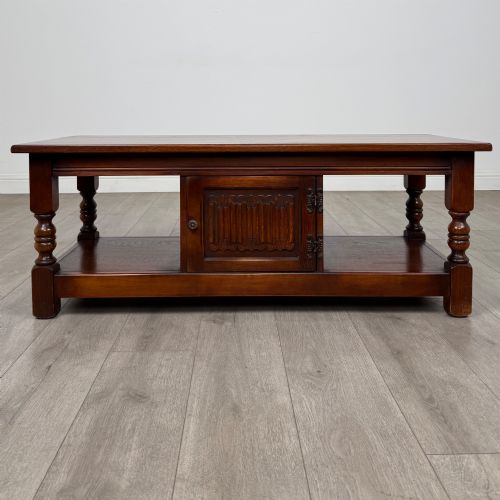
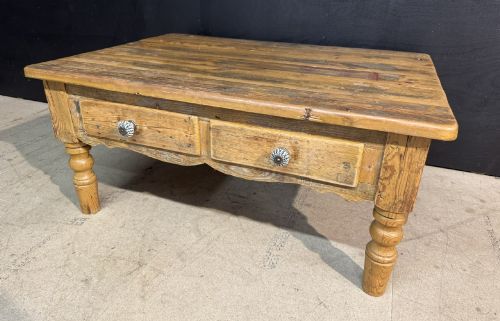
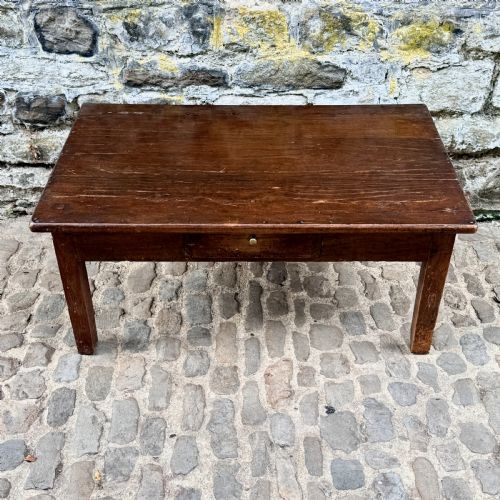
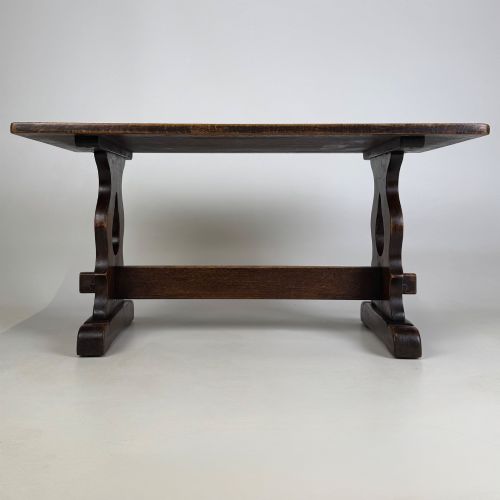
Rustic Wooden Low Table
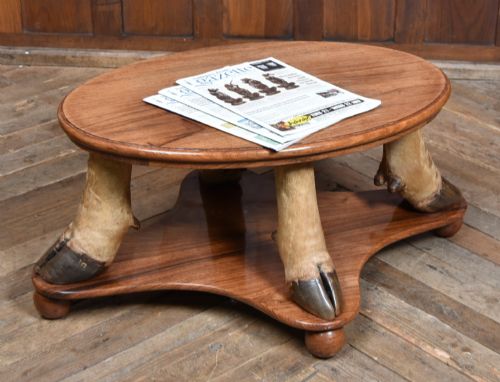
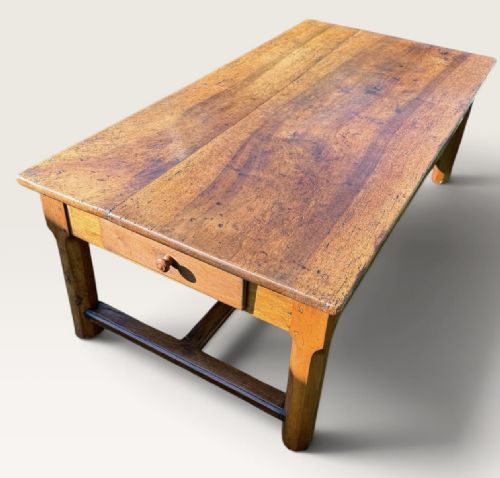
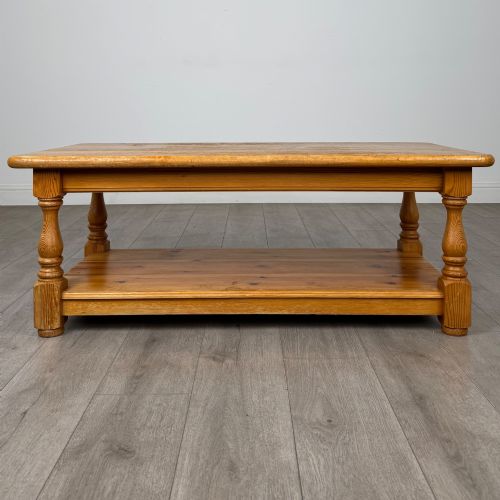
A rustic wooden low table brings immediate warmth to a room, offering low-slung utility shaped by practical past lives.
Rustic Wooden Low Table
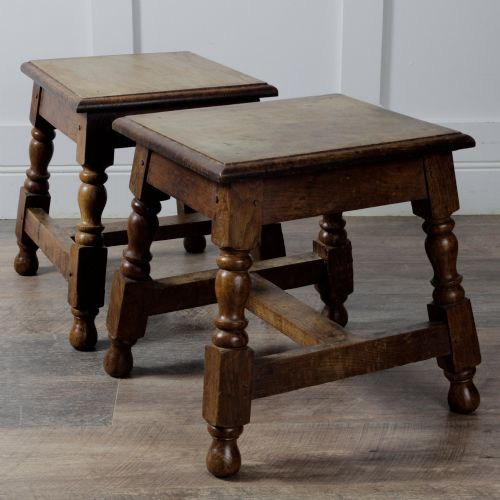
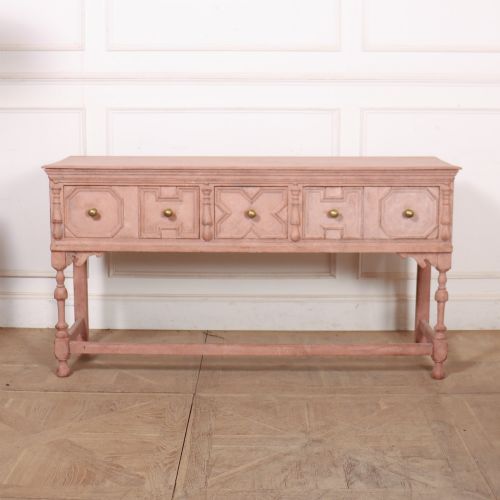
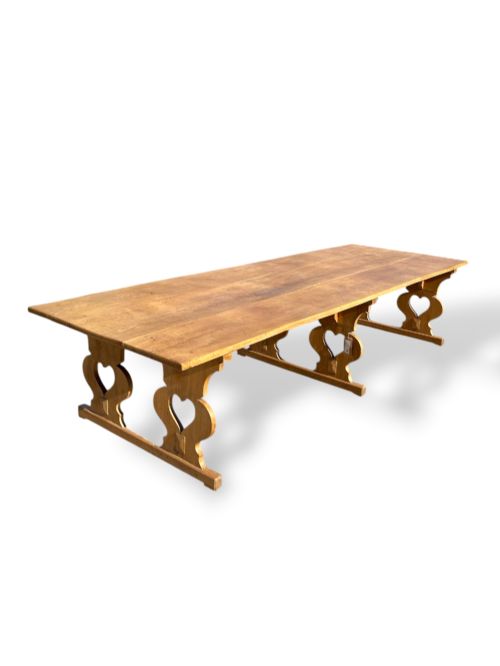
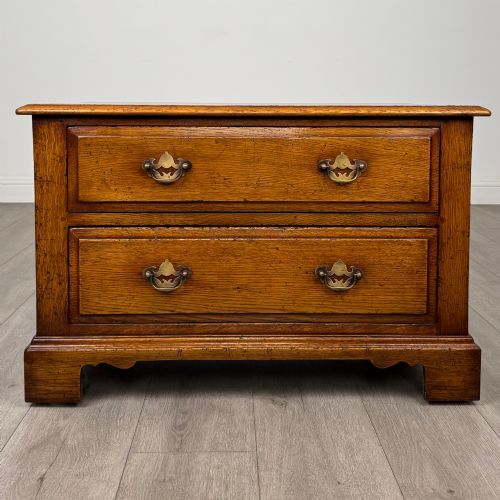
When searching for a rustic wooden low table, buyers encounter an eclectic mix of repurposed vernacular forms. These pieces frequently originate as low benches, dresser bases, joint stools, and specialised work surfaces adapted for modern living.
The versions most commonly met on this page date from the eighteenth and nineteenth centuries through to the Edwardian period. They span English country workshops, French provincial origins, and Hungarian homesteads, retaining the honest proportions of their working origins.
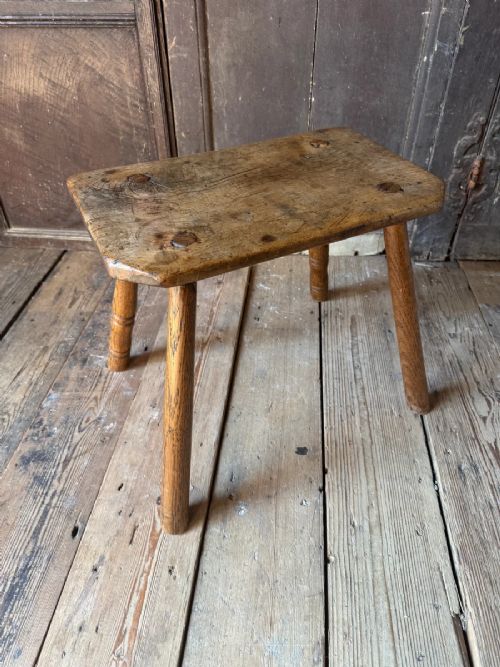
Substantial oak planks, scrubbed pine tops, and figured elm feature heavily among the available forms. Their surfaces bear the scars, grain variations, and patination accumulated through generations of domestic use.
How they were made
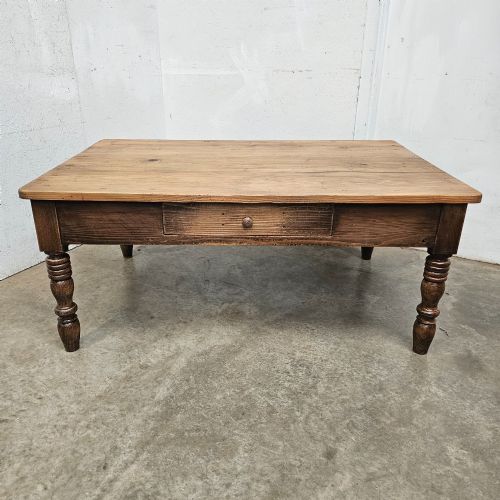
Construction relies upon traditional joinery techniques suited to heavy domestic service. Pegged joints, solid timber planks, and sturdy turned legs provide the foundational stability that has allowed these tables to survive for centuries.
Makers utilised locally available timbers such as oak, pine, elm, ash, and walnut. Surfaces were often left bare to absorb daily wear, while others received simple coats of paint or traditional wax finishes to protect the wood.
Some tables retain the exact chopping scars and flour dust from centuries of vigorous rural kitchen life.
What varies in quality
Quality rests in the integrity of the timber and the honesty of the conversion. Tables retaining their original untrimmed boards and authentic surface patination stand apart from those stripped aggressively or altered heavily over time.
Proportion and structural balance dictate the visual success of each piece. A well-proportioned low table sits harmoniously without appearing clumsy, balancing the weight of its timber top with appropriately scaled supports.
The Rustic Wooden Low Table Glossary
- Pig bench
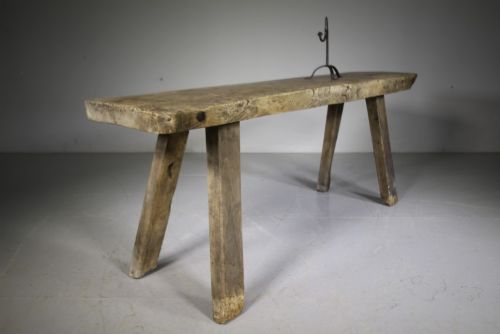
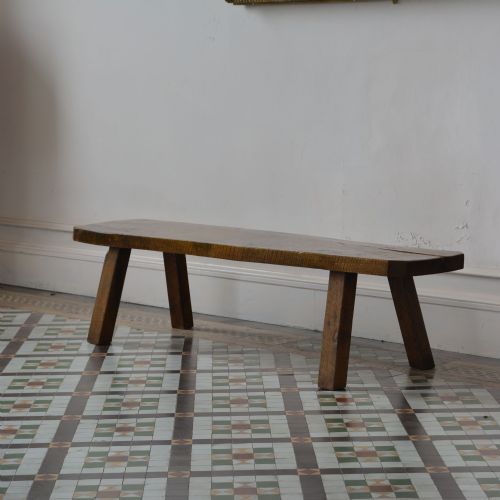
- A low wooden bench traditionally used in rural farmhouses for butchery or general domestic chores. Today, these long, narrow forms are frequently utilised as coffee tables.
- Joint stool
- An early form of sturdy wooden stool constructed with mortise and tenon joints, often featuring pegged legs. These sturdy items frequently double as low occasional tables.
- Scrub top
- A table top made from soft timber such as pine, subjected to rigorous scrubbing with soap and water to keep it clean. This process creates a pale, weathered surface texture.
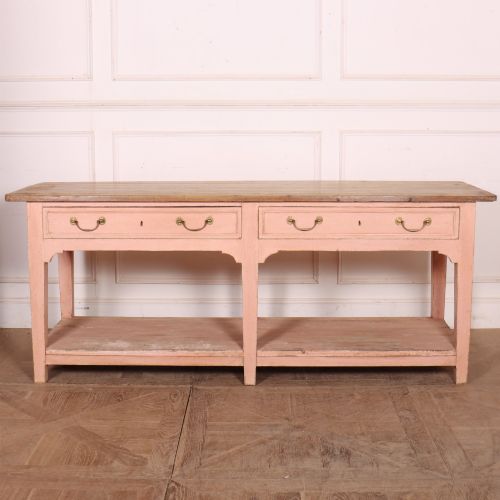
- Potboard
- A lower slatted shelf fitted between the legs of a dresser base or table, originally designed to hold pots and pans. It provides useful open storage on low table adaptations.
- Patina
- The lustrous surface sheen and depth of colour developed by wood over decades of handling, polishing, and exposure to light. This visual marker denotes genuine age and careful stewardship.
Rustic Wooden Low Table: Frequently Asked Questions
What is a rustic wooden low table?
A rustic wooden low table is typically an antique form, such as an eighteenth-century pig bench, a joint stool, or a low dresser base, repurposed for contemporary living.
These pieces derive their character from utilitarian pasts, displaying honest timber construction and weathered surfaces that suit relaxed interiors.
How do I use a low wooden bench as a table?
Narrow antique benches and pig benches fit neatly in front of sofas or along hallways. Their low profiles make them practical surfaces for books, drinks, and lamps.
Ensure the height matches your seating and that the floor is level enough to keep unlevel antique legs stable.
How do I care for antique pine and oak?
Maintain timber surfaces by dusting with a dry cloth and applying natural beeswax sparingly to nourish the grain. Avoid placing these tables near direct heat sources to prevent the old wood from splitting.
Embrace existing marks and stains as part of the piece's history rather than attempting harsh chemical restoration.
How can I tell the period of a wooden table?
Dating relies upon examining tool marks, timber species, construction methods, and wear patterns. Eighteenth-century examples often feature pegged joinery and hand-sawn boards, whereas later nineteenth-century and Edwardian pieces show more standardised manufacturing.
Evaluating the depth of the patina and the style of the turned legs helps narrow down the era of origin.