

English Coffee Table
An english coffee table brings period character to a room through centuries of timber craftsmanship and diverse historic forms.
English Coffee Table
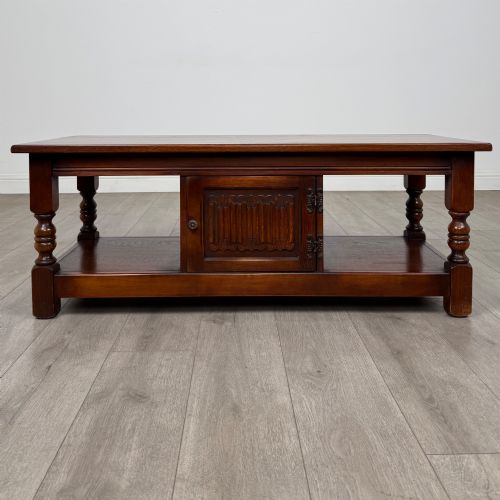
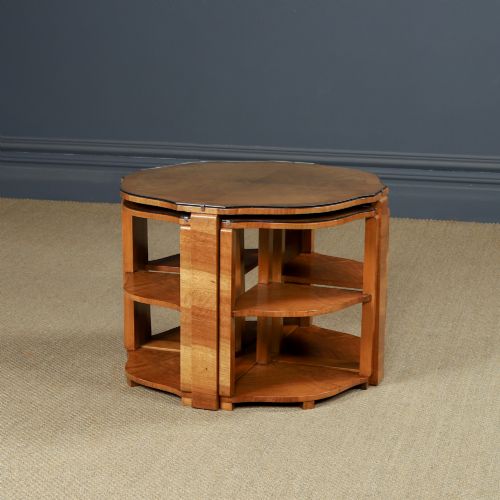
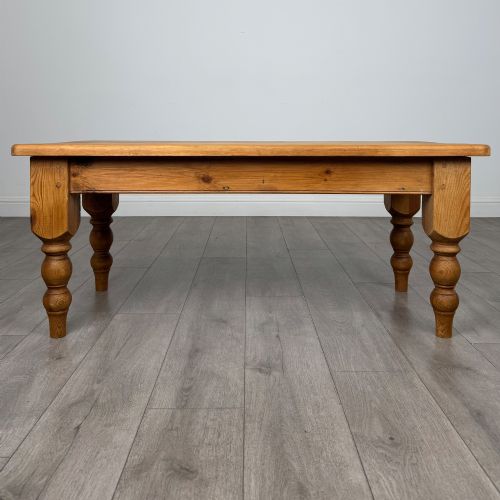
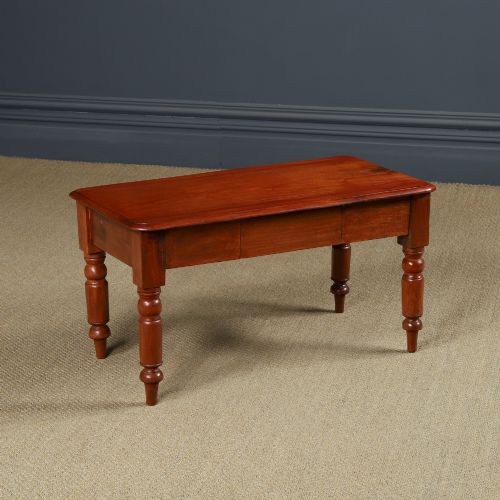
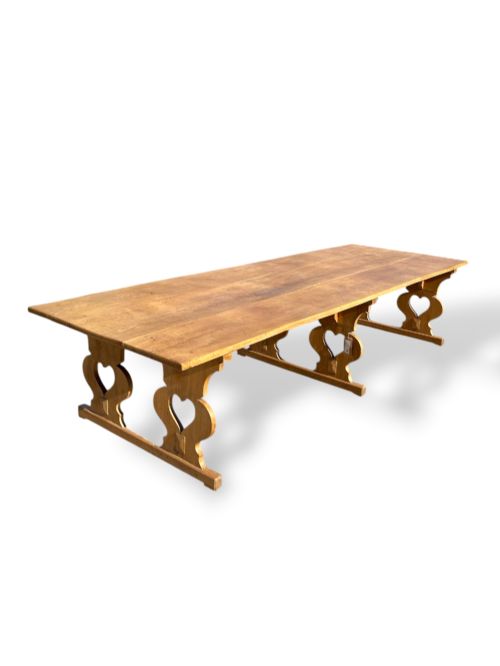
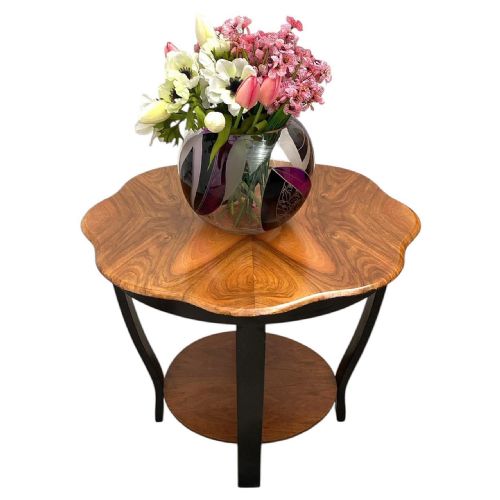
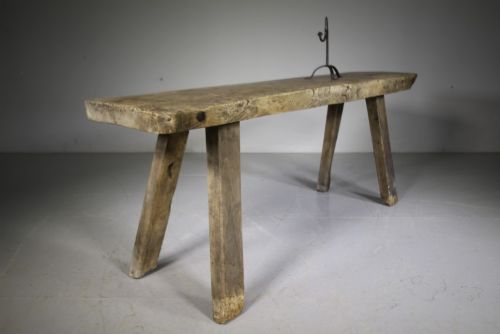
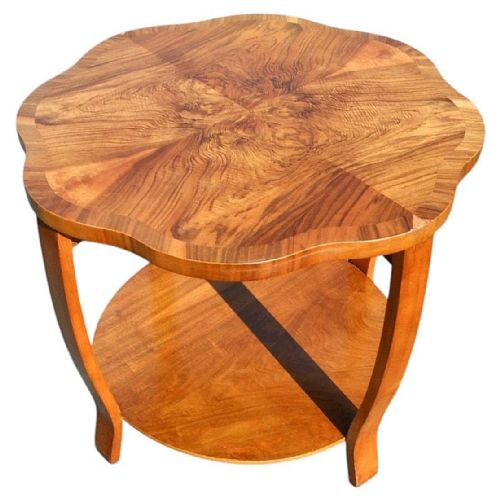
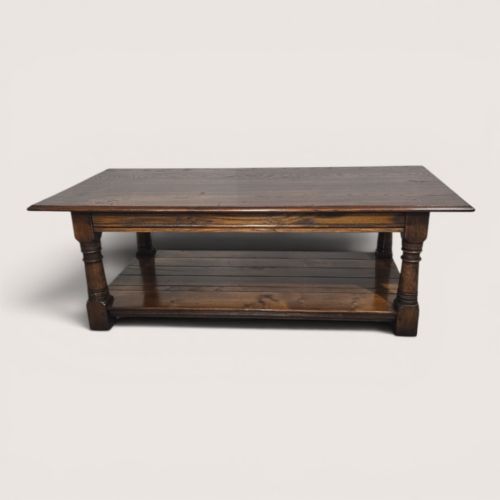
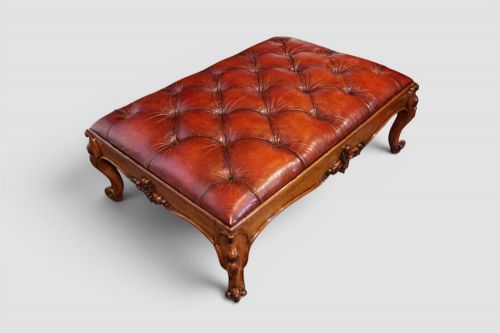
When searching for an english coffee table, buyers encounter a broad spectrum of historical forms that bridge centuries of domestic design. The selection ranges from repurposed antique chests and oak pig benches to dedicated Victorian low tables and streamlined Art Deco walnut pieces.
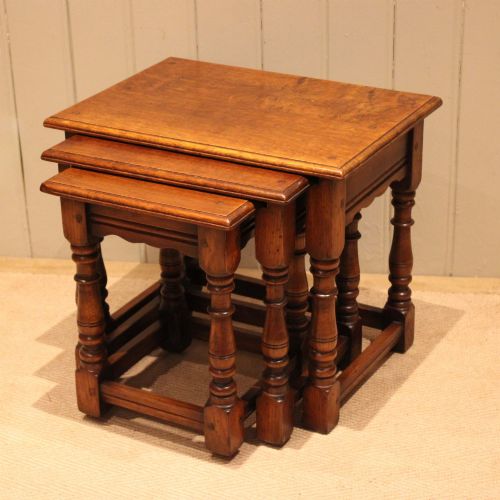
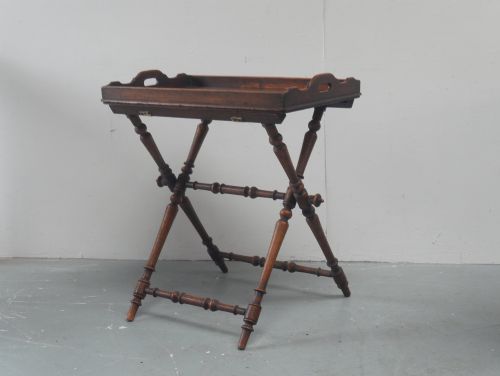
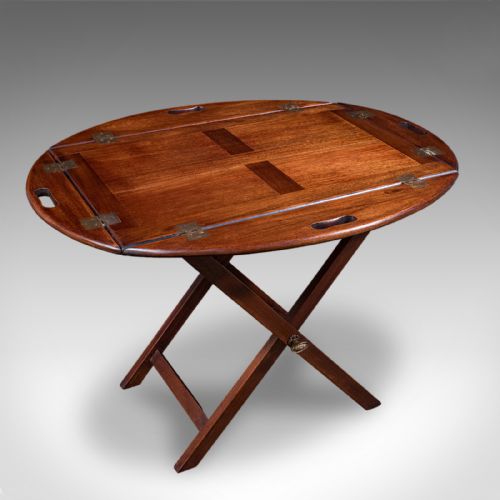
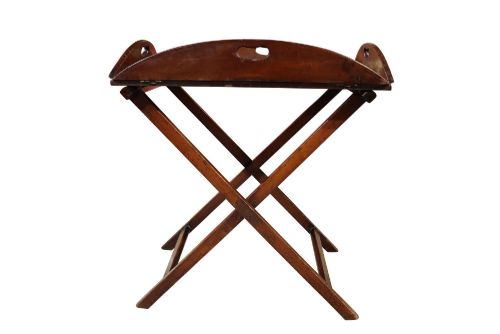
The most common examples on this page derive from converted butler's trays, nests of tables, and low occasional pieces. These formats reflect the evolution of British interior habits from formal entertaining to relaxed, low-level living.
Origins span the eighteenth, nineteenth, and early twentieth centuries, capturing shifts from rustic pine farmhouse styles to sophisticated urban veneer work. Each period contributes distinct proportions and functional adaptations to the modern interior.
Materials and Construction
Traditional construction relies heavily on native hardwoods such as oak, elm, and mahogany, chosen for structural endurance and rich grain patterns. Cabinetmakers utilised dovetail joints, pegged mortise and tenon connections, and sturdy turning to build frames that withstand daily use.
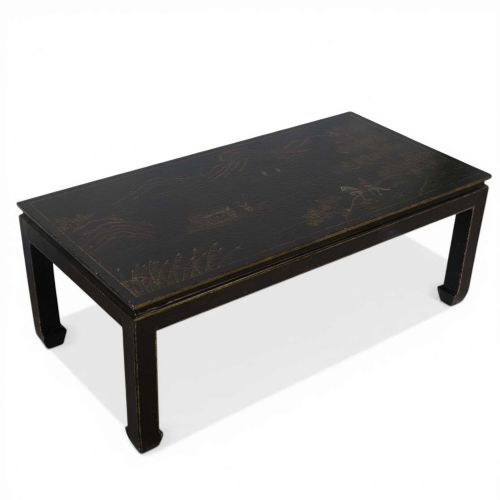
Surface treatments vary from polished French polish on figured walnut to hand-painted lacquer, japanned finishes, and bleached pine. Brass fittings, leather inserts, and inset marble tops appear frequently as functional and decorative accents across Victorian and Edwardian pieces.
Listings feature woods spanning oak, mahogany, walnut, pine, elm, and ash alongside decorative marble, brass, leather, and lacquer finishes.
Judging Quality
Superior pieces display integrity in timber selection, utilising finely figured walnut, quarter-sawn oak, or well-matched mahogany rather than secondary utility woods. The precision of the joinery and the depth of the hand-finished surface distinguish master workshops from mass production.
Proportion and structural balance dictate the success of converted items, such as blanket chests or folding trays mounted on stands. Original hardware, undisturbed patina, and harmonious alterations elevate an antique beyond basic utility.
The English Coffee Table Glossary
- Butler's tray
- A removable wooden serving tray featuring hinged or shaped sides, traditionally set upon a folding X-frame stand. This form adapts easily into a versatile low table.
- Nest of tables
- A graduated set of three or four occasional tables designed to fit neatly beneath one another. They offer flexible surface space in compact sitting areas.
- Pig bench
- A low, heavy wooden bench historically used in rural farmhouses, characterised by thick plank tops and sturdy legs. These pieces find new life as rustic coffee tables.
- Japanned
- A European imitation of East Asian lacquerwork, created by applying layers of dark varnish and decorative painted scenes. It adds a glossy, pictorial finish to furniture.
- Centre table
- A freestanding piece finished on all sides, originally intended to stand in the middle of a room. Their generous proportions make them natural candidates for coffee tables.
English Coffee Table: Frequently Asked Questions
How do I choose the right size?
Consider the scale of your seating arrangement and allow enough clearance for comfortable movement around the perimeter. Lower profiles work well with modern upholstery, while taller tray tables suit traditional settings.
Ensure the length proportional to your sofa, leaving adequate space at each end for access.
Can I use an antique chest as a table?
Many historic blanket chests and shipping trunks serve as functional coffee tables with substantial interior storage. Their flat tops provide a stable surface for everyday items while concealing clutter inside.
Check the height of the chest to ensure it matches standard seating levels for comfortable reach.
What is a nest of tables?
A nest comprises multiple tables of descending size that slide together into a single footprint. They provide expandable surface area for drinks or books without permanently crowding the floor.
Edwardian and Art Deco examples in mahogany or walnut offer particularly neat stacking mechanics.
How do I care for timber surfaces?
Protect antique wood from direct sunlight and excessive heat fluctuations to prevent splitting or fading. Regular application of appropriate wax maintains the lustre of polished walnut and mahogany.
Use coasters under glasses and avoid harsh chemical cleaners that strip historic finishes.