

Rustic Wooden Chest Drawers
These rustic wooden chest drawers offer substantial storage and honest character, bringing practical utility and warm grain to any room.
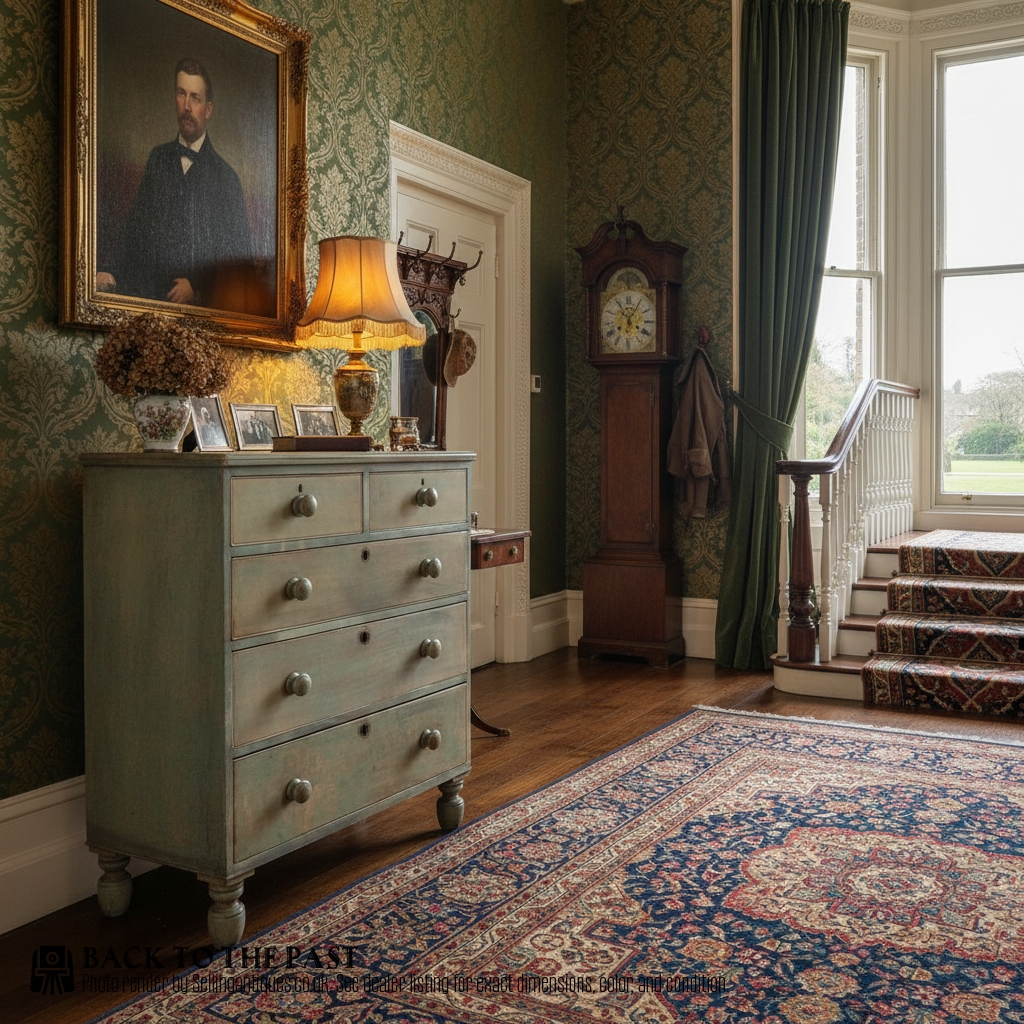
Rustic Wooden Chest Drawers
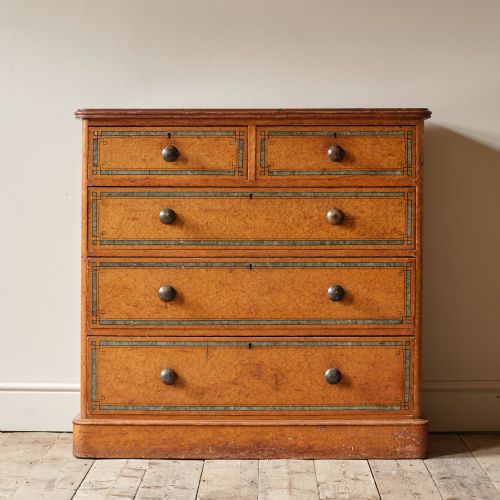
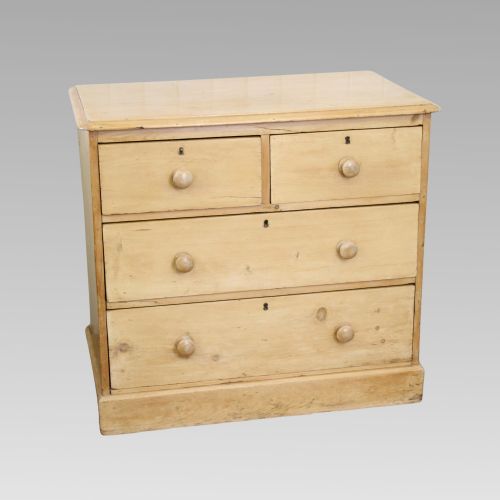
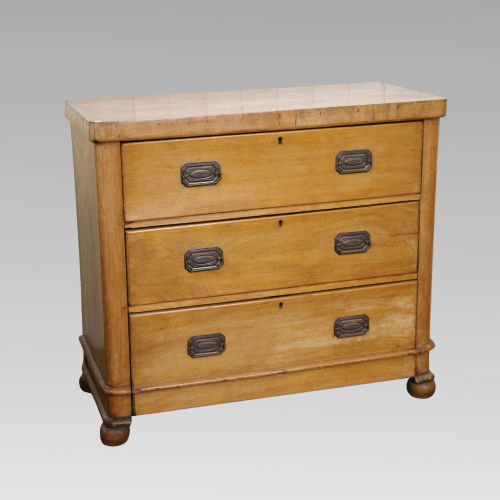
A rustic wooden chest drawers combines utilitarian storage with the straightforward charm of domestic furniture from earlier eras. Buyers searching for this phrase generally find pieces ranging from compact two-drawer boxes to larger multi-drawer configurations.
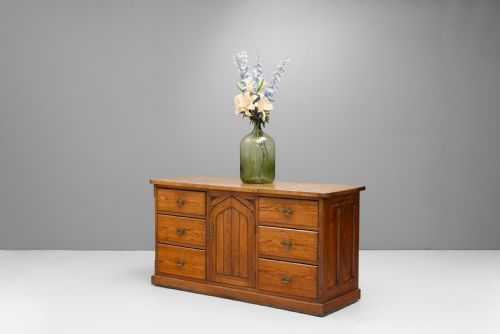
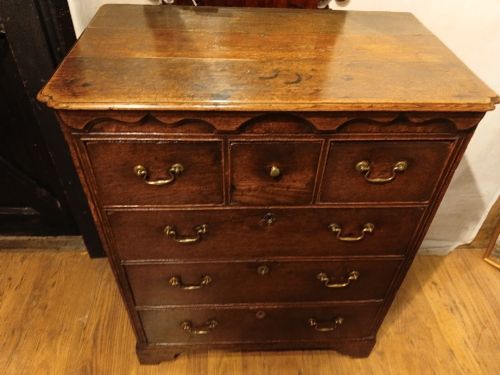
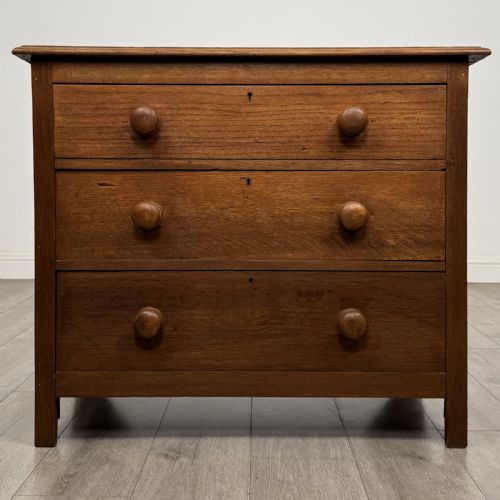
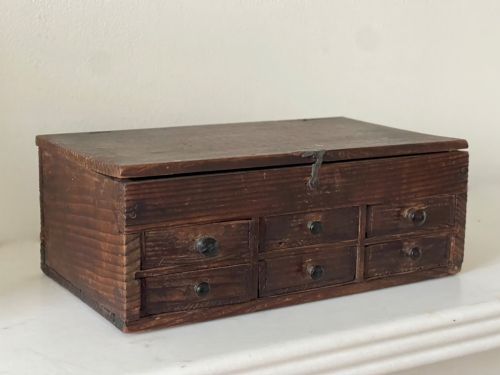
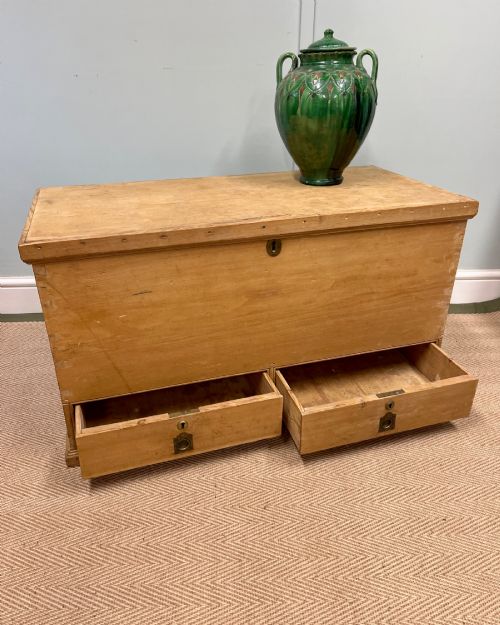
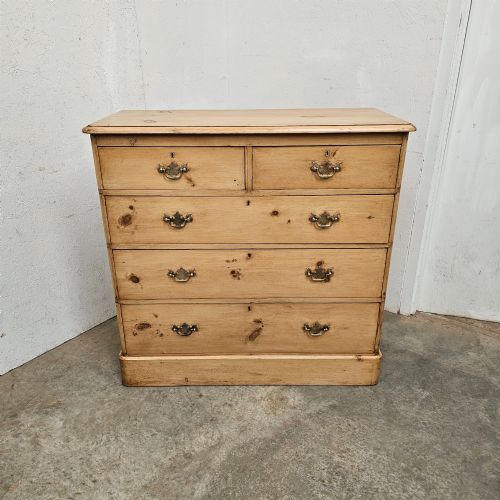
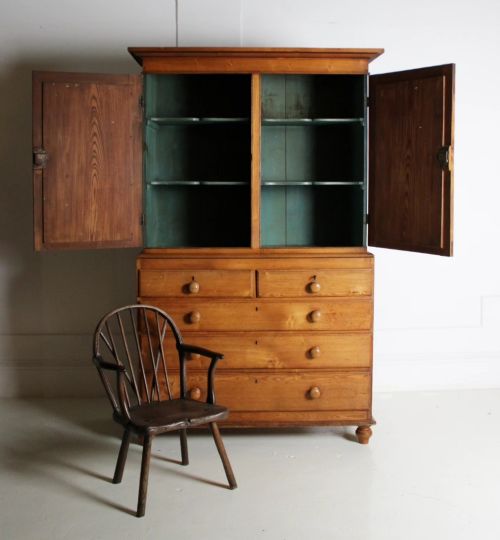
The selections available here predominantly date from the Victorian and Edwardian periods, alongside earlier examples from the eighteenth century. Forms include standard bedroom chests, linen presses, mule chests, and banks of small drawers.
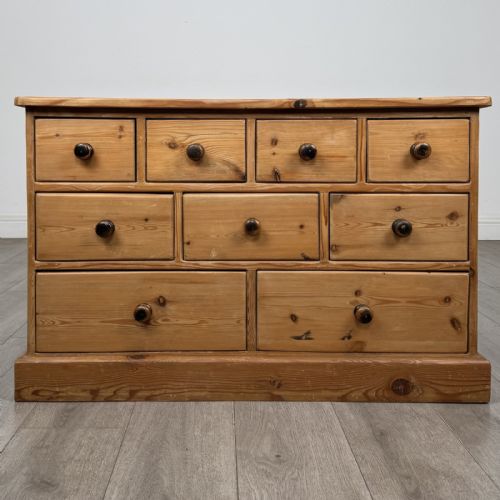
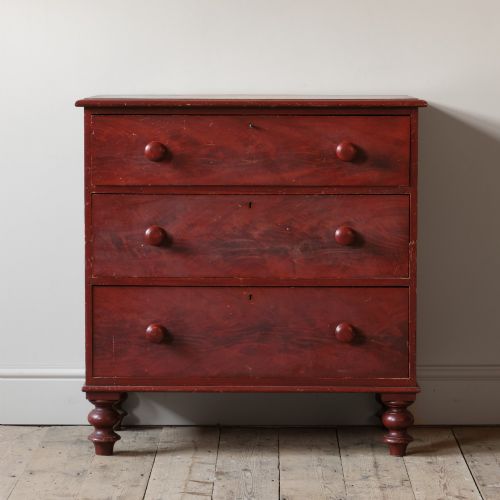
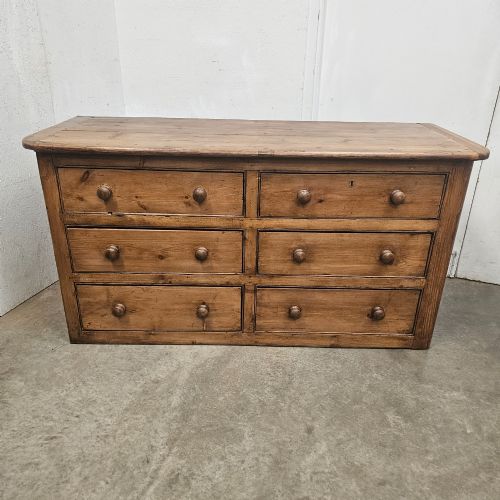
Pine and oak form the backbone of these listings, often finished with wax, scrubbed surfaces, or surviving original paint. Regional variations span English country workshops to French provincial and Hungarian origins.
Materials and construction methods
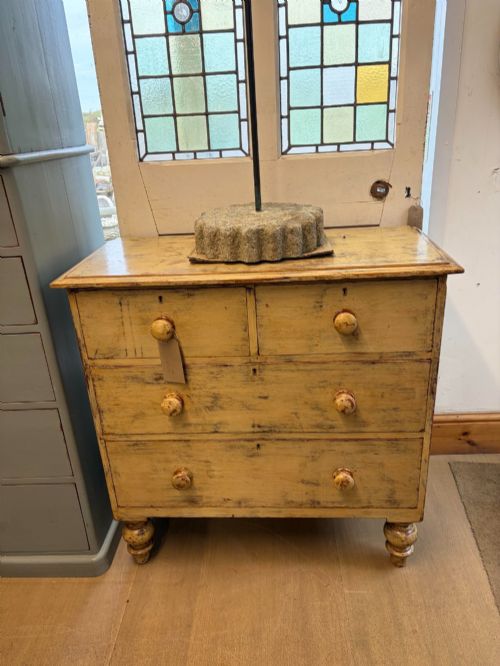
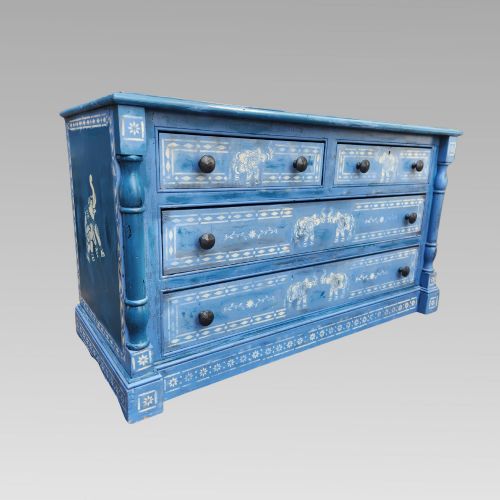
Makers relied on solid timbers such as pine, oak, pitch pine, and fruitwood to build durable furniture intended for everyday domestic use. Surfaces were frequently left waxed, scrubbed down to the bare grain, or coated in traditional paint finishes.
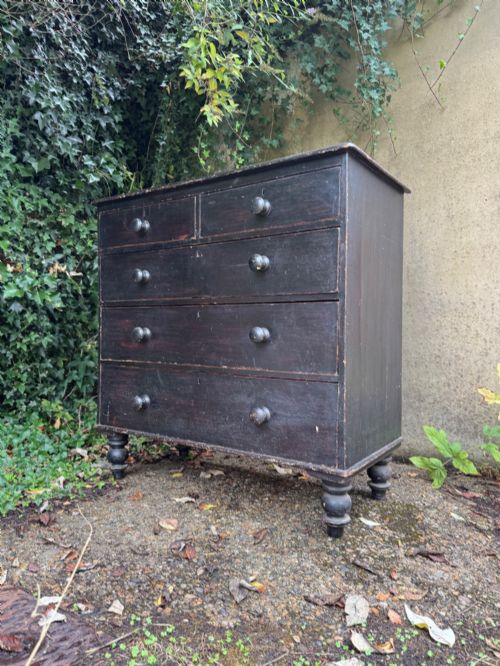
Hardware typically comprises simple metal or brass pulls, iron fittings, and turned wooden bun handles. Construction methods reflect traditional joinery suited to heavy daily wear in kitchens, bedrooms, and utility rooms.
Rustic Wooden Chest Drawers Retail Price Guide 2026
Typical asking prices for rustic wooden chest drawers among the pieces listed under this phrase on Sellingantiques today, from the lower quarter to the upper quarter. They describe what is for sale here now, not the wider market.
Object forms on this page range from standard bedroom chests and mule chests to specialised kitchen dresser bases and spice drawers.
Assessing quality in regional storage
Quality rests in the integrity of the timber, the thickness of the drawer boards, and the retention of original surfaces like early paint or deep historic wax. Well-proportioned scaling and uncompromised internal construction elevate certain examples above standard utility pieces.
The presence of original handles, intact backboards, and smooth-running drawers distinguish superior items. Age-related patination accumulated through generations of use provides the visual depth that collectors value.
Luxmore's of Ilfracombe
The Rustic Wooden Chest Drawers Glossary
- Pine
- A softwood commonly used for domestic furniture throughout the eighteenth and nineteenth centuries. It takes wax polish well and appears frequently in painted country pieces.
- Pitch pine
- A harder, resinous variety of pine known for a pronounced grain pattern and robust durability. It was frequently utilised for heavy-use Victorian furniture.
- Mule chest
- A storage chest fitted with one or more drawers at the base beneath the main compartment. This form bridges the evolution between traditional blanket chests and modern drawer units.
- Bun handle
- A small, rounded wooden knob attached to drawer fronts. These turnings are characteristic of nineteenth-century vernacular furniture.
- Scrubbed pine
- Timber that has been thoroughly washed and cleaned of old finishes to expose the pale, natural grain. This treatment creates a clean, matte surface popular in country interiors.
Rustic Wooden Chest Drawers: Frequently Asked Questions
What periods do these chests cover?
The listings span from the eighteenth century through the Georgian, Victorian, and Edwardian eras up to the early twentieth century. Most examples date from the nineteenth century.
Construction styles shift gradually across these periods, moving from earlier joined oak and painted pine coffer forms to standardised multi-drawer bedroom furniture.
How do I maintain a waxed pine surface?
Apply a natural beeswax paste sparingly with a soft cloth and buff gently after a short period. Avoid placing wooden furniture near direct heat sources to prevent timber splitting.
Regular polishing maintains the protective barrier against moisture and preserves the warm historic patination built up over decades.
Are original paint finishes common?
Several pieces retain surviving layers of historic paint in grey, black, or natural tones applied during their working lives. These pigmented surfaces offer a distinct alternative to waxed or scrubbed wood.
Original paint requires gentle cleaning with mild solutions rather than harsh solvents to safeguard the underlying pigment and historic texture.