

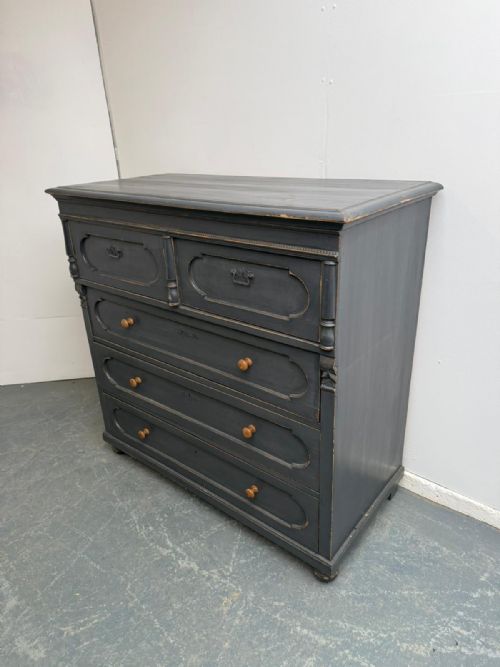


Victorian 2 Over 3
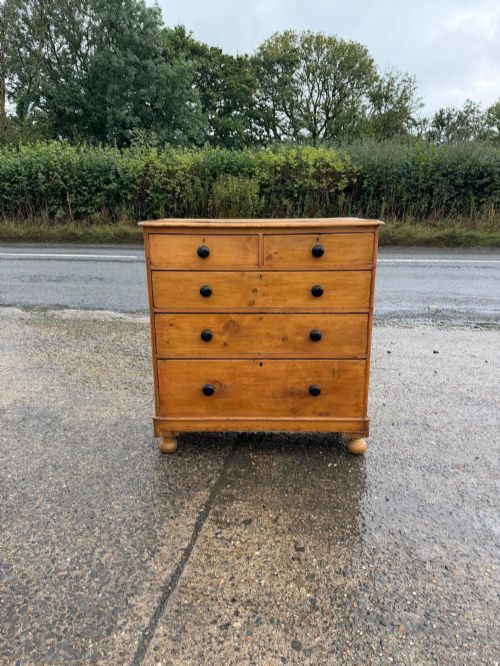
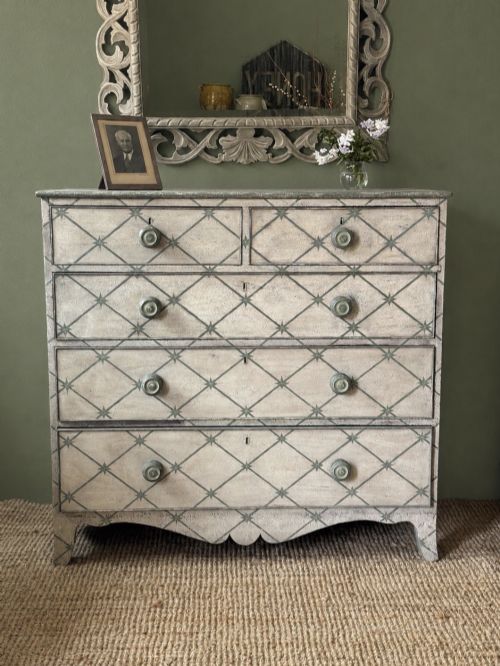
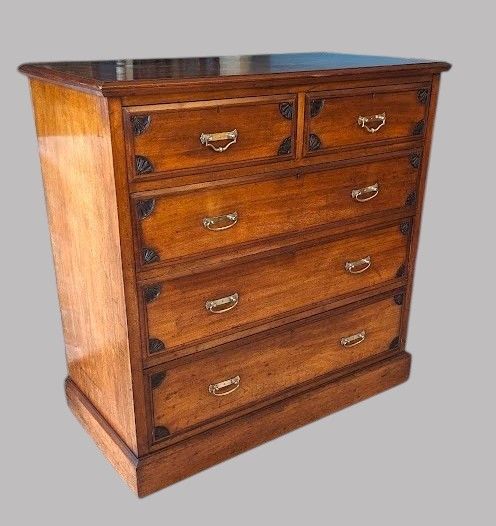
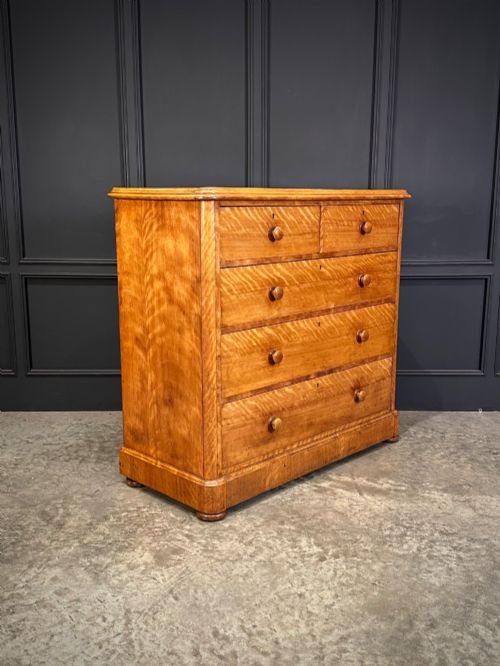
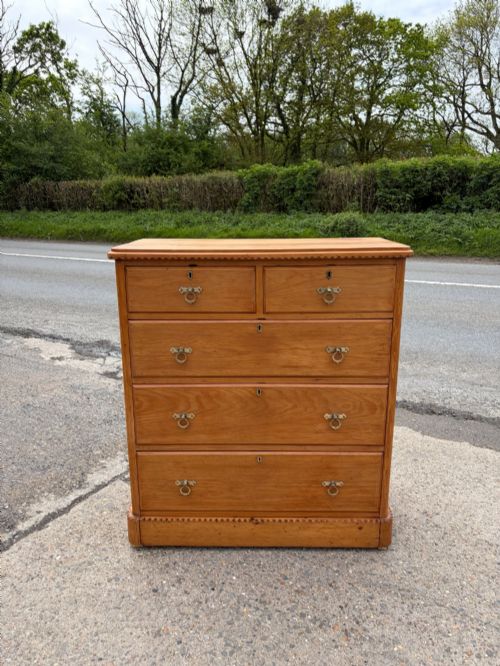
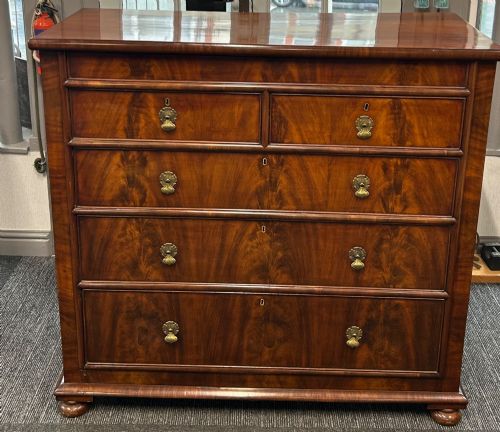
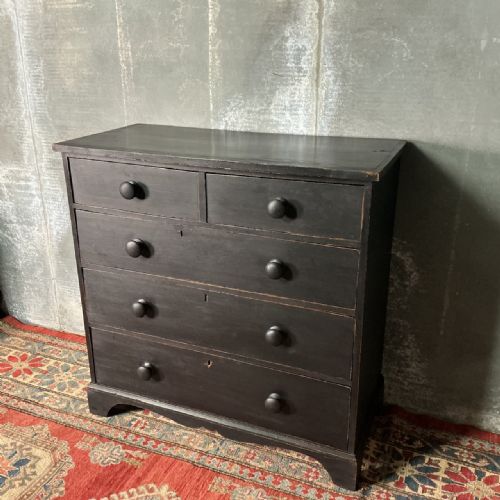
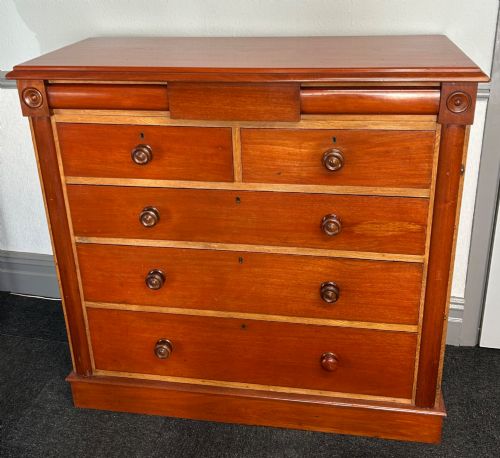
Victorian 2 over 3 furniture pieces are classic bedroom chests built with a smaller pair of drawers above three wider ones.
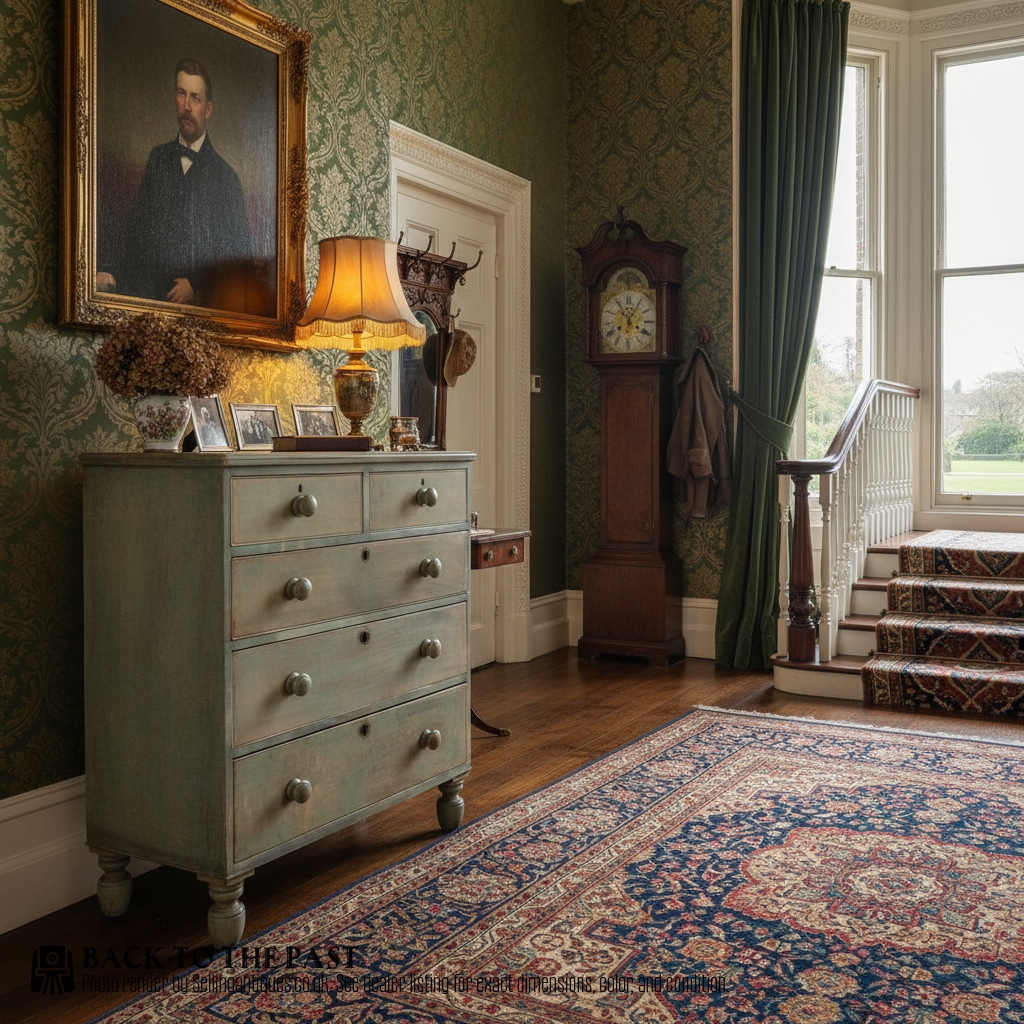
Victorian 2 Over 3
When you search for Victorian 2 over 3, you are looking at nineteenth-century bedroom storage furniture constructed with two short drawers positioned above three full-width drawers. These pieces are robust domestic items designed to hold clothing and household linens in period interiors.
The version you are most likely to meet on this page is a chest of drawers made from pine or mahogany, often featuring turned bun handles and sometimes built with a curved bow front. The evidence shows these storage pieces originating across the nineteenth century, spanning early, mid, and late Victorian periods.
While chests of drawers dominate this configuration, the wider nineteenth-century context includes occasional variations like tall chests and dressing furniture incorporating the same distinctive proportion. These items reflect the practical domestic storage needs of the period through straightforward timber construction.
How They Were Made
Cabinet makers constructed these storage pieces using solid timbers like pine, oak, and mahogany, frequently applying flame mahogany or burr walnut veneers to primary surfaces. Interiors and drawer linings often utilised secondary woods, while decorative elements relied on boxwood stringing, brass fittings, and porcelain knobs.
Construction techniques combined traditional joinery with turned wooden elements such as bun handles and inlaid pulls. Surface finishes included paint, stencilling, and polished wood grains, highlighting the natural figure of the timber.
The material record on this site includes pine, mahogany, walnut, burr walnut, brass, and paint across nineteenth-century items.
What Varies in Quality
The distinction between standard domestic pieces and finer examples rests on the selection of timber and the sophistication of the cabinet work. Pieces utilising figured veneers like flame mahogany or burr walnut indicate a higher grade of manufacture than utilitarian painted or plain pine items.
Execution of secondary details, such as inlaid stringing, carved accents, and original turned or porcelain hardware, separates everyday functional items from superior workshop productions attributed to notable makers.
Heal & Son·Howard and Sons
The Victorian 2 Over 3 Glossary
- Bow front
- A convex curved cabinet front that projects outward, frequently seen on nineteenth-century mahogany chests of drawers. This shape required advanced woodworking skill to bend timber and shape drawer boxes.
- Bun handle
- A small, rounded wooden pull shaped like a bun, attached to the face of a drawer. These turned pulls are typical of nineteenth-century pine and mahogany bedroom furniture.
- Flame mahogany
- A distinct veneer cut from the branch junction of a mahogany tree, showing a flamed or feather-like grain pattern. Cabinet makers used this decorative wood on the primary drawer fronts of high-grade furniture.
- Stringing
- A narrow strip of contrasting wood inlaid into the surface of a piece to create decorative borders. This technique adds linear detail to the edges of drawers and tabletops.
- Overmantel mirror
- A large decorative mirror designed to hang above a fireplace mantelpiece. These nineteenth-century items often feature gilt frames and arched crests.
Victorian 2 Over 3: Frequently Asked Questions
What is a 2 over 3 chest?
A 2 over 3 chest is a traditional nineteenth-century drawer configuration featuring two smaller side-by-side drawers at the top, positioned directly above three wider drawers spanning the full width of the furniture.
This symmetrical arrangement provides practical compartmentalised storage for smaller garments at the top and bulkier items below.
Were these chests painted originally?
Many nineteenth-century pine chests of drawers received painted finishes or stencilling during their working life, either for domestic decoration or to mimic more expensive cabinet woods.
Painted surfaces reflect the utilitarian history of secondary bedroom furniture from the period.
How do I date a Victorian chest?
Dating relies on observing construction materials, handle types, timber choices, and secondary woods used in the drawer linings. Early examples often feature mahogany and distinct porcelain or wood knobs, while later items incorporate different veneers and decorative stringing.
Matching stylistic markers to documented periods helps narrow the decades of production.
How do I care for antique pine?
Antique pine furniture requires stable indoor humidity levels and protection from direct sunlight to prevent the timber from drying out or splitting. Gentle dusting and occasional waxing help maintain the dry-scoured or polished surface finish.
Harsh chemical cleaners should be avoided to preserve the historic patina of the wood.