





Rustic Painted Commode
A rustic painted commode brings enduring folk character and functional storage into a room through aged surfaces and robust timber construction.
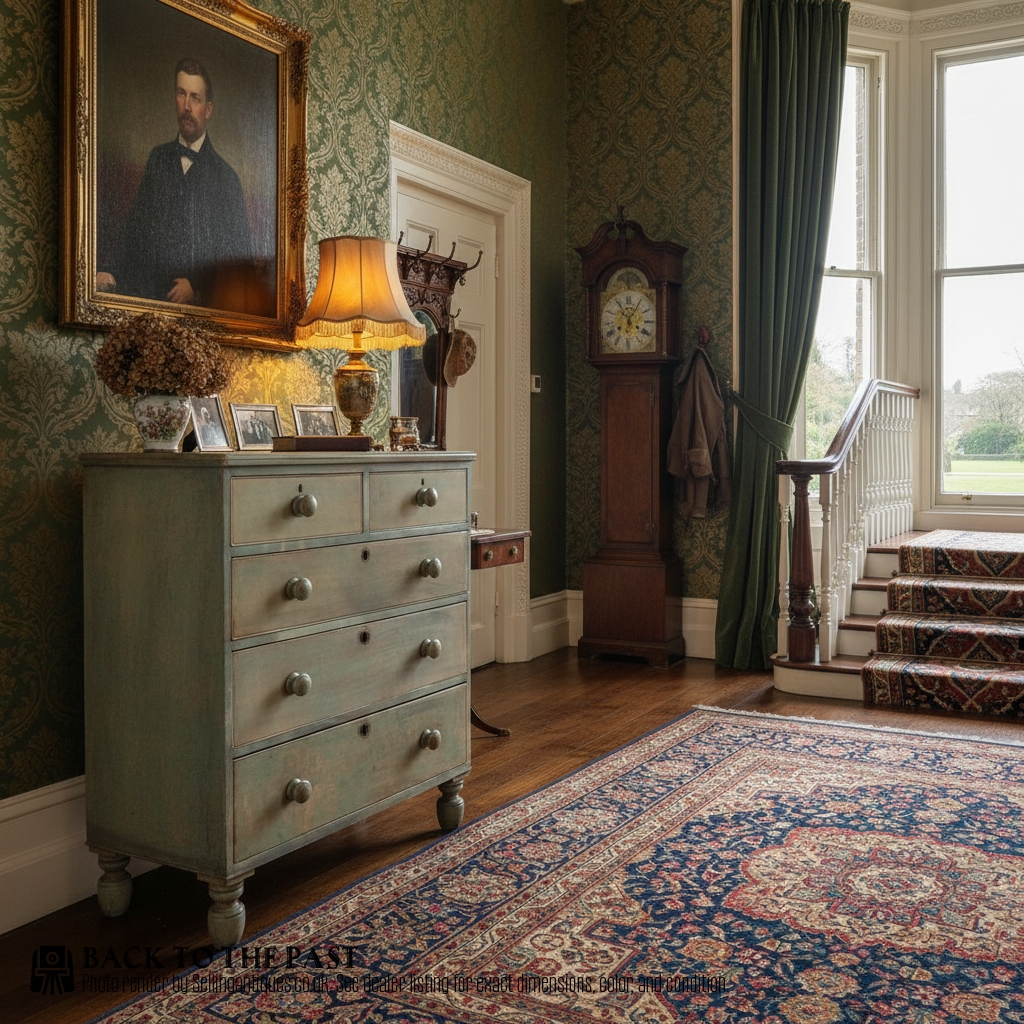
Rustic Painted Commode
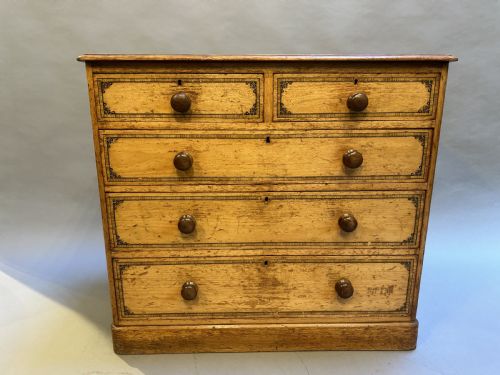
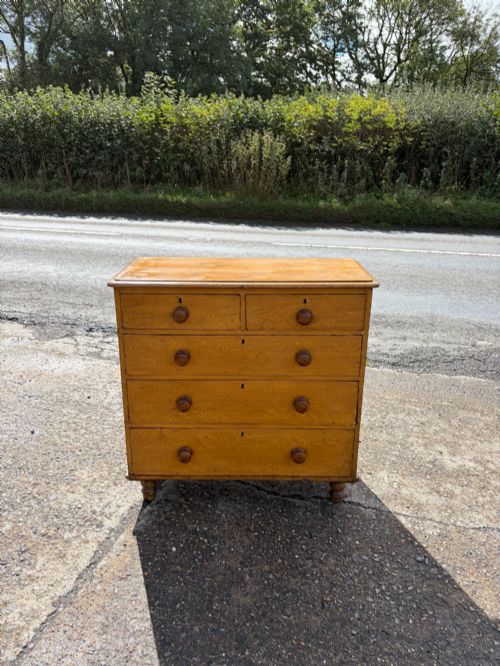
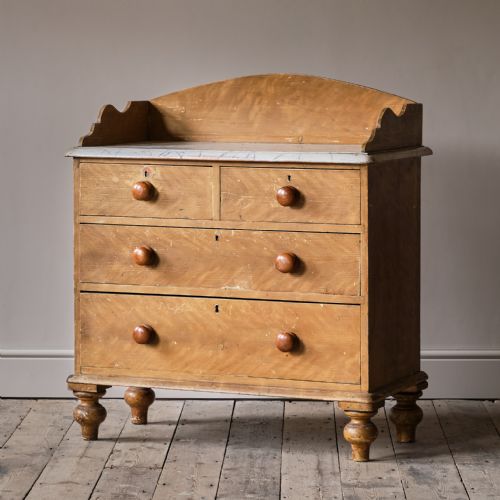
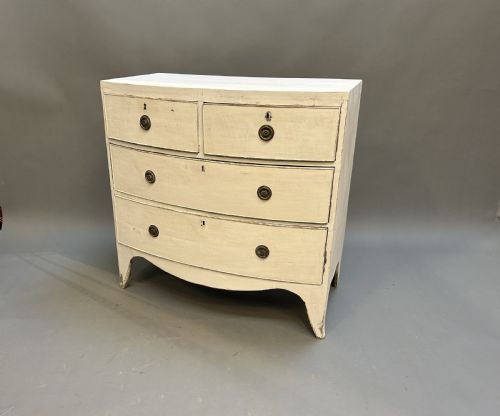
A rustic painted commode encompasses traditional chests of drawers, cupboards, and washstands primarily encountered in pine and painted wood. These pieces emerge predominantly from Victorian and 19th century periods, drawing on English, Scandinavian, Italian, and Hungarian country styles.
Buyers exploring this category encounter sturdy utilitarian furniture designed for domestic storage rather than formal display. The selection ranges from compact two-over-two drawer arrangements to tall five-drawer configurations and enclosed cupboards.
Regional diversity shapes the selection on this page, with distinct contributions from Swedish, Danish, Austrian, and Hungarian makers. Each piece displays the honest utility of European folk art and country craftsmanship.
Determining quality and character
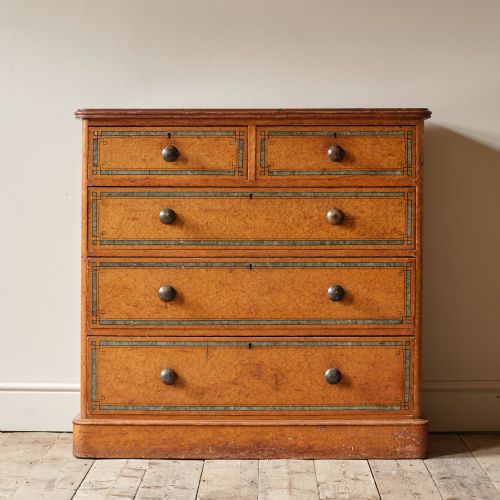
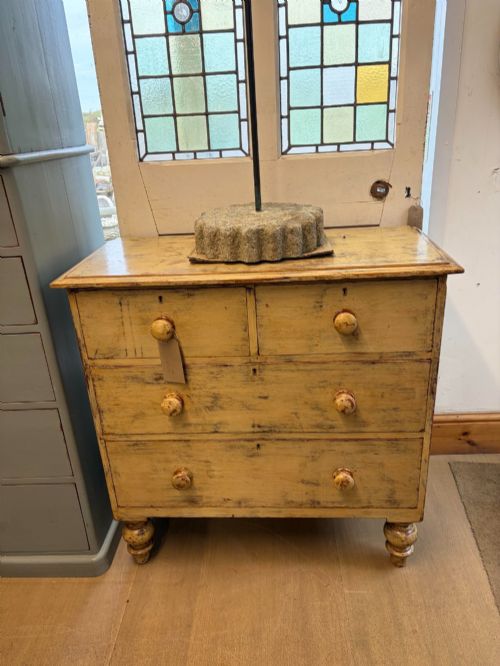
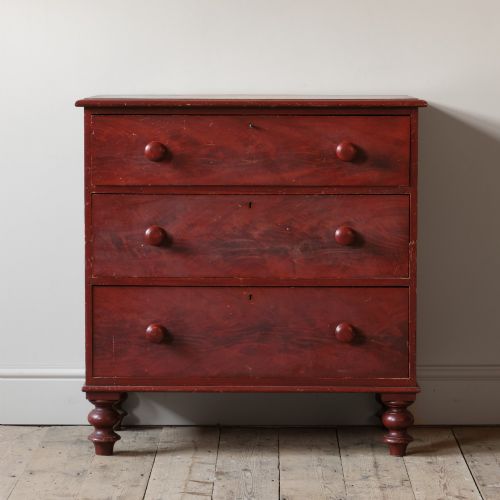
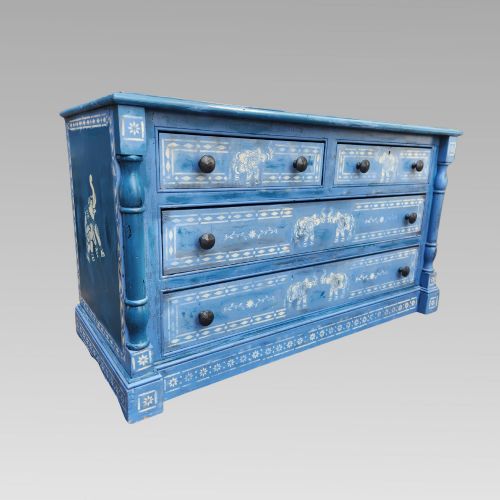
Quality rests in the integrity of the original paint surface and the preservation of authentic patination over the pine timber. Pieces retaining undisturbed scumble glazes, early stencilling, or untouched historical pigment carry distinct character.
Structural proportion and drawer configuration also dictate the standing of a piece, from simpler washstands to massive multi-drawer chests. The harmony between the underlying woodwork and the surviving decorative scheme defines the overall merit.
Rustic Painted Commode Retail Price Guide 2026
Typical asking prices for rustic painted commode among the pieces listed under this phrase on Sellingantiques today, from the lower quarter to the upper quarter. They describe what is for sale here now, not the wider market.
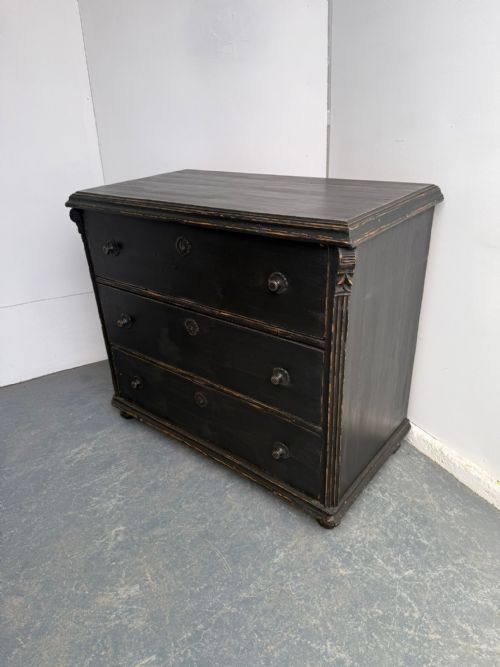
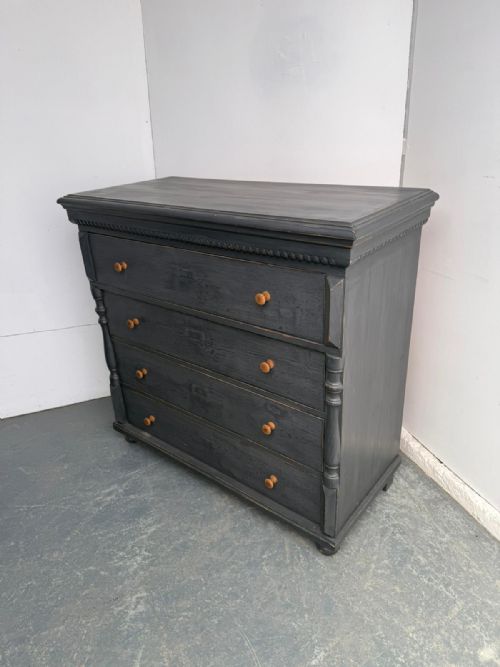
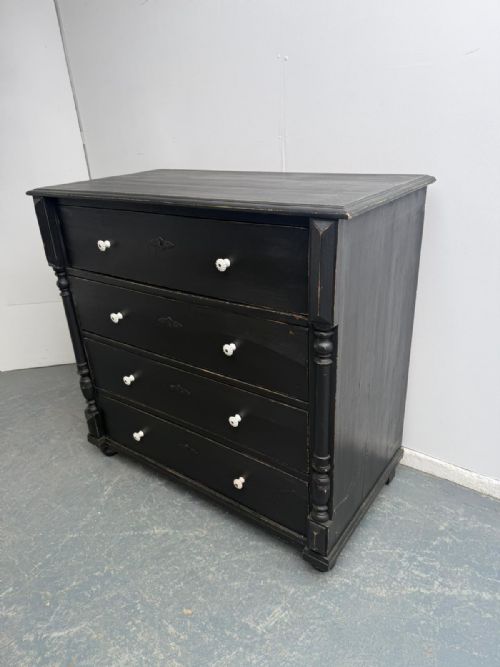
Several Hungarian chests arrive wearing coats of black paint that have weathered decades of rural domestic life.
The Rustic Painted Commode Glossary
- Commode
- A low cabinet or chest of drawers used for domestic storage. In country furniture contexts, this term often describes decorative chests and washstands.
- Scumble paint
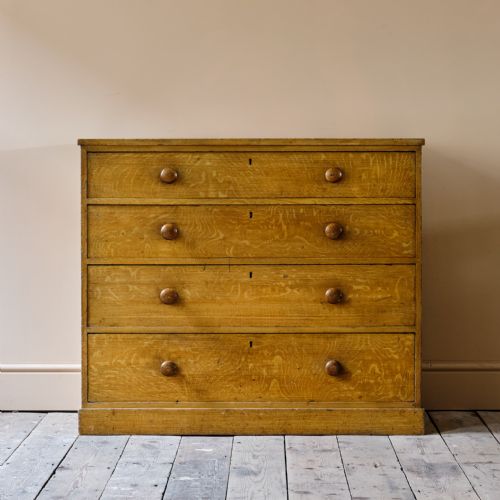
- A translucent or opaque glaze technique applied over a base coat and manipulated with combs, rags, or brushes to simulate grain or create mottled textures. This decorative finish appears frequently on nineteenth-century country pieces.
- Pine
- A softwood utilised extensively for regional European furniture due to its availability and workability. It serves as the primary structural timber for these painted chests and cupboards.
- Folk art
- Artistic expressions created within traditional community cultures, often by self-taught makers. European examples in this category display distinctive regional painting traditions.
Rustic Painted Commode: Frequently Asked Questions
How do I date a rustic painted commode?
Dating relies on examining construction techniques, drawer dovetailing, and the composition of the timber and pigments used. Nineteenth-century pieces typically exhibit hand-cut joints alongside period-specific paint layers.
Changes in hardware, such as brass pulls or iron fittings, also help establish the era of manufacture. Comparing these elements against known regional styles clarifies the age of the piece.
Where were these painted commodes made?
These pieces originate from various European regions, including England, Sweden, Denmark, Italy, Austria, and Hungary. Each area developed distinct vernacular furniture traditions.
Local aesthetic preferences influenced the choice of colours, scumble techniques, and stencilling designs. This regional diversity creates a broad spectrum of folk styles within the same furniture category.
How do I care for original painted surfaces?
Preserving original paint requires avoiding harsh chemical cleaners and modern solvents that can strip historical pigments. Gentle dusting with a dry microfibre cloth is generally sufficient for routine maintenance.
Keep the timber away from direct heat sources and extreme humidity fluctuations to prevent wood movement. Wax should be applied only if the specific finish type warrants it.
What is scumble paint?
Scumble paint involves applying a translucent tinted glaze over a lighter base coat and working the wet medium with tools to create patterned textures. This technique was popular in the nineteenth century to imitate more expensive hardwoods.
Country craftsmen utilised scumbling to give plain pine furniture a richer, highly decorative appearance. Over time, these layers wear down to reveal the varied tones beneath.