
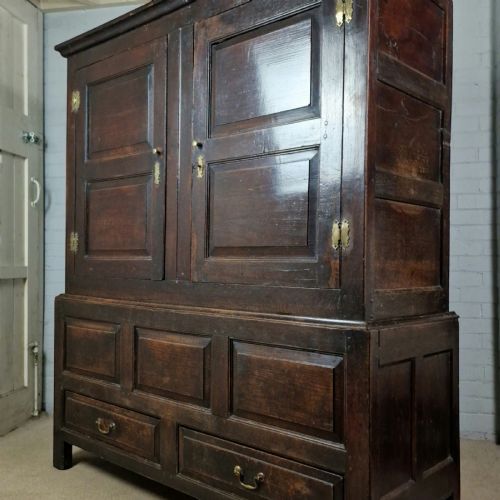
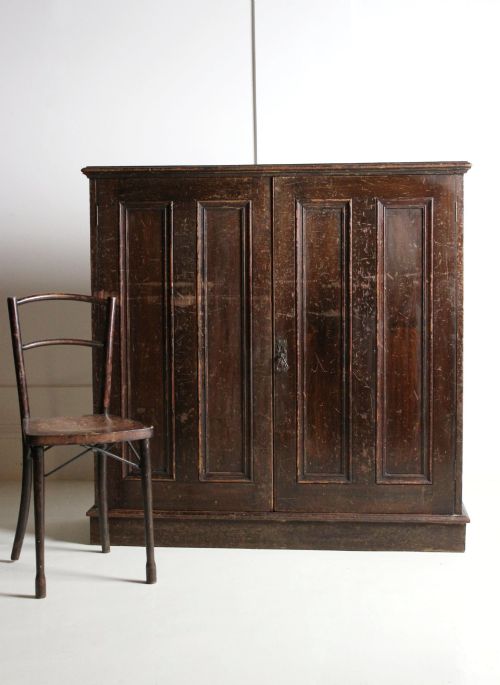
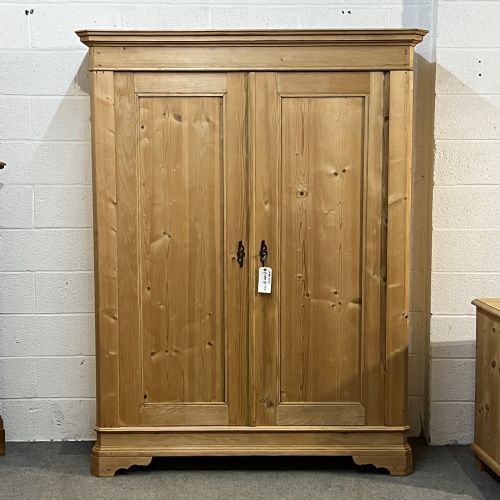
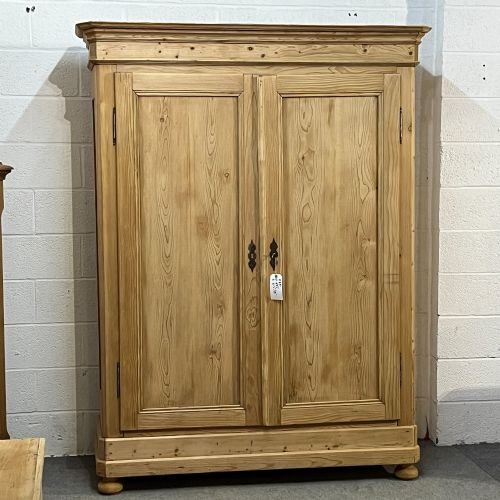
Rustic Wooden Armoire
These rustic wooden armoire designs offer substantial storage through solid timber construction, bringing time-worn character and practical presence into modern interiors.
Rustic Wooden Armoire
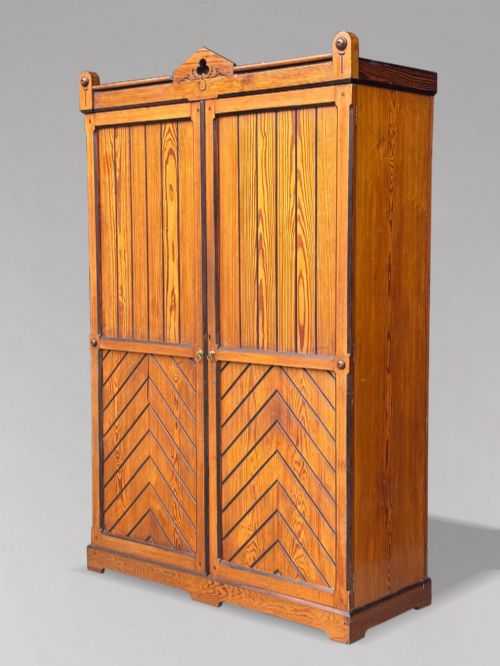
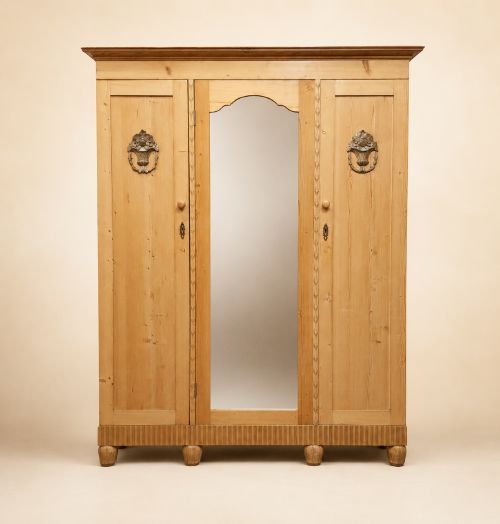
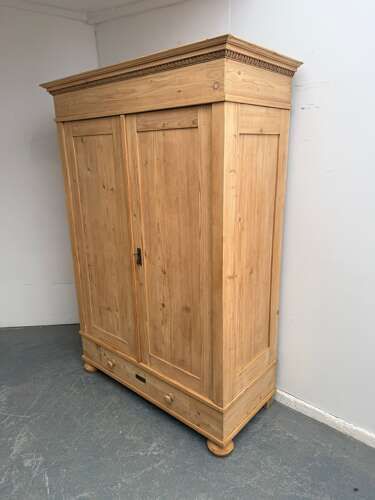
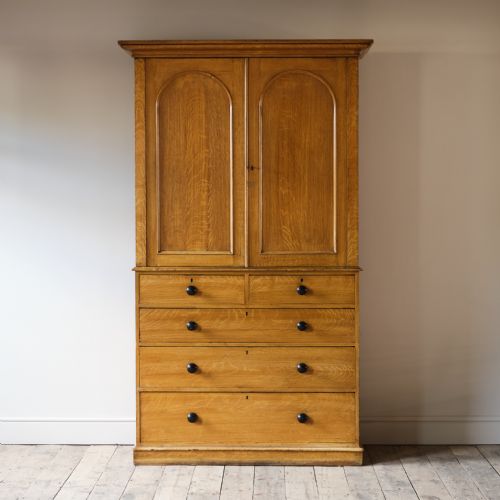
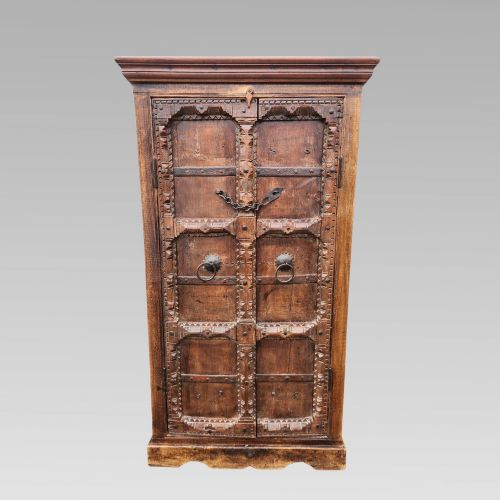
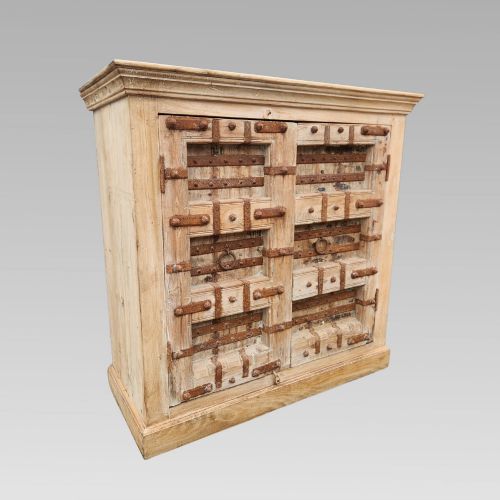
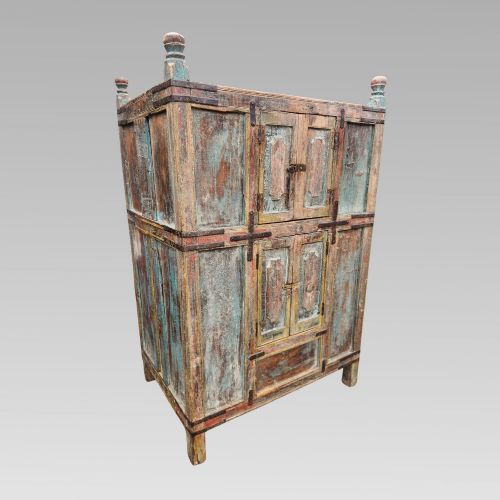
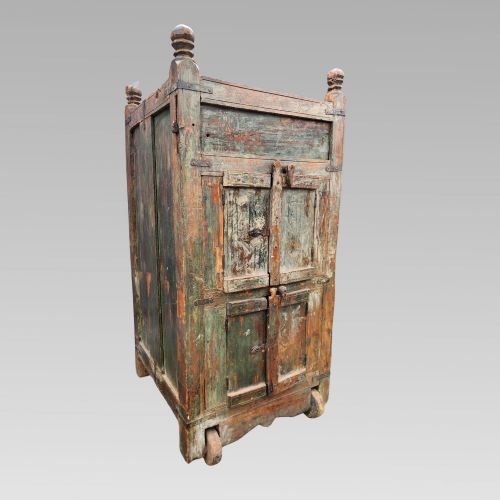
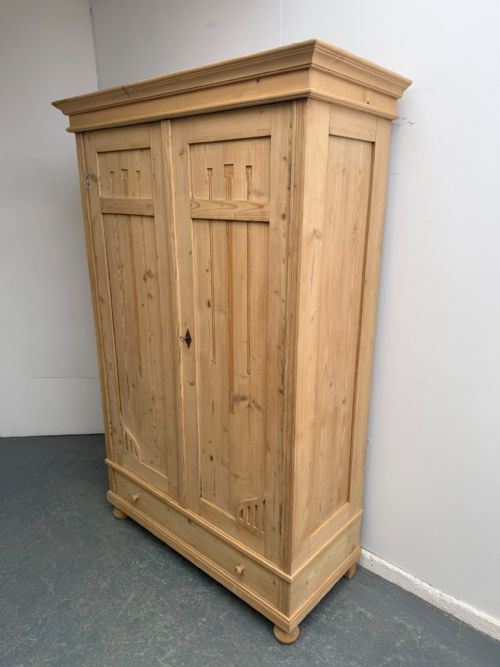
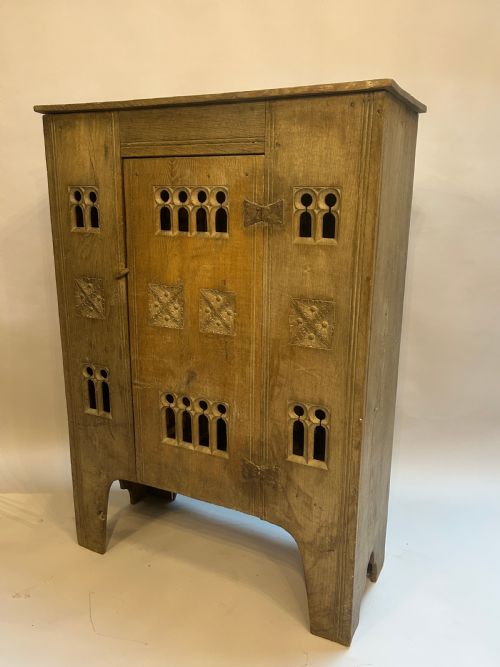
A rustic wooden armoire search encompasses tall storage cupboards, large wardrobes, and linen presses originating from the seventeenth century through to the early twentieth century. These pieces emerge from diverse regional traditions, including French provincial workshops, Scandinavian farmhouses, Hungarian villages, and Indian artisan communities.
The selection on this page relies heavily on pine, oak, and teak, appearing in both natural waxed finishes and original or later painted surfaces. Buyers encounter double-door knockdown wardrobes, single-door cupboards, and heavy-timbered almirahs designed for domestic storage.
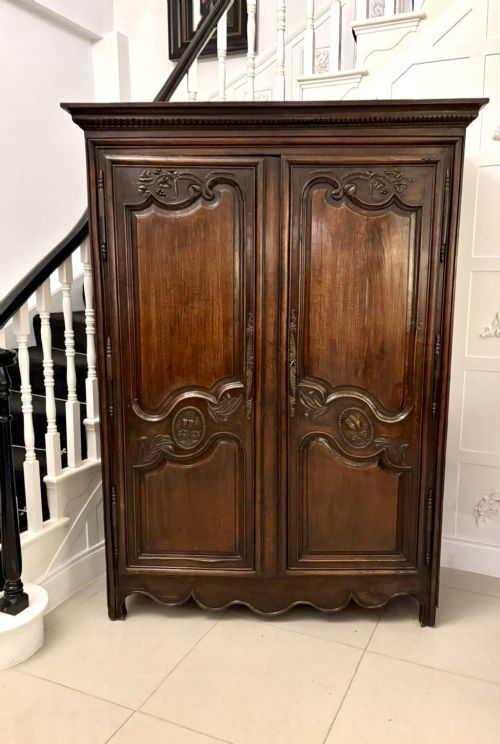
Formats range from austere utilitarian furniture to intricately carved regional examples featuring traditional iron hardware and blacksmith hinges. Each item serves as a major focal point for bedroom or hallway placement, combining historical utility with robust tactile presence.
How they were made
Cabinetmakers utilised heavy native timbers such as pine, oak, ash, walnut, and chestnut, supplemented by reclaimed teak and cedar in Indian workshops. Construction methods prioritised durability, often employing knockdown frames that allowed large wardrobes to be disassembled and moved between rooms.
Iron and brass hardware, including hand-forged blacksmith hinges and traditional locks, secure the heavy timber doors. Surfaces received various treatments, from clear wax to protect the natural grain to heavy layers of original paint or decorative pigments.
Listings span eight distinct decades and centuries, featuring native European pines alongside reclaimed Indian teak and cedar.
What varies in quality
The distinction between standard utility items and exceptional pieces rests upon the integrity of the original timber and the survival of untouched surface treatments. Early ironwork, original blacksmith locks, and untouched regional paint elevate a piece far above standard utilitarian storage.
Proportion and decorative ambition also divide the range, separating plain farmhouse cupboards from finely carved French provincial armoires or detailed Arts and Crafts wardrobes. The retention of original knockdown mechanisms and structural stability determines long-term utility.
The Rustic Wooden Armoire Glossary
- Armoire
- A tall cupboard or wardrobe used primarily for hanging or folding garments. Historically built with deep proportions to accommodate heavy textiles.
- Knockdown wardrobe
- A large piece of furniture constructed to be taken apart into modular sections for ease of transport. These items utilise peg or wedge joints rather than permanent glue.
- Linen press
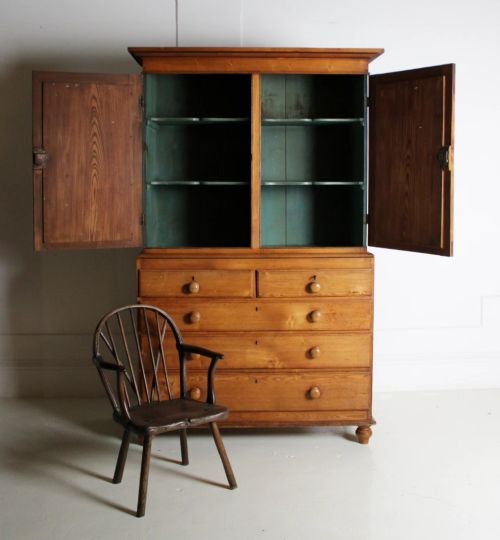
- A tall cupboard featuring upper shelving for folded linens and lower drawers for additional storage. These are commonly found in native hardwoods such as pine and oak.
- Almirah
- A regional term for a freestanding cabinet or wardrobe originating from India. They frequently utilise reclaimed teak or cedar with substantial metal bindings.
- Marriage cupboard
- A celebratory painted storage piece commissioned for weddings in European traditions. These items often display specific dates, initials, or decorative regional motifs.
Rustic Wooden Armoire: Frequently Asked Questions
How do I assemble a knockdown wardrobe?
Knockdown wardrobes utilise interlocking panels, wooden pegs, or internal metal brackets that allow the main frame to be taken apart without traditional tools.
Carefully align each section according to the original numerical or lettered markings left by the historical maker before securing the top cornice and base.
Are these wardrobes suitable for modern clothing hangers?
Many older wardrobes were originally built with deep shelves rather than modern hanging rails, owing to the historical practice of folding garments.
Depth varies by period, so purchasers often install removable wooden rails or utilise existing shelf configurations for folded storage.
How should I care for a painted pine surface?
Painted antique surfaces require minimal intervention, avoiding modern chemical solvents or abrasive cleaners that can strip historical pigment.
Dust gently with a dry microfiber cloth and protect the timber from direct sunlight and excessive humidity fluctuations to preserve the finish.
What is the difference between an armoire and a linen press?
An armoire provides vertical hanging space behind full-length doors, whereas a linen press combines interior shelving with external drawers at the base.
Linen presses were traditionally designed for household textiles, while armoires accommodated full garments.