


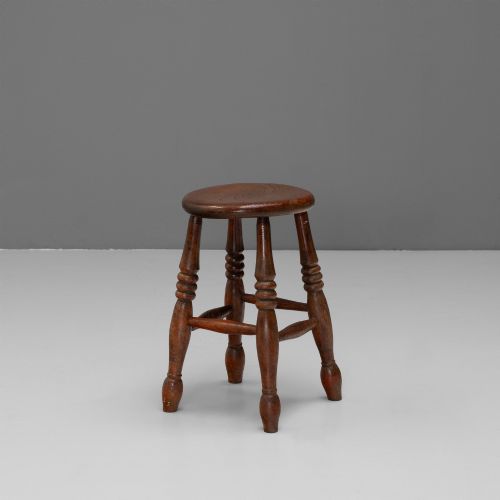
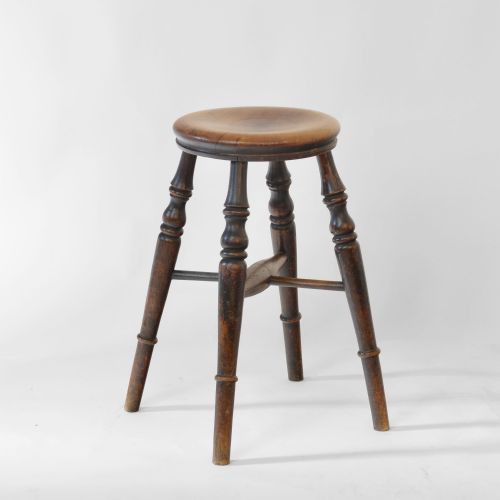
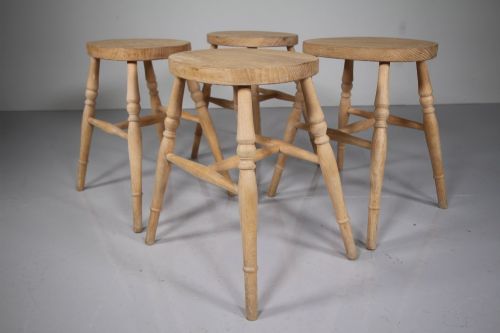
Rustic Turned Leg Stool
A rustic turned leg stool brings honest character to a room, offering simple utility shaped from solid timber over generations.
Rustic Turned Leg Stool
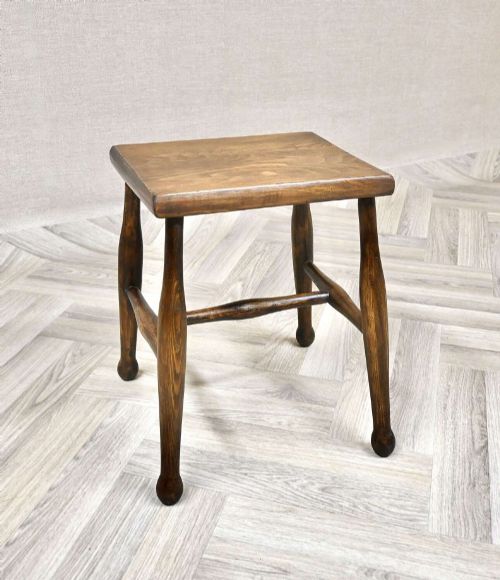
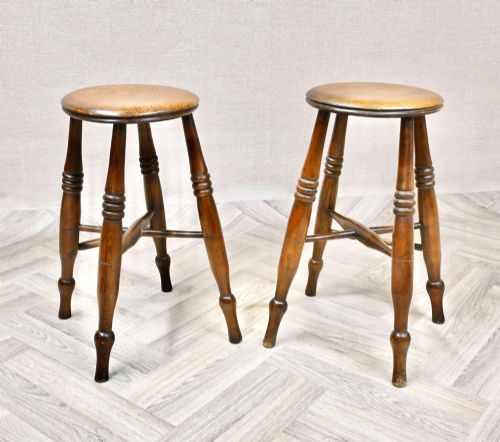
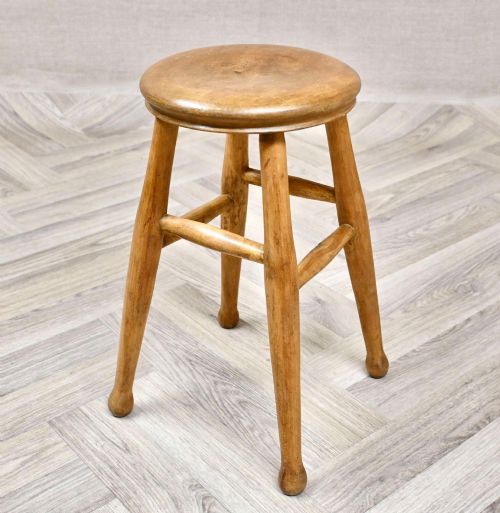
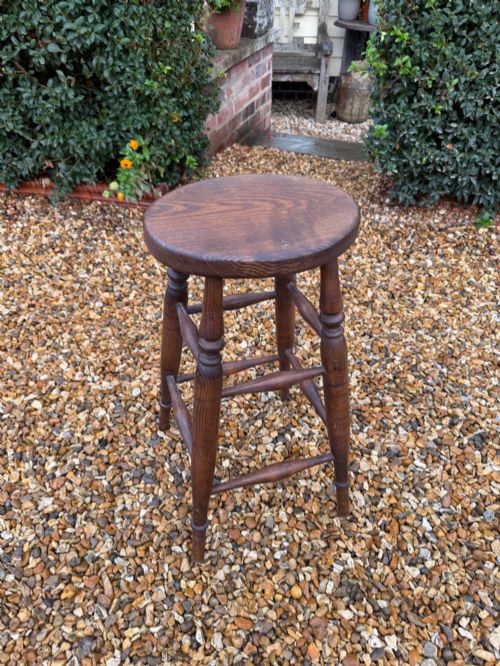
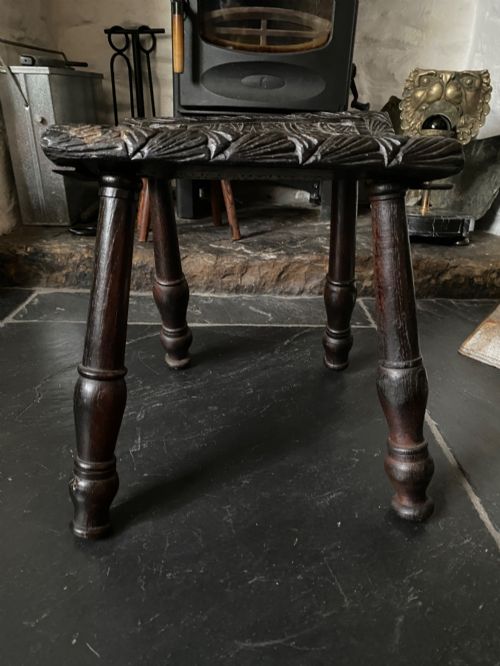
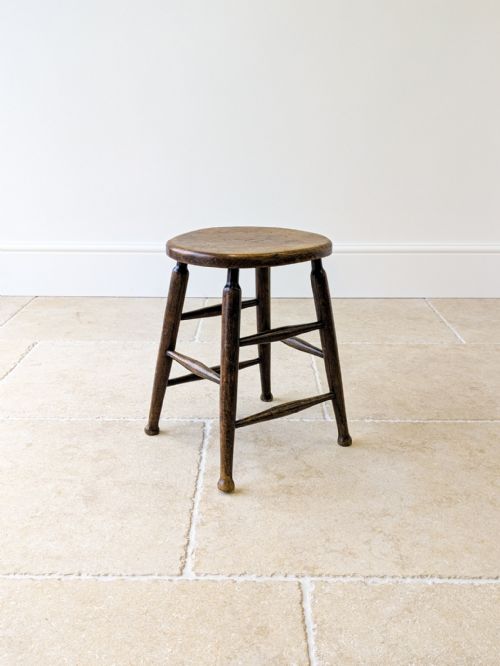
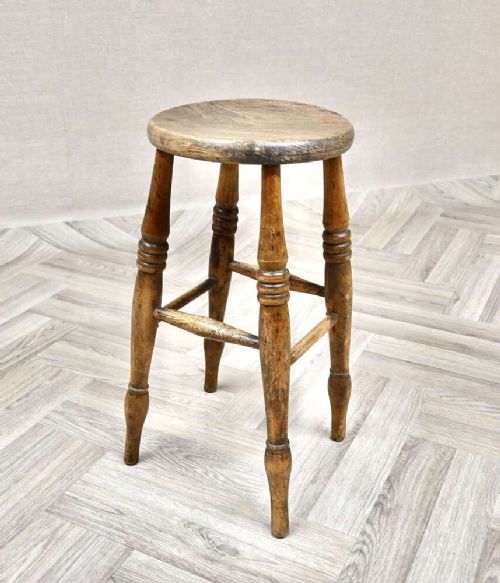
A rustic turned leg stool embodies the practical craft of the English countryside, built for everyday use in dairies, taverns, and farmhouses. When searching for a rustic turned leg stool, you encounter forms ranging from low three-legged milking seats to tall bar and pub stools with shaped tops.
The materials reflect local woodland, combining sturdy timbers such as oak, elm, ash, and beech. These pieces span centuries of rural manufacture, from early jointed forms to nineteenth-century vernacular seating.
Materials and construction methods
Maker craftsmanship relies on solid native hardwoods, pairing dense elm or sycamore seats with turned beech or ash legs. Carpenters secured the legs using traditional wedged tenons or simple bored joints.
Surfaces often show plain tool marks, occasional traces of early paint, or heavy linen upholstery. Construction prioritises sturdiness above decoration, resulting in honest framing designed to withstand heavy daily wear.
Rustic Turned Leg Stool Retail Price Guide 2026
Typical asking prices for rustic turned leg stool among the pieces listed under this phrase on Sellingantiques today, from the lower quarter to the upper quarter. They describe what is for sale here now, not the wider market.
One extraordinary nineteenth-century offering arrives with a genuine Saxon era connection attached to Winchester.
Distinguishing quality in vernacular seating
Quality rests in the balance of proportions and the choice of timber figure, particularly where richly grained elm seats meet well-turned legs. Superior examples display thoughtful joinery and minimal replacement parts over long periods of service.
The integrity of the original turned components and the honesty of the surface patina dictate the standing of a piece. Plain utility items achieve distinction through untouched wear and robust, uncompromised frames.
The Rustic Turned Leg Stool Glossary
- Joint stool
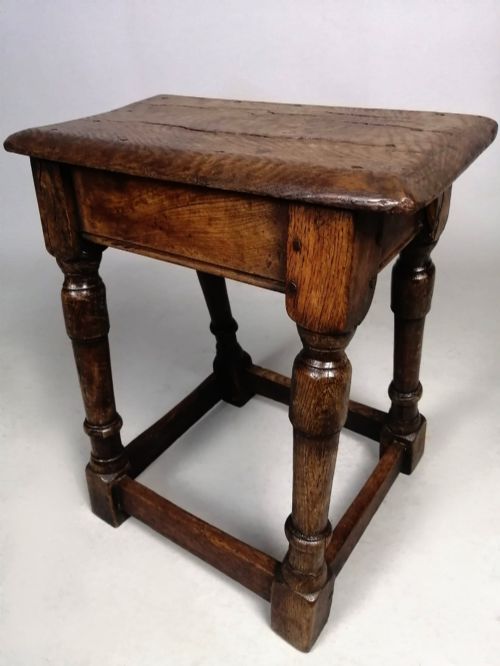
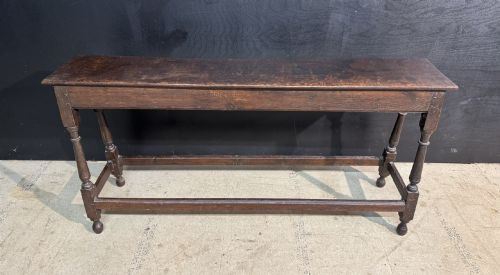
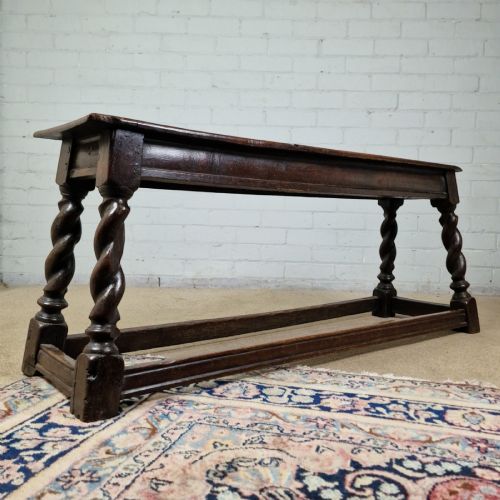
- A joined or pegged wooden stool constructed with mortise and tenon framing rather than turned legs alone. These sturdy seats date primarily from the seventeenth and eighteenth centuries.
- Windsor stool
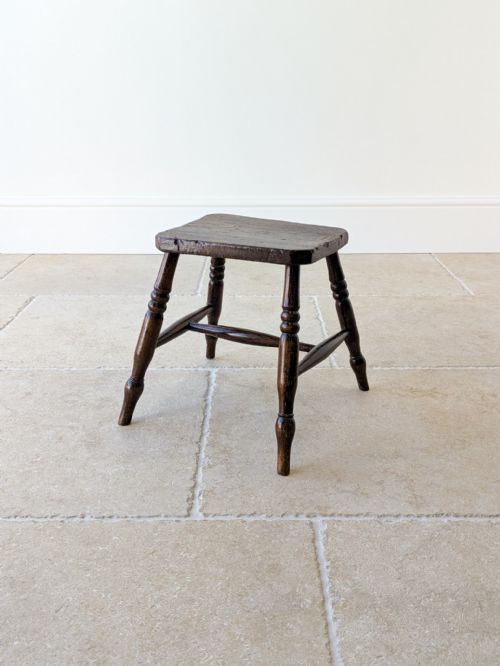
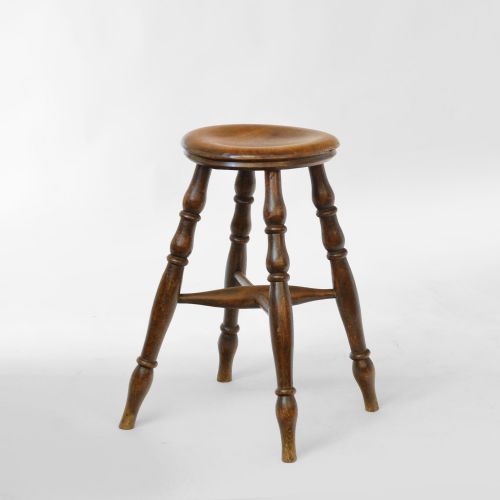
- A seat featuring legs wedged directly into a thick wooden top, echoing the construction method of traditional Windsor chairs. They often appear with dished or saddled tops for comfort.
- Tavern stool
- A tall or standard-height seating piece made for public houses, frequently featuring turned stretchers for footrests. Sycamore and elm were common choices for these heavy-use items.
- Dairy stool
- A low, functional three-legged seat used by milkers, typically shaped from a single slab of elm or ash. Their tripod base remained steady on uneven farm floors.
Rustic Turned Leg Stool: Frequently Asked Questions
How do I date an old wooden stool?
Dating relies on examining the tool marks, timber species, and joint construction methods visible on the underside. Seventeenth-century examples use pegged mortise and tenon frames, whereas later nineteenth-century pieces often feature simpler turned legs and machine-sawn components.
Secondary clues include the type of wear around the footrests and the presence of early surface treatments like old paint or wax. Comparing the framing style to dated vernacular furniture helps narrow down the decade of manufacture.
Were these stools used in homes or workplaces?
These pieces served practical roles across both domestic interiors and rural workplaces, including dairies, farmhouses, and village taverns. Sturdier forms provided seating for workers, while smaller variants served as occasional household seats.
Their simple construction meant they could be moved easily wherever extra seating was required around the hearth or workshop. Over time, many transitioned from utilitarian workshop objects to decorative interior furnishings.
What is the difference between a joint stool and a Windsor stool?
A joint stool is built with a rigid rectangular frame of four legs connected by stretchers and pegged together. A Windsor stool has legs inserted straight into bored holes in the underside of a solid wooden seat.
Joint stools usually date from the seventeenth and eighteenth centuries, while Windsor variants are more commonly associated with the nineteenth century. Both utilise native timbers like oak, elm, and ash.
How do I care for an antique wooden stool?
Maintain the timber by applying a traditional beeswax polish sparingly to nourish the dry wood surface. Keep the stool away from direct heat sources and sudden humidity changes to prevent timber splitting or joint shrinkage.
Avoid aggressive cleaning methods that might remove the historic patina accumulated over centuries of use. Gentle dusting with a dry cloth is sufficient for daily maintenance.