



Brown Timber Milking Stool
These brown timber milking stool examples offer honest utility and rustic charm, shaped by generations of rural use.
Brown Timber Milking Stool
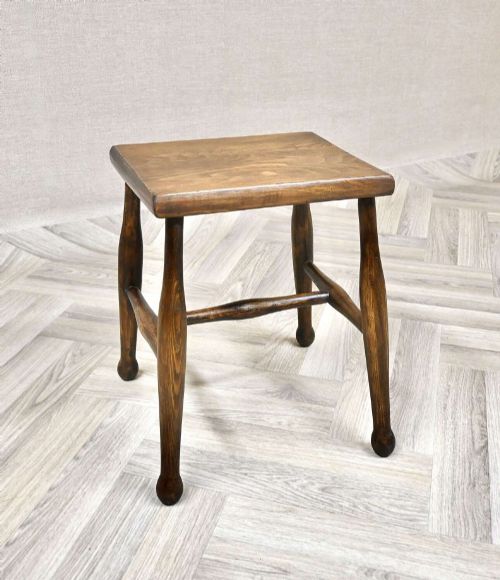
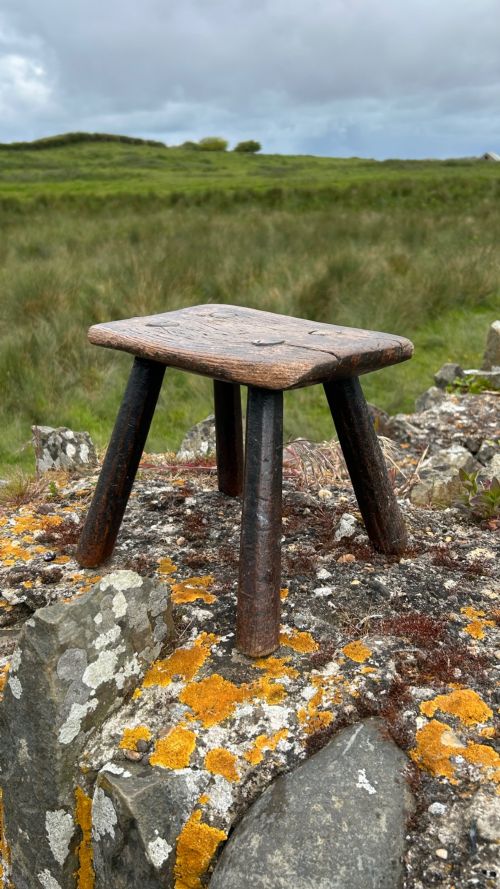
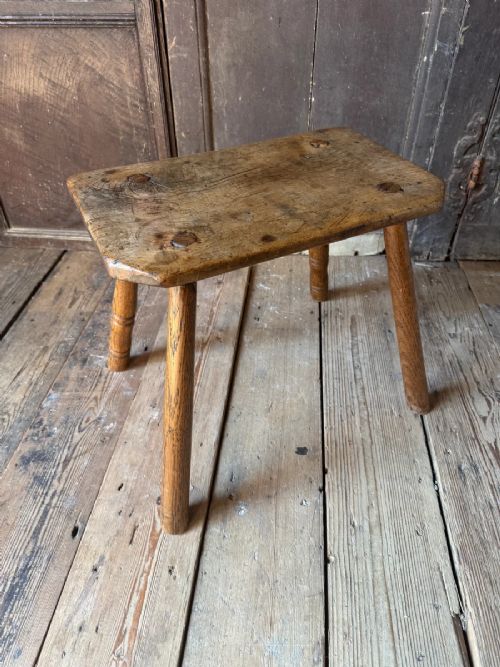
A brown timber milking stool represents the practical domestic furniture of past rural life, designed for daily work rather than formal display. When you search for a brown timber milking stool, you encounter low seating forms intended for working close to the ground, often associated with dairy tasks or hearthside chores.
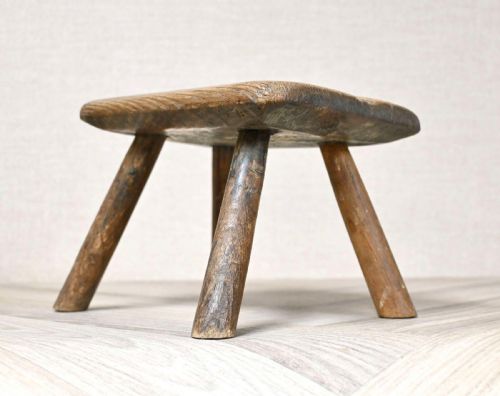
The pieces listed on this page span the eighteenth and nineteenth centuries, including Georgian and Victorian periods. Most examples reflect vernacular traditions, taking forms such as Windsor-style oval seats, three-legged tripod constructions, and diminutive nursery stools.
Makers of these stools worked within local country traditions, utilising readily available hardwoods to produce sturdy, functional seats. The surviving examples demonstrate the enduring appeal of unpretentious rural woodwork in modern interiors.
Materials and construction
These stools were constructed from native timbers such as oak, elm, ash, sycamore, beech, and pine, chosen for their local availability and strength. Craftsmen often combined different woods within a single piece, pairing resilient hardwood for the seat with sturdy poles for the legs.
Construction techniques relied on simple joinery, most notably bodging and wedged tenons where leg spindles pass directly through the solid wooden seat. Surfaces were left natural or finished with historic patination, occasionally featuring simple decorative elements like pokerwork.
Brown Timber Milking Stool Retail Price Guide 2026
Typical asking prices for brown timber milking stool among the pieces listed under this phrase on Sellingantiques today, from the lower quarter to the upper quarter. They describe what is for sale here now, not the wider market.
One recorded Scottish stool bears the defiant pokerwork inscription 'Touch me wha daur'.
Judging quality and character
Quality in these rural stools rests on the integrity of the timber and the balance of the proportions rather than elaborate decoration. A piece with a deeply sculpted seat and well-turned legs shows greater care in execution than a strictly utilitarian utility stool.
Surface wear and the depth of the historic patina dictate the visual richness of the object. Original legs and undisturbed wedge joints indicate a survival rate that elevates the interest of the piece for a collector.
The Brown Timber Milking Stool Glossary
- Vernacular
- Everyday objects made by local craftsmen without high-style academic influence. These pieces prioritize function over fashionable design.
- Bodger
- A traditional pole-lathe turner working in the woods to produce chair legs and spindles. Their output fed the local vernacular furniture trade.
- Windsor
- A chair or stool construction method where legs and back spindles are fitted directly into holes bored into a solid wooden seat. This method creates a rigid and resilient frame.
- Patina
- The surface sheen and colour acquired by wood through age, handling, and exposure to light. A rich patina indicates long-term use and minimal aggressive cleaning.
- Tripod
- A three-legged seating configuration designed to sit steadily on uneven cottage floors. This arrangement prevents rocking by ensuring all feet touch the ground.
Brown Timber Milking Stool: Frequently Asked Questions
What were milking stools used for?
These low seats provided practical support for agricultural workers during daily milking tasks and various hearthside chores. Their compact form allowed the user to sit close to the animal or fire while keeping both hands free.
Over time, these utilitarian objects moved beyond the dairy and farmhouse kitchen into general domestic use. Today, they serve as small side tables, plant stands, or low seats in compact spaces.
How do I date an antique stool?
Dating relies on observing tool marks, timber species, and construction methods relative to known historical periods. Eighteenth-century examples often display hand-split components and deeper adze marks on the seat.
Nineteenth-century pieces may incorporate lathe-turned legs and standard commercial fixings alongside traditional joinery. Comparing the wear patterns on the feet and seat helps confirm the age of the piece.
How should I clean a timber stool?
Maintain the surface by dusting with a dry cloth and occasionally applying a mild beeswax to nourish the dry wood. Avoid harsh modern cleaning products that strip away the historic patina.
Keeping the stool away from direct heat sources prevents the old timber from splitting or warping. Gentle care preserves the character accumulated over centuries of use.