
Vernacular Wooden Furniture
Vernacular wooden furniture encompasses utilitarian seating, tables and storage shaped by local hands using native timber for everyday rural life.
Vernacular Wooden Furniture
Vernacular wooden furniture comprises practical domestic objects shaped by regional makers rather than urban workshops. These pieces reflect the specific daily requirements of rural households across centuries of domestic life.
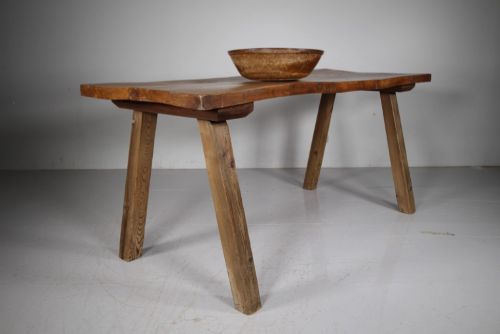
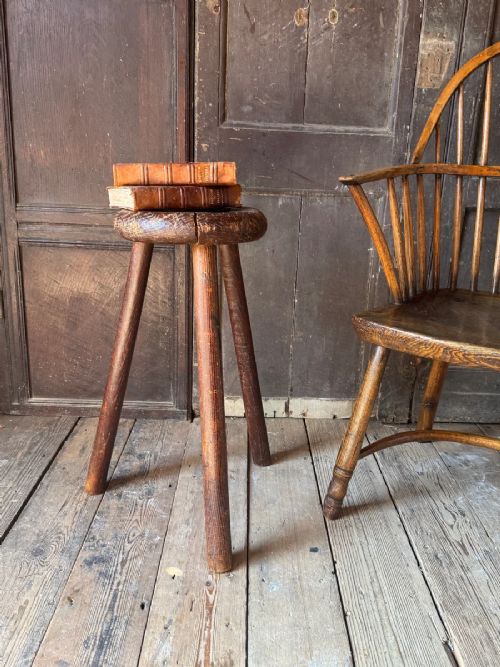
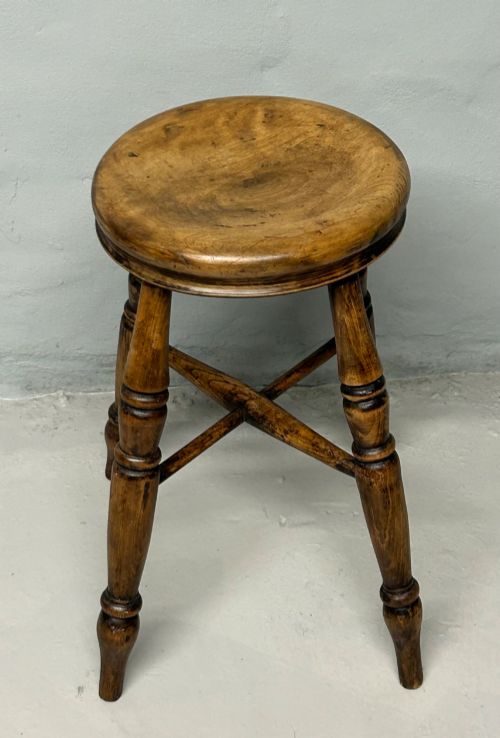
The selections here concentrate on seating, tables and storage forms constructed for everyday utility. Armchairs, settles, cricket tables and stools form the core of what appears in this category.
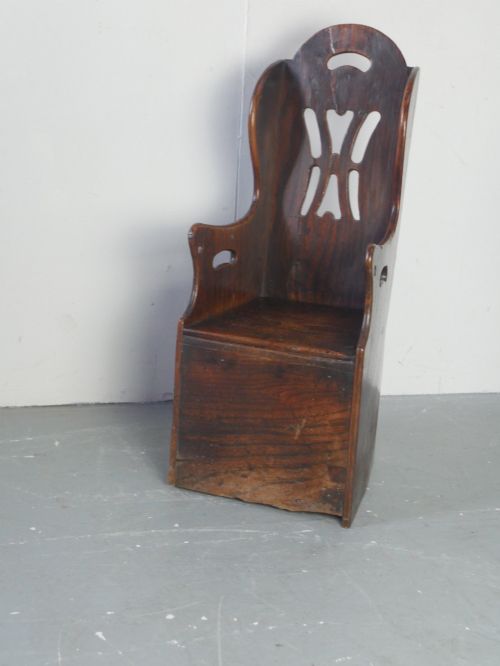
Origins span English, Welsh, Scottish and Irish traditions, alongside continental examples. Pieces range from seventeenth-century lambing chairs to nineteenth-century farmhouse stools and Windsor armchairs.
Materials and construction methods
Makers utilised native hardwoods and softwoods available in the immediate landscape, combining elm, oak, ash, pine, yew, fruitwood and laburnum. Grain patterns and timber characteristics dictate the visual weight of each surviving item.
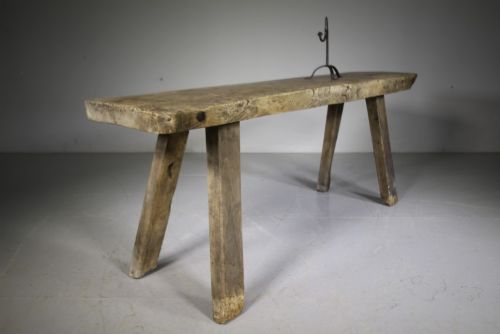
Construction relies on straightforward joinery, including splayed hedgerow legs, stick-back spindle arrangements and pegged frames. Blacksmith repairs and original iron fixings frequently secure structural joints where timber meets metal.
Listings feature seventeeth to nineteenth-century forms including cricket tables, box settles, comb-back armchairs and chopping blocks.
Evaluating quality and character
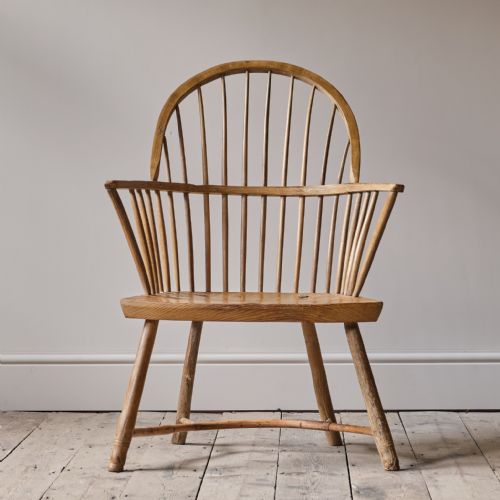
Quality rests upon the sculptural confidence of the silhouette and the harmony of mixed timbers. A well-proportioned Windsor armchair or cricket table balances rugged utility with intentional shaping in the seat and legs.
Surface finish defines the character of surviving objects, from untouched scrubbed grain to early painted coats. Honest wear through generations of use contributes depth to the material without diminishing structural integrity.
The Vernacular Wooden Furniture Glossary
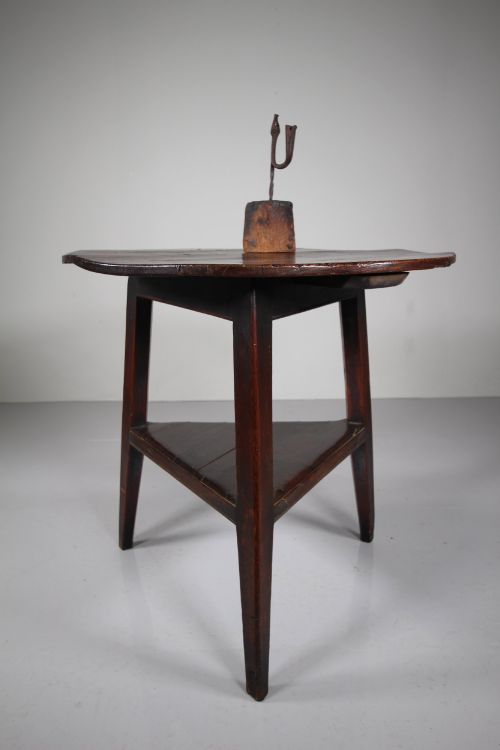
- Cricket table
- A small three-legged table with a triangular or circular top, designed for uneven cottage floors. These stable surfaces served multiple household functions.
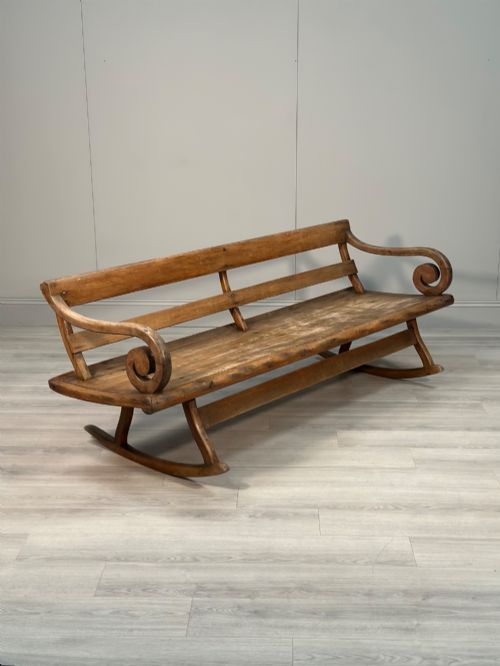
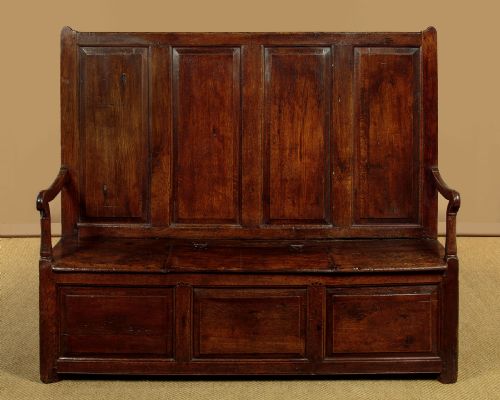
- Settle
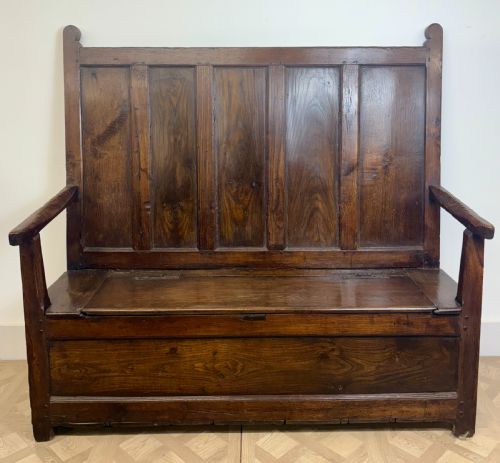
- A high-backed wooden bench with solid arms and a storage box beneath the seat. This form kept drafts away from occupants near the hearth.
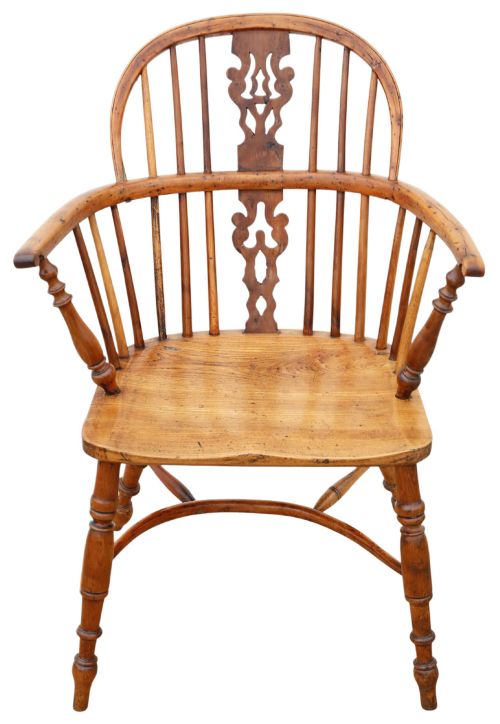
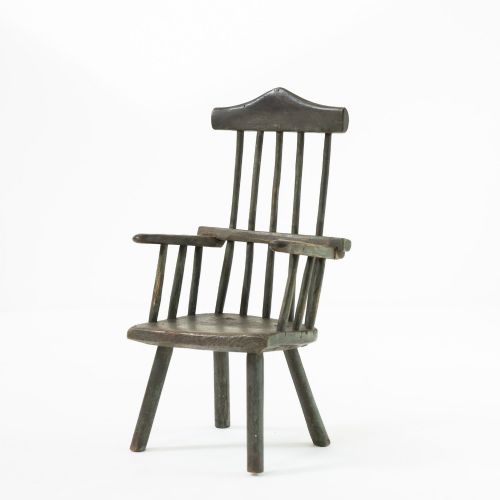
- Windsor chair
- A wooden seating form constructed with a solid shaped seat into which legs and back spindles are separately socketed. Regional variations include hoop-back and comb-back designs.
- Lambing chair
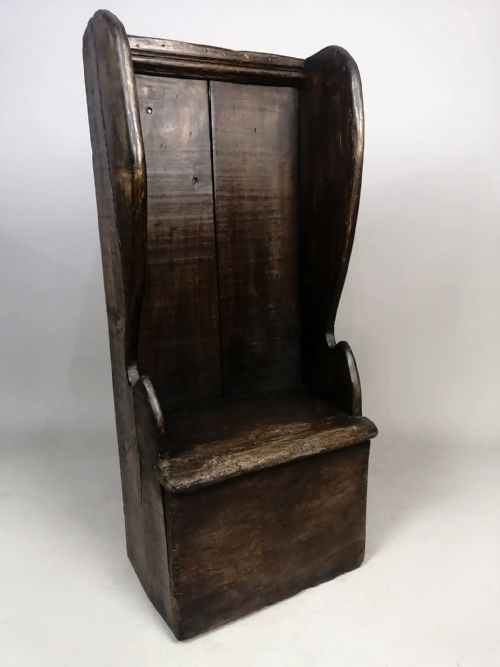
- An enclosed wooden armchair featuring high wings and a hooded top to shield the sitter from cold air. They often incorporated a storage compartment below.
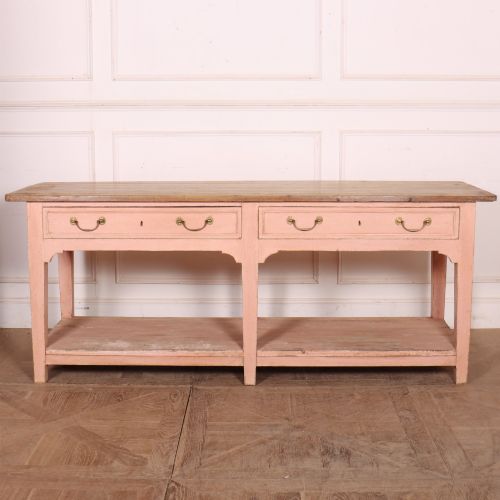
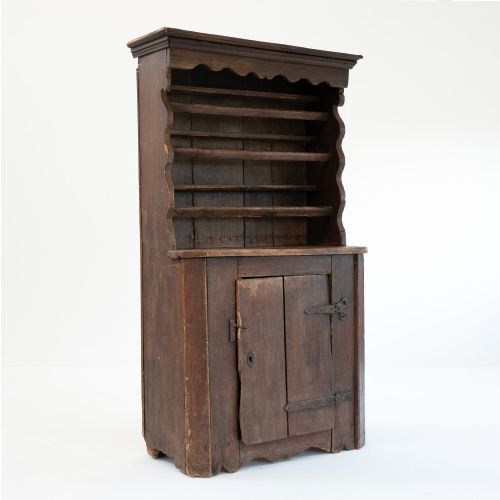
- Potboard dresser
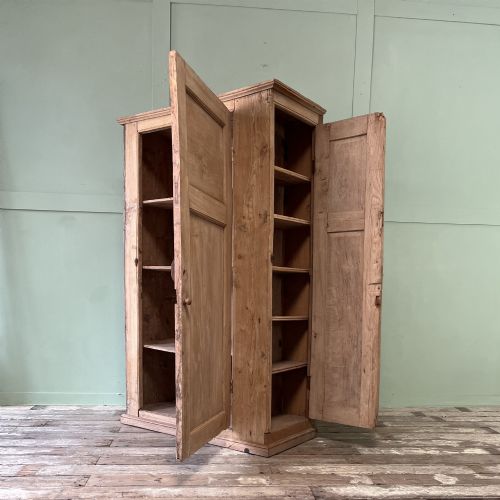
- A kitchen storage unit featuring open shelves above and a low slatted board beneath for drying pots. These functional pieces anchored rural farmhouse interiors.
Vernacular Wooden Furniture: Frequently Asked Questions
How do I date a piece?
Dating relies on construction methods, tool marks, timber selection and style evolution. Seventeenth and eighteenth-century examples often display pegged joints and hand-rived wood.
Nineteenth-century items frequently show mixed timber usage and standardised turning techniques while retaining primitive rural characteristics.
Where were these pieces made?
Makers constructed these items in rural workshops across England, Wales, Scotland, Ireland and parts of continental Europe. Local timber availability dictated the choice of woods used in each region.
For example, Welsh workshops frequently utilised oak and fruitwood, while Thames Valley makers favoured yew and elm for Windsor chairs.
How should I live with these items?
These pieces integrate easily into modern interiors through their honest materiality and sculptural forms. Their sturdy construction suits daily use as seating, side tables or coffee tables.
Maintaining stable indoor humidity protects historic timbers and prevents the shrinkage or movement of seasoned wood.