
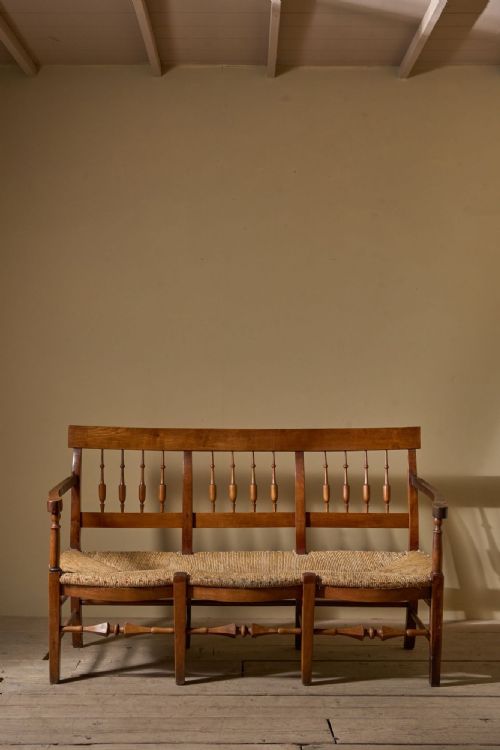
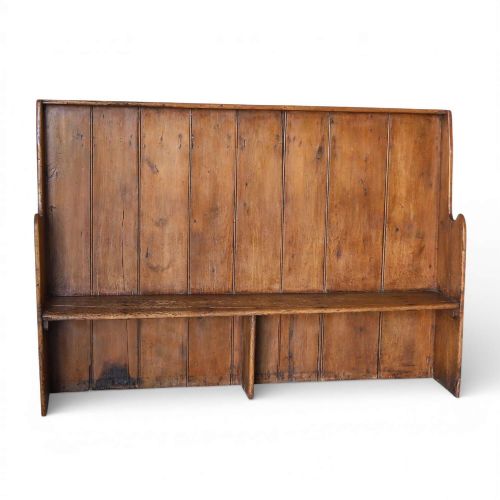


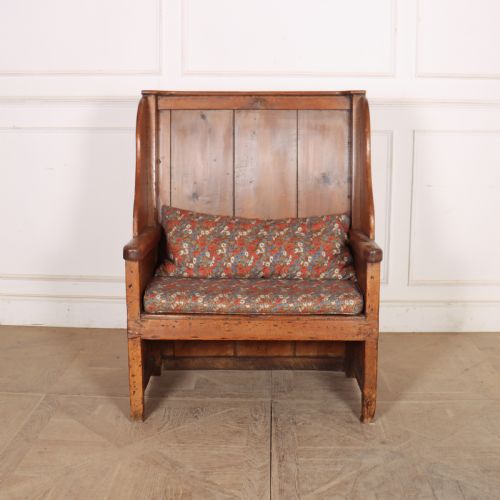


Rustic Timber Settle
A rustic timber settle is a high-backed wooden seat designed to keep out drafts, and you want one for its honest, solid utility and centuries of character.
Rustic Timber Settle
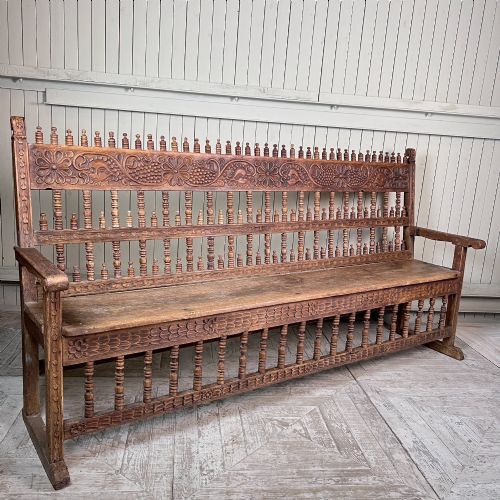
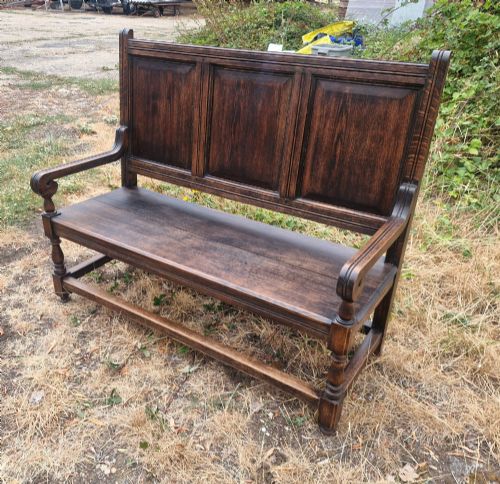
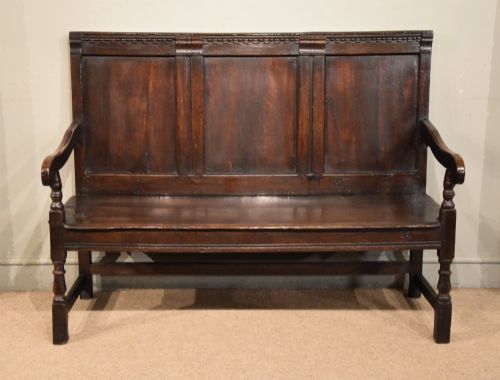
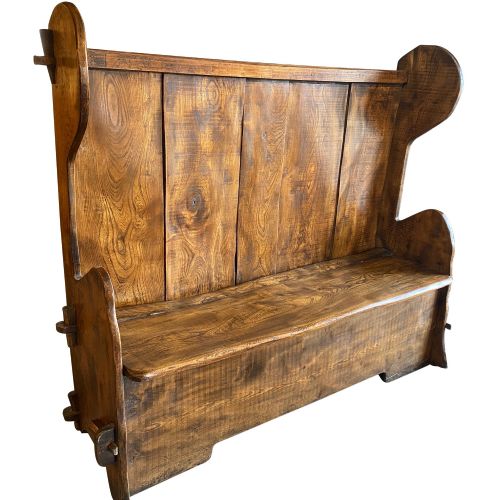
When you search for a rustic timber settle, you encounter substantial wooden seating that originates predominantly from the eighteenth and nineteenth centuries. These pieces function as historic domestic furniture, often featuring high backs and solid panel construction designed to shelter sitters from cold farmhouse draughts.
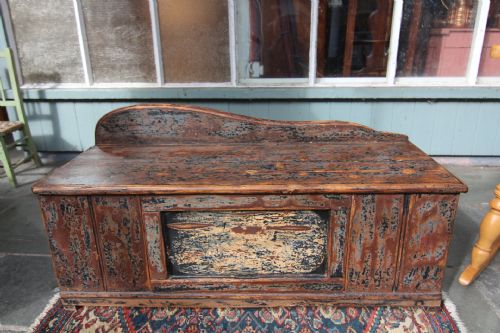
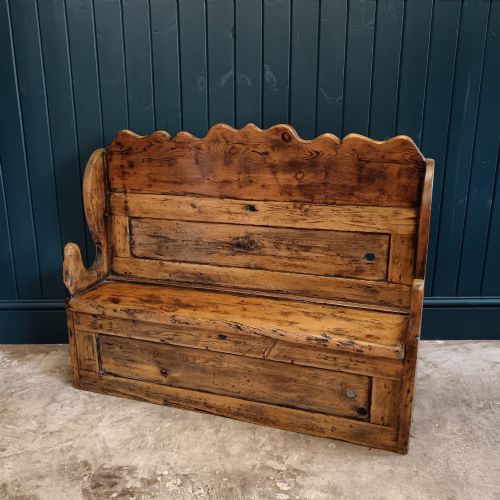
The selections available here span various regional traditions, ranging from English country pine and oak examples to continental pieces in elm, fruitwood, and chestnut. Forms include simple high-back settles, box seats with storage, and canopied or barrel-backed variations.
Makers utilised local timbers and straightforward vernacular designs, resulting in benches that served communal functions in farmhouses, taverns, and rural halls. You are most likely to meet nineteenth-century pine and elm versions, alongside eighteenth-century oak iterations.
Materials and construction
Constructed primarily from sturdy timbers such as oak, pine, elm, and hardwood, these settles rely on traditional joinery techniques suitable for heavy daily use. Carpenters frequently employed pegged joints, solid panels, and boarded construction to build the high backs and enclosed storage boxes characteristic of the form.
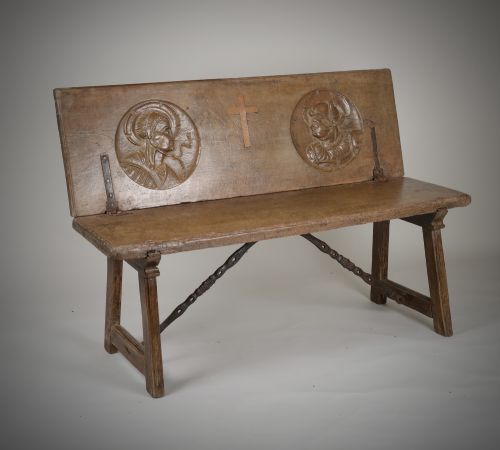
Surfaces often show historic treatments including wax finishes, bleaching, or original paint layers like polychrome or plain pigments. Iron hardware such as hinges and brackets appears on opening box seats and lidded compartments.
Regional workshops favoured locally available woods, meaning English pieces often utilise oak or pine, while continental examples incorporate fruitwood, chestnut, or exotic hardwoods.
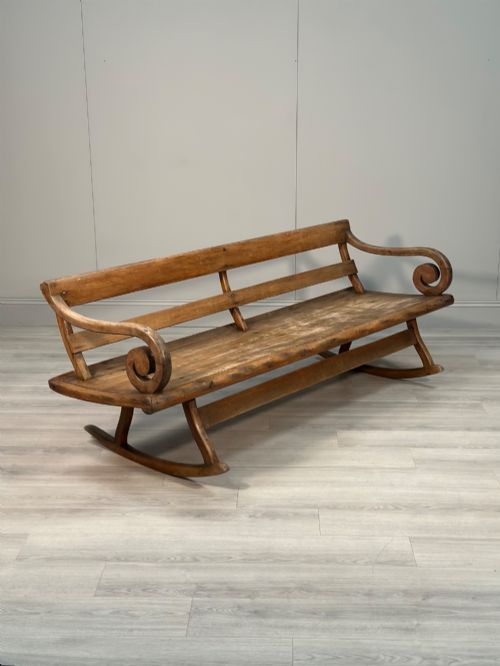
Occasional eccentricities appear in the record, including a bear-carved hall seat and a rocking settle for restless sitters.
Assessing quality and character
Quality in a rustic timber settle rests on the integrity of its construction, the depth of its natural patina, and the survival of its original timber. Pieces retaining their primary surface finishes, whether honey brown wax or historic paint, command greater interest than those stripped down or heavily restored.
Proportion and scale distinguish finer vernacular examples, where the height of the back and the sweep of the arms create a balanced silhouette. The thickness of the seat boards and the unaltered state of the undercarriage provide clear indicators of honest period craftsmanship.
The Rustic Timber Settle Glossary
- Settle
- A wooden bench with a high back, solid arms, and frequently a box base for storage. This form evolved to block cold air in draughty domestic rooms.
- Patina
- The surface sheen and colour developed by wood over centuries through handling, waxing, and exposure to light. It serves as a visual indicator of age and authenticity.
- Box seat
- A settle base constructed with an integrated compartment beneath the hinged seat for storing household goods. This design maximised utility in smaller rooms.
- Vernacular furniture
- Domestic pieces made by local craftsmen for everyday use, following regional traditions rather than formal academic styles. These objects reflect the materials available in their immediate locality.
Rustic Timber Settle: Frequently Asked Questions
What is a rustic timber settle?
A rustic timber settle is a traditional wooden bench featuring a high back and solid sides designed to block draughts in older homes.
They were built by local carpenters using native woods like oak, pine, and elm for daily domestic use.
Where were settles placed in the home?
Settles were traditionally positioned near the hearth or close to the entrance of a room to shelter occupants from cold air.
Their enclosed bases also provided practical storage for blankets, fuel, or household items in busy farmhouse kitchens.
How do I care for an antique wooden settle?
Maintain your settle by applying occasional applications of natural beeswax to nourish the dry timber and preserve the historic surface.
Keep the piece away from direct heat sources and sudden temperature fluctuations to prevent the wood from splitting.
How can I tell the age of a settle?
Age is determined by examining the tool marks, construction methods, timber species, and the wear patterns on the seat and arms.
Hand-riven boards, pegged joinery, and undisturbed surface patination point toward earlier eighteenth-century or seventeenth-century origins.