
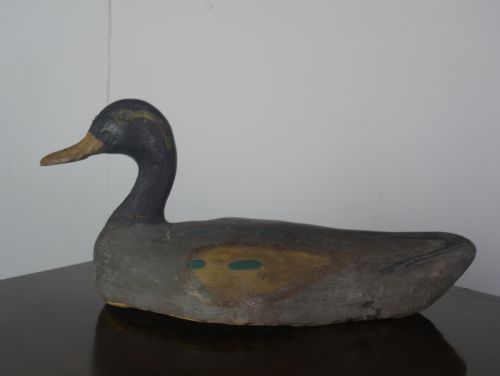


Rustic Timber Bird Sculpture
These rustic timber bird sculpture pieces bring hand-carved folk art charm into the home through working decoys and decorative waterfowl.
Rustic Timber Bird Sculpture
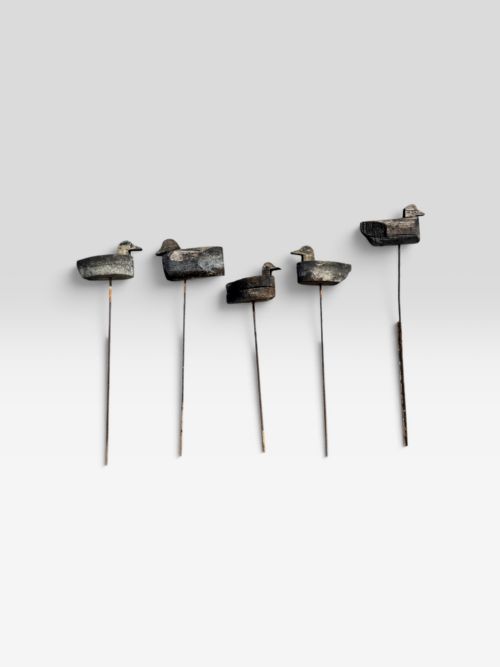
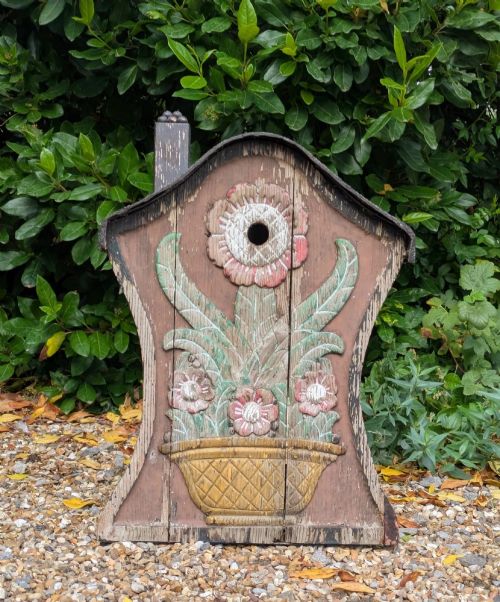
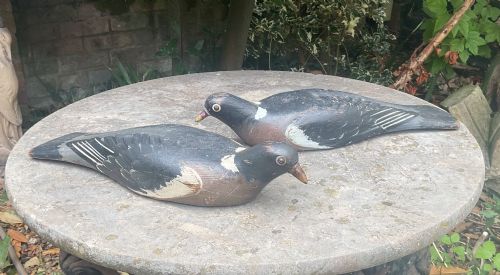
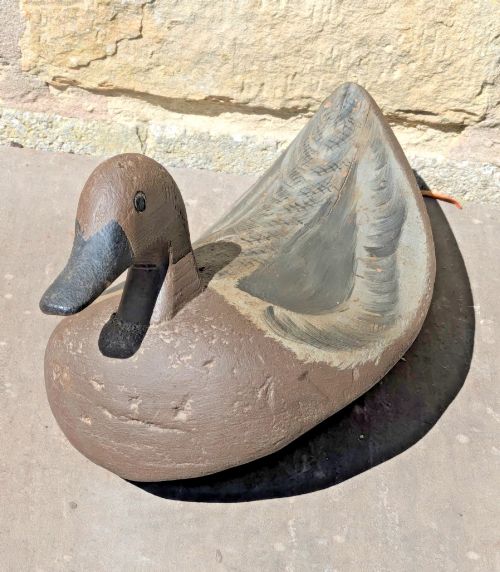
A rustic timber bird sculpture represents traditional working decoy forms and decorative carvings created across the nineteenth and early twentieth centuries. These objects include duck decoys, decoy pigeons, geese, herons, and bird boxes intended for practical use or rural display.
The selections available here lean heavily into English and Scandinavian country folk art traditions. You are most likely to meet hand-painted wooden decoy ducks originating from the Edwardian era and the nineteen-twenties.
Makers shaped these timber birds from pine and mixed woods to serve hunters or ornament rural interiors. Surviving examples retain their original weathered patination and surface colour from decades of handling.
How they were made
Artisans shaped these sculptures using hand-carved timber and pine blocks, often finishing the forms with iron or metal hardware for functional weighting and assembly. The primary method relied on simple hand tools to block out the bird anatomy before smoothing the silhouette.
Surfaces were frequently finished with hand-painted layers in muted rural tones to mimic real plumage. Wear over time has left these painted coats crackled and thin, exposing the grain of the underlying wood.
Even a wooden pigeon can rule the mantelpiece if it wears enough chipped historic paint.
What varies in quality
The distinction between ordinary and exceptional pieces rests upon the boldness of the carving and the preservation of the original painted surface. Sculptures retaining their unvarnished, layered pigment demonstrate stronger visual character than those stripped down to bare wood.
Proportion and stance dictate the sculptural presence of each bird, with more lifelike or characterful silhouettes commanding greater visual interest. The integrity of the aged timber and honest signs of working use separate simple items from more compelling folk art examples.
The Rustic Timber Bird Sculpture Glossary
- Decoy
- A carved or moulded figure used to attract wild birds during hunting. These working objects form the foundation of many rustic sculptures.
- Pine
- A softwood commonly utilised in nineteenth and twentieth-century rural woodworking. It accepts paint readily and ages with a soft, durable patination.
- Patina
- The surface sheen and colour acquired by timber and paint through age, handling, and environmental exposure. A natural patina develops slowly over decades of use.
Rustic Timber Bird Sculpture: Frequently Asked Questions
What is a rustic timber bird sculpture?
These sculptures are hand-carved wooden birds, predominantly working decoys and decorative waterfowl produced during the nineteenth and early twentieth centuries.
They were originally utilised by hunters or made as folk art ornaments in rural communities across England, France, and Scandinavia.
How were decoy ducks used?
Decoys were placed on water or shorelines to lure wildfowl within range of hunters.
Over decades, many working decoys transitioned from practical tools into decorative interior objects valued for their rustic aesthetic.
How do I date these carvings?
Dating relies on assessing the tool marks, timber types, and the composition of the painted surface.
Nineteenth and early twentieth-century examples typically display hand-adzed or carved pine bodies with aged, crackled paint layers.
How should I display them at home?
These sculptures suit placement on plain wooden surfaces, shelves, or mantels where their aged painted finishes stand out.
Keep them away from direct heat sources and strong sunlight to protect the fragile historic paint layers.