


Rustic Terracotta Planter
A rustic terracotta planter brings earthy texture to a garden, offering enduring utility and warmth through time-worn clay.
Rustic Terracotta Planter
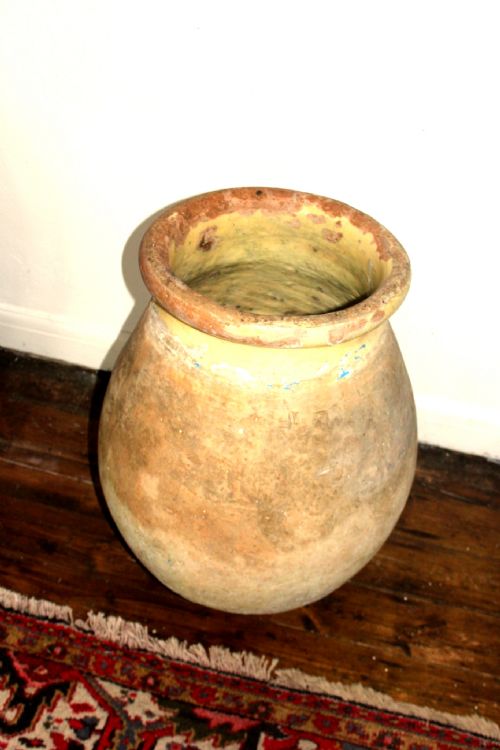
A rustic terracotta planter encompasses vessels shaped from earthenware, clay, and ceramic for practical use in gardens and interiors. These objects appear in forms such as oil jars, amphorae, strawberry planters, confit jars, and garden urns.
The selections span the nineteenth and early twentieth centuries, drawing on Mediterranean, French country, and Victorian faux bois styles. Buyers frequently encounter nineteenth-century examples alongside items from around eighteen eighty to nineteen twenty.
How they were made
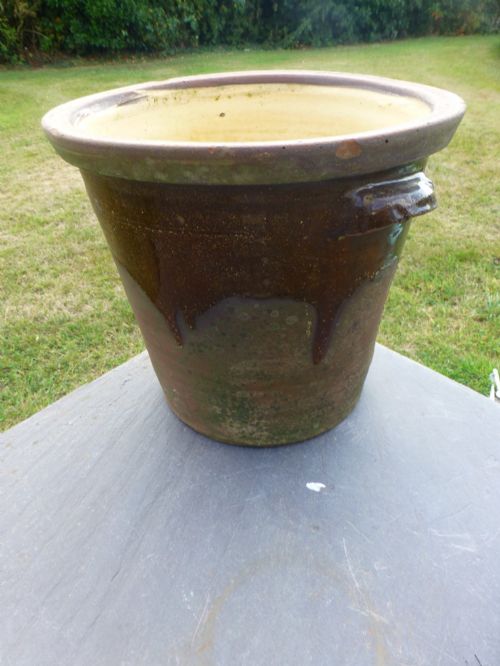
Potters shaped these pieces by hand from terracotta, earthenware, and buff clay, building robust vessels designed to hold liquids, plants, or dairy. Artisans applied glazes, salt-glazing, or paint to specific surfaces, while others left the clay porous with aged patinas.
Structural reinforcement sometimes involved wrought iron elements, paired with naturalistic moulding that imitated wood in faux bois designs. Makers utilised traditional throwing and moulding techniques suited for heavy agricultural and horticultural use.
Listings feature nineteenth-century earthenware, salt-glazed stoneware, and glazed ceramic forms including olive jars, dairy salting crocks, and strawberry planters.
What varies in quality
Distinction in these pieces lies in the crispness of naturalistic modelling and the character of the surface patination. Hand-applied glazes and salt-glazing create depth that elevates standard utility ware into sculptural garden ornaments.
Proportion and scale dictate desirability, particularly in large oil jars, amphorae, and matched pairs of planters. The integrity of the original clay body and the presence of historic surface wear contribute to a piece visual strength.
The Rustic Terracotta Planter Glossary
- Terracotta
- Fired clay varying in colour from pale buff to deep reddish-brown. This porous material breathes, making it traditional for horticulture.
- Faux bois
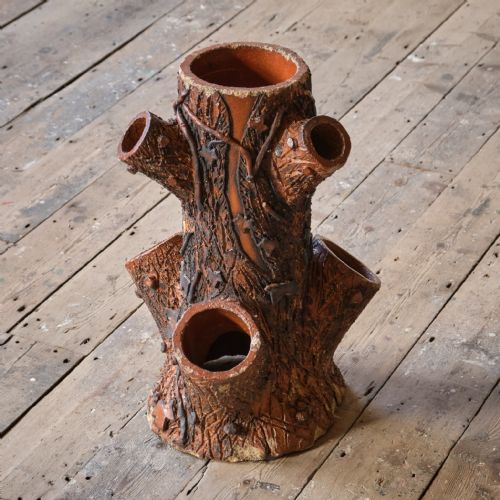
- Imitation of wood executed in clay or concrete. Victorian makers used this technique to create planters resembling tree trunks or branches.
- Confit jar
- French earthenware pot traditionally used for preserving food. These vessels typically feature partial glazing and sturdy lug handles.
- Amphora
- Two-handled ancient storage vessel adapted for decorative garden use. These large jars often display tapering bodies and weathered surfaces.
- Salt-glazed stoneware
- Pottery fired at high temperatures with salt thrown into the kiln. This process produces a durable, slightly pitted vitreous coating.
Rustic Terracotta Planter: Frequently Asked Questions
Can these planters stay outdoors in winter?
Porous earthenware and terracotta absorb moisture that expands during freezing temperatures. Protection under shelter during hard frosts prevents cracking in older clay bodies.
Well-drained placement raised on pot feet reduces water retention and minimises weather damage through cold months.
How do I clean an antique terracotta pot?
Gentle brushing with water removes loose soil and organic debris without disturbing the aged patina. Harsh detergents strip historic surfaces and penetrate the porous clay.
Allowing natural weathering to remain preserves the character developed over decades of garden exposure.
What were oil jars originally used for?
Large Mediterranean jars stored olive oil, grain, and water in agricultural estates and trading ports. Their thick walls helped maintain cool internal temperatures.
Transporting goods across regions required robust vessels with sturdy rims and stable bases.
How do I identify faux bois items?
Victorian faux bois pieces mimic bark, knots, and cut timber through moulded terracotta and concrete. Artisans meticulously replicated organic textures for romantic garden landscapes.
Close inspection reveals hand-tooled details that distinguish modelled clay from actual timber forms.