

Rustic Side Table
A rustic side table brings tactile warmth and enduring utility to an interior, grounded in solid timber and vernacular craft.
Rustic Side Table
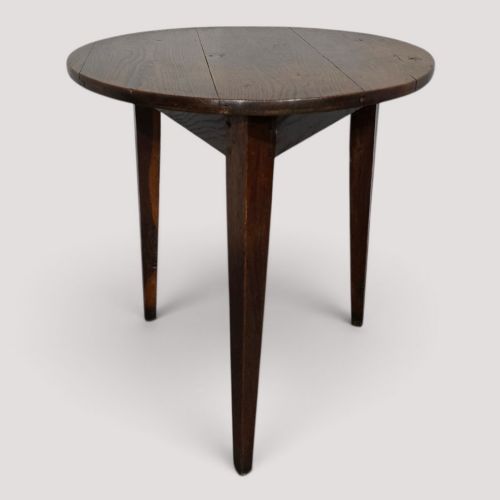
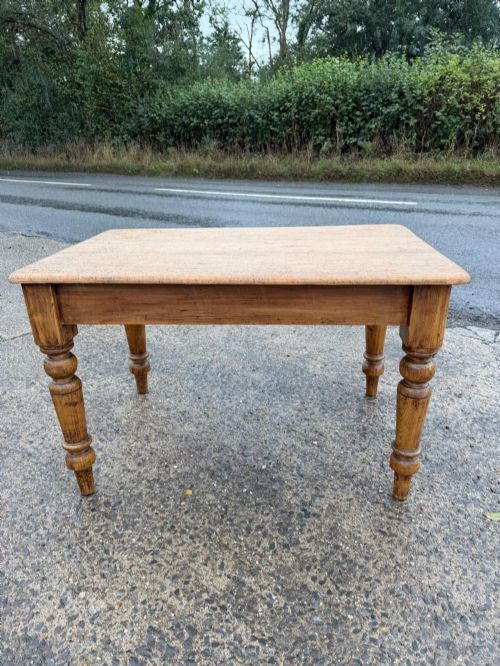
A rustic side table is a compact surface built for practical use, frequently taking the form of a small occasional table, cricket table, or console. These pieces serve as functional furniture in hallways, parlours, and kitchens.
The selections span from the 18th century through the Georgian, Victorian, and Edwardian eras up to the early 20th century. Oak and pine dominate the inventory, accompanied by fruitwood, elm, and walnut.
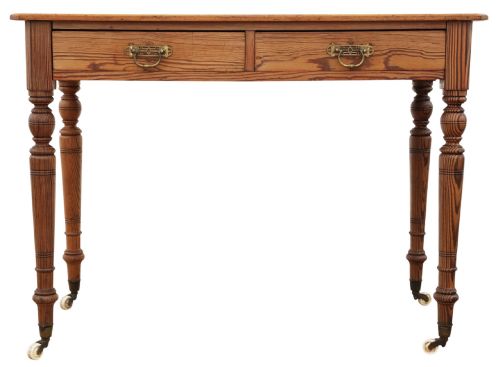
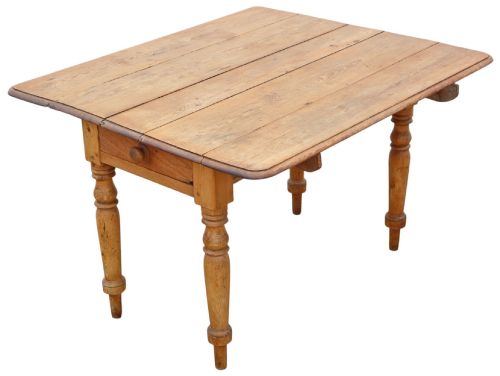
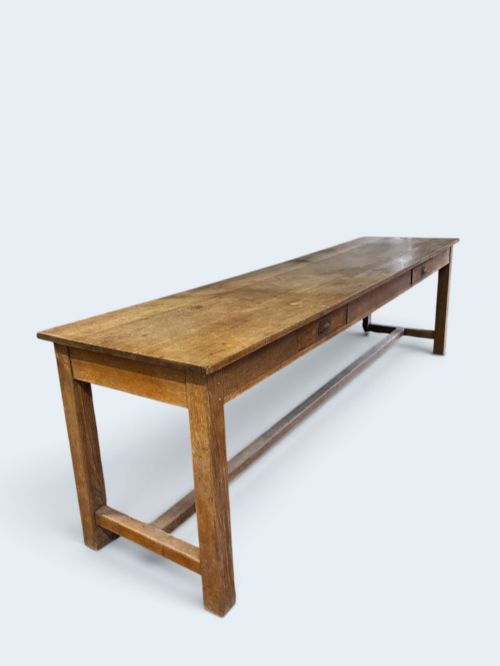
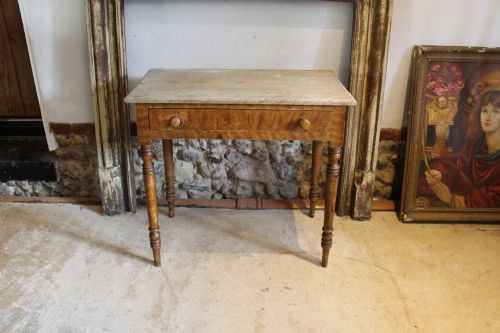
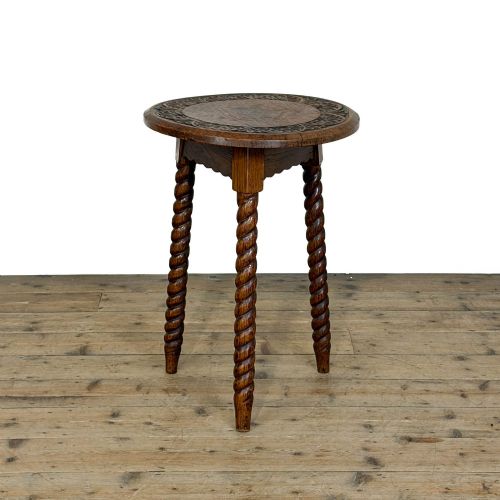
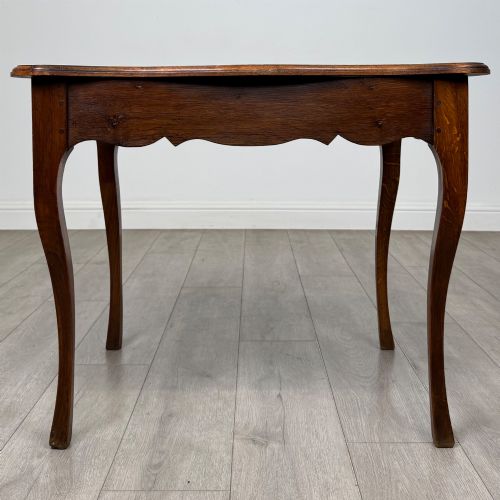
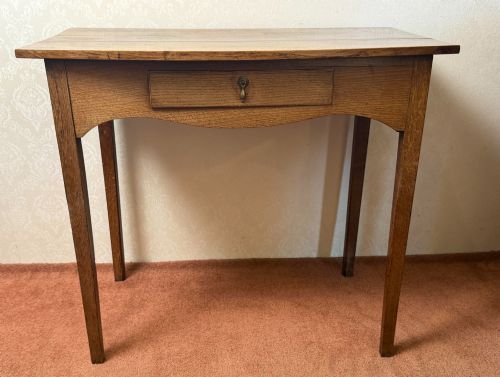
Buyers most commonly encounter 19th-century pine and oak examples, often featuring single drawers, turned legs, or tripod bases. Vernacular pieces from English, French, and Italian traditions appear regularly across the listings.
Materials and Technique
Construction relies heavily on sturdy native timbers such as solid oak, pitch pine, and deal, joined with traditional methods like mortise and tenon. Carpenters utilised local woods suited to daily utility, resulting in honest, unpretentious structures.
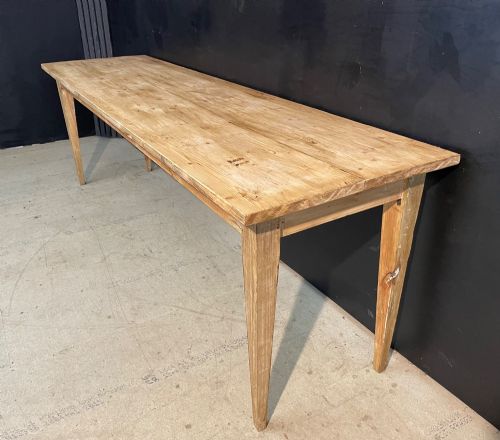
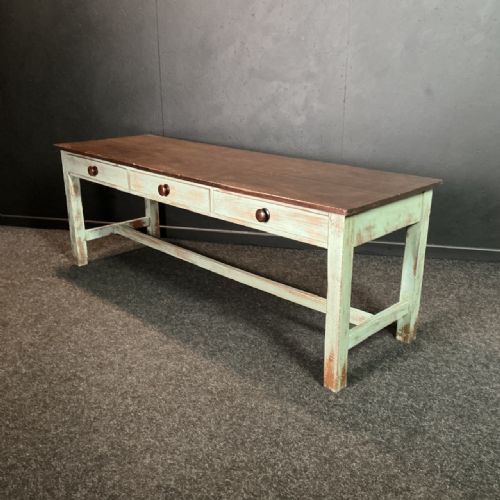
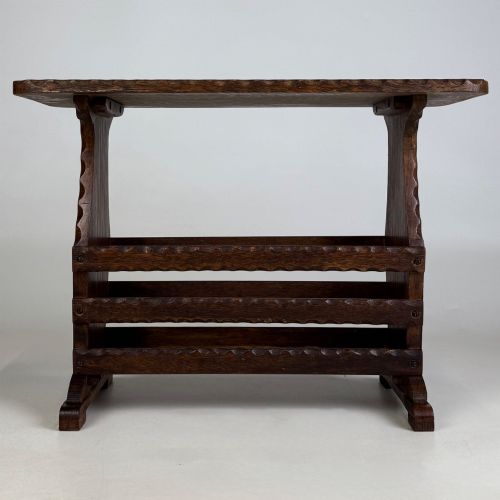
Surfaces display various finishes, from bare scrubbed timber and wax polishes to original scumble paint and grotto work carvings. Wrought iron and marble also feature in select console and side table designs.
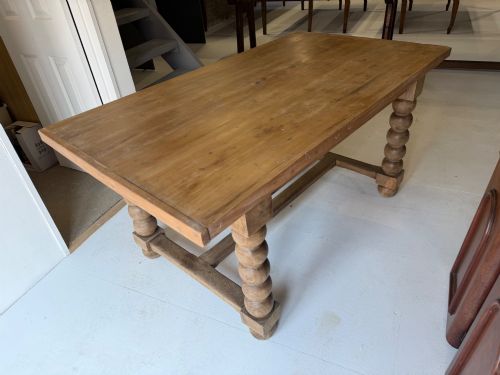
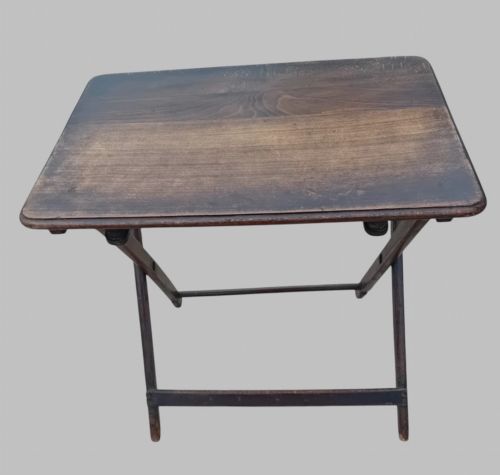
Turning appears frequently on legs and stretchers, utilising lathes to create bobbin or tapered supports. Drop-leaf actions, folding mechanisms, and fitted drawers demonstrate mechanical ingenuity within domestic furniture.
Rustic Side Table Retail Price Guide 2026
Typical asking prices for rustic side table among the pieces listed under this phrase on Sellingantiques today, from the lower quarter to the upper quarter. They describe what is for sale here now, not the wider market.
Grading Quality
Quality rests upon the integrity of the timber selection and the retention of original surface treatments. Tables retaining early paintwork or untouched patination command greater interest than stripped or overly restored examples.
Proportion and structural soundness distinguish superior pieces from standard utility items. Well-executed joinery, such as pegged joints and well-fitted drawer linings, ensures lasting stability.
The Rustic Side Table Glossary
- Cricket table
- A small, lightweight three-legged table originating in the 18th century. The triangular base ensures stability on uneven flagstone floors.
- Scumble
- A paint technique used to imitate the grain of more expensive woods or create mottled decorative effects. Victorian examples often survive with original scumble finish.
- Drop-leaf
- A table top with hinged flaps that can be folded down to save space. This mechanism allows the surface area to expand when needed.
- Frieze
- The horizontal band running beneath the table top, frequently housing a functional storage drawer. It provides structural rigidity to the frame.
- Pitch pine
- A durable, resinous pine species common in 19th-century vernacular furniture. It yields a strong surface with prominent grain patterns.
Rustic Side Table: Frequently Asked Questions
What is a rustic side table used for?
These tables provide a convenient surface for lamps, books, and decorative objects in living spaces and hallways. Many include drawers or lower shelves for additional small-scale storage.
Historically, vernacular tables adapted to various domestic tasks, from bedside placement to kitchen food preparation. Their compact footprints allow them to fit easily into narrow corridors or beside seating.
How do I date an antique side table?
Dating relies on observing construction marks, timber types, and hardware styles. Hand-cut dovetails, pegged joints, and native woods like oak point towards earlier Georgian and 18th-century origins.
Later 19th-century and Edwardian pieces often incorporate machine-sawn timber, pitch pine, or cast iron fittings. Comparing leg turnings and edge profiles against known period styles helps narrow the decade of manufacture.
Are these tables suitable for daily use?
Solid construction in hardwoods like oak, elm, and pitch pine makes these tables well-suited for everyday domestic demands. Their robust frames easily support lamps, cups, and daily clutter.
Maintenance involves simple dusting and occasional waxing to nourish the timber. Avoiding direct heat sources prevents the historic wood from splitting or warping over time.
What distinguishes regional styles among these tables?
Regional characteristics emerge through the choice of local timber and vernacular building traditions. English pieces frequently utilise native oak and deal with straightforward joinery.
Continental examples from France and Italy often employ fruitwood, walnut, or intricate carved details such as grotto work. These variations reflect the materials available to regional carpenters of the period.