




Rustic Plank Bench
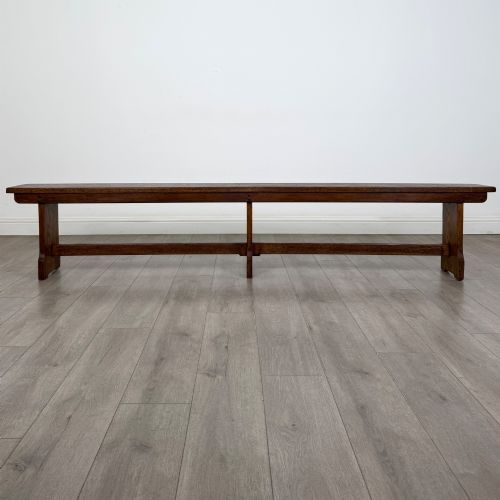
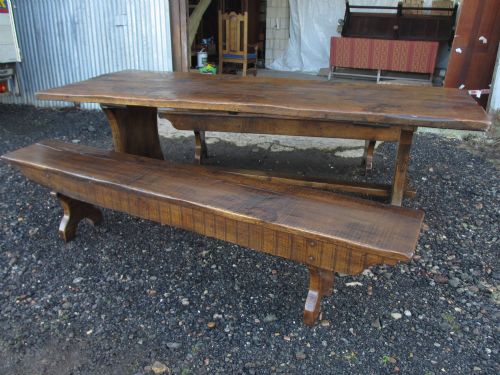
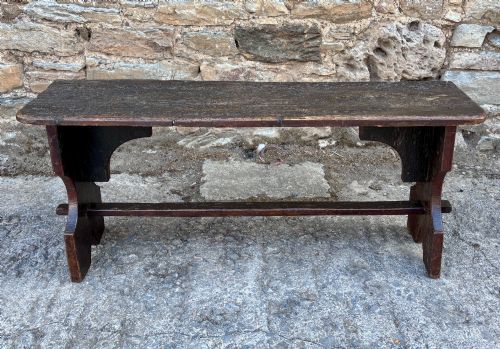
A rustic plank bench delivers honest utility and plain timber character, offering solid seating built for hardworking country spaces.
Rustic Plank Bench
A rustic plank bench provides straightforward seating shaped from solid timber, appearing most frequently in pine, oak, and mixed hardwoods across this selection. These pieces span centuries of practical joinery, originating from farmhouse kitchens, country taverns, and schoolrooms.
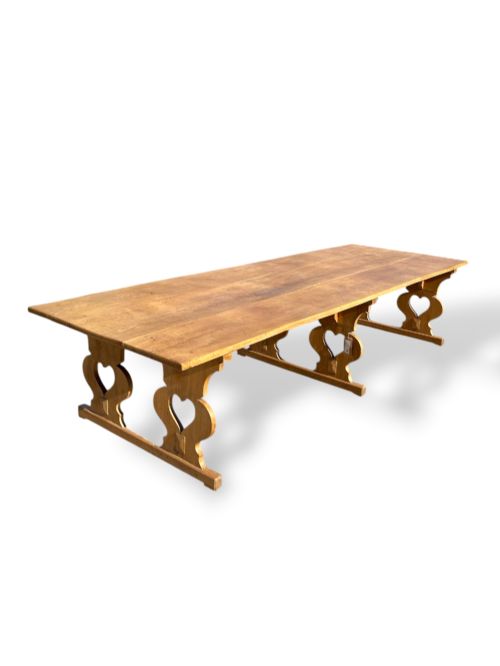
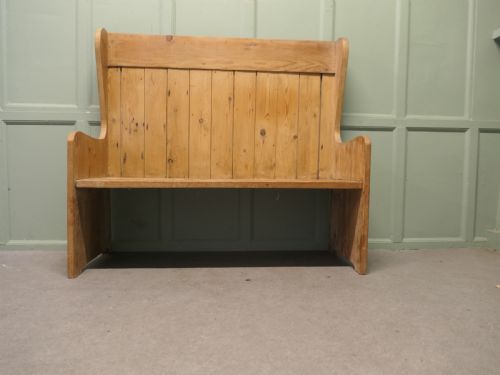
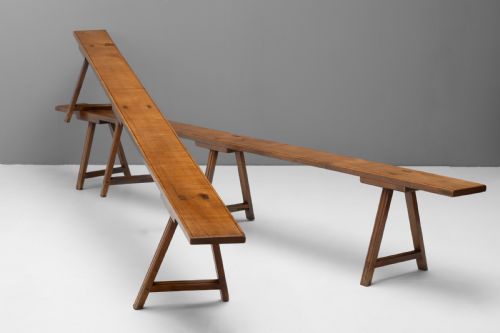
Buyers encounter long tavern forms, high-backed settles, and simple trestle constructions dating from the eighteenth century through the Edwardian era. The domestic and institutional origins dictate the scale, with many examples built for communal dining or fireside warmth.
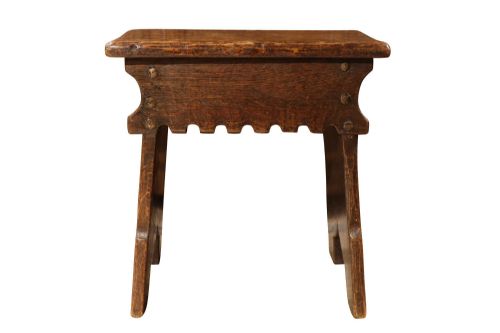
The aesthetic relies on visible grain, pegged joints, and the honest marks of daily use rather than decorative veneer or carving. Such seating suits contemporary hallways and kitchens precisely because the construction remains unpretentious and direct.
Materials and construction
Makers utilised local hardwoods like English oak and cherry alongside softer timbers such as pine, selecting boards wide enough to form a single continuous seat. Pegged construction and heavy trestle ends provide the structural strength necessary for daily utility without relying on metal fixings.
Surfaces developed their character through simple hand-planing and centuries of wax application, leaving the natural grain and knot patterns exposed. Joinery typically involved straightforward mortise and tenon joints secured with wooden pegs.
The selection includes pieces constructed from pine, English oak, and cherry, spanning the eighteenth century through the Edwardian period.
Judgements of quality
Quality rests in the integrity of the original timber and the survival of untouched surfaces rather than crisp decorative detail. A bench retaining its early board thickness and honest patination stands apart from pieces altered or heavily sanded down.
Structural stability depends on the tightness of the pegged joints and whether the main plank retains its original stretcher supports without excessive warping.
The Rustic Plank Bench Glossary
- Plank top
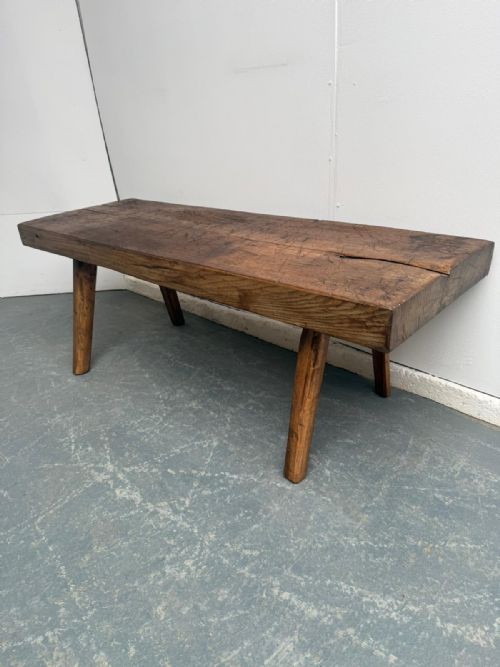
- A solid surface constructed from wide boards joined side by side. This method defines the primary working surface of tables and benches.
- Pegged construction
- A method of joining timber components using wooden pins rather than iron nails. It allows the wood to expand and contract naturally.
- Settle
- A wooden bench featuring a high back and solid arms designed to block cold drafts in domestic rooms. Many include enclosed storage beneath the seat.
- Trestle
- A structural support consisting of a horizontal beam fixed to two splayed legs. This arrangement maximises legroom beneath long benches and tables.
Rustic Plank Bench: Frequently Asked Questions
Where should I place a rustic plank bench?
These pieces fit naturally along a hallway wall, beside a kitchen dining table, or serving as low seating in a living room. Their narrow profile allows them to sit flush against walls without crowding floor space.
Pairing a long timber bench with a refectory table or placing one beneath a window creates a functional seating area that respects traditional proportions.
How do I care for old pine and oak?
Maintain the dry timber surface by applying natural beeswax sparingly and buffing with a soft cloth. Avoid placing wooden benches near direct heat sources that cause the boards to dry out and split.
Protect the open grain from moisture by using coasters and wiping spills immediately with a dry cloth to preserve the historic patina.
Are these benches sturdy enough for daily use?
Most examples were built for heavy domestic, tavern, or institutional service, meaning their mortise and tenon frames remain structurally robust. Regular checking of pegged joints ensures the timber stays firm under normal weight.
While centuries of use bring minor movement, a well-constructed plank seat offers reliable support for modern seating requirements.
How can I tell an older bench apart?
Examination of the underside and joint construction reveals hand-tool marks, trunnel pins, and board shrinkage consistent with earlier centuries. Pine and oak surfaces aged by decades of handling show distinct tonal shifts that modern finishing cannot replicate.
Pay attention to the proportion of the main plank and the type of fixings used to secure the legs to the seat top.