



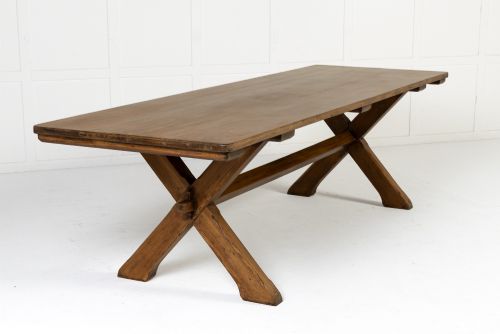
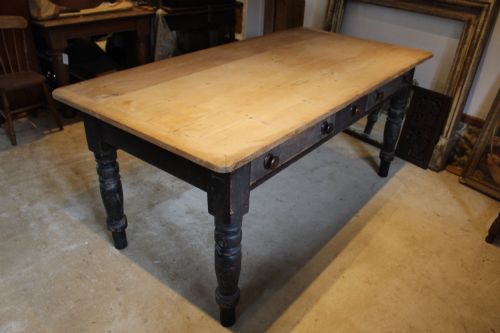
Rustic Pine Table
A rustic pine table brings honest utility and enduring warmth to any room, shaped by decades of domestic use.
Rustic Pine Table
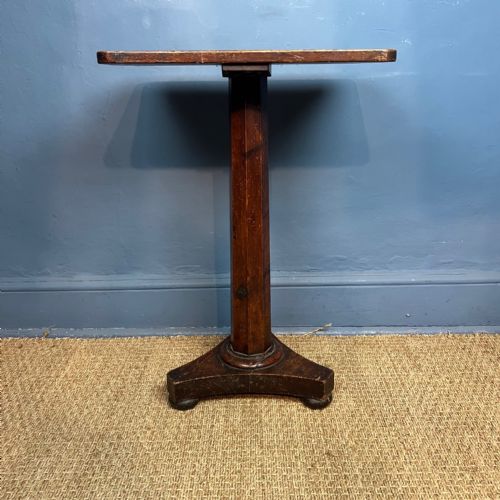
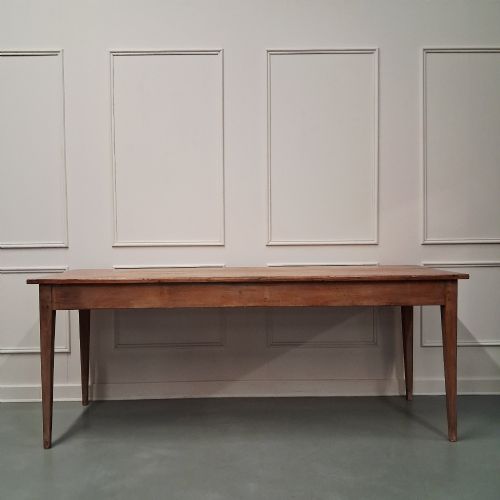
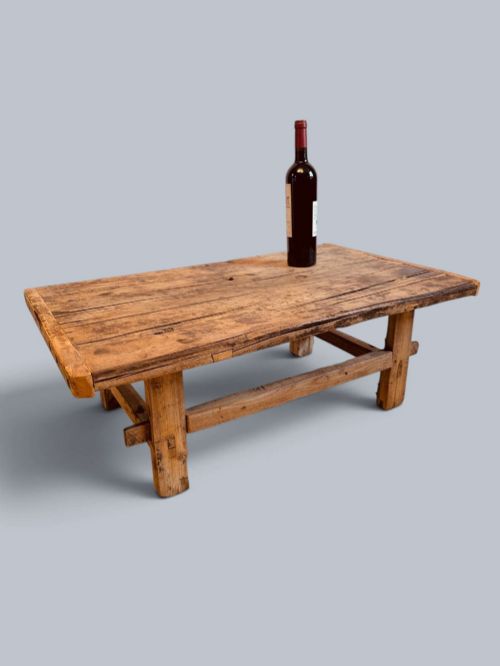
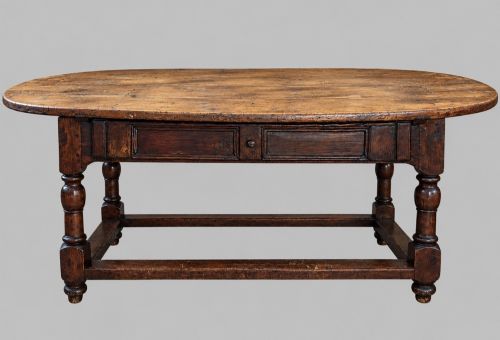
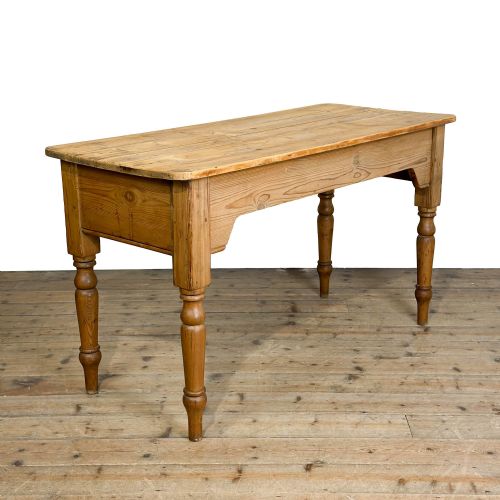
A rustic pine table encompasses sturdy dining boards, generous kitchen work surfaces, and smaller occasional pieces designed for everyday labour and gathering. Most examples meet here from the nineteenth and early twentieth centuries, reflecting utilitarian domestic origins across English, French, and Scandinavian traditions.
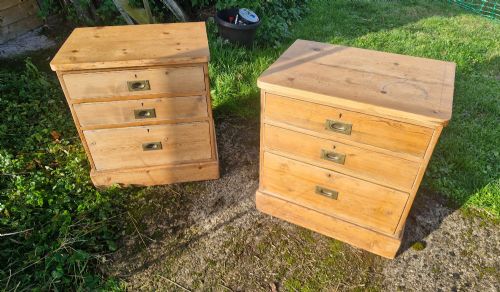
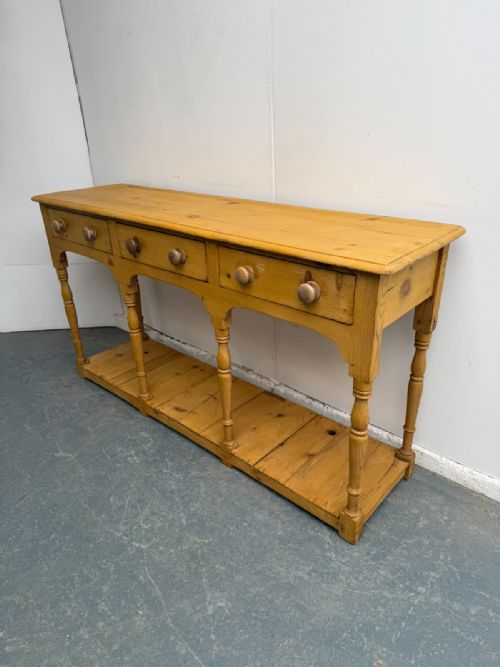
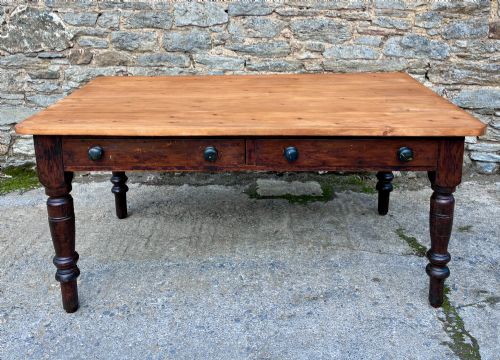
The form spans large harvest and refectory tables intended for family meals to compact cricket tables and sideboards fitted with single or double drawers. These pieces served demanding roles in sculleries, dairies, and farmhouses before finding a place in modern homes.
How they were made
Construction relies heavily on solid pine timbers, frequently augmented by sturdy oak, fruitwood, or pitch pine for structural elements like stretchers and plank tops. Joinery traditions prioritise straightforward pegged mortise and tenon frames designed to endure heavy daily weight and movement.
Surfaces often display traces of original paint, scumble finishes, or weathered timber grain developed through generations of scrubbing and exposure. Brass and iron hardware, including drop handles and drawer pulls, fasten securely to friezes and dovetailed drawer boxes.
Rustic Pine Table Retail Price Guide 2026
Typical asking prices for rustic pine table among the pieces listed under this phrase on Sellingantiques today, from the lower quarter to the upper quarter. They describe what is for sale here now, not the wider market.
Some nineteenth-century tables still bear faint flour dust wedged deep into the grain from decades of kitchen pastry preparation.
What varies in quality
Quality rests in the integrity of the timber selection and the retention of original surface treatments rather than smooth perfection. Tables featuring thick plank tops with minimal warping and intact original painted finishes command greater respect from collectors.
Structural honesty and balanced proportions distinguish utilitarian furniture of higher merit. Fine examples maintain original drawer linings, authentic hardware, and sound joinery without excessive replacement timber.
The Rustic Pine Table Glossary
- Cricket table
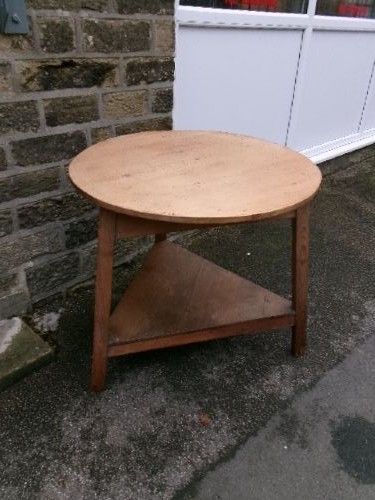
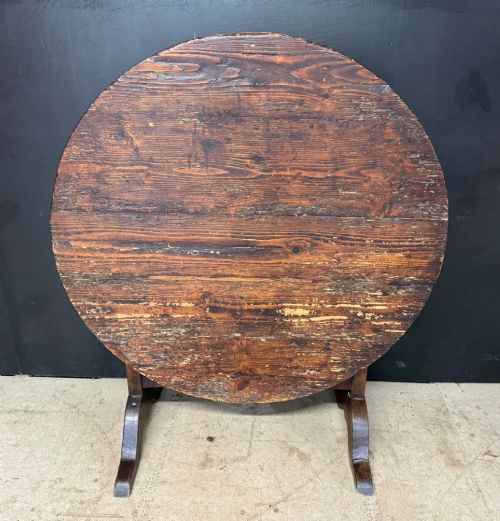
- A small, three-legged occasional table with a round top, traditionally designed to stand steady on uneven farmhouse floors. Its name derives from the three legs resembling the wickets of the game.
- Harvest table
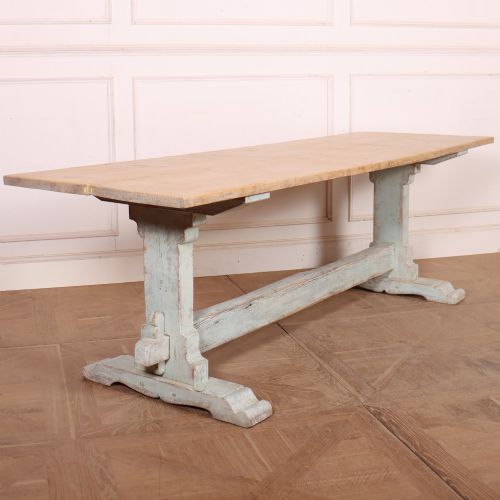
- An elongated dining table built to accommodate large groups during seasonal agricultural gatherings. These pieces often feature narrow proportions and extended lengths supported by sturdy trestles or turned legs.
- Potboard dresser
- A kitchen storage base featuring an open lower shelf designed for storing heavy pots and pans. This lower platform sits just above the floor between the supporting legs.
- Scumble
- A decorative paint technique used to imitate the grain of more expensive hardwoods or to create a mottled, textured surface on pine furniture. The translucent top layer is manipulated with combs or rags while wet.
- Refectory table
- A long, narrow dining table originally built for monastic dining halls and later adapted for domestic farmhouse use. They typically include central stretchers for added foot support and stability.
Rustic Pine Table: Frequently Asked Questions
How do I clean a pine table?
Wipe surfaces gently using a slightly damp cloth with mild soap, avoiding harsh chemical sprays that strip historic finishes. Dry thoroughly to protect the timber grain.
Regular application of natural beeswax nourishes dry pine and maintains the soft sheen developed over generations of use.
Are these tables suitable for daily dining?
These pieces were built explicitly for heavy domestic work, making them remarkably resilient for everyday family meals and kitchen tasks. Their solid wooden construction absorbs normal daily wear without losing structural integrity.
Using placemats and coasters helps protect historic surfaces from moisture rings and excessive heat while preserving the patina.
How do I date an antique table?
Examine the construction methods, tool marks on the underside, and the type of fasteners used within the drawer frames. Hand-cut dovetails and vernacular joinery point toward nineteenth-century or earlier origins.
Surface wear patterns, wood shrinkage, and the presence of original paint layers also offer clear indicators of age and history.