

Traditional Pine Table
A traditional pine table brings working-room utility into a modern space, offering sturdy surfaces shaped by daily domestic use.
Traditional Pine Table
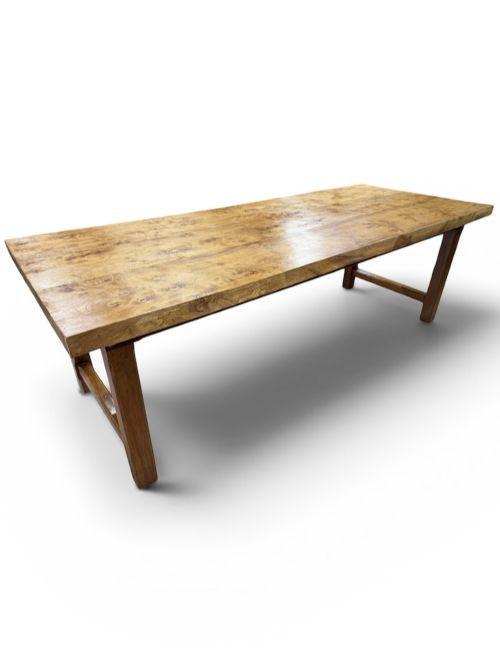
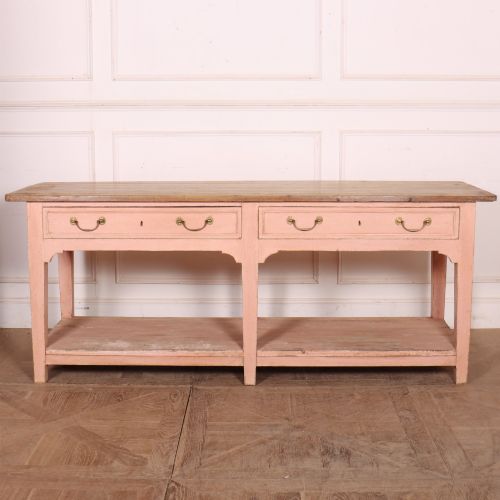
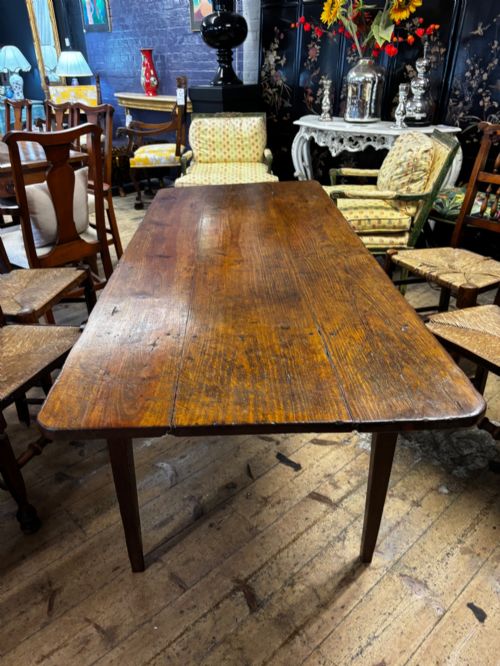
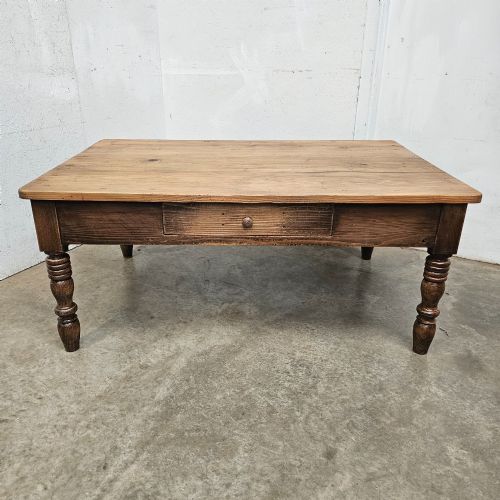
When you search for a traditional pine table, you encounter domestic furniture designed for kitchens, dairies, and farmhouses, predominantly originating from the nineteenth century and the Edwardian era. These pieces span dining tables, kitchen tables, coffee tables, and work surfaces, reflecting the utilitarian needs of rural households.
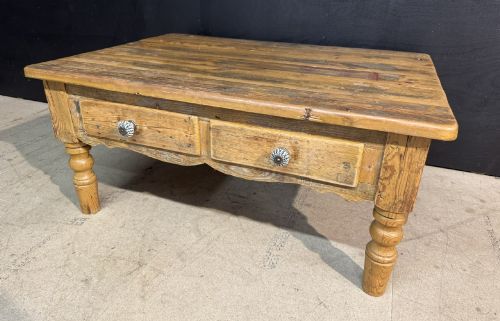
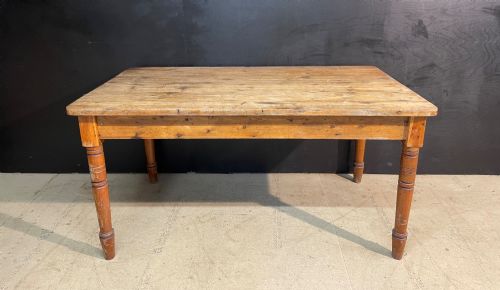
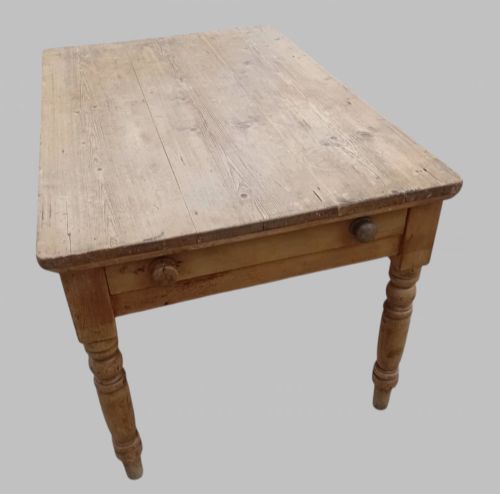
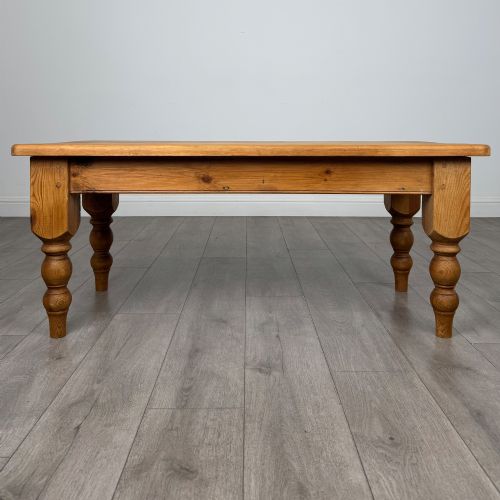
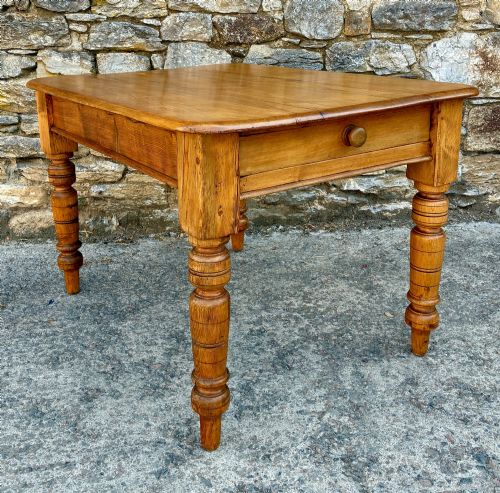
The most common form on this page is the farmhouse kitchen table, often featuring turned or tapered legs and scrubbed wooden tops. Alongside these stand smaller variants such as cricket tables, side tables, and coffee tables adapted from earlier forms.
Origins stretch across English and Scottish country houses and estates, utilising softwoods augmented occasionally by harder timbers like oak and fruitwood for structural endurance. The aesthetic embraces rustic country styles, where decades of scrubbing, waxing, and painting define the surface character.
How they were made
Construction relies primarily on solid pine, supplemented by oak, fruitwood, and pitch pine for elements requiring greater load-bearing strength such as table legs and framework. Brass, iron, and ceramic fixtures appear in drawers, handles, and structural braces, while painted finishes utilise oil or water-based pigments applied over bare timber.
Joinery methods prioritize durability through mortise and tenon joints, pegged frames, and hand-turned wooden components rather than mass-produced metal fasteners. Table tops are frequently constructed from wide pine boards joined side-to-side, designed to withstand heavy daily preparation and scrubbing without warping unduly.
Many nineteenth-century scrub tops bear faint knife grooves and flour dust trapped deep in the grain from forgotten kitchens.
What varies in quality
Quality rests in the integrity of the original construction, the thickness and seasoning of the timber, and the balance of proportions. Tables featuring substantial scrub tops with minimal timber shrinkage and tight joints represent higher craftsmanship than lighter, utilitarian boards built for temporary estate use.
Surface depth and untouched patina differentiate better examples, where natural wear from generations of use enhances the wood rather than masking structural alterations. Original hardware, undisturbed stretcher bases, and honest timber matching elevate a piece above later assembled or heavily restored variants.
The Traditional Pine Table Glossary
- Scrub top
- A bare wooden table top designed to be scrubbed clean with water and sand or stone, resulting in a pale, smooth finish. This technique characterises nineteenth-century kitchen and dairy tables.
- Potboard
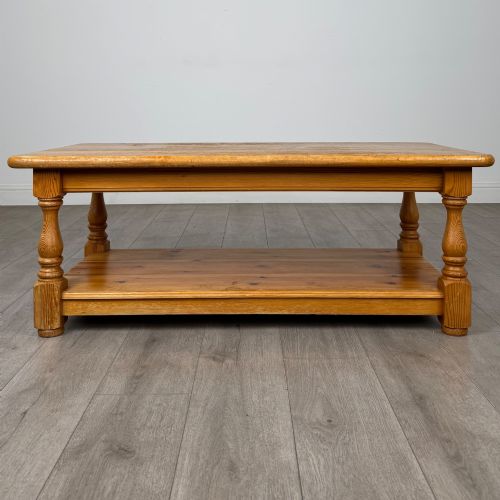
- An open slatted lower shelf fitted between the legs of a dresser base or table, originally used for storing pots and pans. It provides structural stability to the lower frame.
- Cricket table
- A small, lightweight three-legged table dating from earlier vernacular traditions, designed to stand firm on uneven flagstone floors. The triangular leg arrangement prevents rocking.
- Refectory table
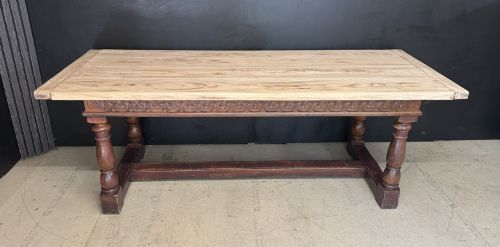
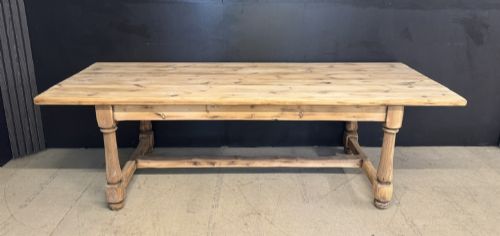
- A long, narrow dining table originally built for communal monastic dining, adapted in later centuries for large domestic kitchens. These often incorporate heavy stretchers near the floor.
- Fruitwood
- Dense timber gathered from fruit-bearing trees such as pear or apple, utilised for turning or contrasting details. It offers a tighter grain than soft pine.
Traditional Pine Table: Frequently Asked Questions
How do I clean a pine table?
Wash the surface using warm water and mild soap with a soft brush, following the direction of the wood grain. Avoid harsh chemical detergents that strip natural oils from the timber.
Dry the wood thoroughly with a clean cloth immediately after washing. Apply beeswax periodically to nourish the pine and maintain a protective barrier against moisture.
Can I use a kitchen table for daily dining?
These tables were originally built precisely for daily domestic labour, including food preparation, dining, and household tasks. Their sturdy construction handles regular family use with ease.
Use coasters and placemats to protect historic surfaces from extreme heat and moisture rings. Embracing existing marks preserves the historical character built over generations.
How do I date an antique pine table?
Examine the construction marks beneath the top, including hand-sawn board widths, tool impressions, and joinery methods. Nineteenth-century examples often display irregular saw marks and pegged joints.
Compare the leg turnings and hardware with documented styles from Victorian and Edwardian periods. Timber shrinkage and patination patterns also offer reliable indicators of age.
Are painted finishes original to these tables?
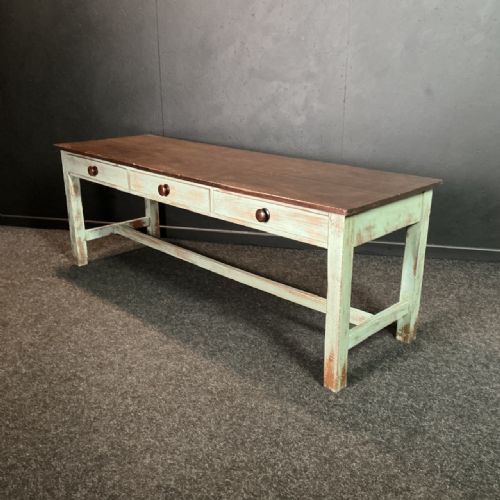
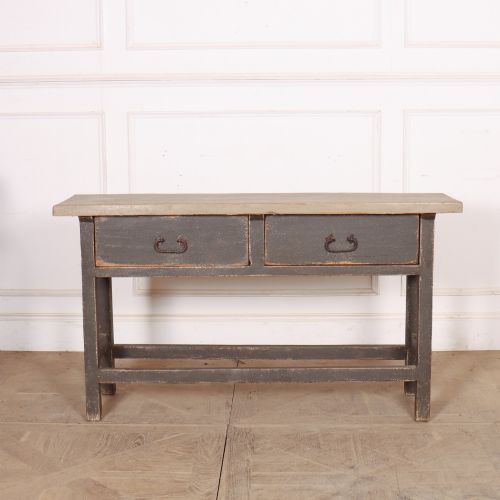
Many utility tables and dresser bases received coats of lead or oil paint during the nineteenth and early twentieth centuries for cleanliness and decoration. Painted surfaces frequently underwent multiple layers over decades of use.
Original paint survives beneath later decorative treatments, often revealed through careful conservation. Scrubbed pine tables generally had their paint stripped during subsequent eras of antique collecting.