
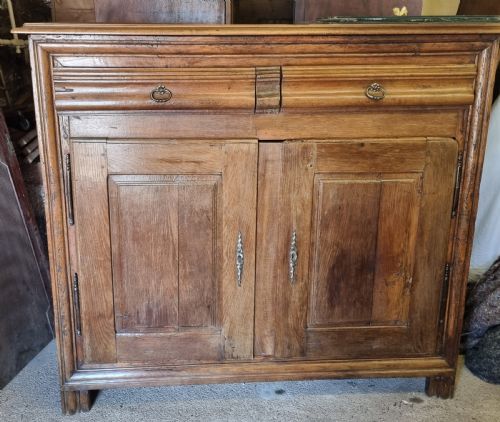
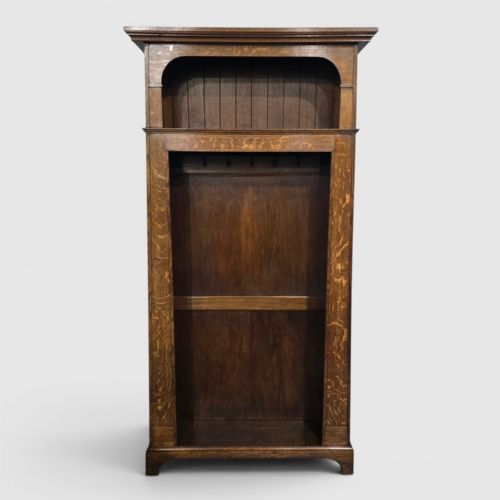
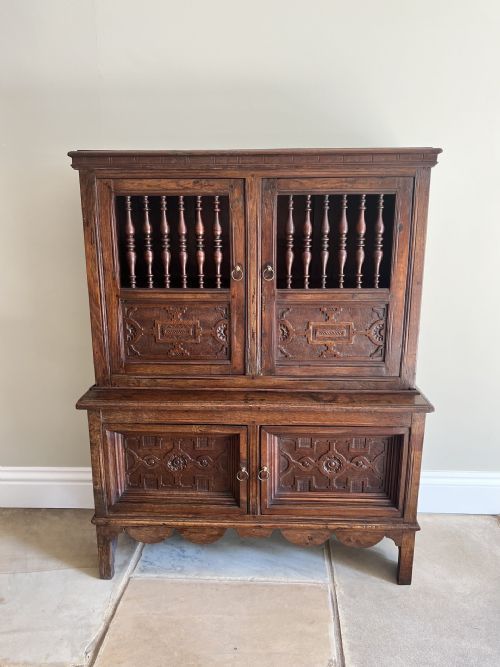

Rustic Oak Storage Cupboard
These rustic oak storage cupboards bring honest, sturdy utility to a room through centuries of enduring timber tradition.
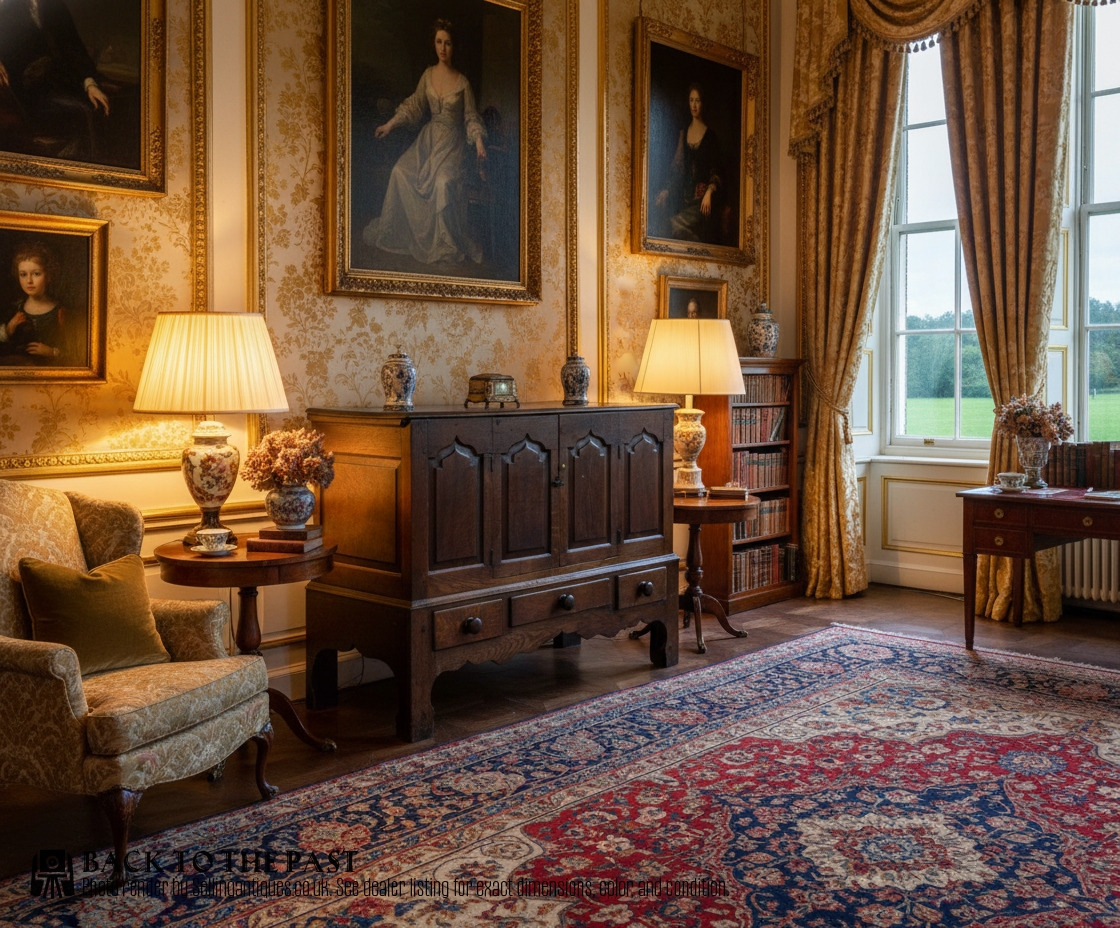
Defining the Rustic Oak Storage Cupboard
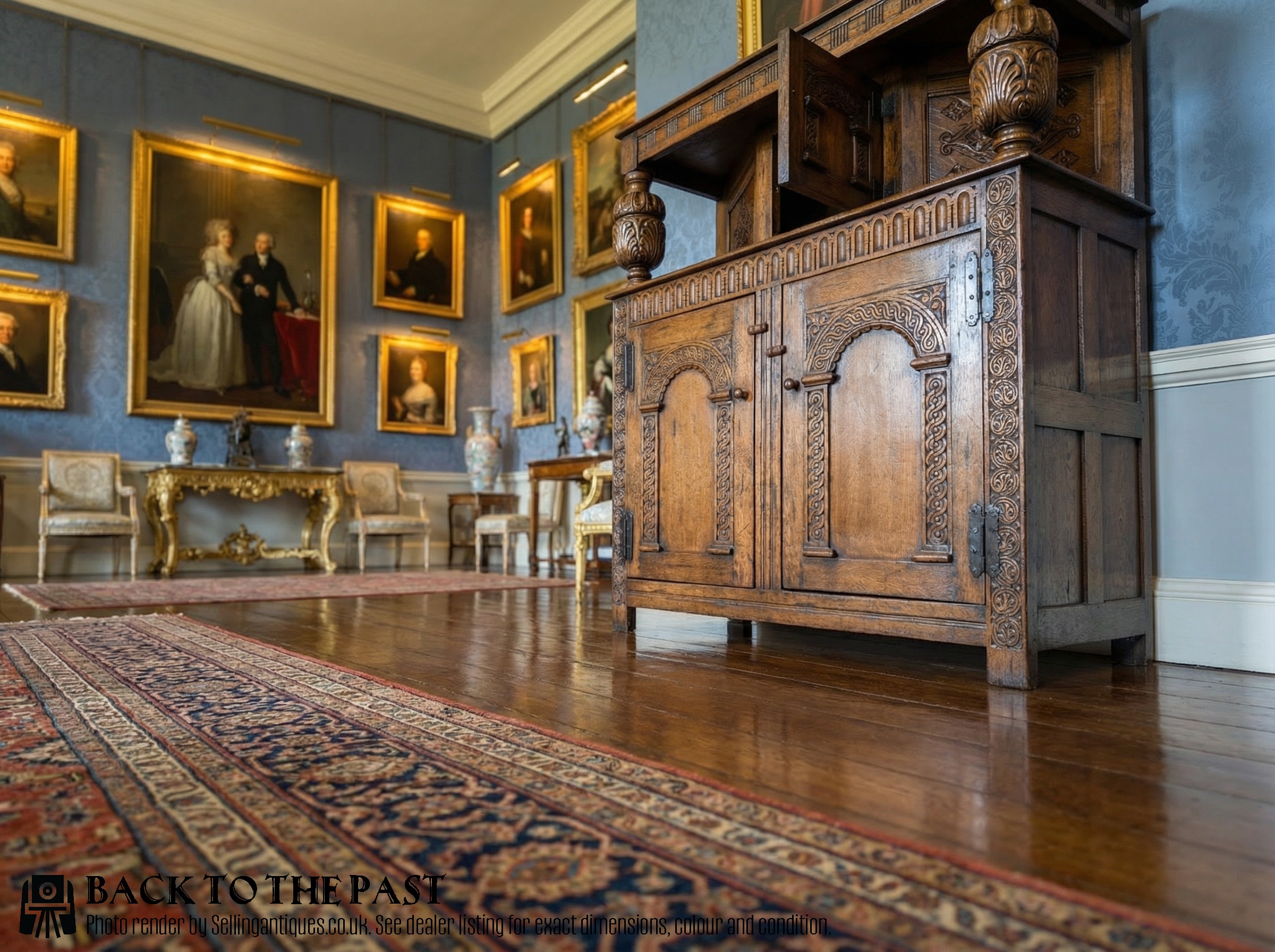
A rustic oak storage cupboard represents a practical tradition of domestic timber work spanning from the seventeenth century through to the twentieth century. These sturdy pieces serve as essential furniture for holding household provisions, linens, and daily wares.
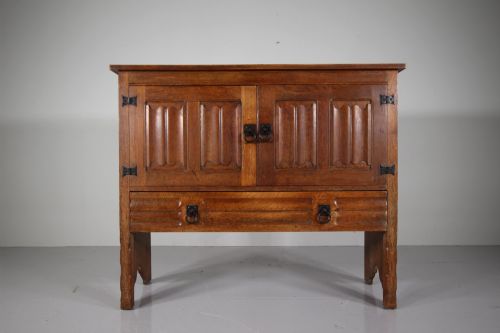
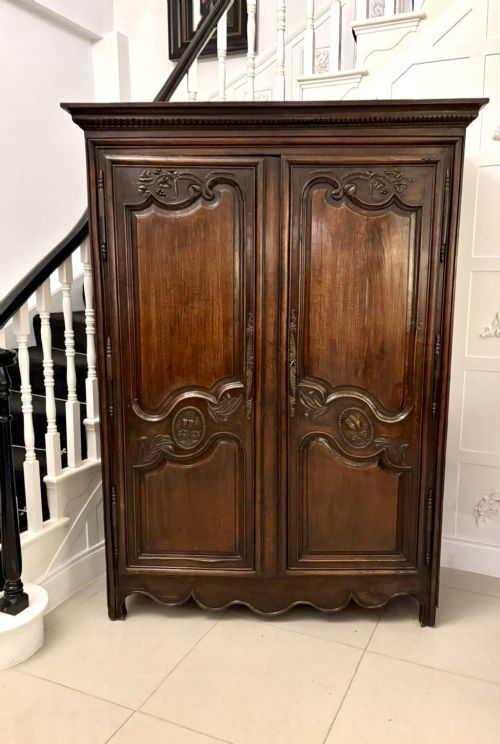
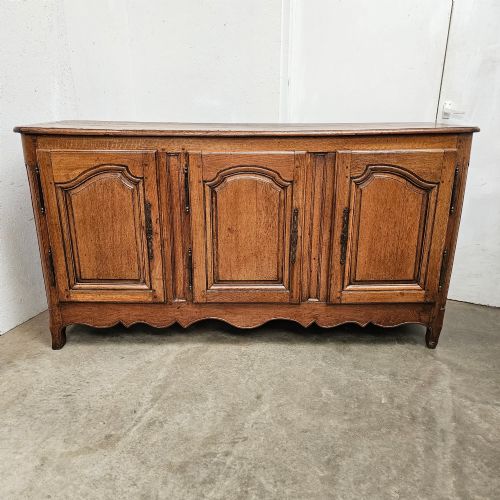
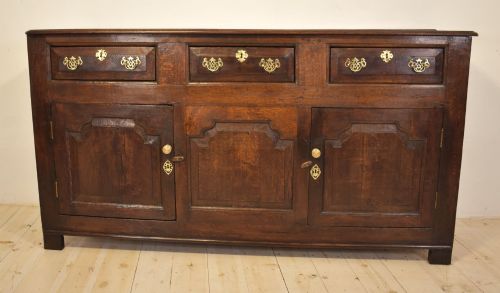
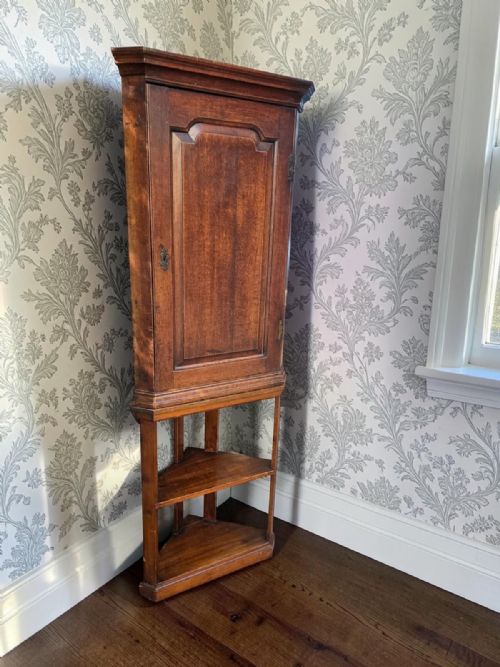
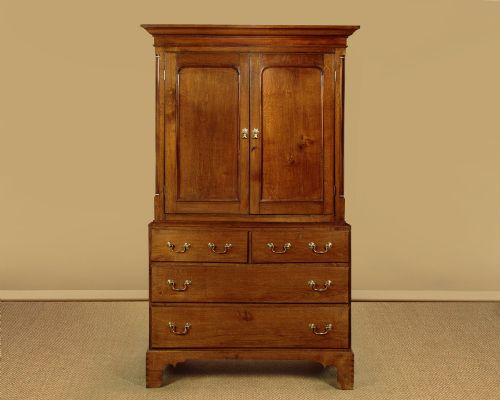
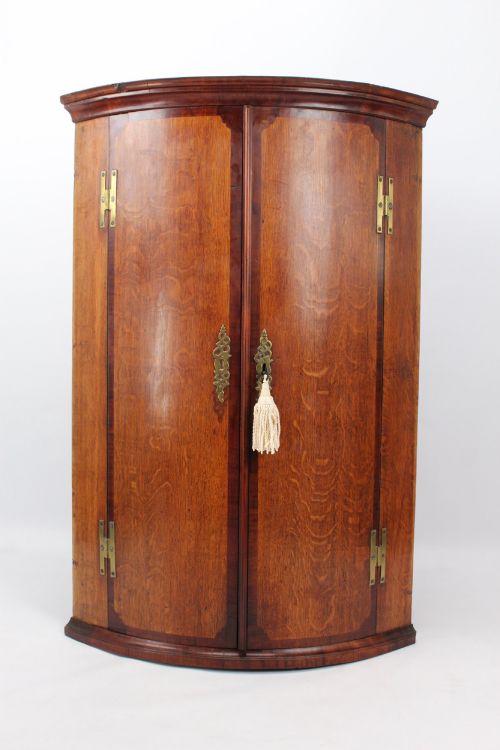
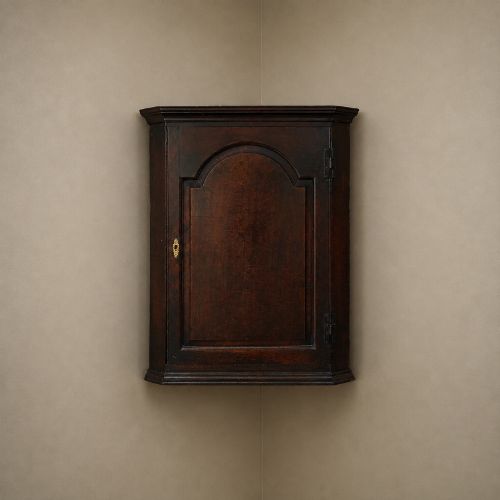
The selections encountered here show distinct regional origins and eras, moving from early carved court cupboards to Georgian kitchen pieces and French provincial forms. Each type reflects the utilitarian needs of its period, built from reliable hardwoods designed to endure.
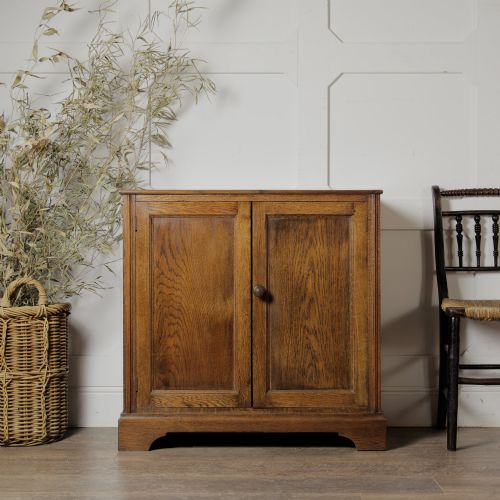
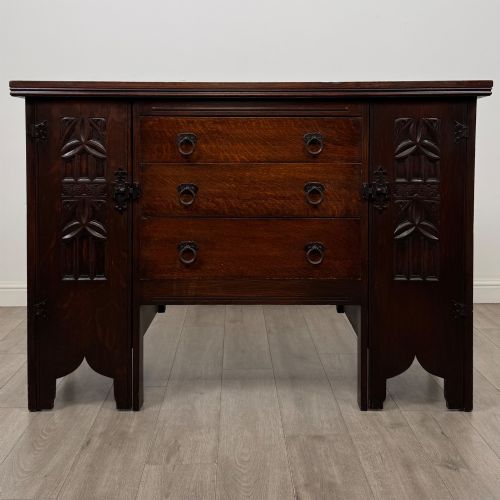
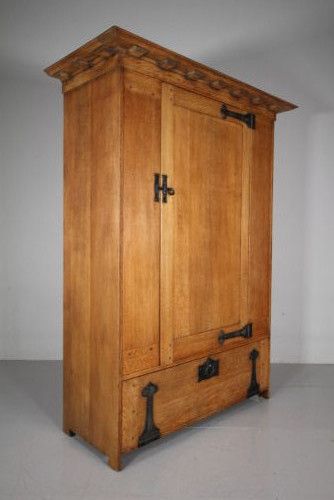
Buyers seeking a rustic oak storage cupboard will find examples ranging from Welsh vernacular dressers to Arts and Crafts designs. The variety captures diverse domestic histories without losing the core utilitarian purpose of solid wood cabinetry.
Materials and Construction
Construction relies heavily on solid oak, frequently paired with secondary timbers like fruitwood for internal elements or contrasting details. Joinery techniques draw upon traditional framing methods that keep large timber panels stable over decades of use.
Metalwork plays a functional and structural role, utilising brass, iron, and wrought iron for hinges, handles, and locks. These forged or cast elements secure heavy doors and reinforce the robust carcase of each cupboard.
Surfaces display various treatments, from early hand-carved ornamentation to later polished finishes that highlight the natural grain of the wood. Craftspeople worked the raw timber using hand tools, leaving subtle tool marks that confirm age and manual fabrication.
Retail Price Guide 2026
Typical UK retail prices for rustic oak storage cupboard, calculated from the Sellingantiques database of over a million retail prices indexed since 2003. This retail price guide relies exclusively on Sellingantiques data; no external sources or auction records are used, so the figures do not describe the wider market.
Housemaid cupboards once kept drafty corridors warm by storing linens near the chimney flues.
Assessing Quality and Character
Quality in these cupboards rests on the integrity of the timber selection and the retention of original structural components. Pieces that maintain their primary hardware, such as period brass or iron hinges, offer greater historical coherence than those with later replacements.
The refinement of the carving and the balance of proportions distinguish standard vernacular pieces from masterworks of specific workshops. Subtle details in moulding and panel assembly reveal the skill of the original maker without relying on superficial decoration.
Heals
The Rustic Oak Storage Cupboard Glossary
- Court cupboard
- A traditional enclosed piece of furniture featuring upper and lower tiers, often used for displaying plate or storing provisions. These early forms typically display rich carved detailing.
- Vernacular
- Architecture or furniture built by local craftspeople using regional traditions and readily available materials rather than high court designs. This approach ensures a direct connection to local domestic history.
- French provincial
- A style originating from regional France that balances rustic utility with refined decorative flourishes. Pieces from this tradition often combine oak with fruitwood.
- Press cupboard
- A heavy storage item designed with enclosed shelving compartments for household linens and garments. They represent robust early joinery.
Frequently Asked Questions
What rooms suit a rustic oak storage cupboard?
These robust cabinets fit naturally into kitchens, dining rooms, or hallways where practical storage is required. Their solid timber presence grounds a space and brings warmth to contemporary or traditional interiors.
The deep shelving and sturdy doors accommodate heavy crockery, table linens, or everyday clutter. Choosing a specific period piece allows the furniture to function as a focal point while serving daily domestic needs.
How do I date an antique oak cupboard?
Dating relies on observing construction methods, hardware types, and stylistic carving patterns characteristic of specific centuries. Seventeenth-century examples often display heavy panel construction and distinct geometric or floral carving.
Later nineteenth and twentieth-century pieces incorporate different moulding profiles and manufacturing techniques. Examining the interior timber and backboards provides further clues regarding the era of fabrication.
Are these cupboards made of solid oak?
Most examples utilise solid oak for the primary frame, doors, and visible panels, ensuring long-term durability. Secondary woods like fruitwood sometimes appear in regional pieces or internal elements.
This commitment to hardwood construction explains the considerable weight of these items. The heavy timber resists warping and supports deep shelving without sagging over time.
How should I care for polished oak?
Maintaining polished oak involves keeping the timber away from direct heat sources and extreme humidity fluctuations. Regular dusting with a soft cloth preserves the finish without building up heavy wax residues.
Occasional light feeding with appropriate furniture wax maintains the moisture balance of the grain. This simple routine protects the patina developed over centuries of use.