


Rustic Oak Entryway Bench
A rustic oak entryway bench brings immediate warmth to a hallway, offering sturdy seating and historic character from centuries past.
Rustic Oak Entryway Bench
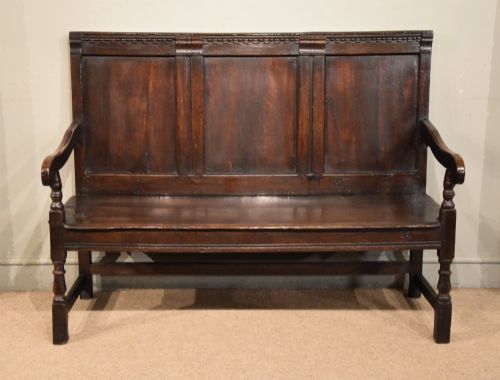
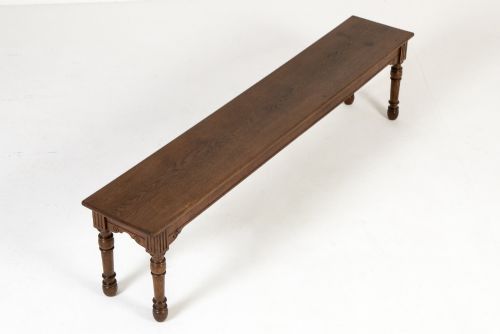
A rustic oak entryway bench serves as a practical and welcoming focal point in a hallway, combining traditional seating with substantial historic presence. When searching for a rustic oak entryway bench, buyers encounter a variety of period forms including robust settles, panelled hall seats, and low window benches. These items date primarily from the eighteenth and nineteenth centuries, with occasional examples from the Edwardian era and the early twentieth century.
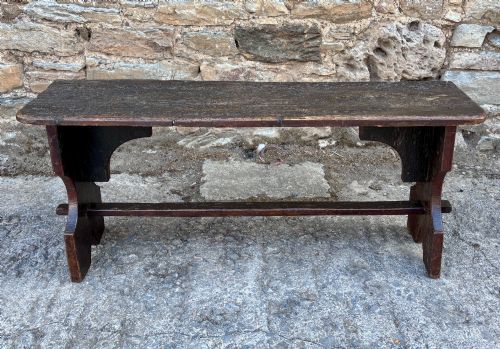
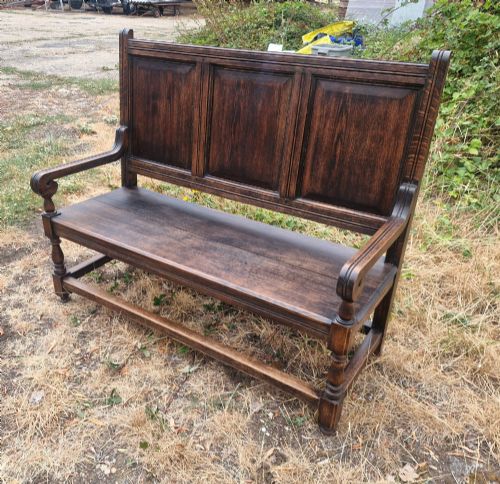
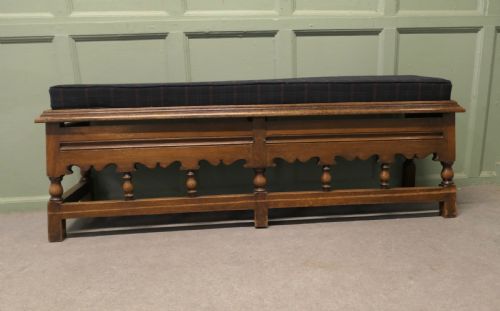
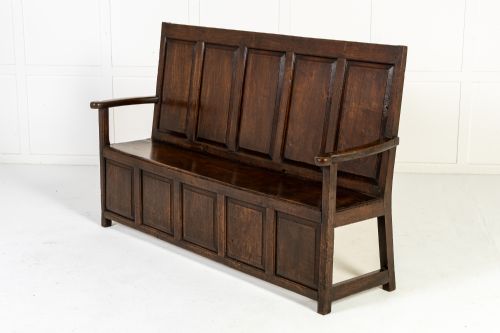
The selection ranges from tall-backed panelled oak settles designed to block cold draughts to low-slung window seats and boot stores. Construction styles span rustic country and Georgian traditions through to Victorian interpretations, Jacobean revival pieces, and Arts and Crafts designs. Oak forms the primary structural material, often accompanied by timber, cherrywood, pine, rush, fabric, tweed, and wool.
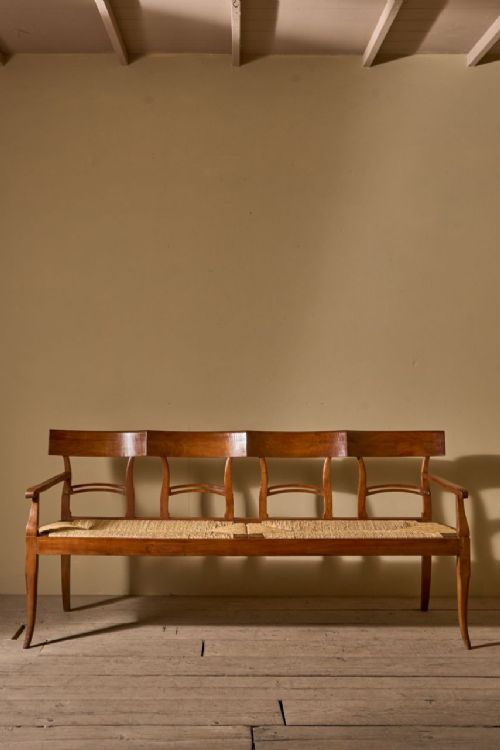
Origin and regional character vary significantly across the inventory, encompassing English country workshops and French provincial examples. Hall benches and settles often feature high panelled backs, integrated storage spaces, or woven rush seats designed for daily utility. Choosing a piece depends upon the available space in a corridor and the desired balance between open seating and high-backed enclosure.
How they were made
Cabinet makers and country joiners constructed these benches using solid native timbers, predominantly relying on oak for its exceptional durability and strength. Traditional joinery techniques such as mortise and tenon joints held the heavy frameworks together, often secured with wooden pegs rather than metal fastenings.
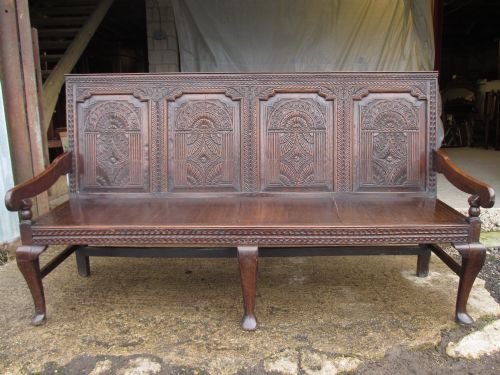
Surface treatments and upholstery varied according to the period and specific form of the bench. Some pieces display hand-carved panelling and limed finishes, while others incorporate natural rush seating, woven tweed, wool, or traditional fabric squab cushions.
Periods represented span the eighteenth century, the Victorian era, the Edwardian period, and early twentieth-century production.
What varies in quality
The degree of hand-carving and the sophistication of the joinery set finer examples apart from simpler utilitarian pieces. Crisp detailing on panelled backs and the integration of original timber elements indicate superior regional craftsmanship.
Condition and originality dictate the standing of an individual bench within the range. Pieces retaining their early surface patination, original rush work, or authentic structural integrity command greater appreciation among collectors.
The Rustic Oak Entryway Bench Glossary
- Settle
- A wooden bench with a high panelled back, solid arms, and frequently a box base for storage. Designed to keep out cold draughts in historic hallways and farmhouses.
- Hall bench
- A narrow seating item designed for corridors and entrance spaces. These pieces often incorporate umbrella stands, boot storage, or open under-seat areas.
- Rush seat
- A woven seating surface made from dried marsh grasses. This traditional technique provides a resilient and comfortable base.
- Limed finish
- A surface treatment historically applied to timber to protect it and produce a pale, weathered appearance. It highlights the open grain of the oak.
- Panelling
- Wooden sheets fitted within a frame to form flat or decorated surfaces on the backs and sides of settles. This method accommodates the natural seasonal movement of solid timber.
Rustic Oak Entryway Bench: Frequently Asked Questions
How do I use a settle?
A settle serves as practical hallway seating, offering a high back that provides a sense of enclosure and shelter from draughts. Many examples include integrated storage beneath the seat for boots and everyday items.
Positioning a settle in an entrance hall creates an immediate focal point while establishing a dedicated spot for putting on shoes before leaving the house.
What is an 18th century settle?
An eighteenth-century settle is a traditional wooden bench constructed primarily from solid oak, featuring a tall back and solid arms. These pieces were built by local joiners to withstand daily household use in farmhouse kitchens and large hallways.
Over the centuries, the wood develops a rich, deep patination that highlights the traditional joinery and natural grain of the timber.
How do I care for antique oak?
Maintaining antique oak requires keeping the furniture away from direct heat sources and sudden humidity changes to prevent the timber from splitting. Regular dusting with a soft, dry cloth preserves the natural surface.
Occasional application of traditional beeswax feeds the wood and helps maintain the historic lustre of the finish without building up heavy chemical layers.
Are these benches comfortable?
Many historic benches feature wooden seats designed for durability rather than soft lounging, though some variations incorporate woven rush panels or upholstered cushions. Adding a loose tweed, wool, or fabric squab cushion increases comfort for daily seating.
The high wooden back of a settle provides excellent physical support and creates a cosy, sheltered sitting area within an entryway.