
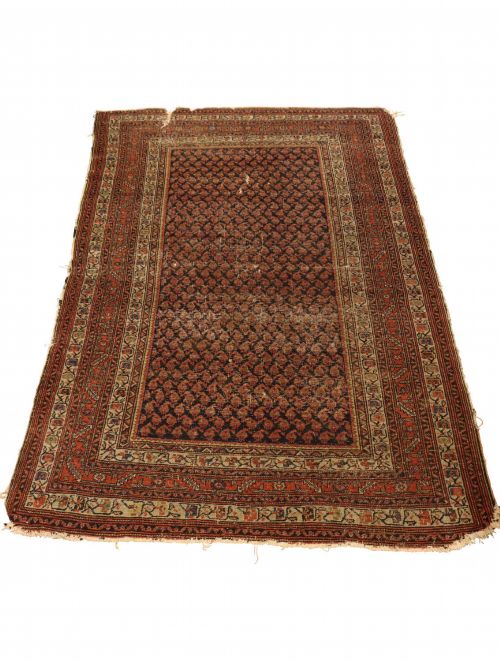


Rust Red Wool Rug
A rust red wool rug brings warmth and deep regional character to a room through traditional hand-knotted patterns.
Rust Red Wool Rug
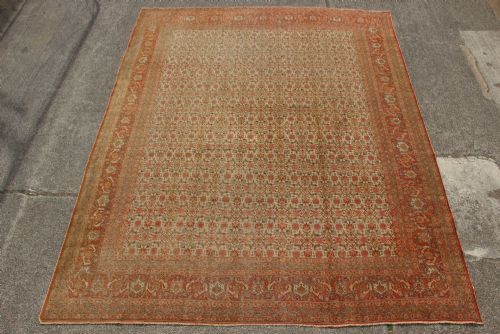
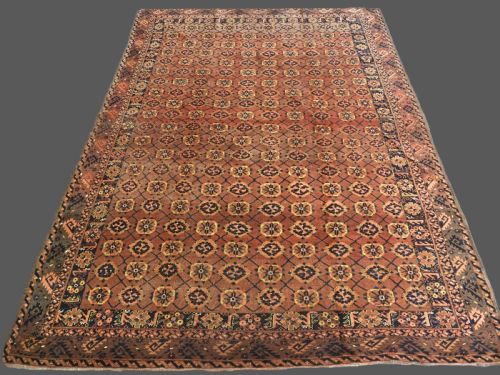
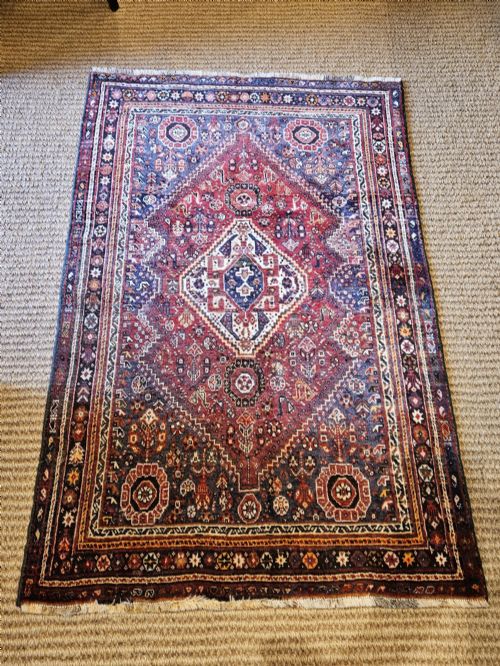
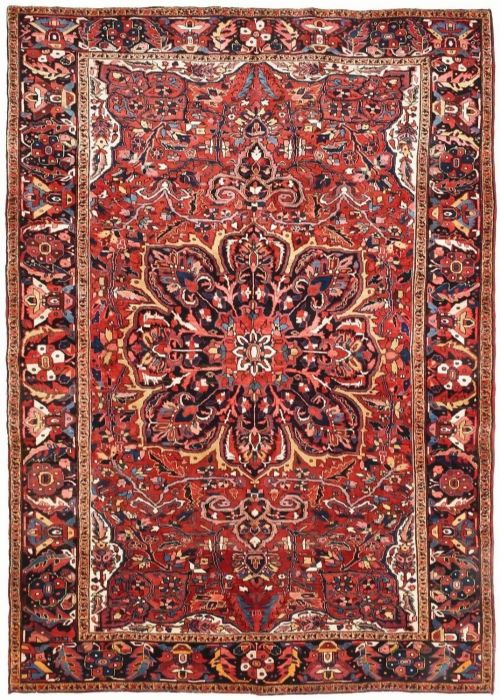
A rust red wool rug encompasses hand-knotted carpets and tribal floor coverings originating from Persia and Central Asia. The selection on this page centres heavily on antique Heriz, Tabriz, and Baluch examples produced between the mid-nineteenth century and the early twentieth century.
Buyers will encounter various formats ranging from small scatter rugs and torbas to large country house carpets. Village and tribal pieces dominate the selection, bringing varied geometric layouts and boteh motifs to domestic interiors.
How they were made
Weavers constructed these textiles primarily using durable sheep wool for the pile, combined with cotton foundations for structural stability. Certain tribal pieces also incorporate goat hair into the outer selvedges or foundation to increase resilience.
Dyers utilised natural materials to achieve deep rust red backgrounds and contrasting indigo or ivory details. Artisans hand-knotted each piece individually, resulting in dense piles designed for heavy domestic use.
The listings span production dates from eighteen-fifty to nineteen-thirty, with wool as the primary pile material across Persian and Turkmen styles.
What varies in quality
Knot density and structural tightness set finer workshop carpets apart from coarser village productions. A higher knot count allows for sharper botanical and geometric definition across the field.
The precision of the dye work and the consistency of the wool spinning dictate the visual depth of the rust red tones. Well-preserved foundations and secure original borders separate superior survivors from heavily restored examples.
The Rust Red Wool Rug Glossary
- Boteh
- A stylised almond or pear-shaped motif representing a floral spray or cypress tree. This ancient design appears frequently in Persian and tribal weaving.
- Gul
- An octagonal medallion or floral motif characteristic of Turkmen and Central Asian carpets. Multiple guls usually repeat in rows across the central field.
- Torba
- A small utilitarian wall-hanging bag or storage sack produced by tribal groups. These pieces often feature intricate geometric designs and specialised flat-woven backs.
- Heriz
- A style of large geometric carpet originating from north-west Persia. They are known for bold central medallions and sturdy wool construction.
Rust Red Wool Rug: Frequently Asked Questions
Where were rust red wool rugs made?
These textiles originate primarily from Persian centres and Central Asian tribal regions. Weavers in towns and nomadic camps produced them using regional dyeing and knotting traditions.
Production spanned established workshops in cities like Tabriz and Khorasan, alongside village output from Heriz, Baluch, and Ersari communities.
How do I care for an antique rug?
Protect the wool fibres by vacuuming gently without a rotating brush head. Keep the piece out of direct sunlight to prevent fading of the natural rust red dyes.
Rotate the carpet periodically to ensure even wear across high-traffic areas. Professional cleaning tailored to antique textiles should be used when necessary.
What is a tribal rug?
A tribal rug is woven by nomadic or village groups rather than urban workshops. These pieces typically display memory-driven geometric patterns rather than pre-drawn cartoon designs.
They often incorporate goat hair or varied wool grades into the foundation, reflecting the materials immediately available to the makers.
How can I tell the age of a rug?
Assess the natural dye palette, structural materials, and wear patterns across the wool pile. Older pieces from the nineteenth century often show subtle abrash where dye batches shifted.
Examine the construction of the fringes, selvedges, and knotting style to place the piece within the active production periods of specific weaving groups.