
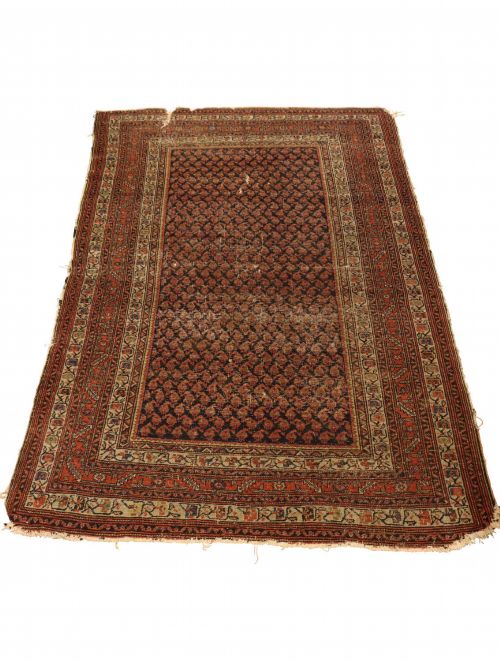


Rust Red Area Carpet
A rust red area carpet brings deep warmth and historic character to a room, offering timeless floor coverings woven by regional hands.
Rust Red Area Carpet
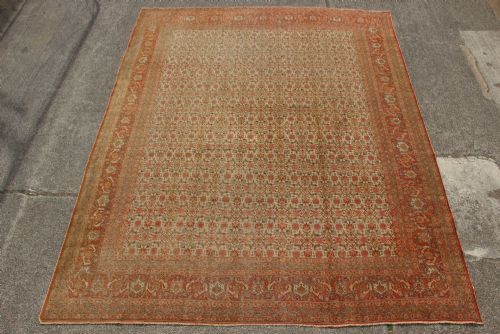
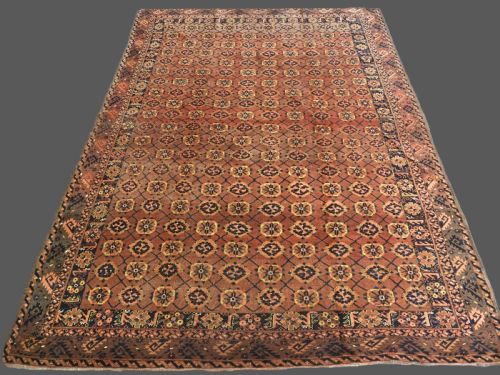
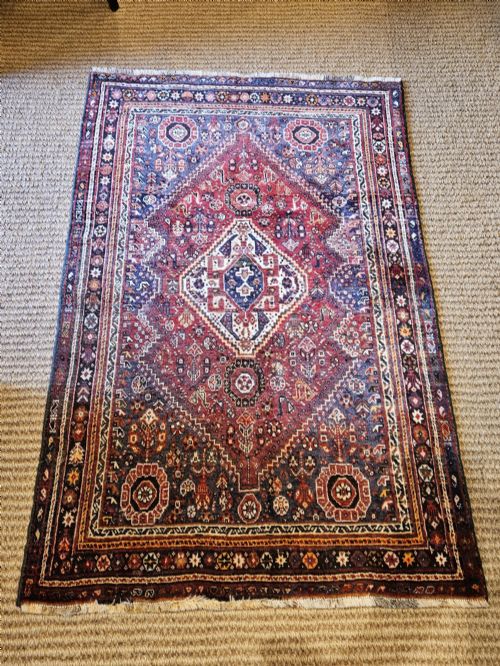
A rust red area carpet encompasses floor coverings originating from nineteenth and early twentieth-century workshops and tribal groups, predominantly spanning Persian and Turkmen styles. Buyers encounter various formats here, ranging from small nomadic rugs to large country house carpets, often defined by rich terracotta and rust backgrounds.
Materials and construction
Makers constructed these floor coverings primarily using hand-knotted wool, cotton foundations, and occasional goat hair details. Natural dye methods produced the characteristic rust, madder, and terracotta tones seen across the surviving examples.
Weavers tied dense piles onto warp and weft threads, creating durable structures designed to withstand decades of heavy use. Tribal and village workshops relied on upright looms, passing traditions down through generations without industrial machinery.
The listings span eight distinct decades of production, ranging from 1850 to 1930.
Assessing quality
Quality rests upon knot density, the precision of the geometric or floral design, and the integrity of the wool. Finer examples display intricate drawing and tightly packed piles that retain their resilience after a century or more of foot traffic.
The depth and saturation of the rust red dye influence visual appeal, as skilled dyers achieved complex, variegated shades. Variations in handling and regional wool quality separate standard village pieces from master workshop carpets.
The Rust Red Area Carpet Glossary
- Boteh
- A traditional almond-shaped or paisley motif representing a floral spray or cypress tree. It appears frequently in Persian weaving.
- Heriz
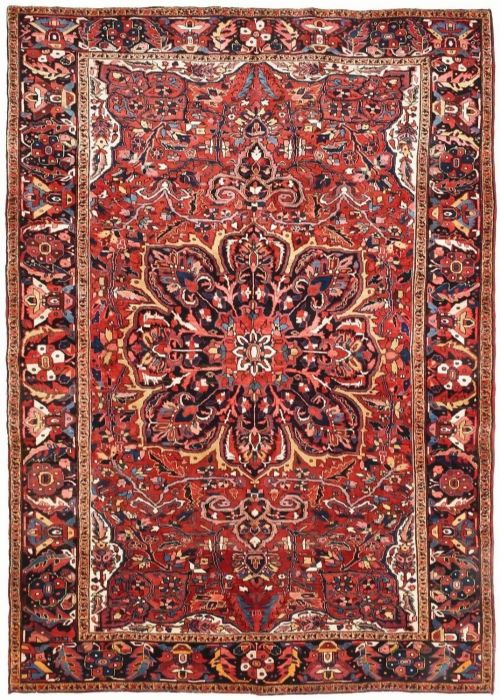
- A style of carpet originating from north-west Persia, known for bold geometric medallions and robust structural wool. These pieces often feature large-scale central motifs.
- Gul
- An octagonal or medallion-like tribal stamp repeated across Turkmen and Baluch weavings. Each design often identifies a specific clan or lineage.
- Warp
- The stationary vertical threads stretched on a loom that form the structural foundation of a rug. Weft threads are woven horizontally across them.
Rust Red Area Carpet: Frequently Asked Questions
How do I clean an antique carpet?
Gentle surface brushing and professional specialist washing preserve the natural wool fibres without disturbing the dyes. Avoid harsh chemical agents and excessive water exposure.
Regular light vacuuming without a rotating power head prevents dust accumulation in the pile. Rotating the floor covering periodically ensures even wear patterns from sunlight and foot traffic.
Where were these rugs made?
The pieces originate from workshops, villages, and nomadic tribes across Persia, Central Asia, and surrounding regions. Major centres include Heriz, Tabriz, Ushak, and Khorasan.
Specific tribal groups such as the Baluch and Ersari produced distinct styles governed by local materials and traditional iconography. Geography dictates the palette, knotting technique, and structural foundation.
Are these carpets suitable for heavy traffic?
Hand-knotted wool rugs possess exceptional natural durability, making them well-suited for hallways, living rooms, and dining spaces. The lanolin in traditional wool resists dirt and everyday friction.
Purchasing a quality underlay provides cushioning and prevents slipping while reducing direct abrasion against hard floors. Proper placement extends the working life of nineteenth and early twentieth-century textiles.
How do I identify a Heriz carpet?
Heriz carpets typically feature a bold, large-scale geometric central medallion flanked by angular corner spandrels. The palette often relies on strong rust red and deep indigo tones.
The foundation uses robust cotton threads, producing a stiff, heavy handle that lies flat on the floor. This structural rigidity separates Heriz pieces from finer, more pliable Tabriz or Isfahan weaves.