

Royal Worcester Porcelain Plate
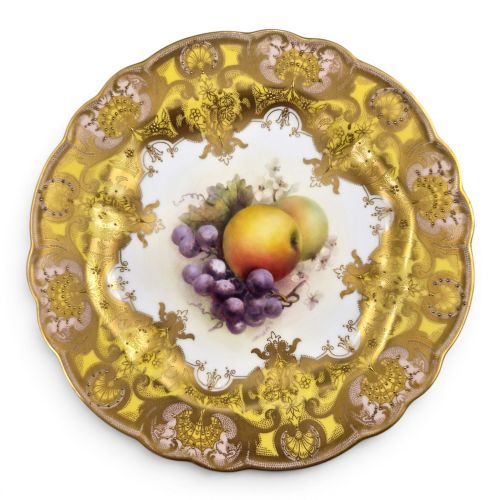
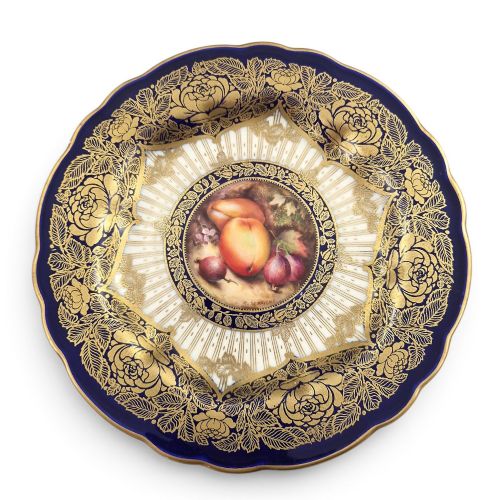
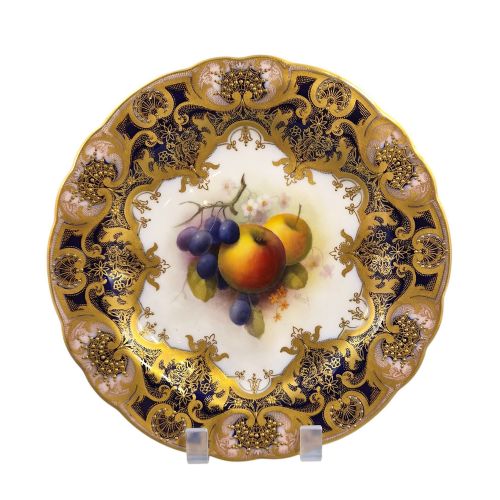
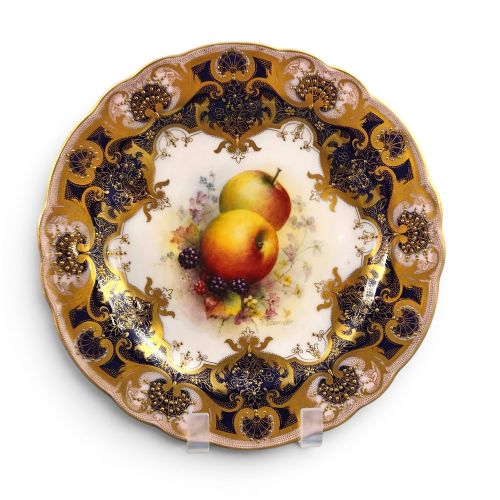
A royal worcester porcelain plate brings hand-painted fruit, swans, and intricate gilding directly from Staffordshire workshops into a collector's cabinet.
Royal Worcester Porcelain Plate
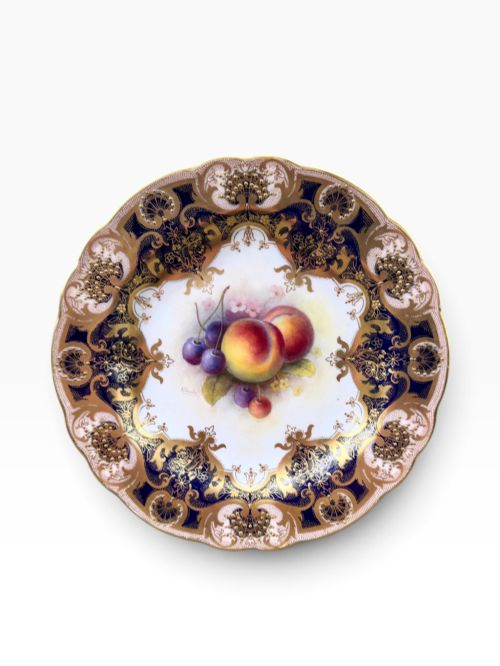
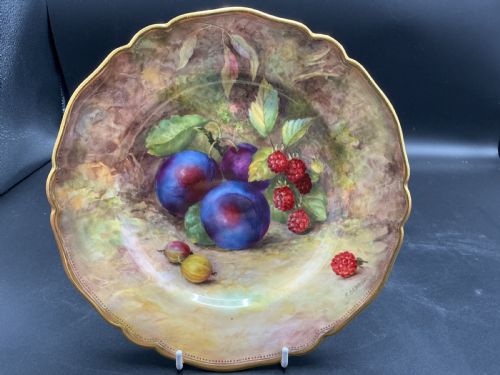
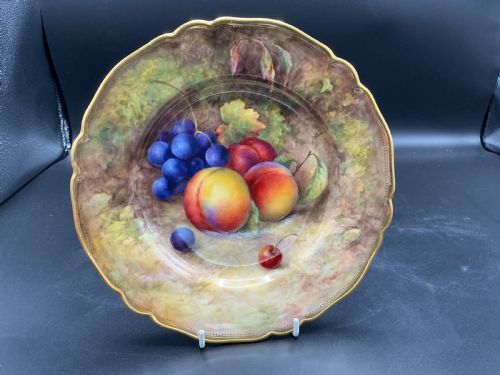
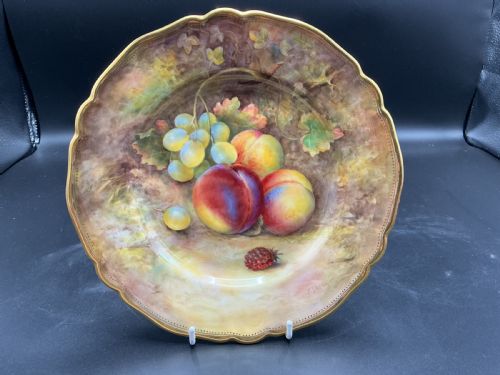
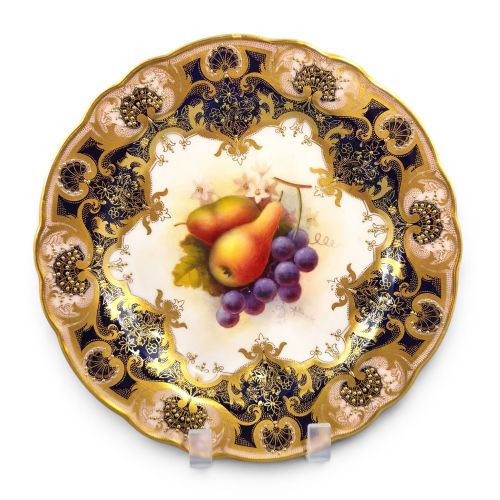
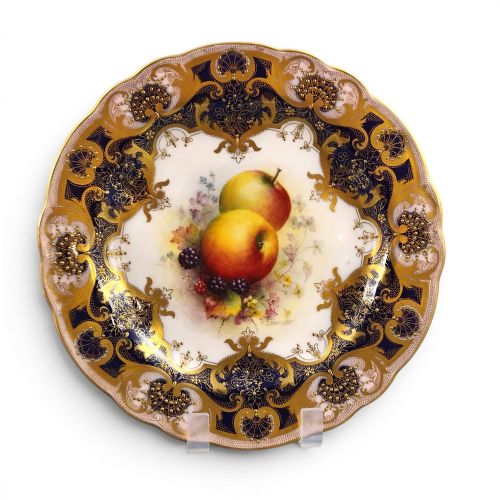
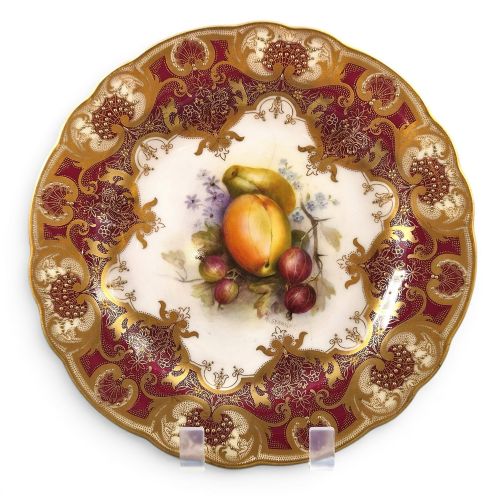
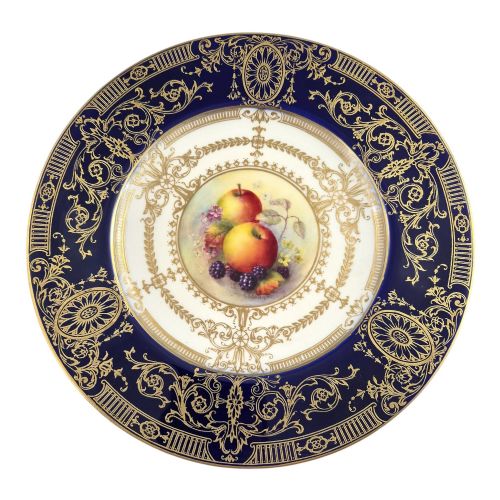
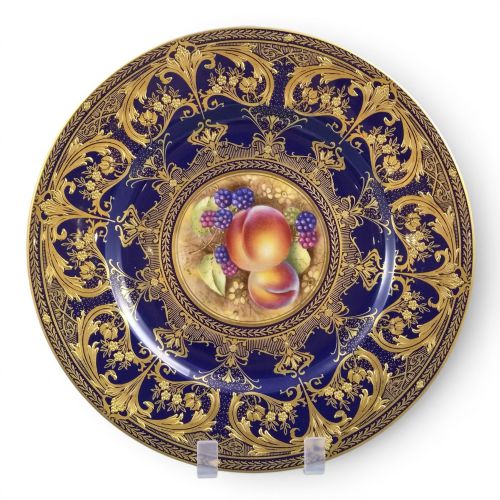
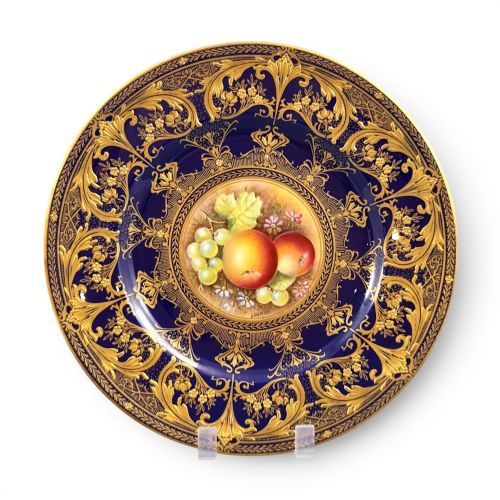
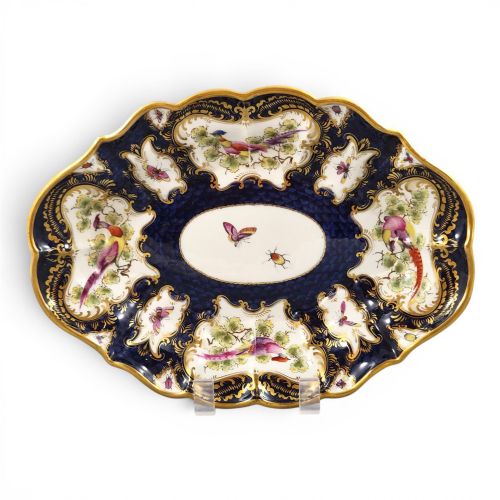
A royal worcester porcelain plate comprises various forms such as cabinet plates, dessert dishes, and soup dishes designed for display rather than everyday dining. The pieces you encounter most often span the Victorian, Edwardian, and mid-twentieth-century periods, showcasing botanical, avian, and fruit subjects.
The selection ranges from elaborate rope-edge dessert plates to delicate blush ivory tea trios and cobalt-ground cabinet pieces. Master artists frequently signed these works, connecting specific pieces directly to the notable hands that painted them.
How They Were Made
Makers utilised fine porcelain and bone china as the primary canvas, applying layers of paint, enamel, and rich gold leaf or gilding. Skilled artisans combined hand-painting techniques with detailed tooled gilding to create raised borders and textured backgrounds.
Firing processes secured the polychrome enamels and metallic lustre onto the porcelain body. Guild specialists then added final touches of gilt enamel and intricate hand-applied details before the piece received its final glaze.
Listings feature porcelain pieces spanning from eighteen-ninety through the nineteen-seventies, incorporating bone china, enamel, and gold leaf.
What Varies in Quality
Quality rests primarily upon the identity of the artist and the complexity of the painted subject matter. Signed pieces by notable decorators command greater attention than unsigned factory productions due to individual artistic execution.
The depth and precision of the tooled gilding and the realism of the fruit, birds, or floral motifs separate ordinary dinner wares from exceptional cabinet examples.
Grainger and Co·Kerr and Binns
The Royal Worcester Porcelain Plate Glossary
- Cabinet plate
- A decorative plate intended for display in a cabinet rather than for table use. These typically feature intricate hand-painted central reserves and elaborate gilded borders.
- Blush ivory
- A matte cream-coloured porcelain body developed by the factory. It provides a soft background for floral and gilt ornamentation.
- Gilding
- The application of gold leaf or gold powder onto the porcelain surface. It adds metallic highlights and formal framing to the painted design.
- Enamel
- Vitreous coloured glass fused to the porcelain during firing. It produces vibrant, durable hues across floral and figurative scenes.
- Reserve
- A panel left unpainted or set against a coloured ground to receive a detailed picture. These spaces highlight the central subject of the plate.
Royal Worcester Porcelain Plate: Frequently Asked Questions
How do I identify a painted fruit plate?
Look for central depictions of apples, blackberries, or peaches surrounded by heavily gilded borders. Artists frequently signed these fruit studies directly onto the painted surface.
Check the reverse side for factory backstamps and date ciphers that confirm the exact year of production.
What is blush ivory porcelain?
Blush ivory is a distinctive soft-tinted ceramic ground introduced during the late nineteenth century. It mimics the warmth of ivory and serves as a muted base for hand-painted flowers.
This finish is characteristic of Edwardian pieces and appears frequently alongside raised gilt details.
Are all cabinet plates signed by artists?
Not every piece bears a signature, as standard factory decorators produced many decorative wares without individual attribution. The finest cabinet examples, however, carry signatures from renowned painters.
Signatures add significant biographical context to the item and help connect it to specific working decades.
How were these plates used historically?
Most cabinet and dessert plates were acquired for display in formal dining rooms or drawing rooms. They served as conversation pieces rather than functional tableware for meals.
Specialised shapes like soup dishes and dessert dishes occasionally formed part of larger aristocratic dining services.