

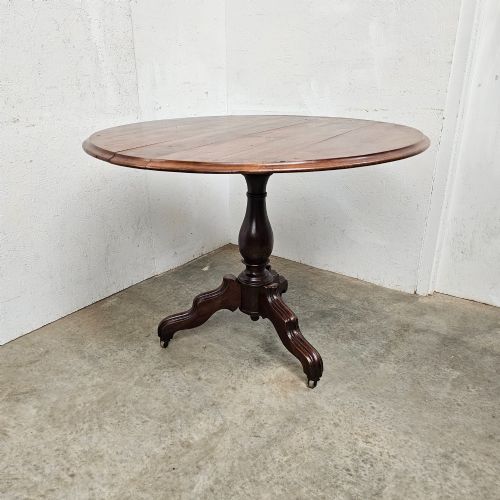


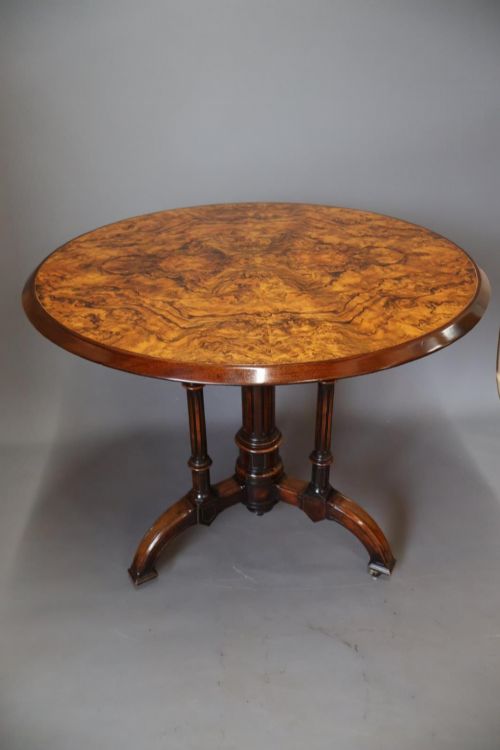

Round Walnut Occasional Table
A round walnut occasional table brings rich figuring and compact utility to a room, ranging from 18th-century wine stands to Art Deco coffee pieces.
Round Walnut Occasional Table
When you search for a round walnut occasional table, you encounter compact circular surfaces designed for versatility in domestic spaces. The selection spans centuries of British, French, and Italian cabinet making.
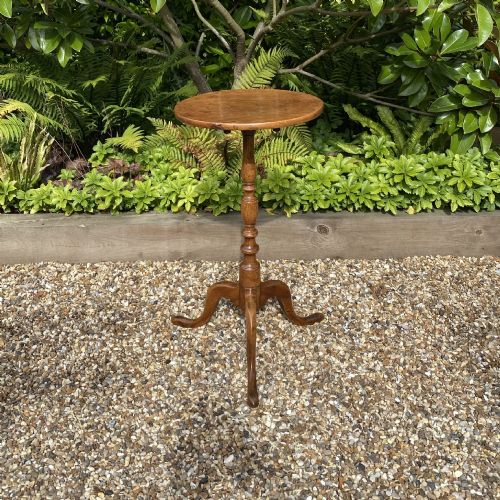
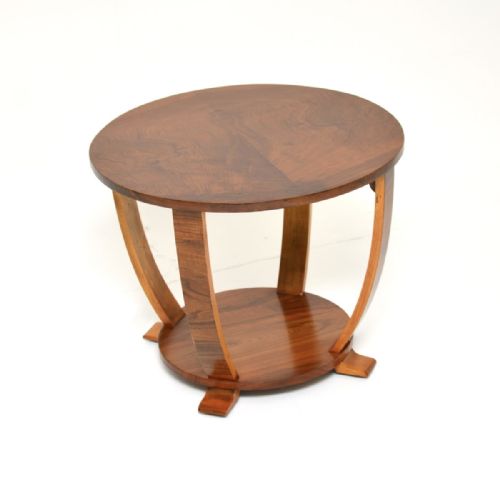
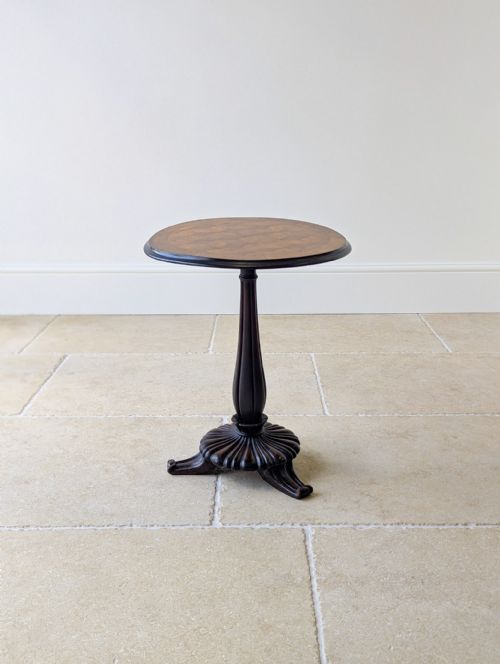
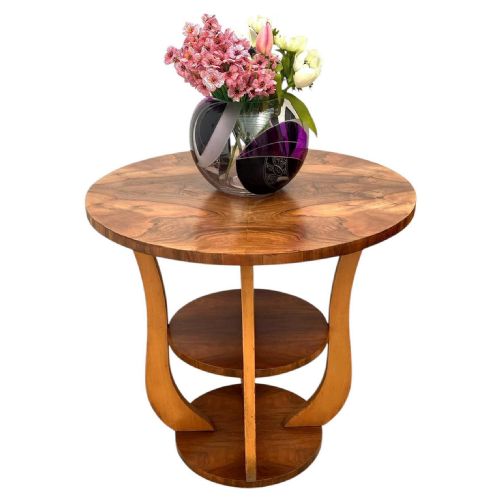
You are most likely to meet 19th-century examples alongside 1930s Art Deco pieces finished in rich figured veneers. Forms vary from simple tripod wine stands to tiered centre tables and marble-topped gueridons.
The periods represented stretch from the 18th century through the Victorian era into the 20th century. These tables served various functions historically, operating as lamp stands, afternoon tea tables, or wine supports.
How they were made
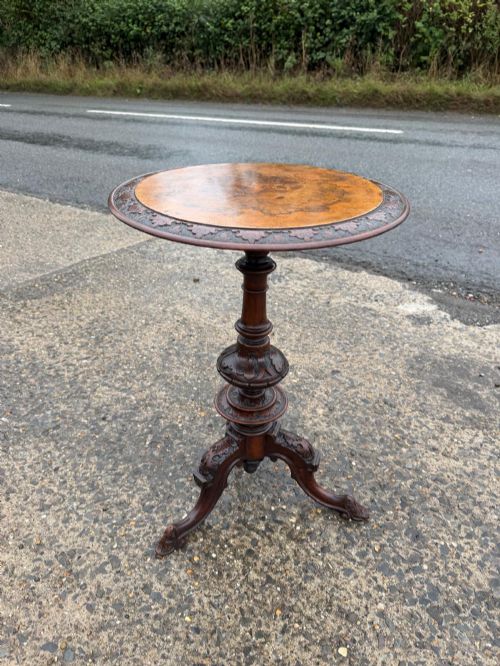
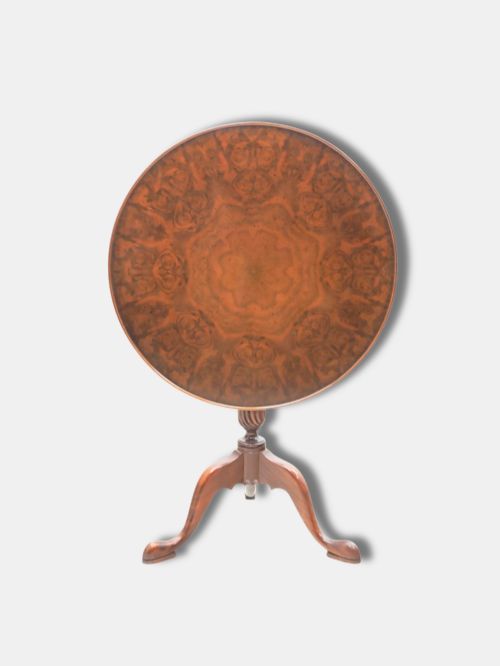
Cabinet makers utilised solid timber alongside veneer, applying burr walnut and figured walnut to circular tops to showcase natural grain patterns. Supporting structures often employ tripod legs, pedestals, or tiered frameworks.
Decoration incorporates contrasting timbers like mahogany, satinwood, and maple, alongside marquetry and inlaid specimen wood designs. Certain continental examples integrate inset marble surfaces or brass gallery mounts.
Construction techniques evolved from traditional 18th-century joinery to the geometric tiered configurations of the 1930s. Turning, carving, and veneering define the primary methods used across these periods.
Several tables wear their afternoon tea heritage proudly, ready to support your biscuits and brew.
What varies in quality
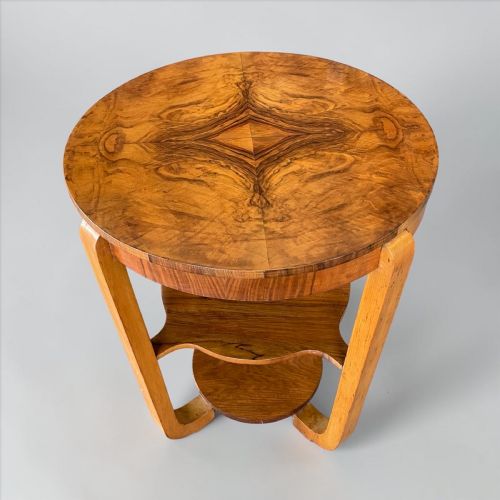
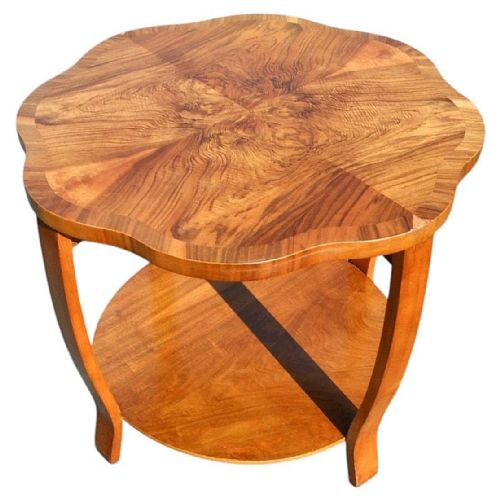
The distinction between tiers of quality rests heavily on the selection and matching of the walnut veneer. Superior examples display striking natural figuring and careful book-matching across the circular surface.
Construction integrity and the refinement of subsidiary materials also dictate standing. Finely turned tripod bases, tight joinery, and complementary secondary timbers such as mahogany or maple elevate a piece above standard utility items.
The Round Walnut Occasional Table Glossary
- Burr walnut
- Timber taken from a tree growth where the grain has grown in a deformed, swirling manner. This produces highly decorative patterns prized by cabinet makers.
- Tripod table
- A small freestanding table supported by a central pillar resting on three legs. They appeared frequently in the 18th and 19th centuries as wine or lamp tables.
- Gueridon
- A small French occasional table or stand, often round and supported by a single central column or figures. They frequently feature marble tops.
- Bouillotte table
- A small French neoclassical circular card and gaming table with a raised edge or brass gallery. They typically date from the late 18th and 19th centuries.
- Marquetry
- The art of applying pieces of veneer to a structure to form decorative patterns and pictures. Makers utilised contrasting woods to create detailed tabletop motifs.
Round Walnut Occasional Table: Frequently Asked Questions
What is an occasional table used for?
These pieces function as versatile furniture items intended for flexible placement around a domestic interior. Historically they held lamps, drinks, wine bottles, or reading materials.
Today they serve similar supportive roles beside seating or in corners where a small circular surface is required without dominating the floor plan.
How do I identify an Art Deco table?
Art Deco pieces typically date from around 1930 and display streamlined geometric forms, stepped tiers, and bold figured veneers. They often embrace modernistic simplicity.
By contrast, Victorian or earlier examples rely on carved tripod bases, pedestal columns, and traditional ornamental details like marquetry or inlaid specimen woods.
Are marble tops original to these tables?
Inlaid or inset marble tops appear frequently on 19th-century French and continental pieces, such as bouillotte tables and gueridons. They provided a durable, heat-resistant surface for drinks and lighting.
English variants more commonly utilise solid timber or veneered wooden tops surrounded by moulded edges or raised galleries.
What is a wine table?
A wine table is a compact stand, usually featuring a small circular top supported by a central pillar and three legs. They were designed to hold glasses or bottles during evening gatherings.
Many examples date from the 18th and 19th centuries, offering lightweight portability for use beside chairs or settees.