
Round Pedestal Side Table
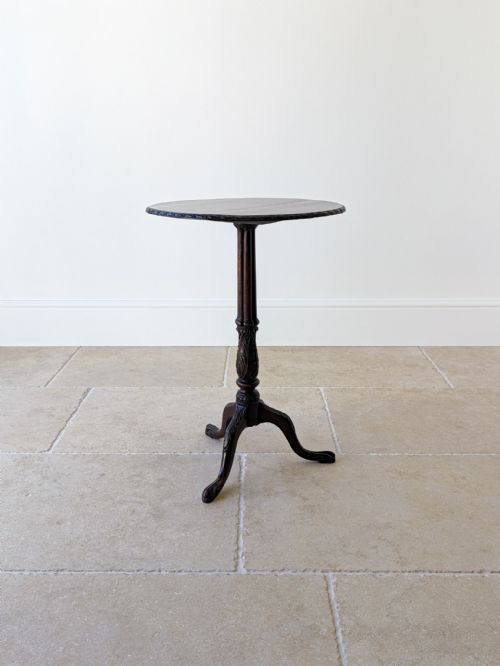
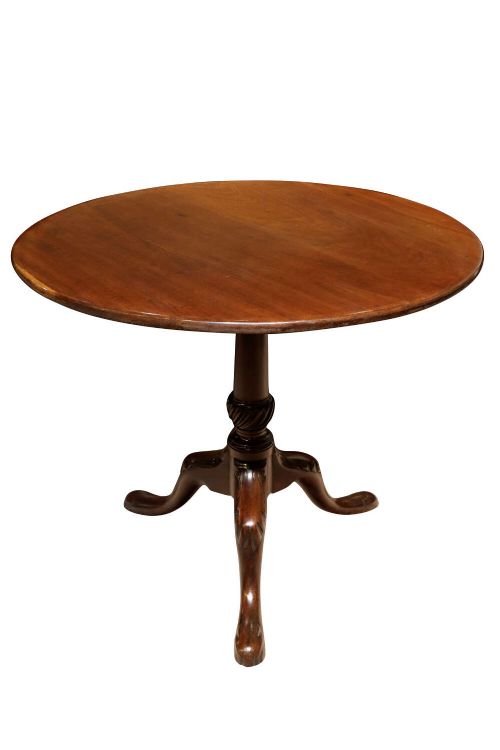
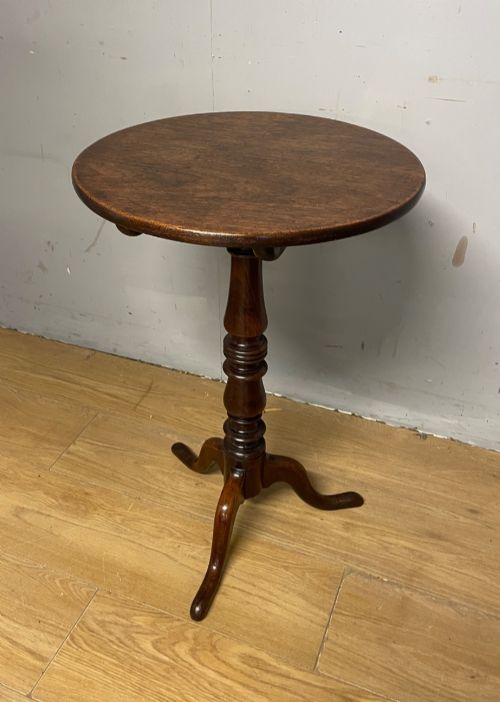
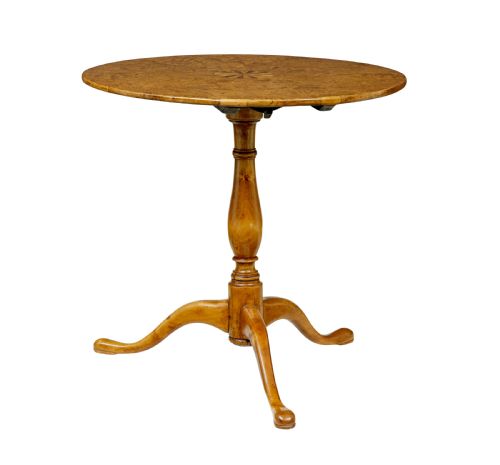
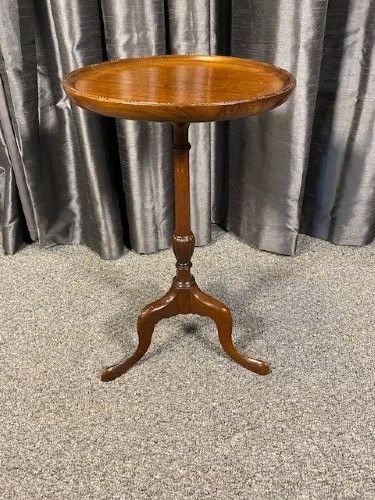
A round pedestal side table brings compact elegance to a corner, resting on a central pillar supported by tripod legs.
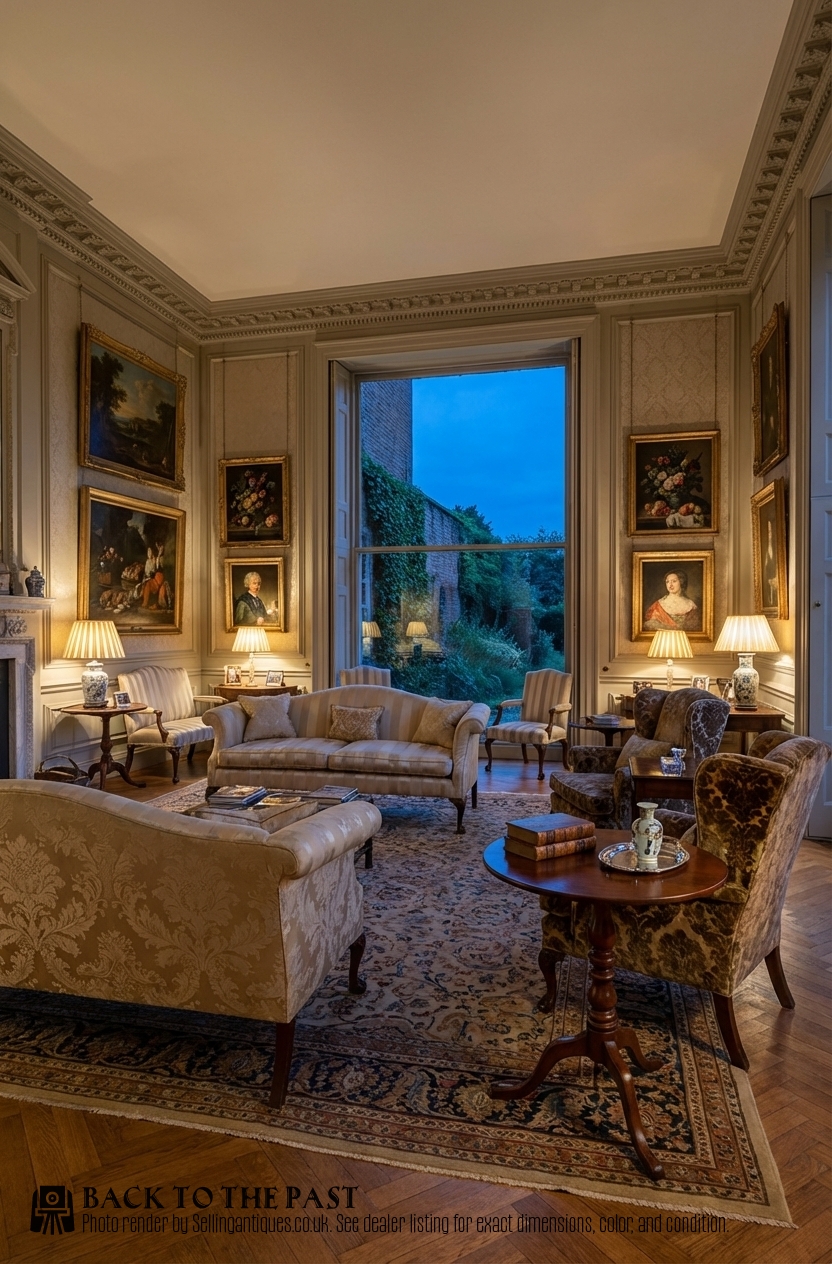
Round Pedestal Side Table
A round pedestal side table provides a stable surface on a single central column rather than traditional corner legs, making it exceptionally versatile for smaller spaces. These pieces appear frequently across the Georgian and Victorian eras, alongside later revivals and continental interpretations.
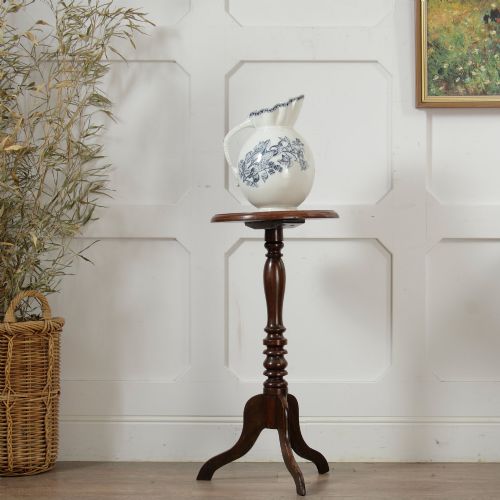
The form encompasses various functional types recorded in the inventory, including wine tables, lamp tables, occasional tables, and gueridons. Buyers frequently encounter versions with tilt-top mechanisms designed to store flat against a wall when not in use.
Materials and construction
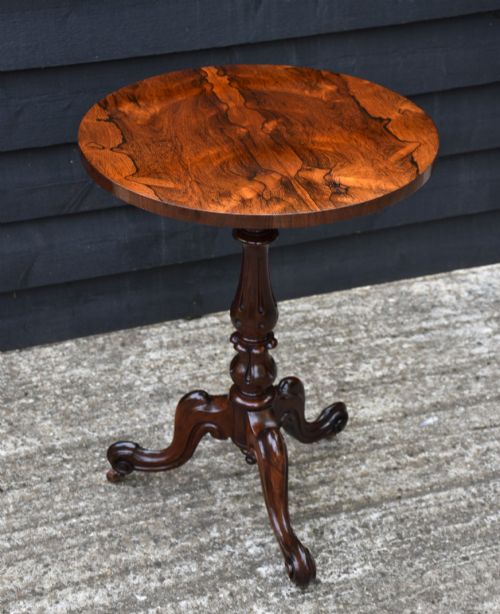
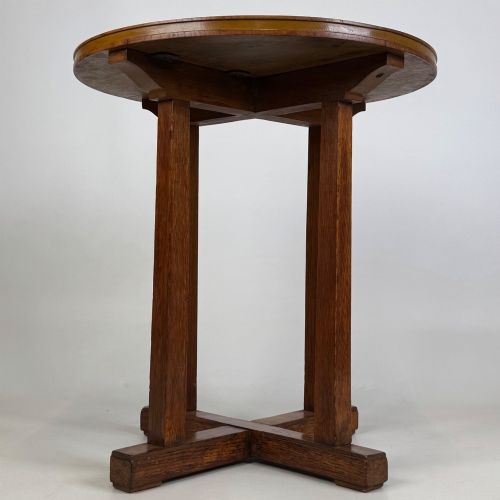
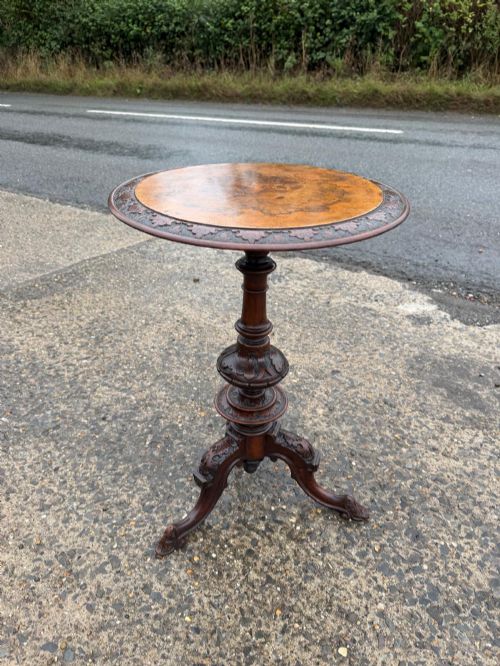
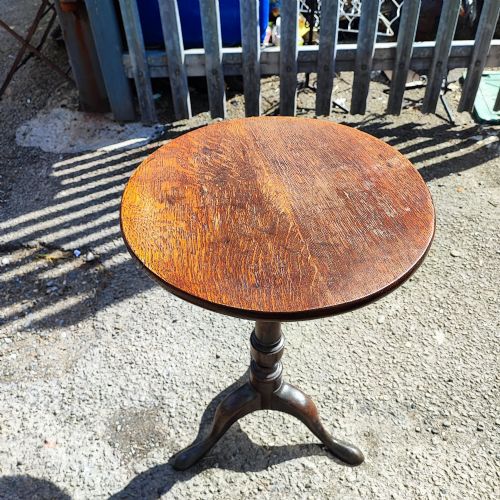
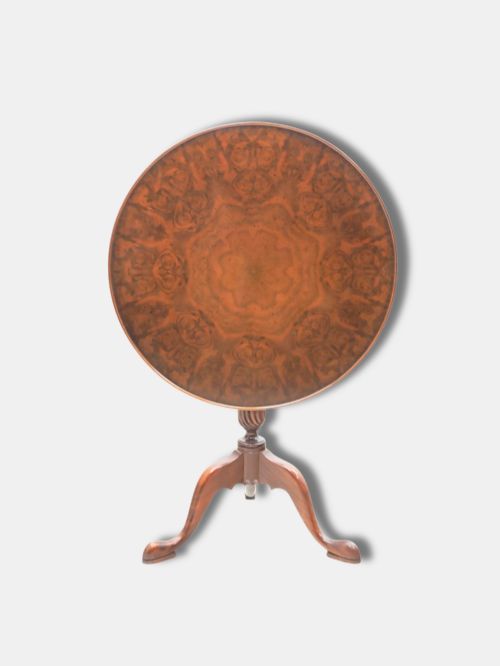
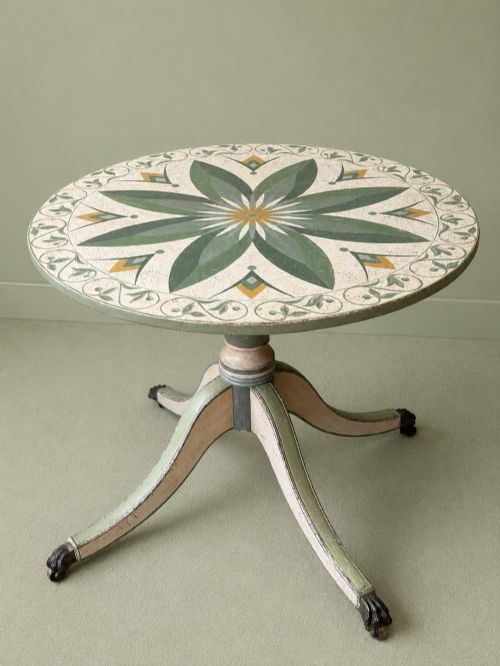
Cabinet makers relied heavily on rich timbers such as mahogany, walnut, and rosewood, often selecting figured veneers like burr wood or burr birch for the circular tops. Oak and painted surfaces also appear, particularly in Georgian country pieces and Swedish designs.
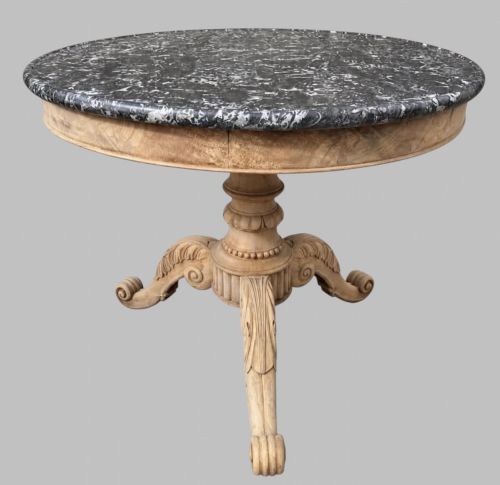
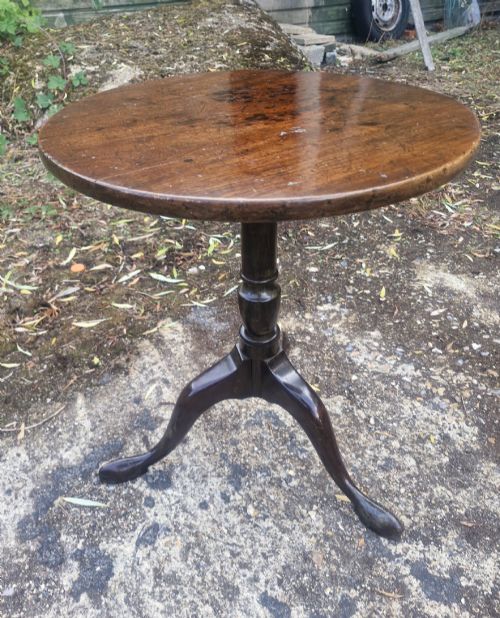
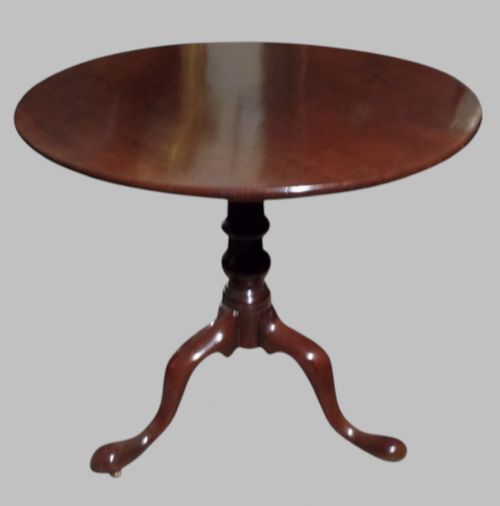
Structural stability relies on a robust central pillar fixed to a tripod base of three curved or splayed legs, frequently joined by a birdcage mechanism in Georgian examples to allow the top to rotate and tilt.
Round Pedestal Side Table Retail Price Guide 2026
Typical asking prices for round pedestal side table among the pieces listed under this phrase on Sellingantiques today, from the lower quarter to the upper quarter. They describe what is for sale here now, not the wider market.
The inventory records pieces from the Georgian, Regency, Victorian, Edwardian, and Arts and Crafts periods.
Assessing quality and craftsmanship
The distinction between ordinary and superior examples lies in the selection of timber grain, the precision of the turning on the central pedestal, and the crispness of any carved details on the knees and feet of the tripod base.
Joint integrity at the junction where the pillar meets the legs dictates longevity, while the smooth operation of tilt mechanisms and the quality of brass fittings or leather inserts mark out better workshops.
The Round Pedestal Side Table Glossary
- Gueridon
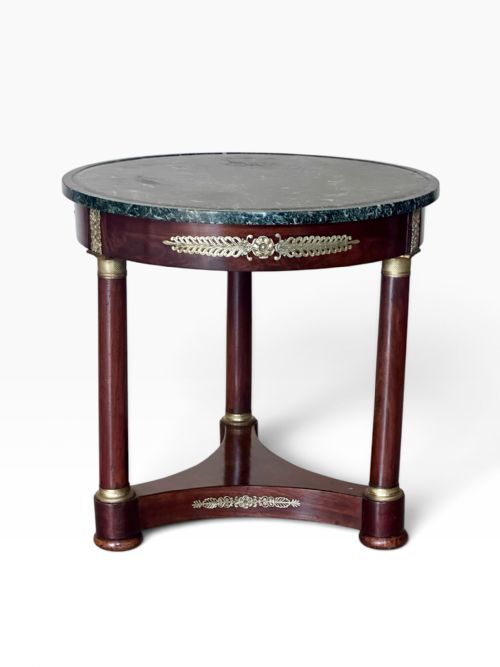
- A small French occasional table on a central pillar, popular during the Empire and Louis Philippe periods. These often feature marble tops or decorative mahogany veneers.
- Tilt-top
- A hinged table top that rotates and tips into a vertical position for storage. This clever mechanism allows the table to stand flat against a wall when floor space is needed.
- Tripod base
- A support structure consisting of three spreading legs radiating from the central column. It ensures the table remains steady on uneven historical flooring.
- Birdcage
- A wooden box frame beneath the table top that enables both rotation and tilting. It represents a hallmark of better Georgian cabinet work.
- Pie crust
- A carved, undulating raised edge shaped from the solid wood of the table top. This decorative detail requires skilled hand carving.
Round Pedestal Side Table: Frequently Asked Questions
What were round pedestal side tables used for originally?
These tables served flexible domestic functions, holding wine decanters, tea services, or portable lighting lamps in principal rooms.
Their compact footprint allowed servants to move them easily where extra surface space was required during evening entertaining.
How do I tell a Georgian table from a Victorian one?
Georgian examples often prioritise restrained classical proportions with clean mahogany timbers and subtle carving on the tripod legs.
Victorian pieces frequently display heavier proportions, darker finishes, and bolder decorative elements such as barley twist columns or burr wood veneers.
Can I use a tilt-top table safely every day?
The tipping mechanism is robust and designed for daily practical use in domestic sitting rooms and halls.
Ensure the catch or block beneath the top engages securely before placing heavy lamps or decorative objects on the surface.
What is the best way to care for the wood finish?
Maintain historical polished surfaces with gentle dusting using a soft dry cloth and occasional applications of traditional beeswax.
Protect the timber from direct sunlight and extreme temperature changes to prevent the wood veneers from drying out or splitting.