




Rich Brown Wine Table
These rich brown wine tables are compact occasional pieces in timber, bringing practical warmth and period character to any room.
Rich Brown Wine Table
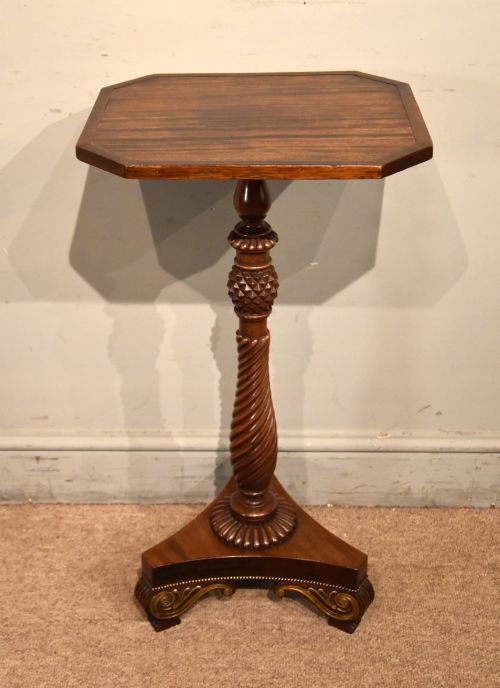
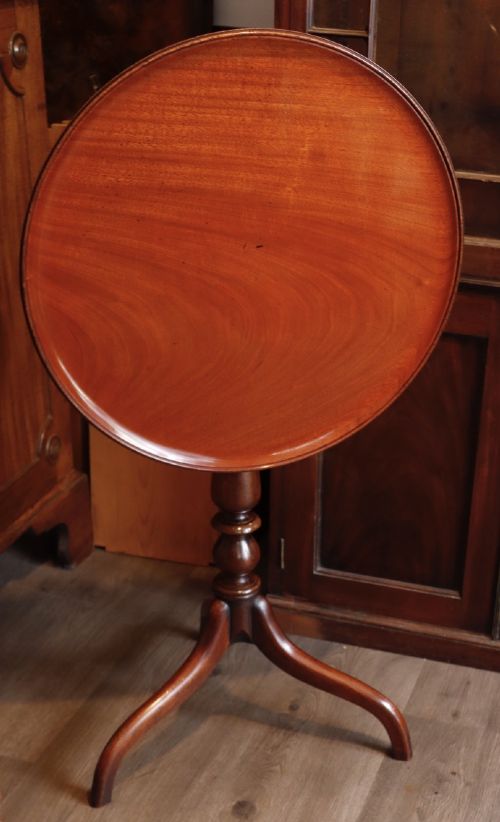
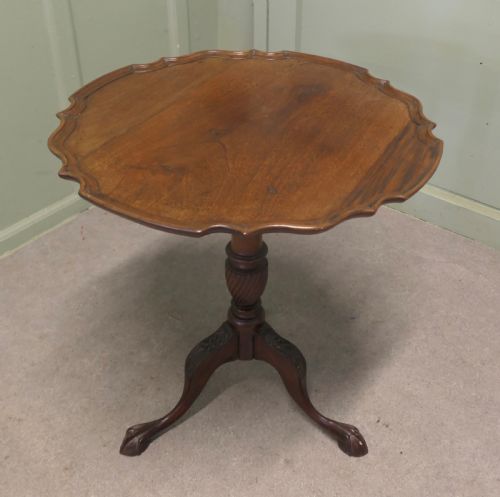
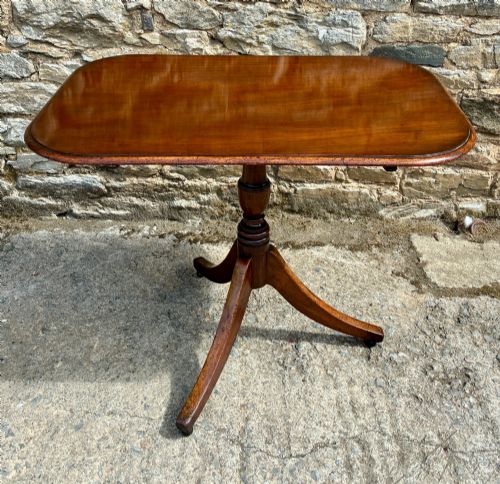
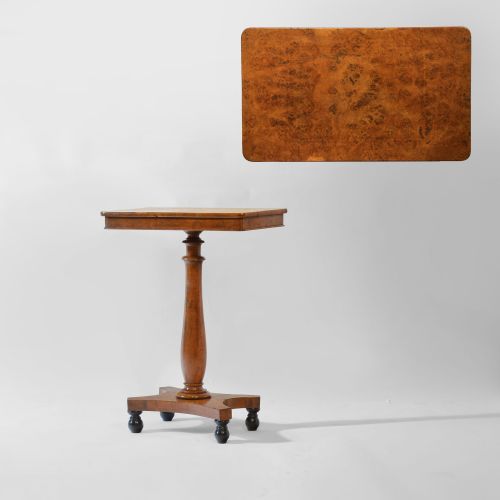
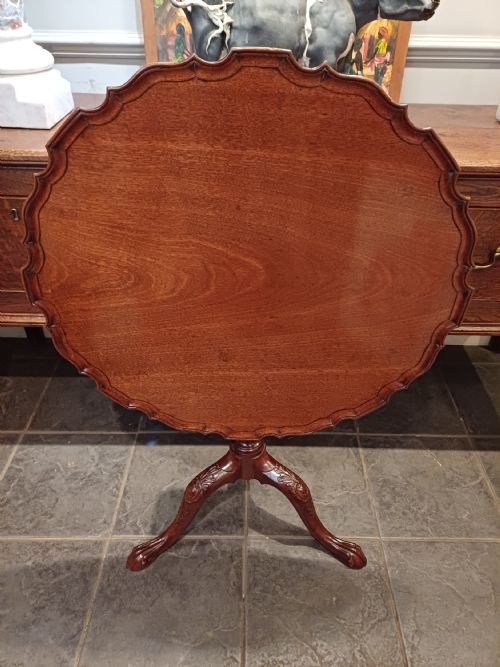
Most examples found here date from the nineteenth century and the Georgian era, constructed primarily in rich timbers like mahogany and pollard oak. Buyers encounter various top forms, including circular designs, octagonal shapes, and decorative piecrust borders set upon tripod bases. Many of these pieces incorporate tilt tops or birdcage mechanisms, allowing the surface to fold away when not in use.
How they were made
Cabinetmakers constructed these tables using dense hardwoods, with solid mahogany and figured veneers forming the primary surfaces. Turning lathes shaped the central pedestals and slender pillar columns, while joinery techniques secured the tripod legs for stability.
Many tops feature specialised mechanisms such as brass catches for tilt-top actions or wooden birdcage assemblies that allow the surface to rotate and pivot. Finishers polished the timber to a deep, warm gloss, highlighting the natural grain patterns of the wood.
Listings for this phrase feature pieces spanning from the eighteenth century through to the Edwardian era, constructed primarily in mahogany and oak.
What varies in quality
Quality in these tables rests primarily on the choice of timber and the crispness of the secondary carpentry. Finer examples display highly figured mahogany or pollard oak with rich colour and strong grain movement across the entire surface.
The sophistication of the turning on the central pillar and the elegance of the tripod base further distinguish better pieces from simpler utilitarian versions. Clever mechanical joints, such as a well-fitted birdcage pivot, indicate higher standards of period craftsmanship.
Gillows
The Rich Brown Wine Table Glossary
- Tilt top
- A table mechanism allowing the surface to pivot to a vertical position for storage. This feature saves space when the table is not in use.
- Birdcage
- A revolving wooden framework beneath the table top that allows the surface to both tilt and rotate. It involves precise joinery and small turned columns.
- Tripod base
- A three-legged support structure commonly found on pedestal tables. This design ensures stability on uneven floors.
- Piecrust edge
- A raised, carved decorative border along the perimeter of a circular table top. The shaping resembles traditional pastry crust fluting.
- Pollard oak
- Timber taken from trees that were pollarded, resulting in dense, highly figured grain patterns. It provides a striking decorative surface on nineteenth-century tables.
Rich Brown Wine Table: Frequently Asked Questions
What is a wine table used for?
These small stands historically held glasses, bottles, or candles near seating areas during social gatherings.
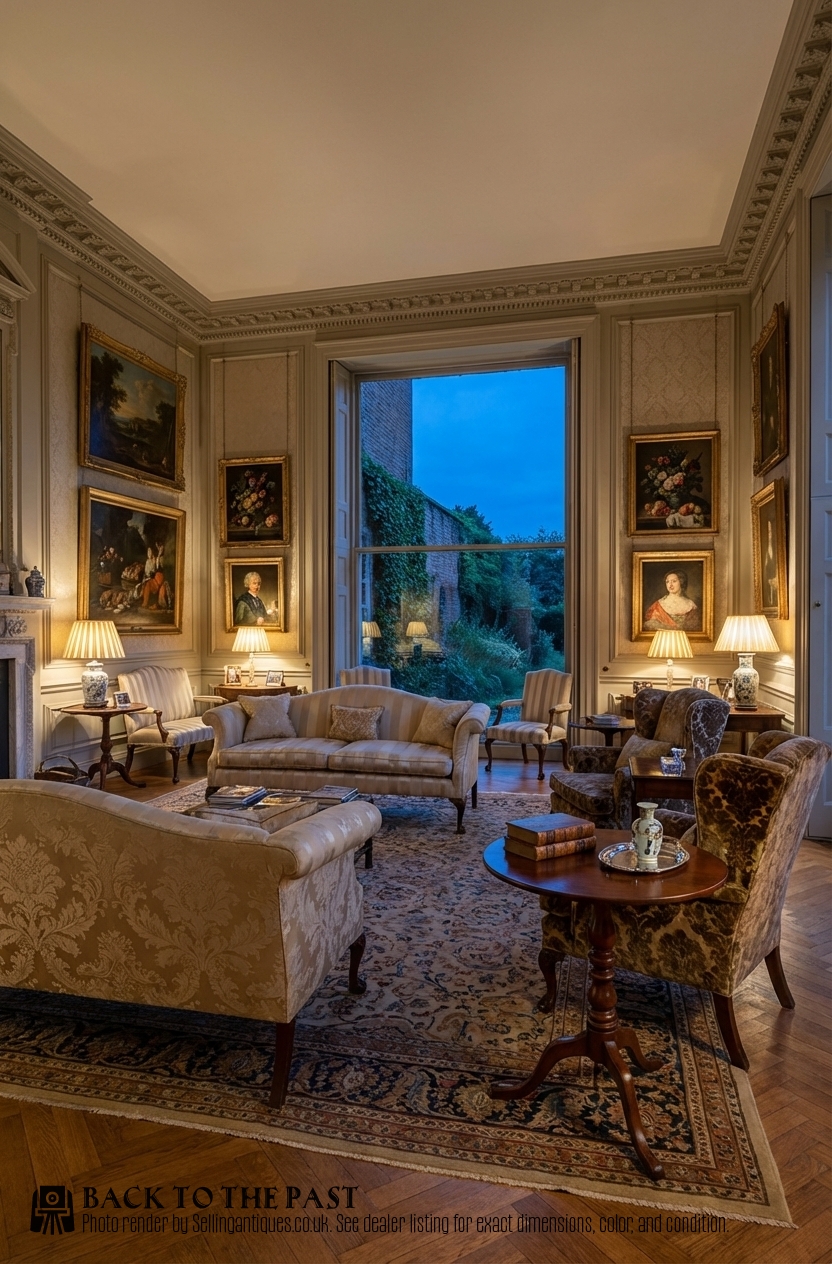
Today, owners utilise them as compact side tables for lamps, books, or decorative items in living rooms and bedrooms.
Why do some tables tilt?
The tilting mechanism allowed servants to store the tables flat against walls when not in use to save floor space.
This practical feature also made the small stands easier to move from room to room.
What is a birdcage action?
A birdcage is a revolving wooden frame placed between the pedestal and the table top. It enables the surface to rotate horizontally as well as tilt vertically.
This clever assembly represents finer period cabinetmaking.
How do I date an antique table?
Dating relies on observing the timber species, the style of the tripod base, and the turning of the central column. Georgian examples often display lighter, elegant proportions, while Victorian versions tend to be heavier.
Specific mechanisms and construction marks also help narrow down the period of manufacture.