



Rosewood Writing Box
When you open a rosewood writing box, you meet a portable desk built for travel and correspondence.

Rosewood Writing Box
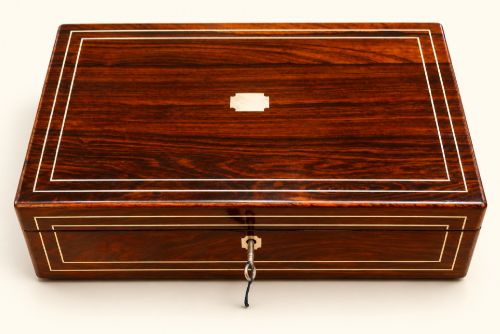
A rosewood writing box brings together portable desk furniture and travelling stationery storage from the Georgian, Regency and Victorian periods.
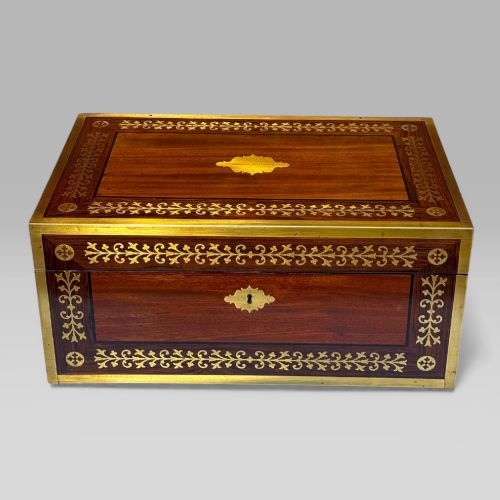
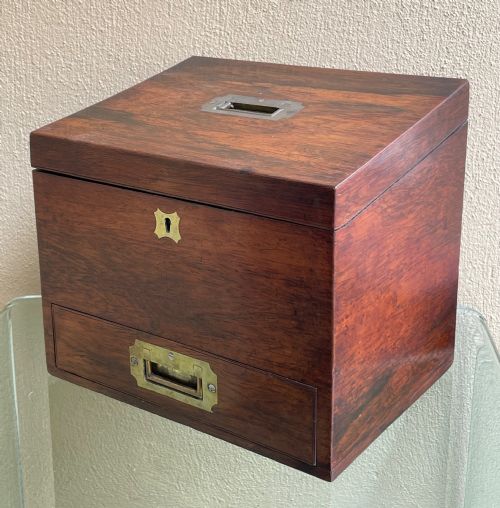
The pieces on this page appear primarily as hinged writing slopes, campaign boxes and document cases designed for mobility.
Makers shaped these timber boxes for lap use or table tops, incorporating folding writing surfaces lined with leather and internal compartments for inkwells and pens.

Materials and Construction
Cabinet makers utilised dense tropical rosewood timber for exterior carcasses, often pairing the dark grain with contrasting satinwood or mahogany interiors.
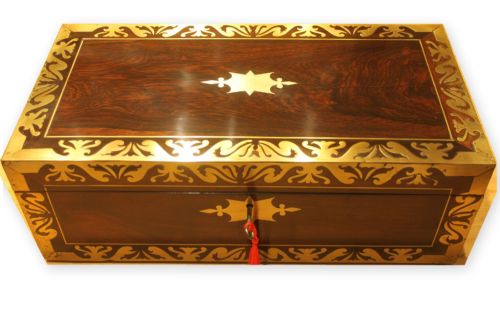
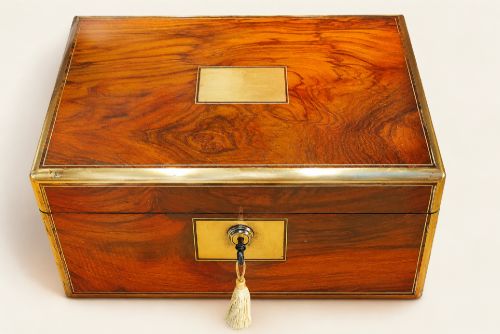
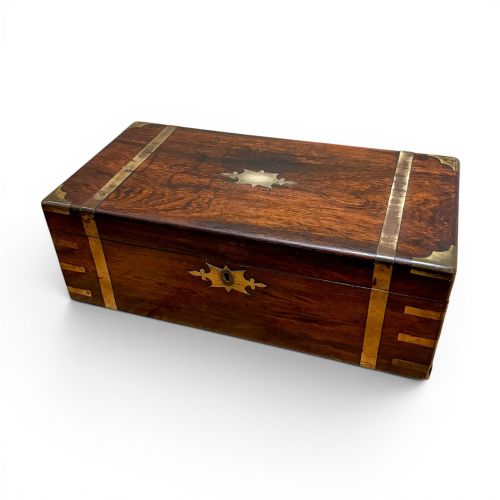
Brass banding, flush carrying handles and corner mounts reinforced the boxes for transit, particularly on Regency and campaign models.
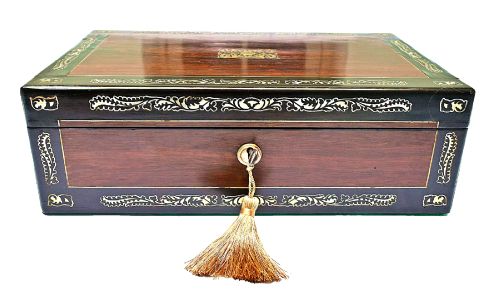
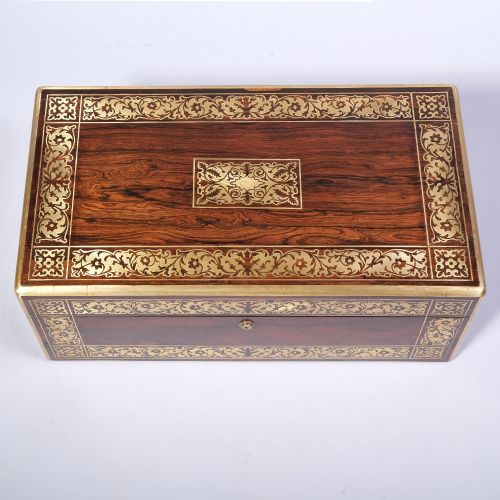
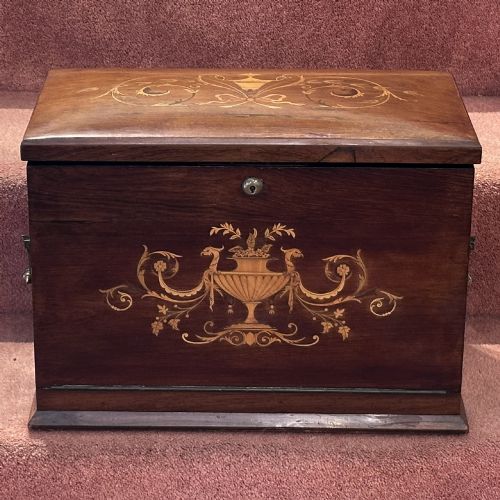
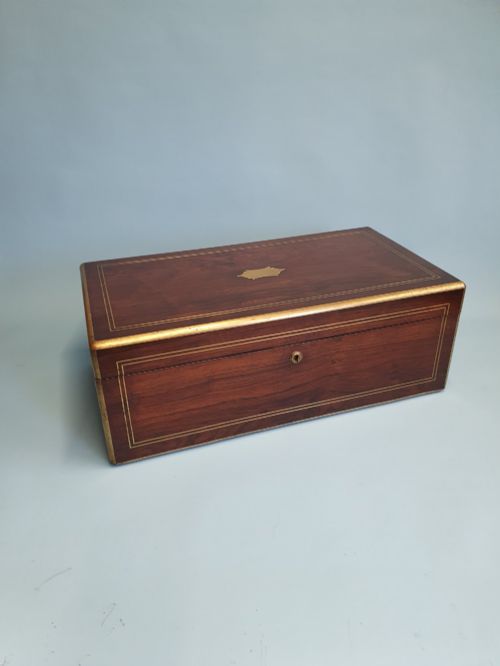
Decorative embellishment relied on precision brass inlay, mother of pearl, abalone and marquetry set directly into the timber lids.
Rosewood Writing Box Retail Price Guide 2026
Typical asking prices for rosewood writing box among the pieces listed under this phrase on Sellingantiques today, from the lower quarter to the upper quarter. They describe what is for sale here now, not the wider market.
Listings feature brass inlay, mother of pearl and abalone set into rosewood timber across Georgian, Regency and Victorian periods.
Craftsmanship and Proportion
Superior examples display precise mitre joints, well-fitted internal stationery partitions and concealed secret drawers operating through clever mechanical latches.
The refinement of the metal mounts and the subtlety of the brass or shell inlay distinguish standard production boxes from masterwork pieces.
Original components such as matching glass inkwells, working locks and fitted leather skivers elevate the integrity of a surviving box.
George Austin·Edwards
The Rosewood Writing Box Glossary
- Writing slope
- A box with a hinged sloping lid that folds down to form a slanted desk surface for correspondence. Inside, it houses compartments for paper, nibs and ink.
- Campaign box
- A sturdy timber chest fitted with brass corners and flush handles, built for military officers or travellers on the move. These pieces emphasise robust construction and practical transport.
- Skiver
- The panel of tooled leather or velvet inset into the folding writing flap of a slope. It provides a soft, durable surface for writing with a dip pen.
- Tunbridge Ware
- Small decorative items decorated with mosaic wood tiling to form geometric or pictorial patterns. Makers integrated these tiny wooden tesserae into box lids and borders.
- Secret drawers
- Concealed compartments hidden behind false partitions or triggered by spring mechanisms within the stationery interior. Cabinet makers used them to secure valuables and private letters.
Rosewood Writing Box: Frequently Asked Questions
How did people use a writing box?
Owners placed these portable desks on tables or across their laps to write letters while travelling or at home. The fitted interior kept paper, sealing wax, inkwells and pens organised in one secure timber case.
When travel was finished, the hinged slope folded flat and locked shut to protect correspondence and writing instruments during transit.
How can I tell a Regency box from a Victorian one?
Regency boxes often display clean architectural lines with geometric brass banding and military campaign mounts. They date from the early nineteenth century and lean towards restrained elegance.
Victorian boxes frequently feature richer ornamentation, including mother of pearl inlay, abalone detailing and more complex internal stationery compartments.
Are secret drawers common in these boxes?
Many better quality nineteenth century writing slopes contain hidden compartments behind false dividers or sliding panels. Cabinet makers designed these secret spaces to hold money, jewellery and confidential letters.
Accessing them usually requires removing a specific pen tray or pressing a concealed wooden spring catch.