





Rosewood Quartetto Tables
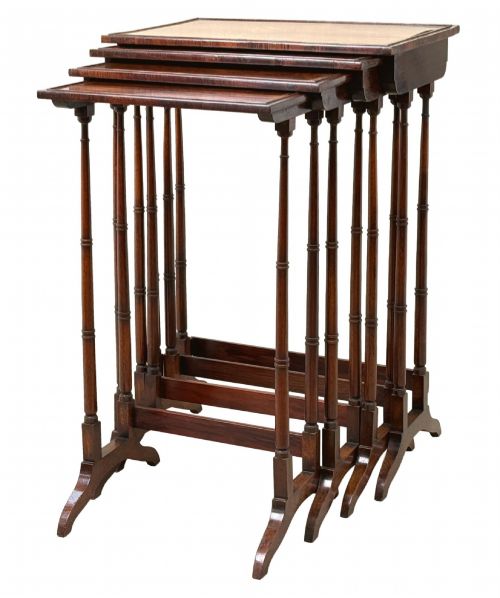
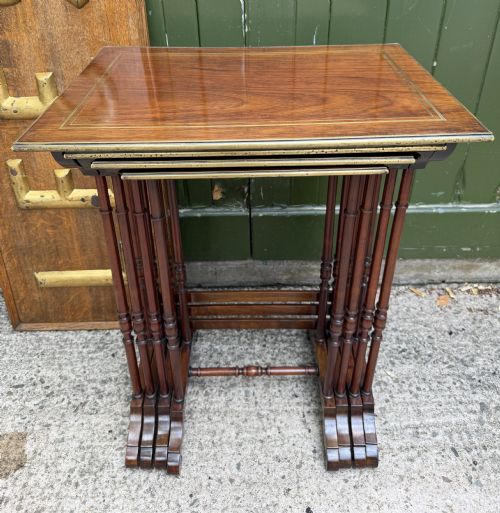
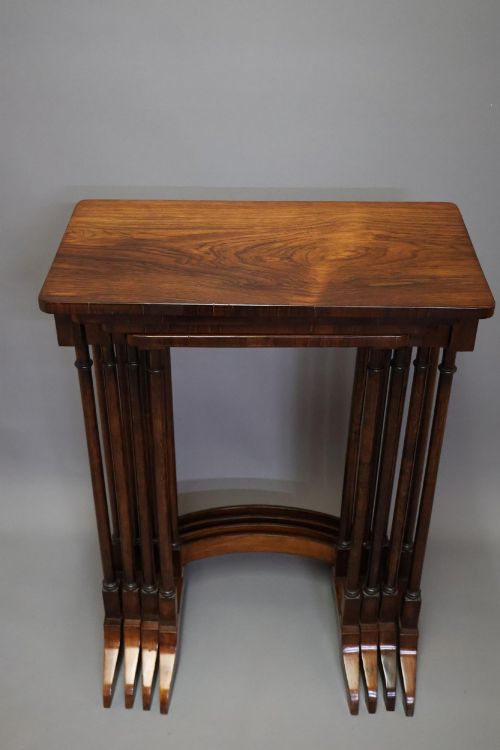
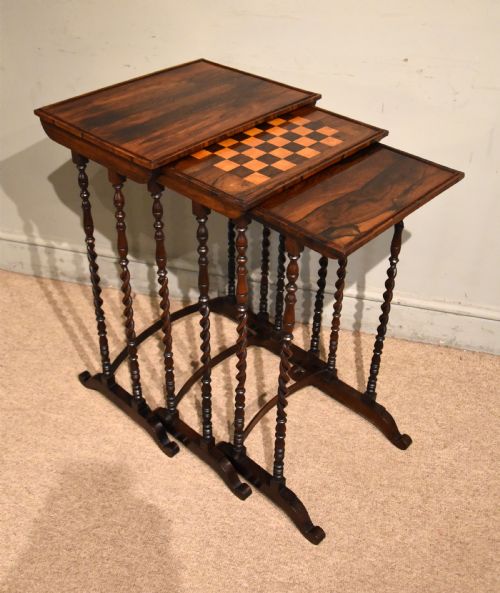
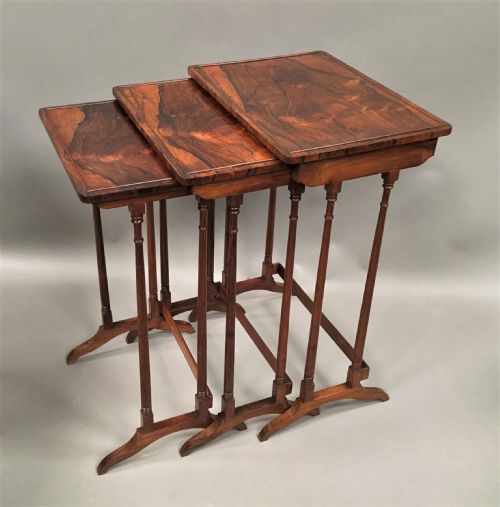
Rosewood quartetto tables are interlocking sets of graduated occasional tables designed to slide neatly beneath one another when not in use.
Rosewood Quartetto Tables
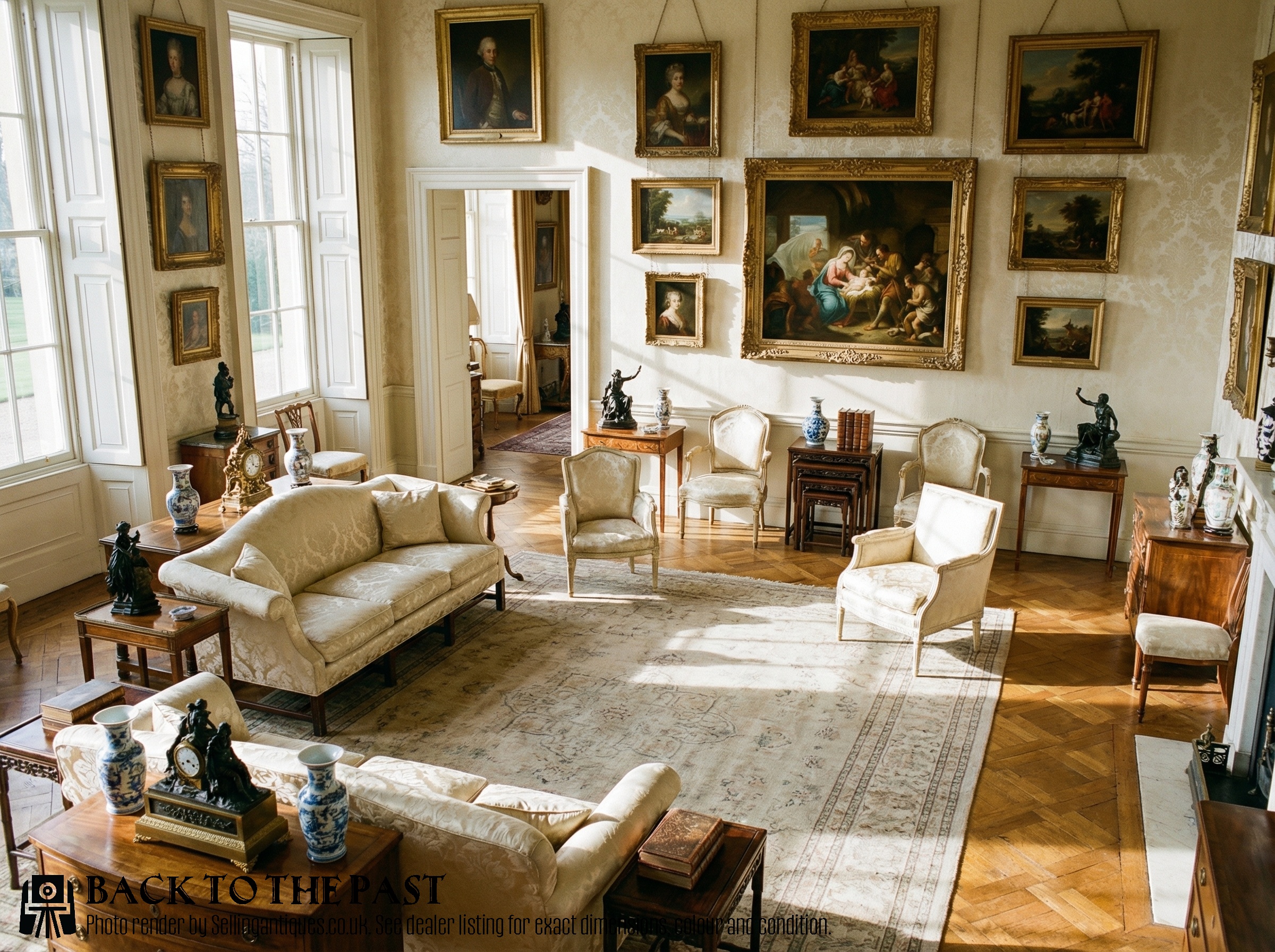
Rosewood quartetto tables are sets of graduated occasional tables, traditionally numbering three or four pieces, which slide neatly together to save floor space. When searching for rosewood quartetto tables, buyers encounter examples originating from the Regency period through to the late nineteenth century, alongside Chinese export pieces.
The Regency iterations frequently feature slender turned supports and rectangular tops, whilst Victorian and later nineteenth-century examples introduce carved hardwood and alternative configurations. Sets containing three tables appear alongside the more traditional quartetto sets of four, offering versatile side surfaces for a room.
Materials and construction
Makers utilised dense timbers such as rosewood and padouk, often selecting figured veneers for the table tops to highlight the natural grain. Inlaid details in boxwood, satinwood, or brass frequently accent the borders and central panels of Regency pieces.
Structural integrity relies on precise joinery to allow the graduated tables to slide smoothly within one another without binding. Turned uprights, trestle supports, and carved frames provide the necessary stability for daily use across the nested tiers.
Rosewood Quartetto Tables Retail Price Guide 2026
Typical asking prices for rosewood quartetto tables among the pieces listed under this phrase on Sellingantiques today, from the lower quarter to the upper quarter. They describe what is for sale here now, not the wider market.
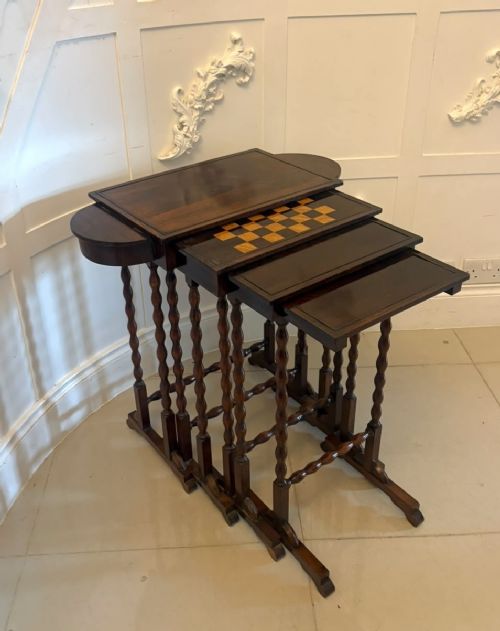
Several sets double as clandestine chess boards, proving that Regency guests took their board games on the slide.
Factors separating the tiers of quality
The refinement of the timber selection and the precision of the graduated sizing largely determine the calibre of a set. Finer examples display carefully matched grain patterns across the nested tops and subtle inlay work rather than plain surfaces.
Integrated functions, such as sliding chess boards incorporated into the top tier, elevate specific Regency sets. The smoothness of the sliding action and the delicacy of the turned supports further distinguish standard production from exceptional cabinet work.
Gillows·W&C Wilkinson London
The Rosewood Quartetto Tables Glossary
- Quartetto tables
- A nest of four tables designed to graduate in size so they fit one beneath another. This term appears frequently in nineteenth-century cabinet makers' records.
- Regency
- A stylistic period spanning the early nineteenth century defined by classical restraint and elegant proportions. Furniture from this era often incorporates brass inlay and slender columns.
- Satinwood
- A durable, lustrous timber native to India and Sri Lanka, utilised for contrasting stringing and inlay. Its pale yellow colour provides a sharp visual balance against darker rosewood.
- Padouk
- A heavy, durable tropical hardwood with a reddish hue, often encountered in Chinese export tables. It shares the density and fine finish associated with rosewood.
- Graduated
- Describing tables built in a descending series of dimensions so the smaller tiers stow beneath the largest. This engineering allows multiple surfaces to occupy the footprint of a single table.
Rosewood Quartetto Tables: Frequently Asked Questions
How were quartetto tables originally used?
These tables served as portable surfaces for tea, writing, or needlework during the evening. Servants moved the individual tiers around the room as needed by the company.
Once the gathering ended, the tables slid back into a single stack against the wall to clear the floor.
Can I use them as everyday side tables?
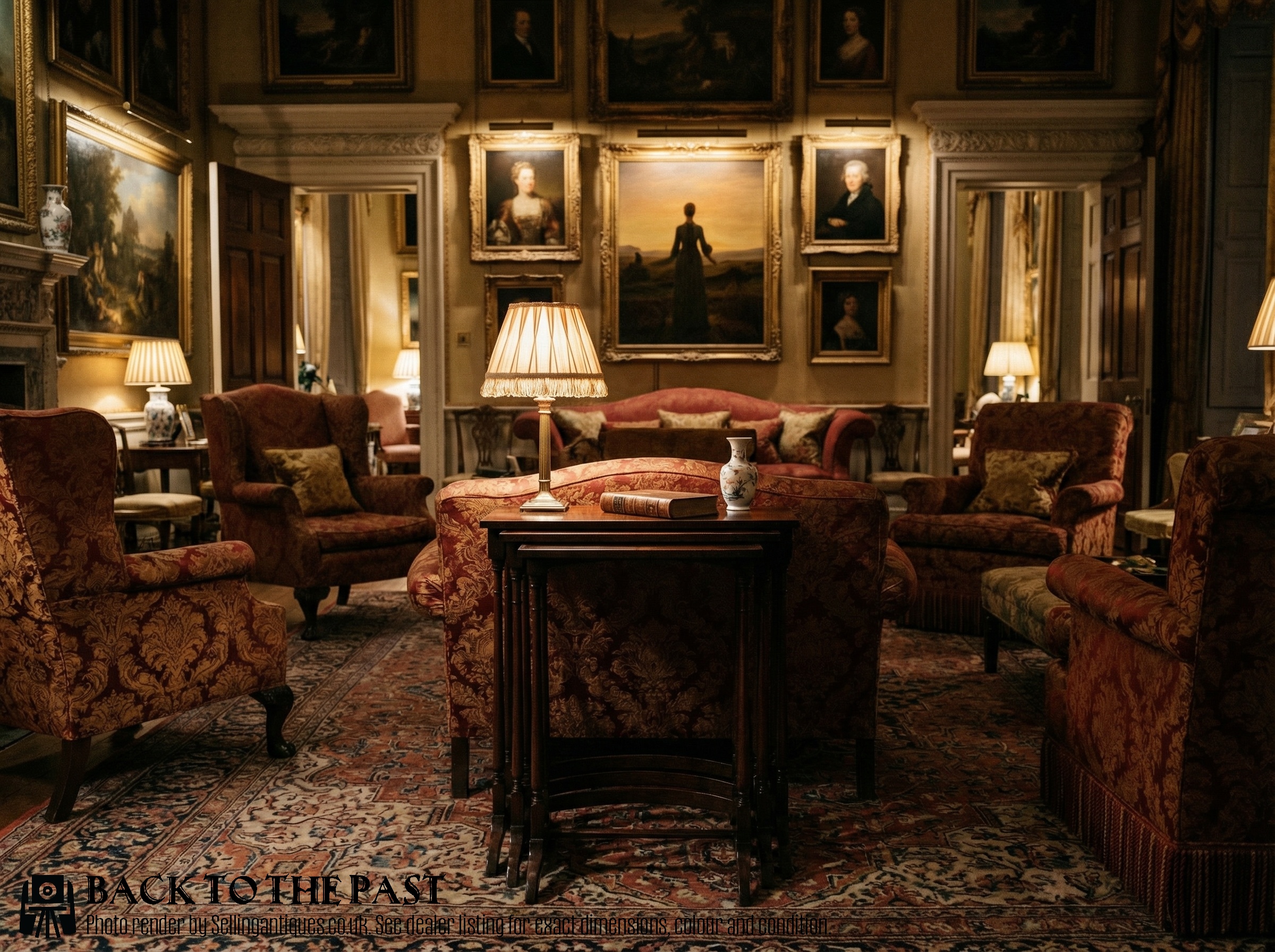
The individual tables function well as independent stands for lamps or small decorative objects. Their light construction means they move easily across carpets and wooden floors.
Care should be taken with moisture and heat directly on the antique polished rosewood surfaces.
How do I distinguish Regency from later sets?
Regency sets typically exhibit classical column supports, brass stringing, and rosewood timbers with crisp proportions. Later nineteenth-century or Chinese export versions often introduce heavy carvings and alternative hardwood structures.
Examining the underside and the joint construction helps clarify the period of manufacture.
Why do some sets have three tables instead of four?
Whilst quartetto traditionally denotes a set of four, makers frequently produced nested sets comprising three pieces to suit different domestic spaces. Both three-tier and four-tier arrangements appear across the nineteenth-century record.
The choice depended on the scale of the room and the client's specific requirements.