




Rosewood Plant Pedestal
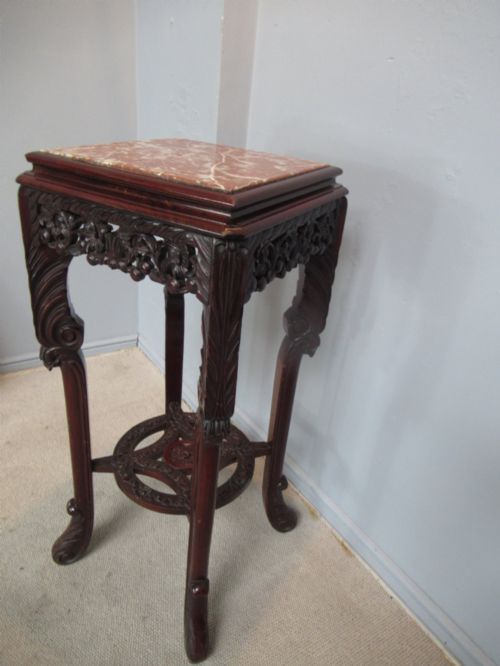
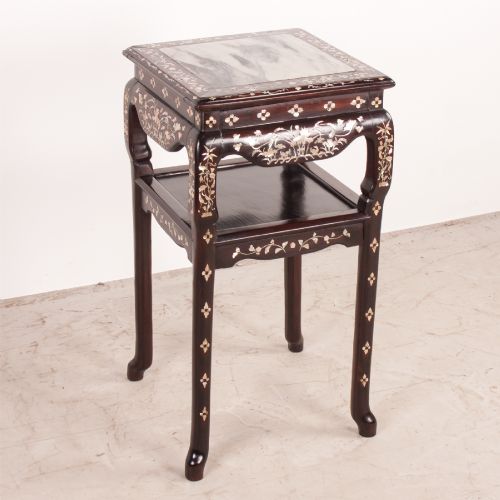
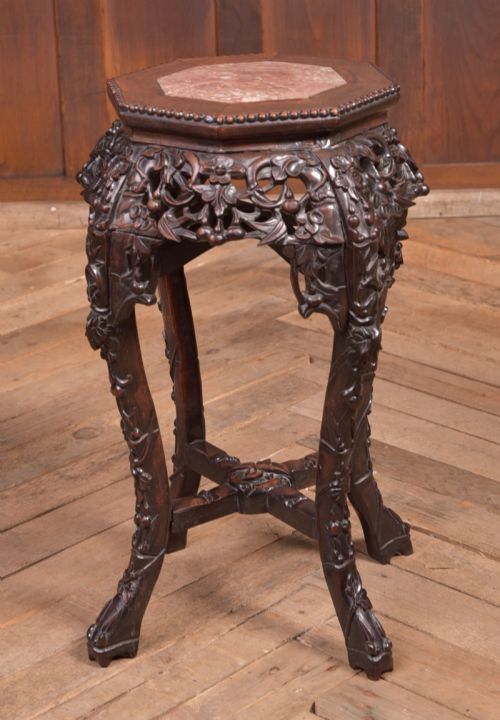
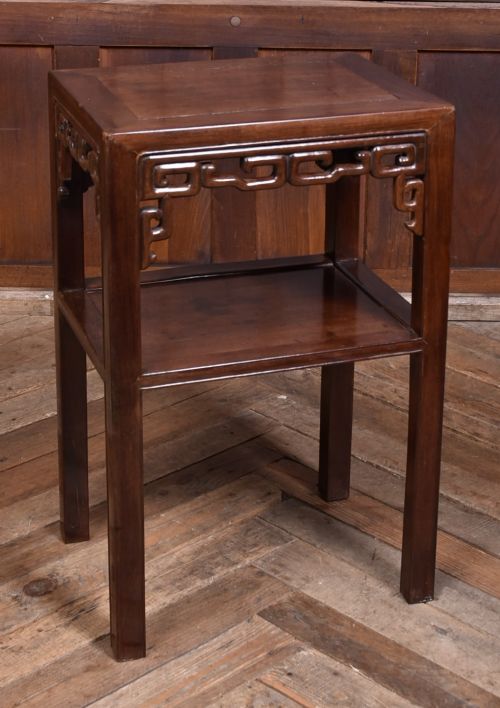
A rosewood plant pedestal elevates greenery with solid timber and carved detail, bringing structured height and period character to an interior.
Rosewood Plant Pedestal
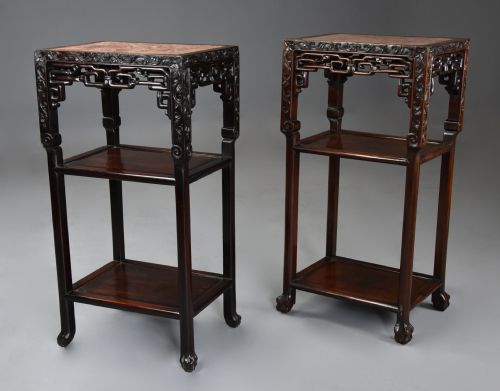
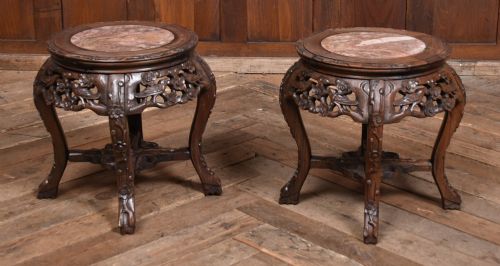
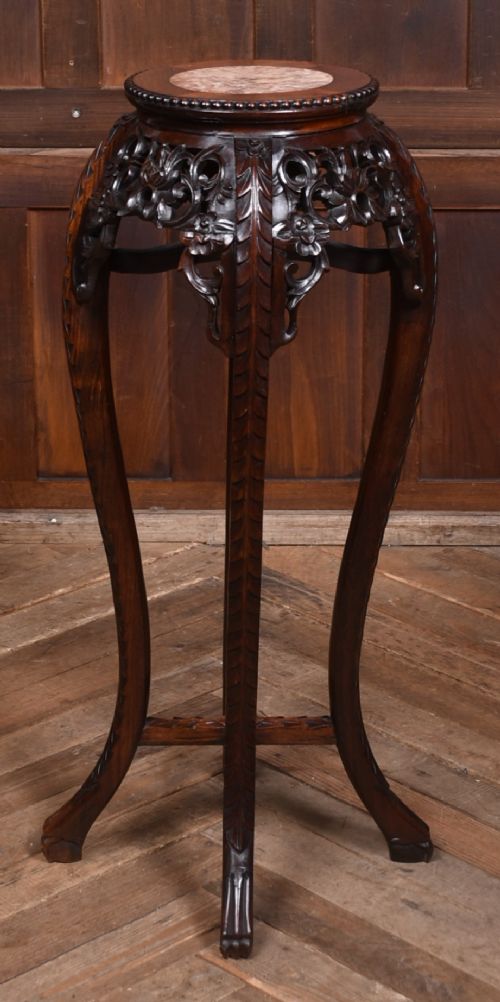
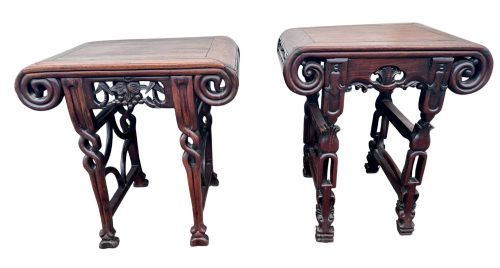
When you search for a rosewood plant pedestal, you encounter architectural supports designed to elevate ceramic planters, vases, and urns within a room. The items appearing under this phrase span various forms, including jardiniere stands, torchieres, and low side tables.
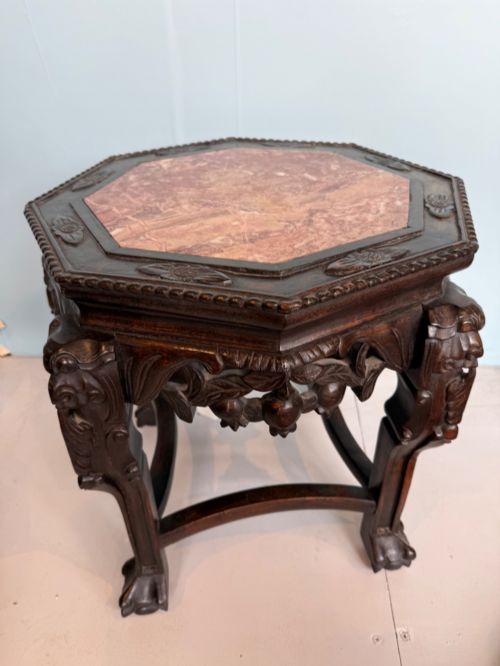
The pieces you meet most often on this page originate from nineteenth-century Chinese export workshops or Victorian British cabinet makers. These examples frequently combine dense tropical timbers with inset marble surfaces intended to resist moisture from potted plants.
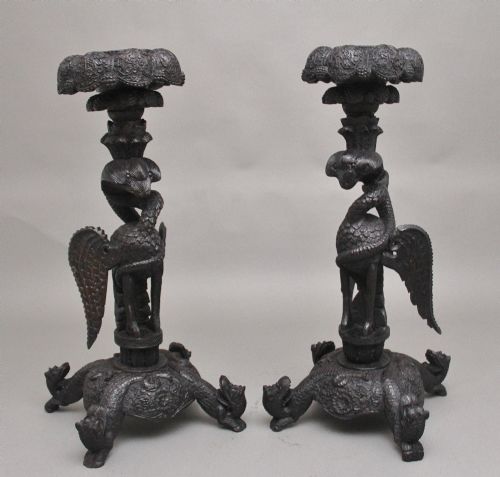
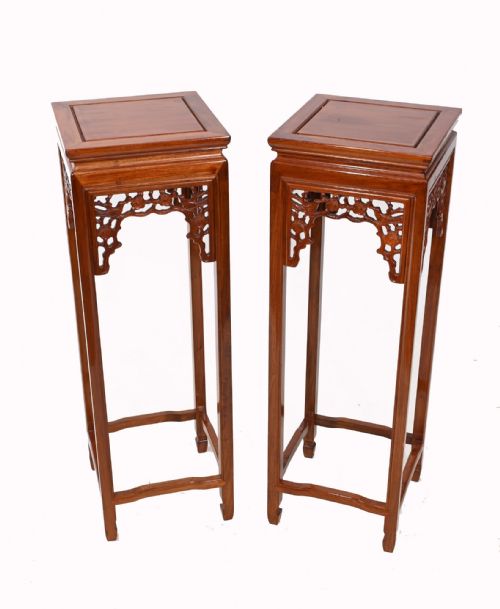
Forms range from simple square and rectangular pot stands to hexagonal shapes and tall carved torchieres. Many survive as matched pairs, though single pedestals appear regularly across the selection.
Materials and Construction
The construction relies on heavy tropical timbers such as rosewood, padouk, huali, and hongmu, selected for their structural density and deep natural grain. Cabinet makers and overseas workshops joined these dense materials using traditional framing and joinery to support substantial weight.
Many examples incorporate inset panels of rouge or white marble, smoothed and fitted neatly into the timber top to receive damp flowerpots safely. Surface enrichment often involves detailed hand carving or mother of pearl inlay set flush into the dark wood.
Some dragons carved into these nineteenth-century stands have guarded empty corners longer than most family pets have lived.
Judging Quality and Execution
Quality rests in the crispness of the hand carving and the selection of the timber. Superior pieces display deeply undercut foliage and dragon motifs without softening or shallow tooling.
The structural integrity of the joints and the precise fitting of the marble insert distinguish finer examples from standard production. Heavier, denser hardwoods demonstrate better initial manufacture than lighter secondary timbers.
Gillows
The Rosewood Plant Pedestal Glossary
- Jardiniere stand
- A tall piece of furniture designed specifically to hold a large ornamental flowerpot or ceramic basin. These stands often feature water-resistant tops made of stone or marble.
- Torchiere
- A tall, slender standing lamp support or display pedestal originating in the seventeenth century. In later periods, these forms were adapted to hold tall floral arrangements and urns.
- Huali wood
- A fragrant and highly figured Asian hardwood prized by traditional furniture makers. It belongs to the rosewood family and exhibits varied grain patterns.
- Padouk
- A durable, heavy timber native to Asia and Africa with a rich reddish-brown tone. It resists decay and polishes to a smooth finish.
- Mother of pearl inlay
- The technique of embedding thin shimmering shell fragments into hand-cut recesses within the wooden surface. This ornamentation creates contrast against dark tropical woods.
Rosewood Plant Pedestal: Frequently Asked Questions
What is a rosewood plant pedestal used for?
These pieces function primarily to raise potted plants, ceramic vases, and heavy urns to eye level within a room. Their sturdy tops and substantial construction provide a stable platform for display.
Historically, they served in reception rooms and parlours to showcase prized botanical specimens and decorative arts. Today, they continue this role while adding architectural height to empty corners.
How do I care for a rosewood plant pedestal?
Maintain the timber surface by dusting regularly with a soft cloth and applying appropriate wax polish sparingly. Avoid placing wet pots directly on the wooden areas to prevent water rings.
Keep the piece away from direct heat sources and strong sunlight to protect the polish and prevent the dense hardwood from drying out. Check marble inserts periodically to ensure they remain stable within their frames.
Are these pedestals sturdy enough for heavy pots?
Most examples are constructed from dense tropical hardwoods specifically chosen to bear substantial weight safely. The inclusion of heavy marble tops adds both mass and stability to the base.
When positioning a heavy ceramic planter, ensure the weight is distributed evenly across the centre of the top. Solid joinery allows these stands to support heavy ornamental vessels without wobbling.
How do I distinguish Chinese export pieces from Victorian ones?
Chinese export pieces frequently employ traditional Asian hardwoods like huali and hongmu, combined with deep relief carving depicting flora or dragons. They often feature integrated marble tops designed for practical horticultural use.
Victorian British interpretations generally utilise rosewood or walnut veneers over secondary timbers, occasionally referencing Gothic or classical revival styles. Construction details and joinery methods provide further clues to geographic origin.