
Rosewood Occasional Stand
A rosewood occasional stand offers a sturdy surface for a lamp or book, grounding a room with dark, rich timber.
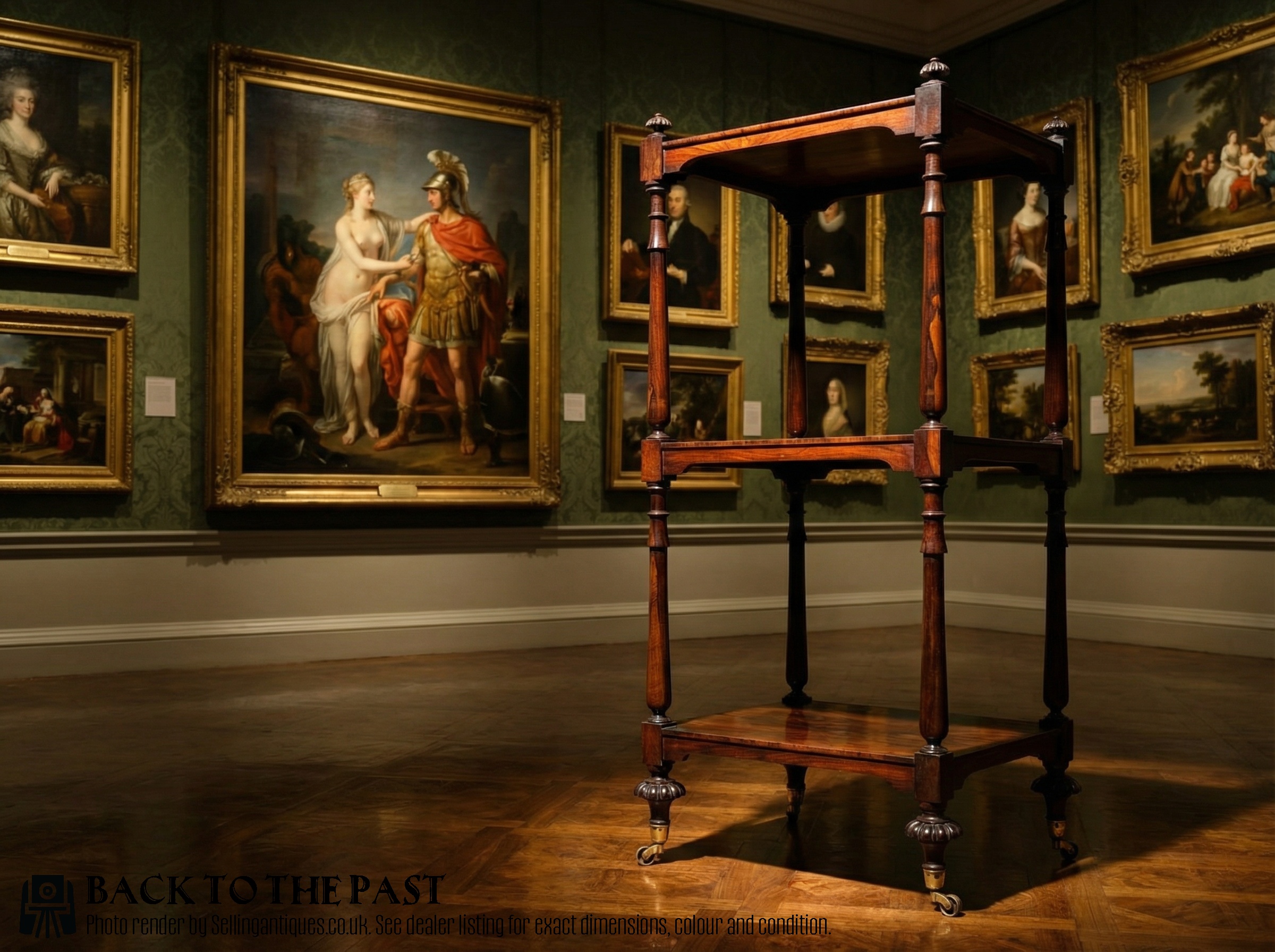
Rosewood Occasional Stand
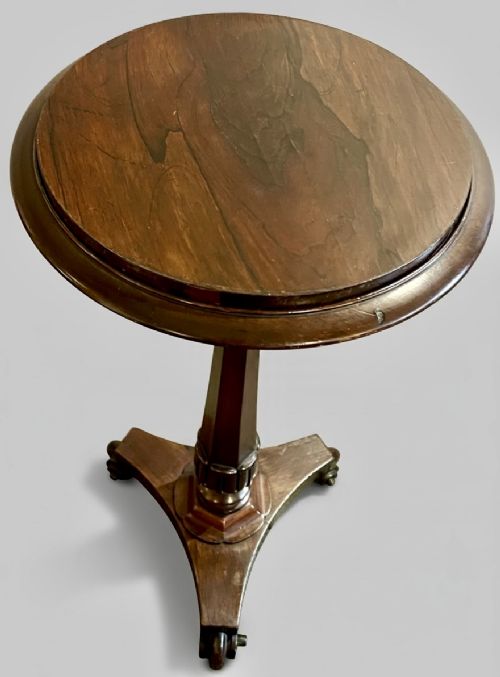
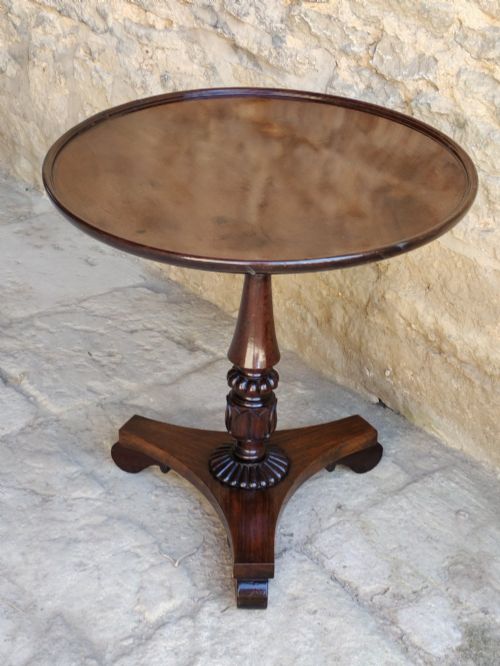
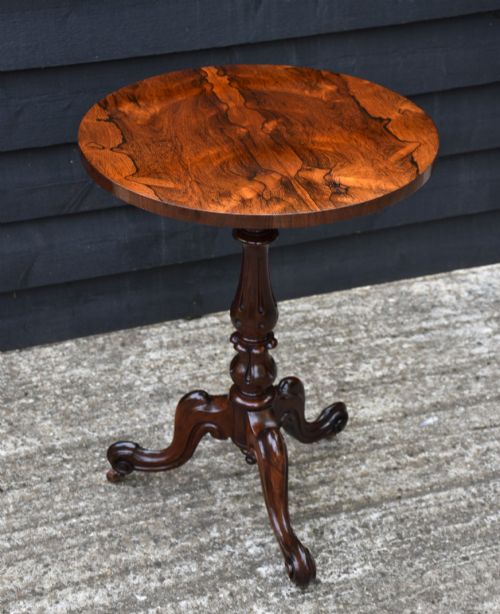
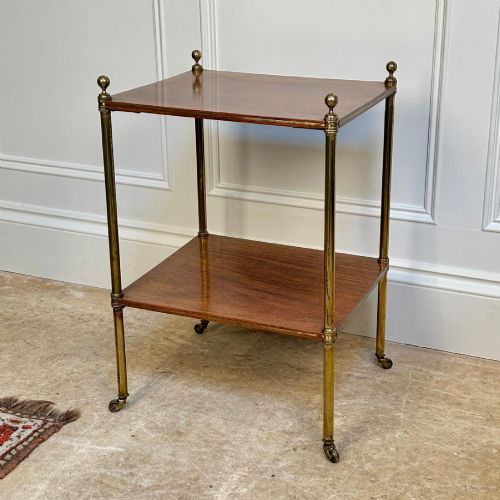
A rosewood occasional stand provides a compact, moveable surface for lamps, books, or plants within a domestic interior. These pieces range from simple tripod wine tables to elaborate etageres, two-tier tables, and reading stands designed to fit beside seating or in corners.
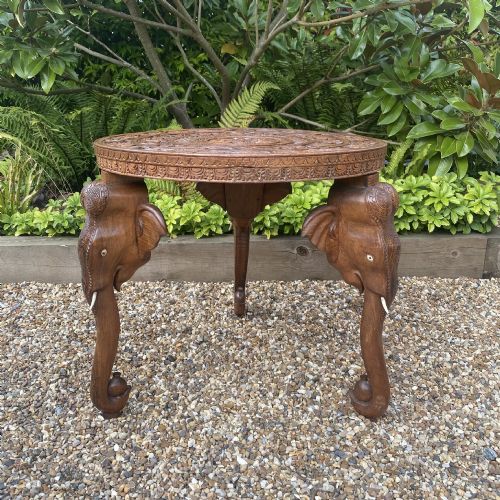
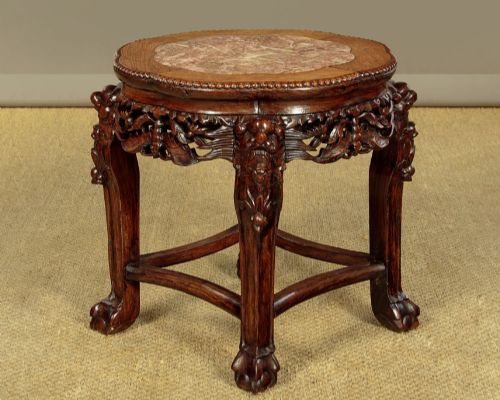
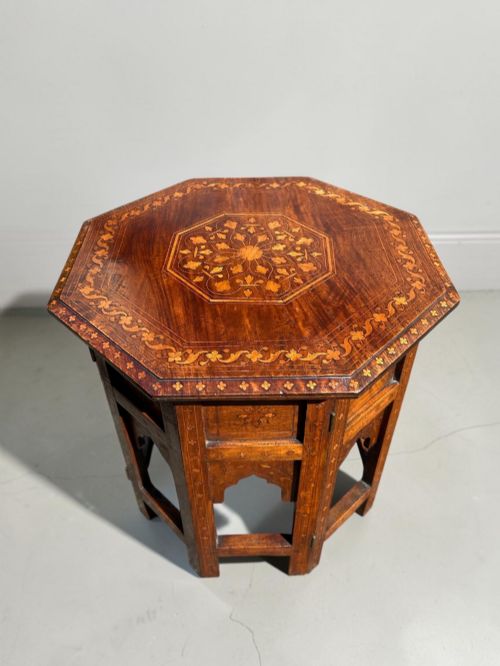
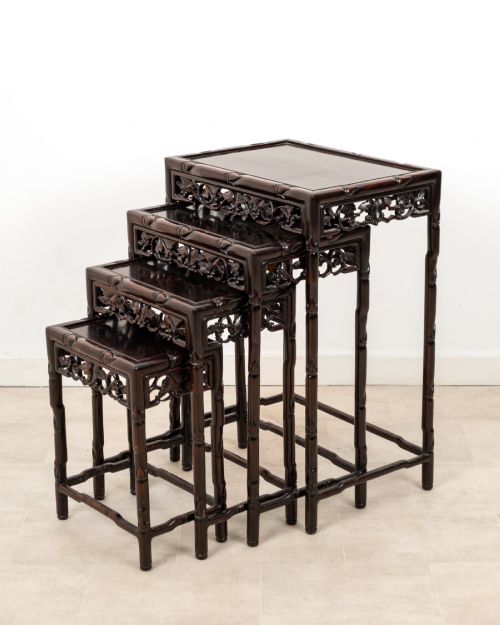
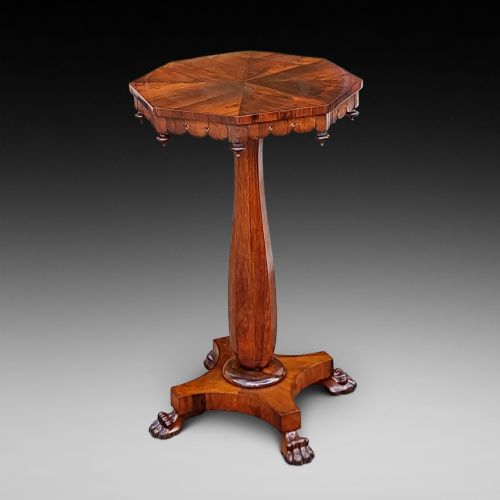
The pieces appearing on this page span the nineteenth century into the early decades of the twentieth century. Examples from the Regency and William IV periods sit alongside Victorian designs, Edwardian pieces, and Anglo-Indian or Chinese export creations.
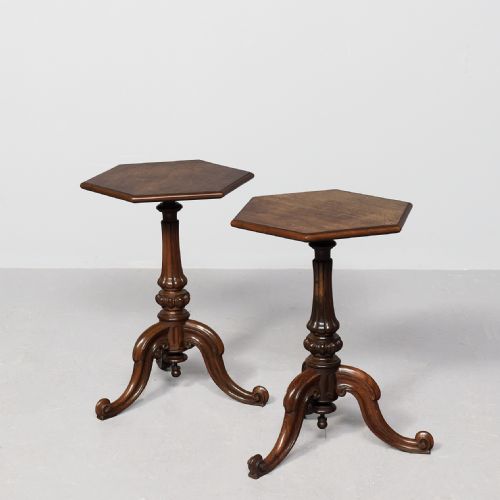
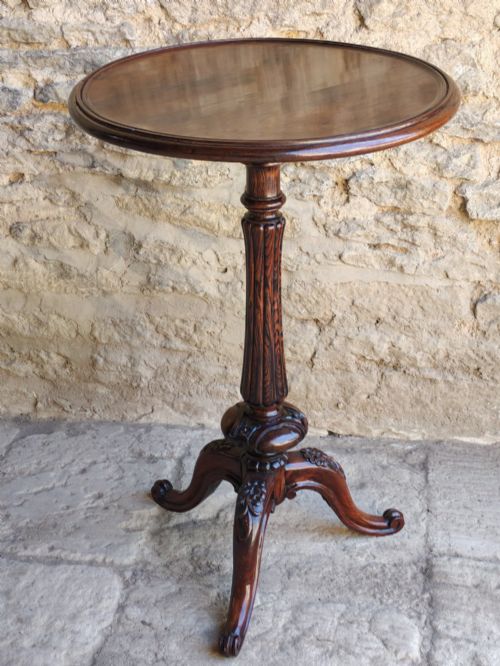
Buyers are most likely to encounter nineteenth-century circular or octagonal tables, often featuring tripod bases, brass inlay, or carved decoration. Forms such as nests of tables, whatnots, and plant stands also appear frequently across various historical styles.
How they were made
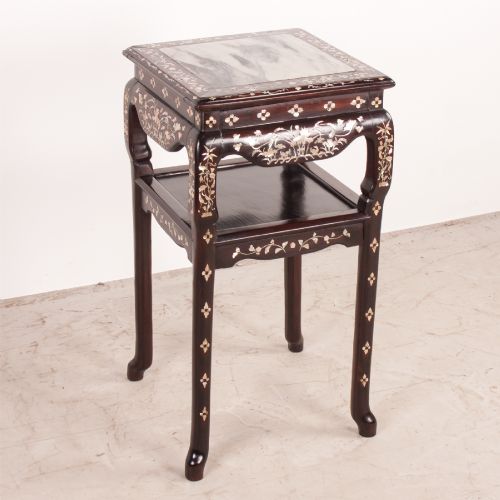
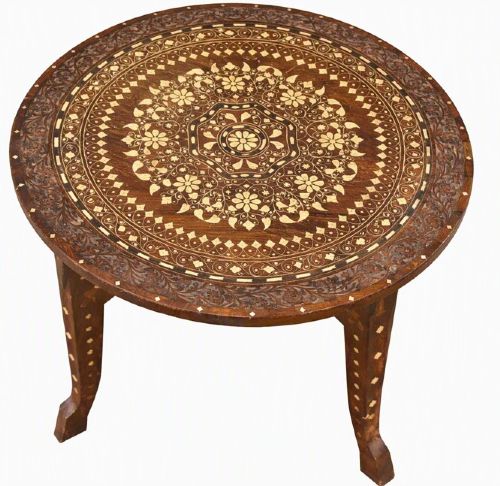
Cabinetmakers utilised dense rosewood, frequently pairing the primary timber with mahogany, hardwood, or lighter crossbanding. Tables often incorporated brass stringing, mother of pearl inlay, or bone inlay to accent the deep grain of the wood.
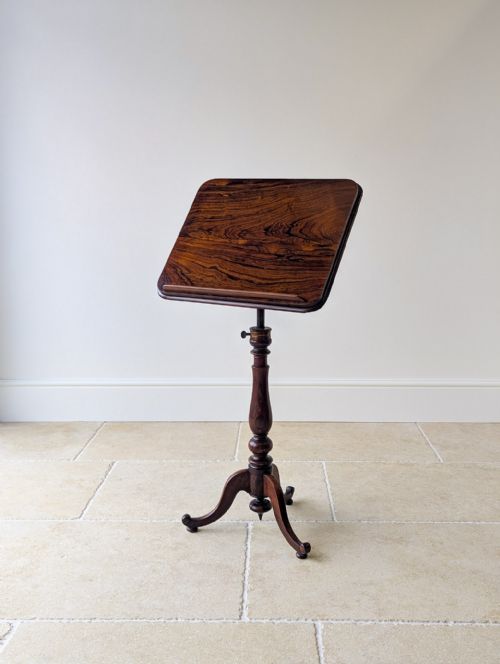
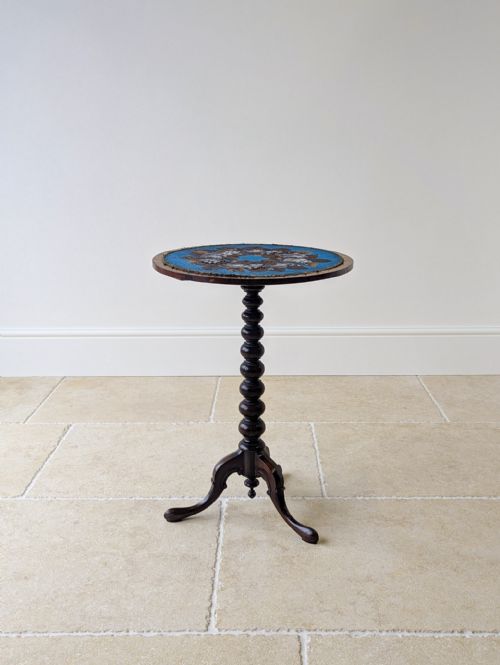
Construction techniques included traditional joinery, turned barley twist legs, and carved tripod supports. Many pieces featured specialised mechanisms, such as telescopic columns for adjustable height or folding butler's trays.
Object types range from side tables and plant stands to reading stands, serving tables, and nested sets.
What varies in quality
The standard of a rosewood occasional stand depends upon the crispness of the carving, the precision of any inlay work, and the stability of the timber frame. Superior examples demonstrate careful selection of grain and robust structural joinery that withstands daily use.
Regional variations and stylistic influences, from Anglo-Indian octagonal tables to Regency brass-strung lamp tables, display differing degrees of artisan skill. Finer pieces maintain original surfaces and balanced proportions without relying on later alterations.
George Bullock·Edwards & Roberts·Liberty & Co
The Rosewood Occasional Stand Glossary
- Rosewood
- A dense, heavily figured timber prized for its dark colour and durability in fine cabinetmaking. It forms the primary material for many nineteenth-century occasional stands.
- Etagere
- A set of open shelves for displaying small objects or books, often designed with multiple tiers supported by slender columns.
- Tripod table
- A small freestanding table supported by a central pillar above three spreading legs, common in wine and occasional tables.
- Whatnot
- A piece of furniture consisting of shelves for books or ornaments, frequently constructed in miniature or side table form.
- Trompe l'oeil
- An artistic technique that uses realistic imagery to create an optical illusion of three dimensions on a flat surface.
Rosewood Occasional Stand: Frequently Asked Questions
What is a rosewood occasional stand used for?
These versatile pieces served various domestic purposes, from holding bedside lamps and reading material to displaying decorative objects and serving tea.
Their compact scale allowed them to be moved easily around a room to suit the needs of the household.
How do I date a rosewood occasional stand?
Dating relies on observing construction methods, timber choices, and stylistic markers such as Regency brass stringing or Victorian barley twist turnings.
Comparing the form and decorative details against known periods helps narrow down the decade of manufacture.
Are these stands suitable for daily use?
Solid construction and durable rosewood timber make these tables well-suited for holding lamps, cups, or small items in modern rooms.
Care should be taken to protect the polished surface from moisture and excessive direct sunlight.
What distinguishes Anglo-Indian tables?
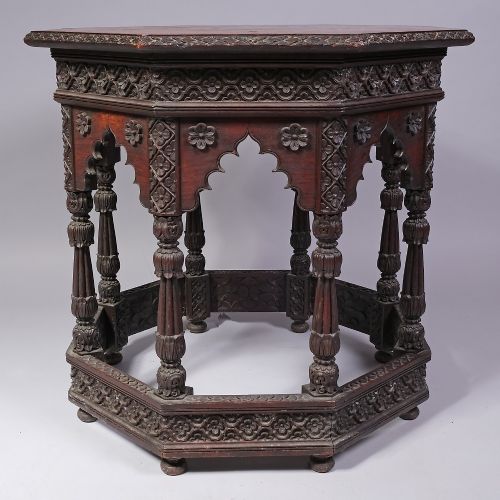
Anglo-Indian pieces often feature intricate hand-carved decoration, octagonal tops, and bone or brass inlay reflecting traditional craftsmanship from the region.
These tables were frequently created for export during the nineteenth and early twentieth centuries.