


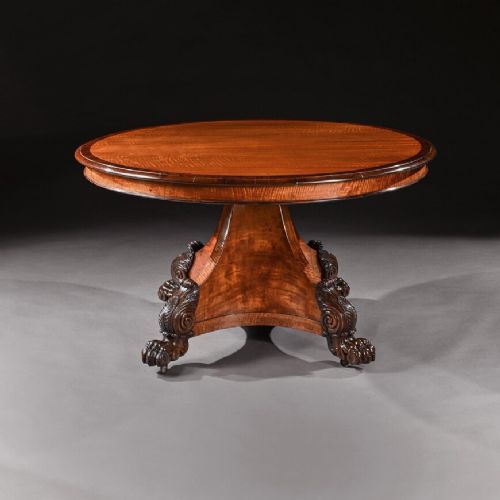
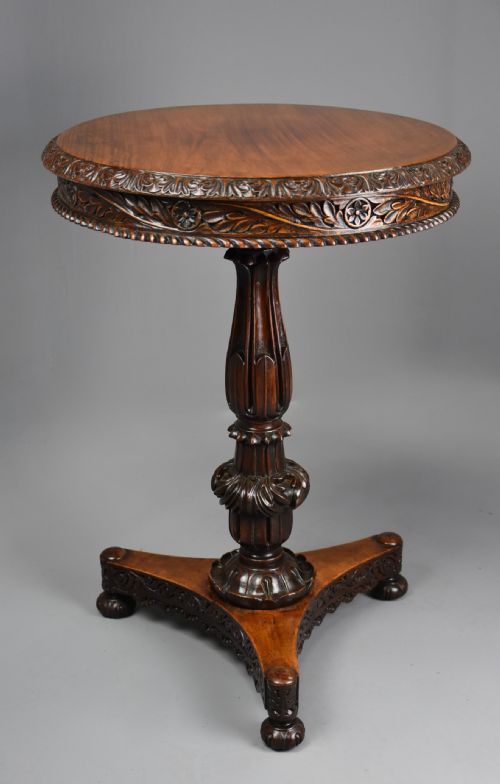
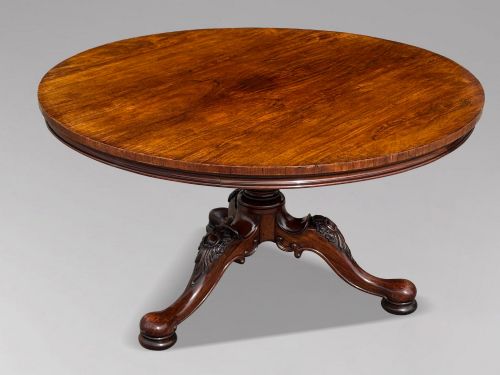
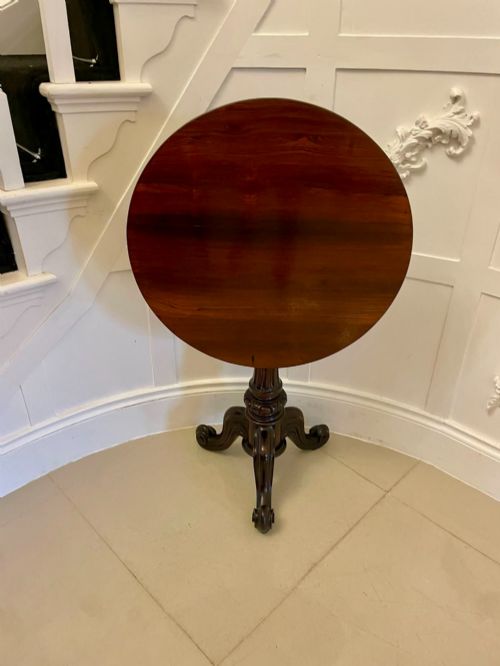

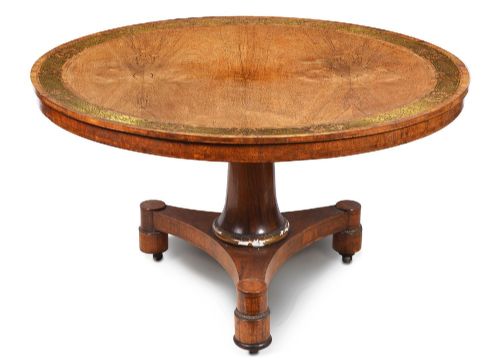
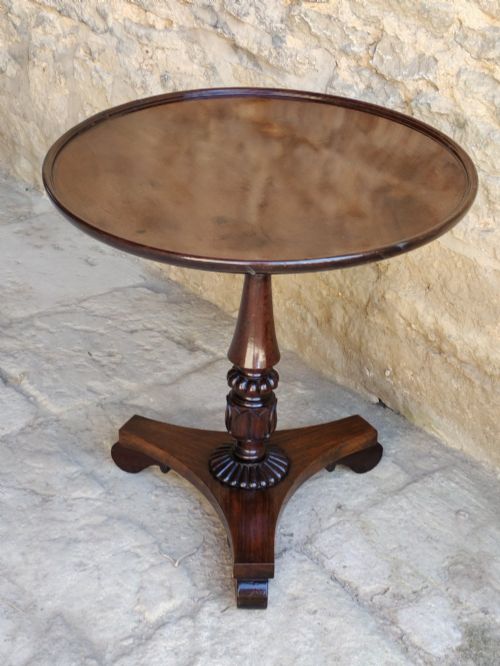
Rosewood Circular Table
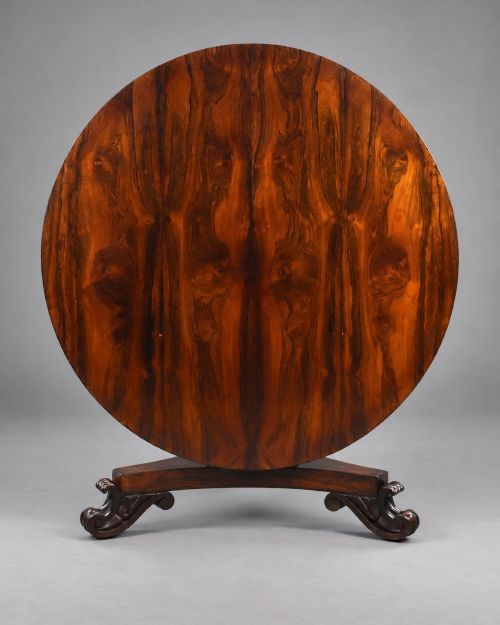
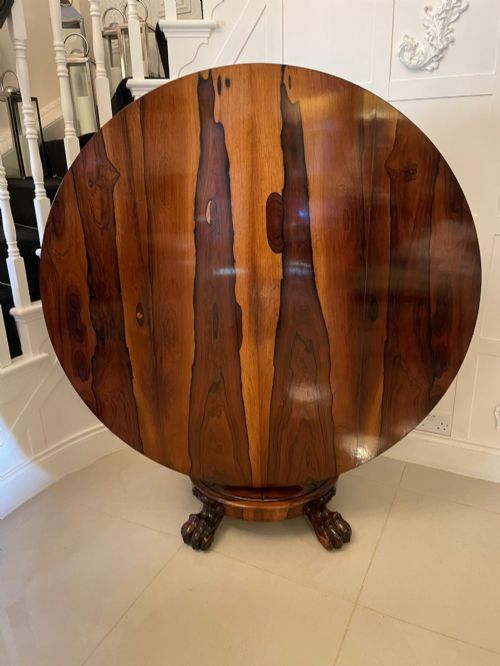
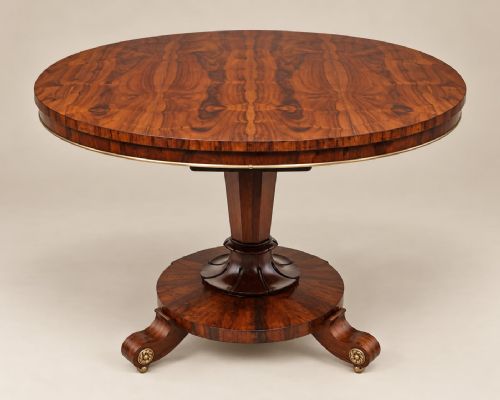
These pieces of rosewood circular table history anchor a room with rich grain and substantial pedestals, drawing the eye instantly.
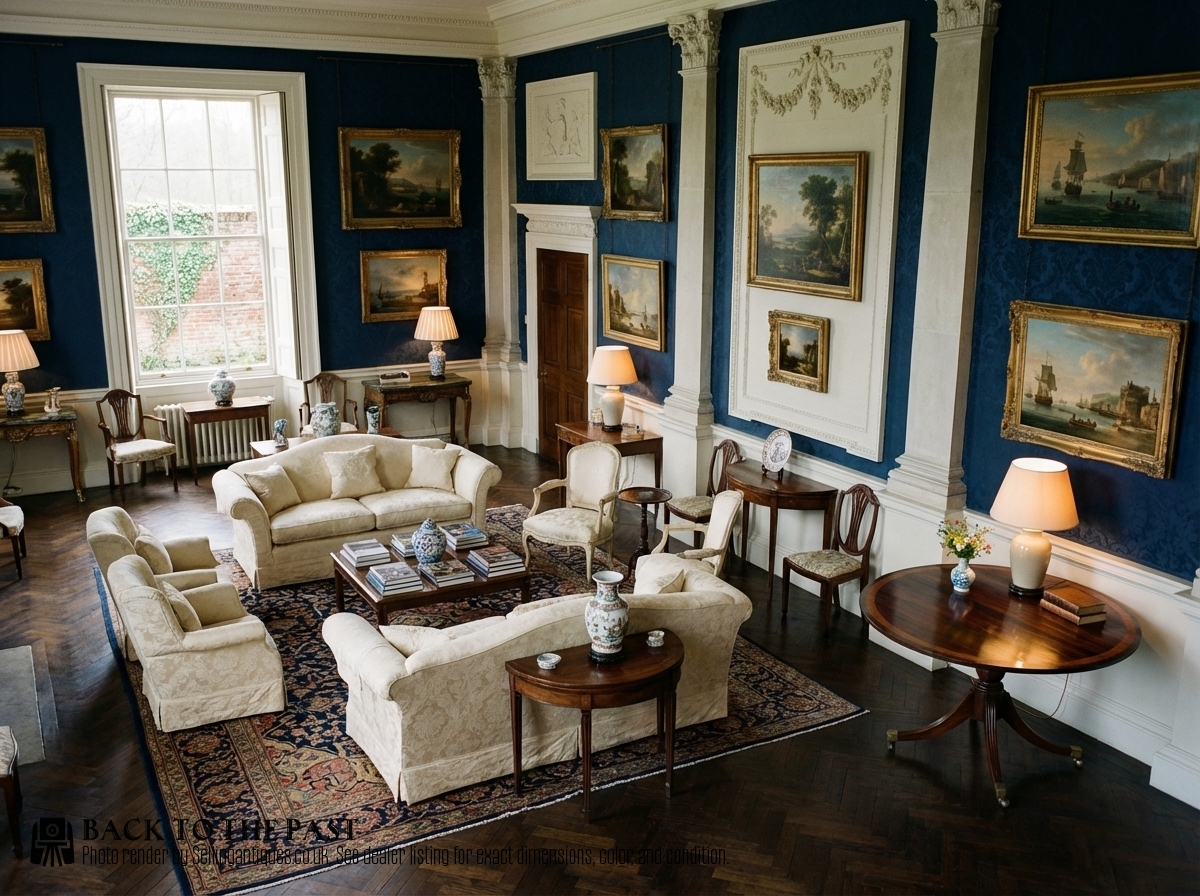
Rosewood Circular Table
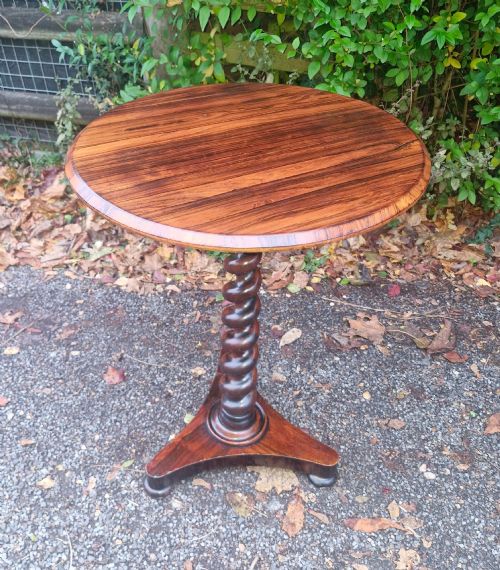
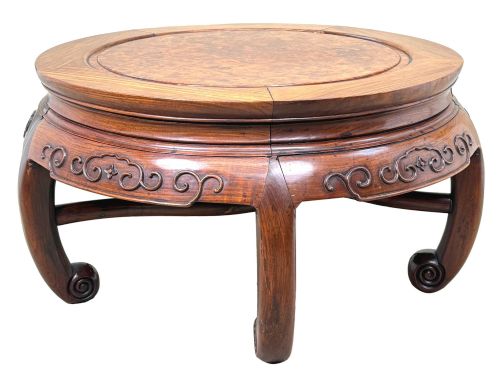
A rosewood circular table serves multiple functions across periods, appearing as expansive dining surfaces, breakfast tables, centre tables, and smaller lamp or wine tables.
The pieces on this page span several distinct eras, with Regency, William IV, Victorian, and Art Deco examples shaping the selection.
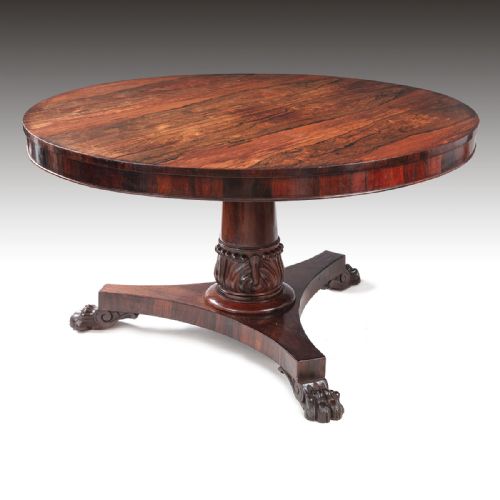
Most commonly, buyers encounter the heavy centre pedestal format designed to seat a company or anchor the middle of a grand hall.
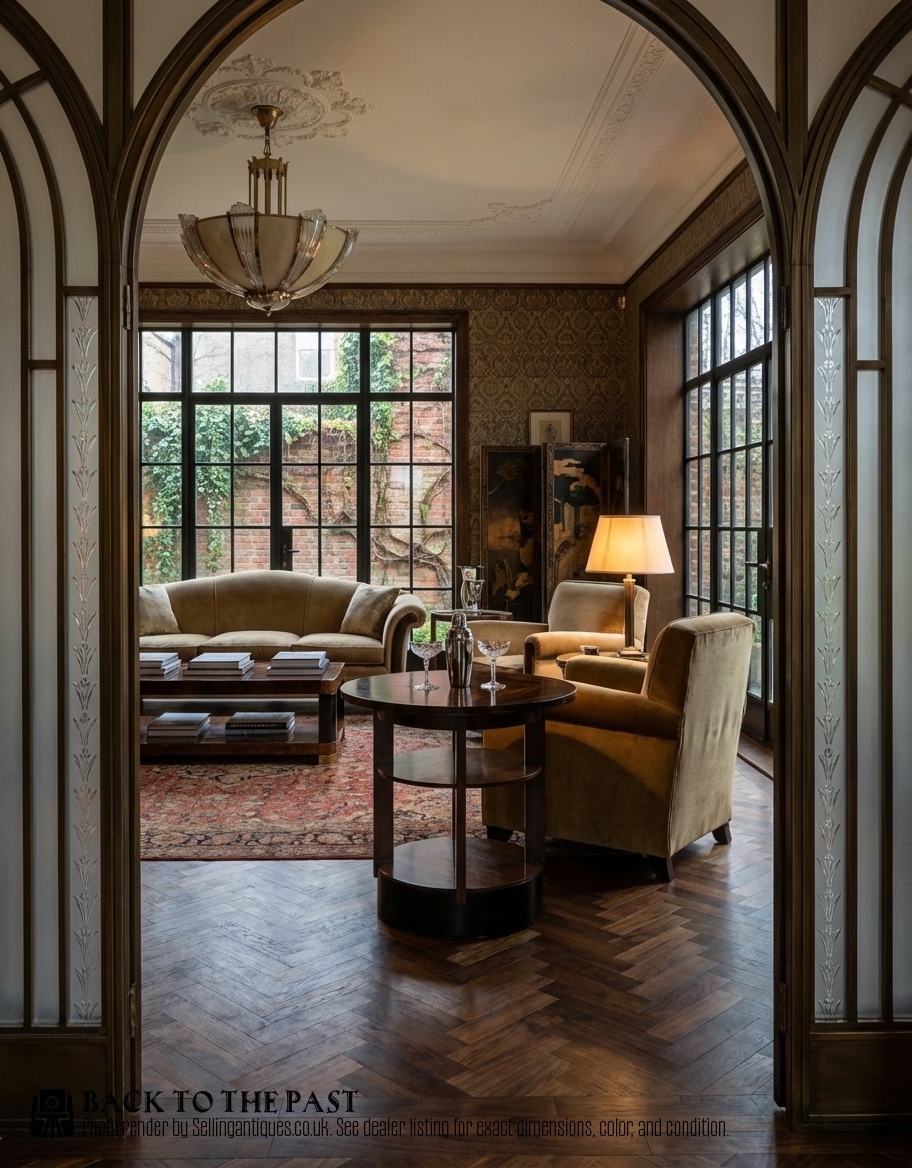
Materials and construction methods
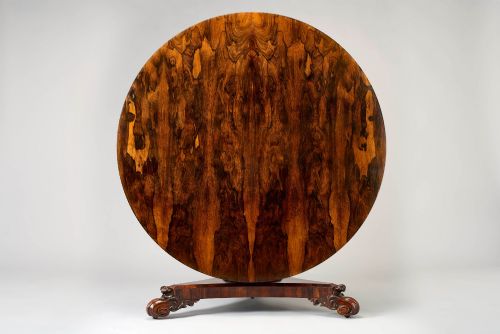
Cabinet makers utilised solid rosewood alongside rosewood veneer to display dramatic, highly figured timber grains across wide circular surfaces.
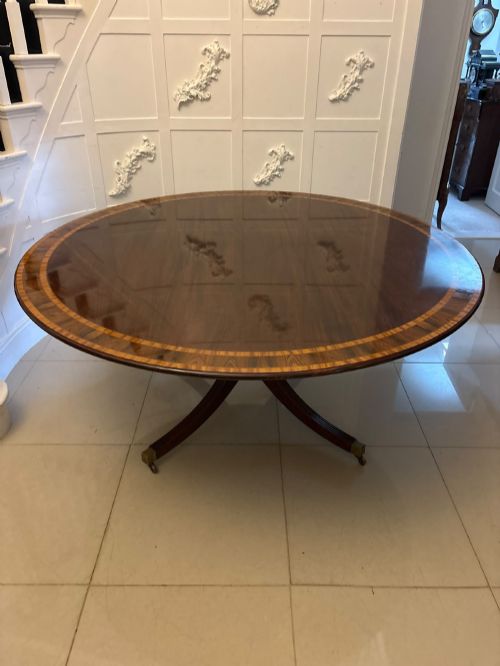
Many examples incorporate contrasting brass inlay, ivory details, or intricate hand carving along the pedestals and tripod bases.
Rosewood Circular Table Retail Price Guide 2026
Typical asking prices for rosewood circular table among the pieces listed under this phrase on Sellingantiques today, from the lower quarter to the upper quarter. They describe what is for sale here now, not the wider market.
The archive records span Regency, William IV, Victorian, and Art Deco periods, utilising rosewood, walnut, and brass inlay.
Distinguishing quality in circular tables
The desirability of a piece often rests on the natural figuring of the timber top and the vigour of the carved centre pedestal.
Subtleties in brass inlay work and the structural integrity of tilt-top mechanisms separate standard utility from exceptional craftsmanship.
The Rosewood Circular Table Glossary
- Rosewood
- A dense, heavily figured timber prized for its dark grain and polished finish. It forms the primary surface of these round tables.
- Tilt-top
- A hinged tabletop mechanism allowing the surface to fold vertically when not in use. This saved precious floor space in period homes.
- Breakfast table
- A pedestal dining table designed for morning use, typically featuring a single central pillar and a wide circular top.
- Centre table
- A freestanding round table intended to sit in the middle of a room rather than against a wall.
- Tripod base
- A three-legged support structure branching from a central column to stabilise heavy circular tabletops.
Rosewood Circular Table: Frequently Asked Questions
How are these tables used today?
These tables function brilliantly as central hallway statements or as intimate dining surfaces in modern living spaces.
Their circular footprints encourage conversation and fit naturally into square rooms without blocking corners.
What periods do these tables represent?
The selection spans from the Regency era through the William IV and Victorian periods, extending into Art Deco designs.
Each era brings distinct pedestal carvings and edge details to the fundamental circular form.
Do tilt-top mechanisms still function?
Most tilt-top mechanisms retain their original brass catches and pivot hinges, allowing the top to tilt smoothly.
Buyers should handle the release latch with care to protect the historic timber joints.
How do I care for rosewood veneer?
Rosewood surfaces respond best to dry dusting and occasional treatment with appropriate natural waxes to maintain the sheen.
Direct sunlight and extreme temperature shifts should be avoided to protect the underlying timber veneer.