





Rose Medallion Porcelain
Rose medallion porcelain brings vivid enamels and gold leaf from nineteenth-century China into modern interiors through large bowls, vases, and lamps.
Rose Medallion Porcelain
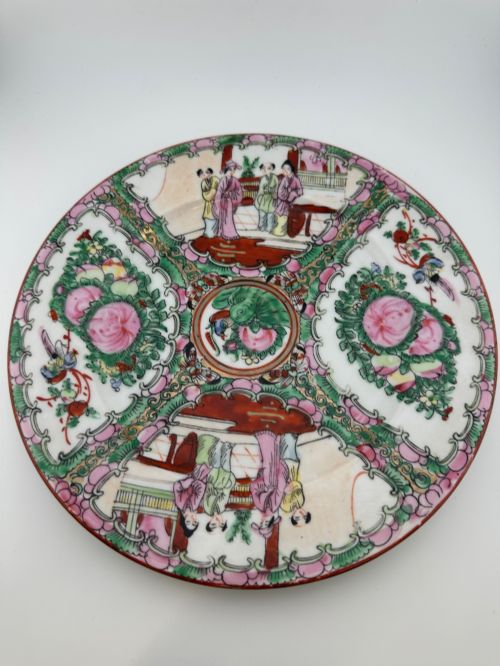
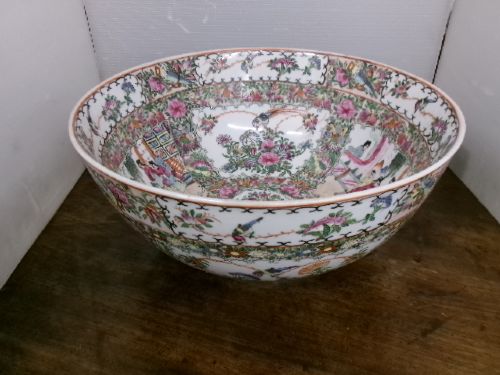
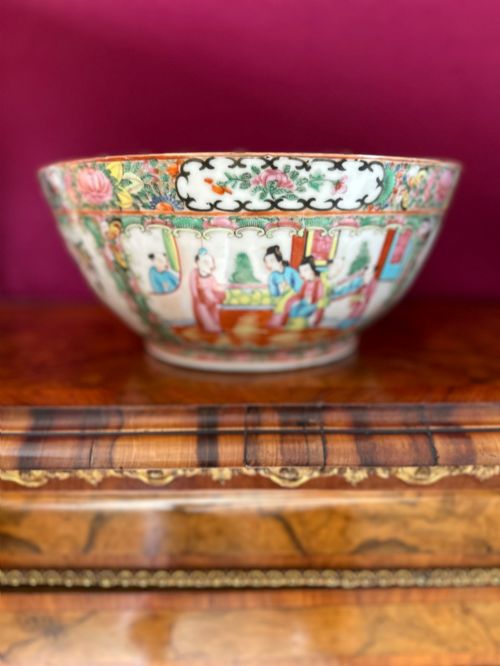
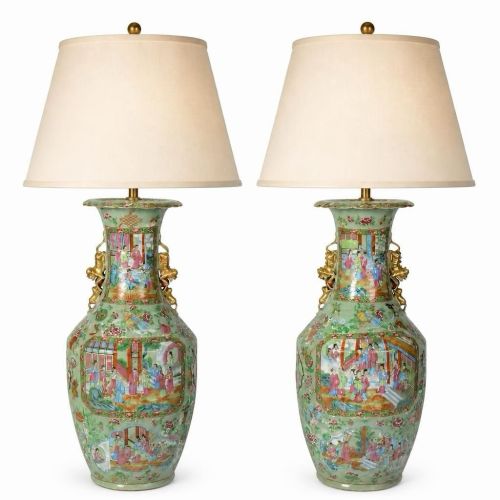
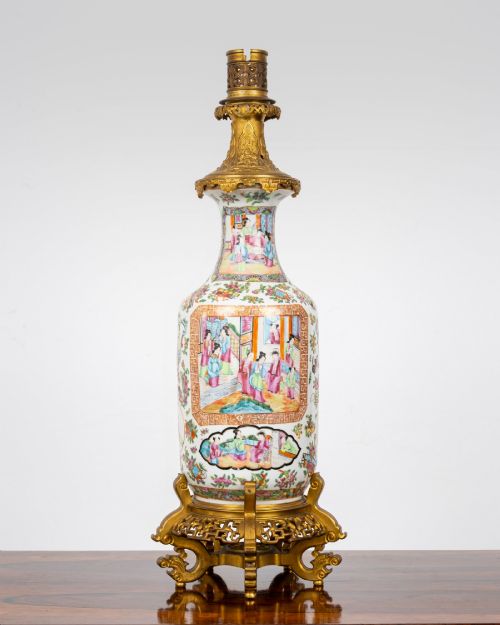
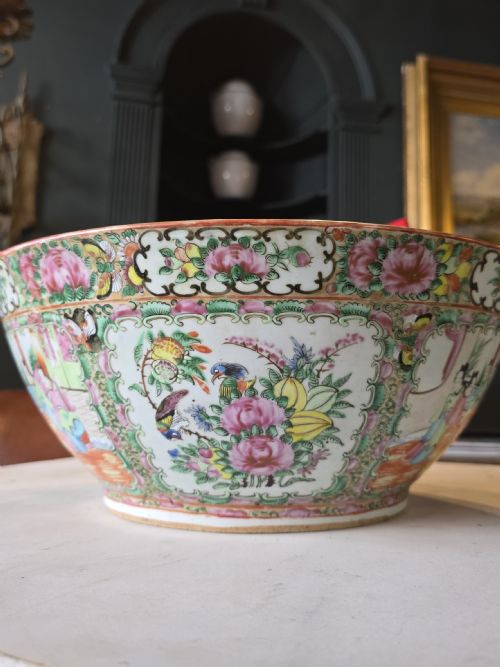
When you search for rose medallion porcelain, you encounter a distinct group of export wares created in Canton during the nineteenth century. These items include large punch bowls, garden seats, plates, and vases that often appear converted into table lamps.
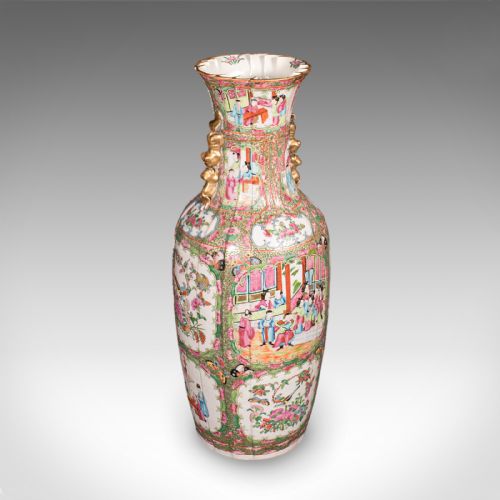
The aesthetic relies on segmented panels containing alternating scenes of figures, birds, and flowers, all framed by dense botanical motifs and gilt detailing. Most examples found today date from the Victorian era up to around nineteen ten.
Vessels span various scales, from intimate dishes to monumental baluster vases and sixteen-inch centrepiece bowls. Chinese export workshops produced these decorative items specifically for Western markets.
Materials and construction
Potters shaped the base ceramic from white porcelain before applying vibrant enamel colours by hand. Artisans utilised gold leaf and gilding to highlight borders, panels, and intricate foliage patterns across the surface.
Later alterations sometimes incorporate brass or gilt bronze mounts, particularly on pieces adapted into lamps during the nineteenth and early twentieth centuries. Garden seats and heavy vases utilise robust porcelain bodies designed to support complex, multi-coloured decorative schemes.
Current listings feature nineteenth-century Chinese export porcelain incorporating enamel, gold leaf, and gilt bronze mounts.
Assessing quality and execution
The finesse of the hand-painted figural scenes and the crispness of the gilt work dictate the standard of an individual piece. Superior examples display precise brushwork in the enamel panels and rich application of gold leaf without blurring.
Scale and form also influence distinction, with monumental baluster vases, umbrella stands, and large punch bowls demanding greater technical skill from the potter than smaller domestic dishes.
The Rose Medallion Porcelain Glossary
- Famille rose
- A palette of opaque overglaze enamels dominated by pink or rose colours, introduced in Chinese porcelain during the Qing dynasty. It allowed artisans to create nuanced tonal gradations in floral and figural motifs.
- Canton
- A major port city in southern China where much of the export porcelain destined for Western markets was decorated and shipped. Pieces originating here are frequently termed Cantonese.
- Gilt bronze
- An alloy of copper and zinc treated with a gold coating, utilised for decorative mounts on nineteenth-century vases and lamps. It added structural weight and ornamental splendour to the porcelain base.
- Baluster vase
- A tall vessel characterised by a rounded body that tapers toward the base and swells near the middle. This form provides a broad canvas for segmented pictorial panels.
- Punch bowl
- A large, deep vessel originally intended for mixing and serving communal drinks at social gatherings. In export ceramics, these items function primarily as impressive decorative centrepieces.
Rose Medallion Porcelain: Frequently Asked Questions
What is rose medallion porcelain?
Rose medallion porcelain is a distinct style of nineteenth-century Chinese export ware featuring segmented panels of enamelled figures and flowers.
Artisans applied vibrant colours and gold leaf to create highly decorative bowls, vases, and plates for international buyers.
How were these pieces used?
Historic households utilised large bowls for punch and displayed monumental vases or garden seats in reception rooms.
Today, collectors repurpose many of these items as table lamps or display them as decorative centrepieces.
How do I date these items?
Most pieces date from the nineteenth century, particularly the Victorian period through to nineteen ten, based on stylistic traits and mounting techniques.
Examining the density of the enamels and the type of gilt work helps distinguish nineteenth-century production from later twentieth-century manufacturing.
Are these pieces fragile?
These items consist of hard-paste porcelain covered in overglaze enamels, requiring careful handling to prevent surface abrasion.
Placing them securely on stable surfaces or stands protects both the ceramic body and the delicate gold leaf detailing.