


Pink Porcelain Lamps
Pink porcelain lamps bring warmth to a room through painted enamel and glazed ceramic, offering both soft illumination and decorative presence.
Pink Porcelain Lamps
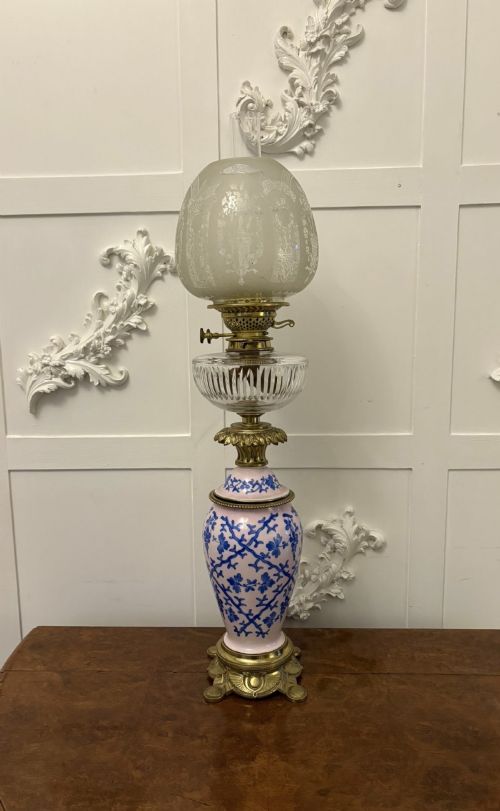
Pink porcelain lamps encompass a diverse array of table lighting and converted vessels, spanning the nineteenth century up to the art deco period. Buyers investigating pink porcelain lamps will frequently encounter Chinese export ginger jars and vases adapted into lighting alongside European oil lamps.
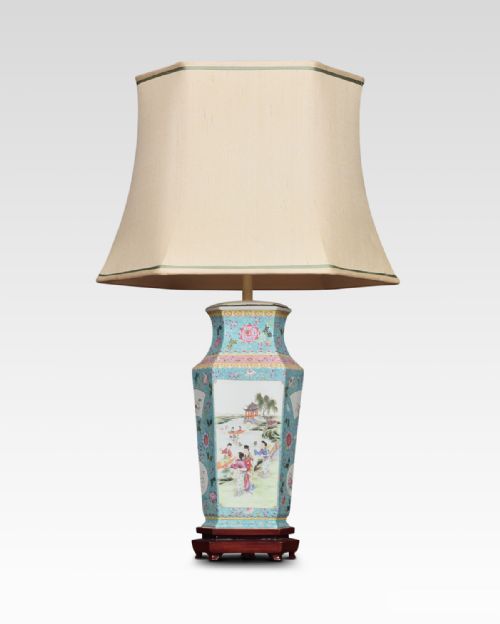
The selection ranges from Victorian oil lamps with brass hardware to massive Japanese Yokohama and Chinese Rose Medallion vases mounted for electricity. Many examples arrive as symmetrical pairs, utilising famille rose palettes dominated by soft pink enamel tones.
Origins stretch across Chinese workshops, French ateliers, and German factories, creating an eclectic mix of styles from Chinoiserie to French Rococo Revival. These pieces combine utilitarian lamp fittings with antique ceramic bodies created long before their electrical conversion.
Materials and Construction
The physical build relies heavily on fired porcelain bodies combined with structural mounts of brass, gilt bronze, and sometimes wood. Artisans applied hand-painted enamel designs directly onto the porcelain surface before glazing and firing, frequently employing the famille rose palette.
Many items started life as decorative vases, ginger jars, or oil lamps before undergoing conversion into table lamps with fabric or silk shades. Metal components such as brass burners and gilt bronze bases provide the necessary weight and structural integrity to support the ceramic bodies.
Listings feature porcelain, brass, fabric, wood, glass, gilt bronze, silk, and enamel across the nineteenth century and the art deco period.
Assessing Quality and Execution
Quality reveals itself primarily in the crispness of the hand-painted enamel work and the precision of the gilt bronze or brass mounts. Superior examples display finely delineated figures, florals, and birds on the porcelain, paired with heavy, well-cast metal fittings that sit true.
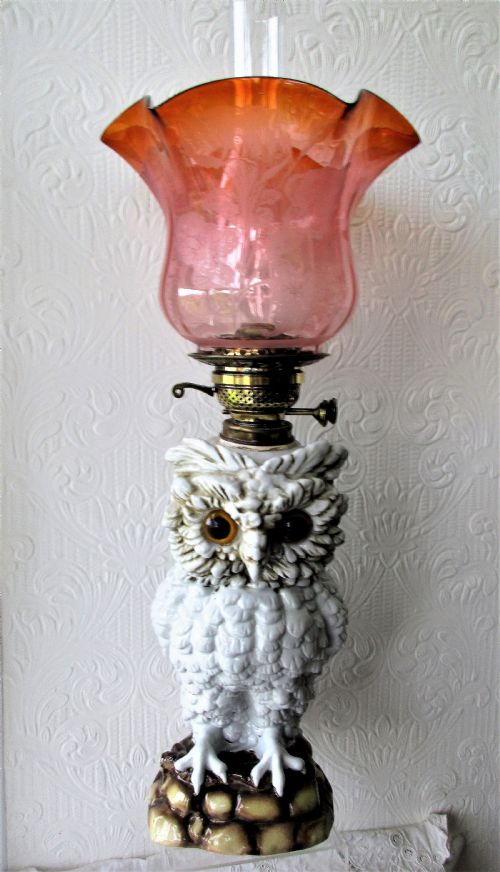
The integrity of the ceramic body and the skill of the conversion process distinguish standard pieces from exceptional ones. Potteries such as Sitzendorf or attributed makers like Argilor demonstrate distinct levels of sculptural detail in moulded elements like owls or human figures.
Sitzendorf·Argilor
The Pink Porcelain Lamps Glossary
- Famille rose
- A palette of Chinese ceramic enamels featuring an opaque pink colour derived from colloidal gold, prominent in eighteenth and nineteenth-century export wares. This pigment allowed artisans to paint delicate floral and figural scenes.
- Rose Medallion
- A distinct style of nineteenth-century Cantonese porcelain decorated with alternating panels of figures and birds or flowers, densely framed in green and gold. The overall composition typically centres on a medallion motif.
- Oil lamp
- A lighting device designed to burn liquid fuel through a wick before electricity became standard. Many surviving examples retain their brass collars and burners alongside the porcelain reservoir.
- Gilt bronze
- Copper alloy treated with a layer of gold, often referred to as ormolu on French decorative pieces. This material adds a rich metallic contrast to the pink porcelain bodies.
Pink Porcelain Lamps: Frequently Asked Questions
Are these lamps originally wired for electricity?
Most of these pieces began as oil lamps, vases, or ginger jars during the nineteenth century and were converted to electricity later. The original ceramic and metal bodies retain their antique character while accommodating modern wiring.
Buyers should expect to find twentieth-century electrical components fitted to older porcelain reservoirs and bases. Professional rewiring ensures safe usage in contemporary homes.
Where were these Chinese export lamps made?
Chinese export porcelain of this period was predominantly produced in kilns within regions such as Canton for Western markets. These pieces often combined traditional Chinese ceramic techniques with forms tailored to European tastes.
Many arrived in the West as decorative vessels before being mounted as lamps by Victorian or later craftsmen.
How should I choose a lampshade for these?
Selecting a shade involves balancing the scale and colour of the heavily decorated porcelain base beneath it. Silk or fabric shades in neutral or complementary tones allow the detailed enamel work on the ceramic to remain the visual focus.
Proportion matters significantly when pairing a tall ginger jar or vase lamp with a shade, ensuring the overall silhouette remains stable and balanced.