


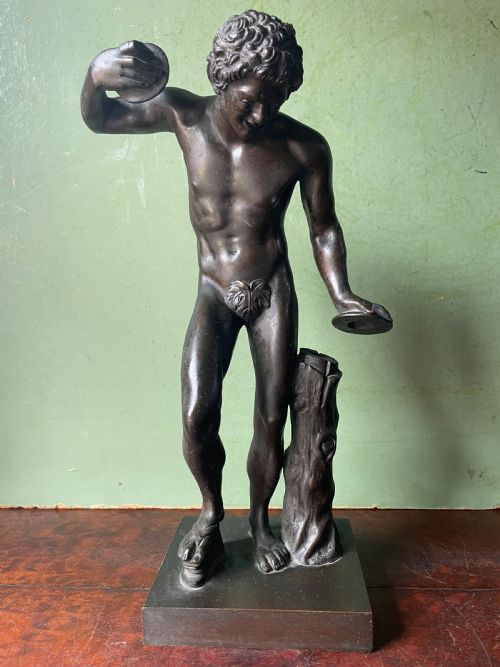


Roman Classical Figurine
A roman classical figurine brings the grand scale of antiquity into a domestic interior through miniature metal, marble, terracotta and porcelain reductions.
Roman Classical Figurine
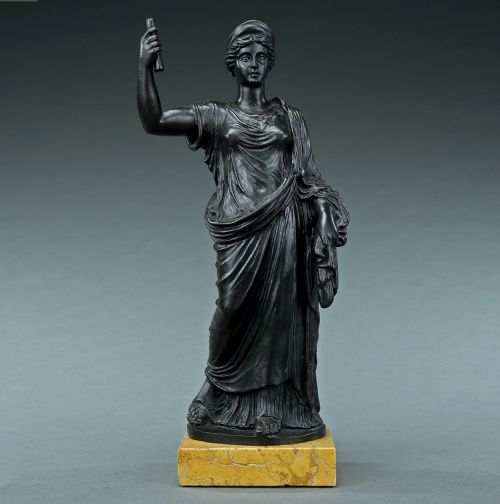
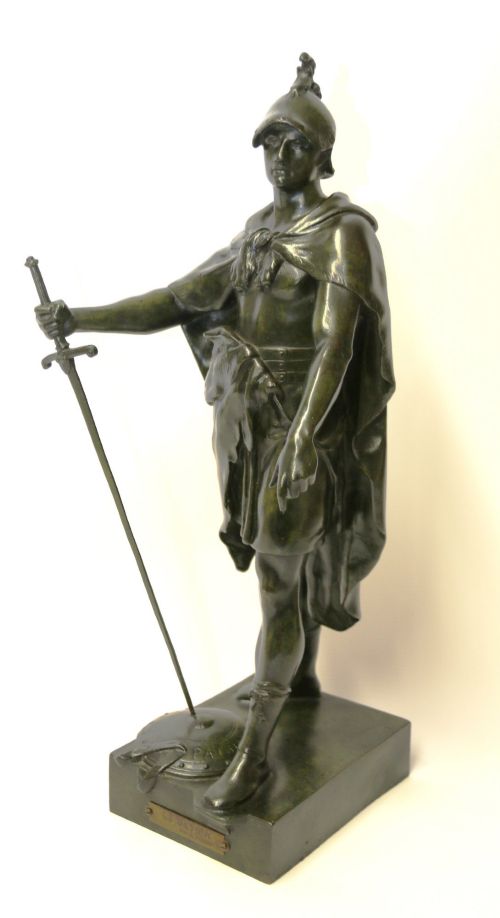
When you search for a roman classical figurine, you encounter sculptural reductions of ancient mythological figures, emperors, philosophers and classical dancers. These pieces emerge predominantly as nineteenth century Grand Tour souvenirs and academic castings produced across Europe.
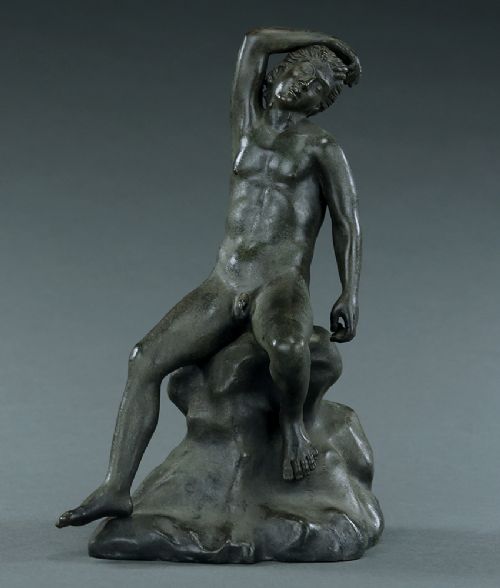
The selections on this page span several distinct periods including seventeenth century carved marble, eighteenth century Italian castings and numerous nineteenth century bronze and porcelain interpretations. Common subjects include mythological deities such as Juno, Bacchus and Athena alongside ancient discoveries like the Dancing Faun of Pompeii and the Spinario.
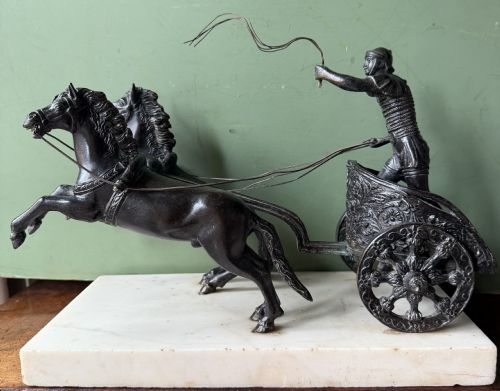
Makers and foundries adapted classical originals into statuettes, sculptures and mantel ornaments mounted on stone or marble plinths. The physical evidence shows these objects taking the form of patinated bronze, verdigris bronze, brass, terracotta, porcelain and stone.
Materials and Construction
Foundries and studios utilised casting techniques for bronze, brass and terracotta pieces, often applying chemical patination or verdigris to simulate antiquity. Many nineteenth century bronzes rely on reduction methods to scale down monumental ancient marbles and bronzes into cabinet-sized statuettes.
Plinths and bases utilise white marble or various stone supports to anchor heavier metal figures. Artisans also worked in carved marble and moulded porcelain, demonstrating diverse sculptural traditions across the seventeenth, eighteenth and nineteenth centuries.
A bronze boy sits forever pulling a thorn from his foot, echoing a Roman posture copied across centuries of workshops.
Distinctions in Quality
Quality reveals itself in the crispness of the casting detail, particularly in facial expressions, musculature and drapery folds derived from classical prototypes. Finer examples retain subtle hand-chasing after casting, whereas lesser pieces show softened edges and simplified surface textures.
The application of patination and the integration of the figure with its marble or stone plinth indicate the workshop standard. Master founders and identified modellers achieved anatomical precision and balanced proportions that elevate the statuette beyond a simple souvenir.
Émile Louis Picault·Zoffoli·Barbedienne·Eden Antony Paul Noel
The Roman Classical Figurine Glossary
- Grand Tour
- A traditional educational trip undertaken by upper-class Europeans to visit the cultural sites of Italy. Souvenirs purchased on these journeys formed the basis of many nineteenth century collections.
- Patinated Bronze
- Metal sculpture treated with chemical solutions to produce a specific surface colour or aged appearance. This technique protects the bronze and creates rich brown, green or black tones.
- Spinario
- A classical Hellenistic bronze sculpture of a boy removing a thorn from his foot. This subject was frequently copied by nineteenth century European foundries.
- Verdigris
- A green patina formed naturally or artificially on copper, brass or bronze through oxidation. It mimics the appearance of ancient buried bronzes.
- Reduction
- A scaled-down sculptural copy of a larger monumental work. Nineteenth century reductions allowed collectors to own miniature versions of famous antiquities.
Roman Classical Figurine: Frequently Asked Questions
What is a Grand Tour figurine?
A Grand Tour figurine is a small-scale sculpture collected by travellers touring the classical sites of Italy during the eighteenth and nineteenth centuries. These pieces reproduced famous ancient statues found in museums and excavations.
Foundries in Paris, Rome and Florence produced these bronze and marble reductions so collectors could display classical art in their homes.
How do I identify the subject of a bronze?
Subjects typically derive from Roman and Greek mythology or historical antiquity, recognizable through specific attributes. For example, Bacchus carries grapes or ivy, while Athena wears a helmet and aegis.
Comparing the pose and accessories to known antique sculptures usually reveals the identity of the deity or historical figure.
Are these pieces actually from ancient Rome?
Almost all pieces associated with this search phrase date from the seventeenth through the nineteenth centuries rather than antiquity itself. They represent later European revivals, academic studies and souvenir castings inspired by Roman originals.
Appreciating these works involves understanding the skill of later casters and the cultural context of nineteenth century revivalism.
How should I display a marble-mounted bronze?
Display these statuettes on stable, level surfaces away from direct sunlight and excessive humidity to protect both the metal patina and the stone base. Heavy marble plinths provide natural stability for tall bronze figures.
Regular dusting with a soft, dry cloth maintains the surface without introducing damaging moisture or cleaning chemicals.