
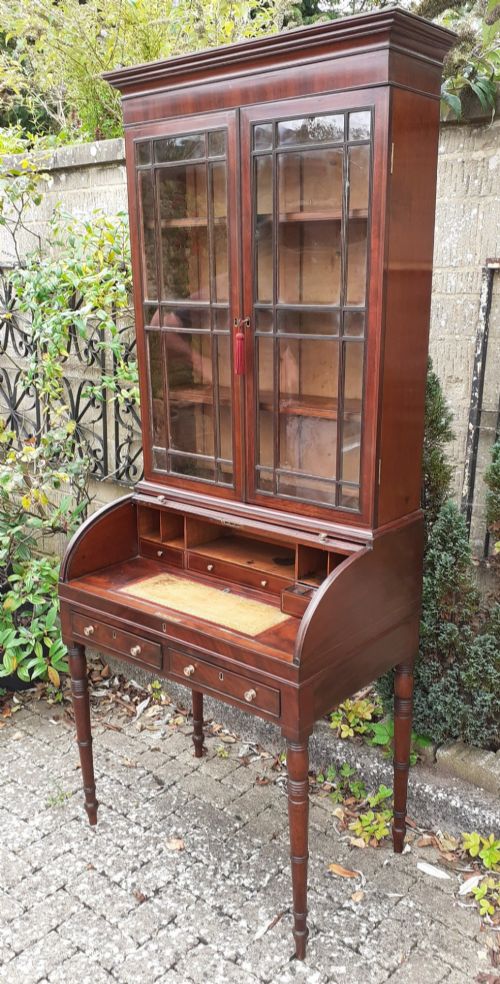
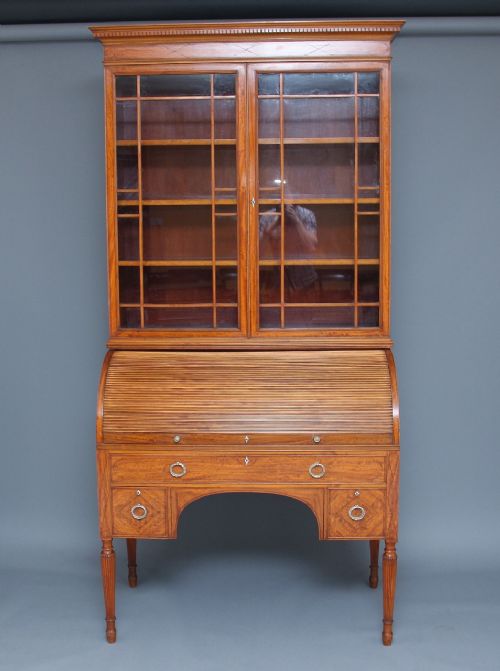

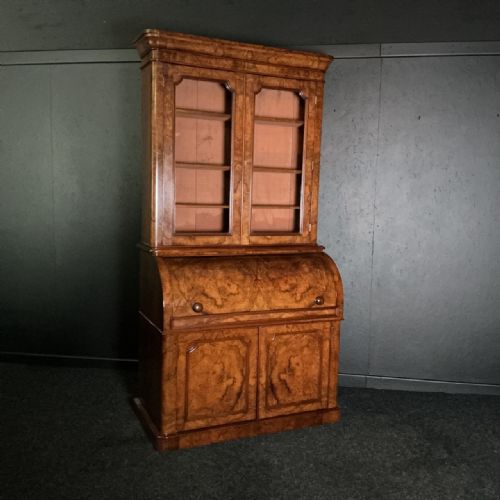
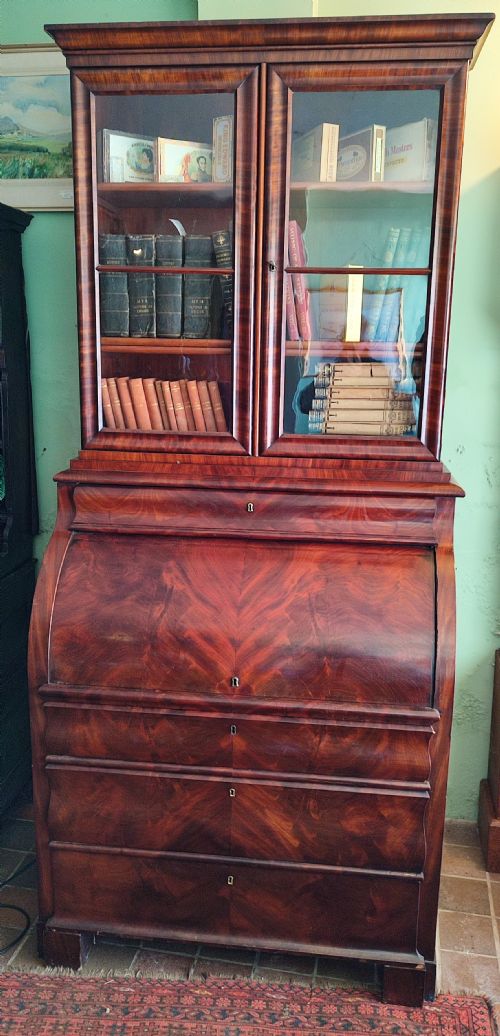
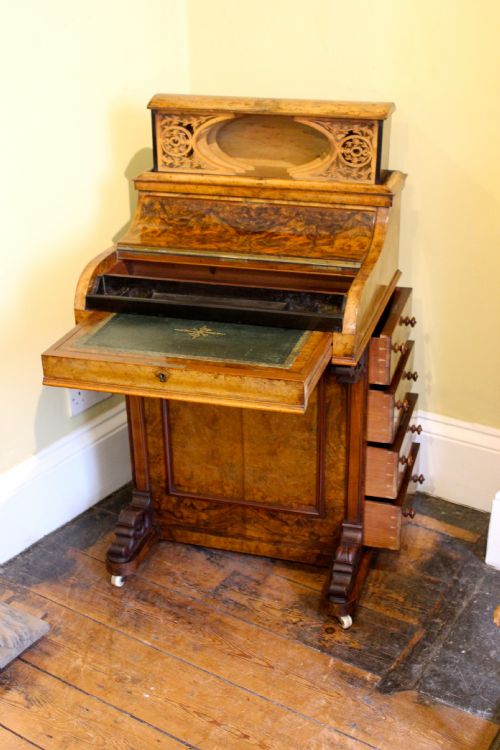


Roll Top Bureau Cabinet
A roll top bureau cabinet offers a clever mechanism to conceal writing papers behind a curved cylinder or slatted tambour.
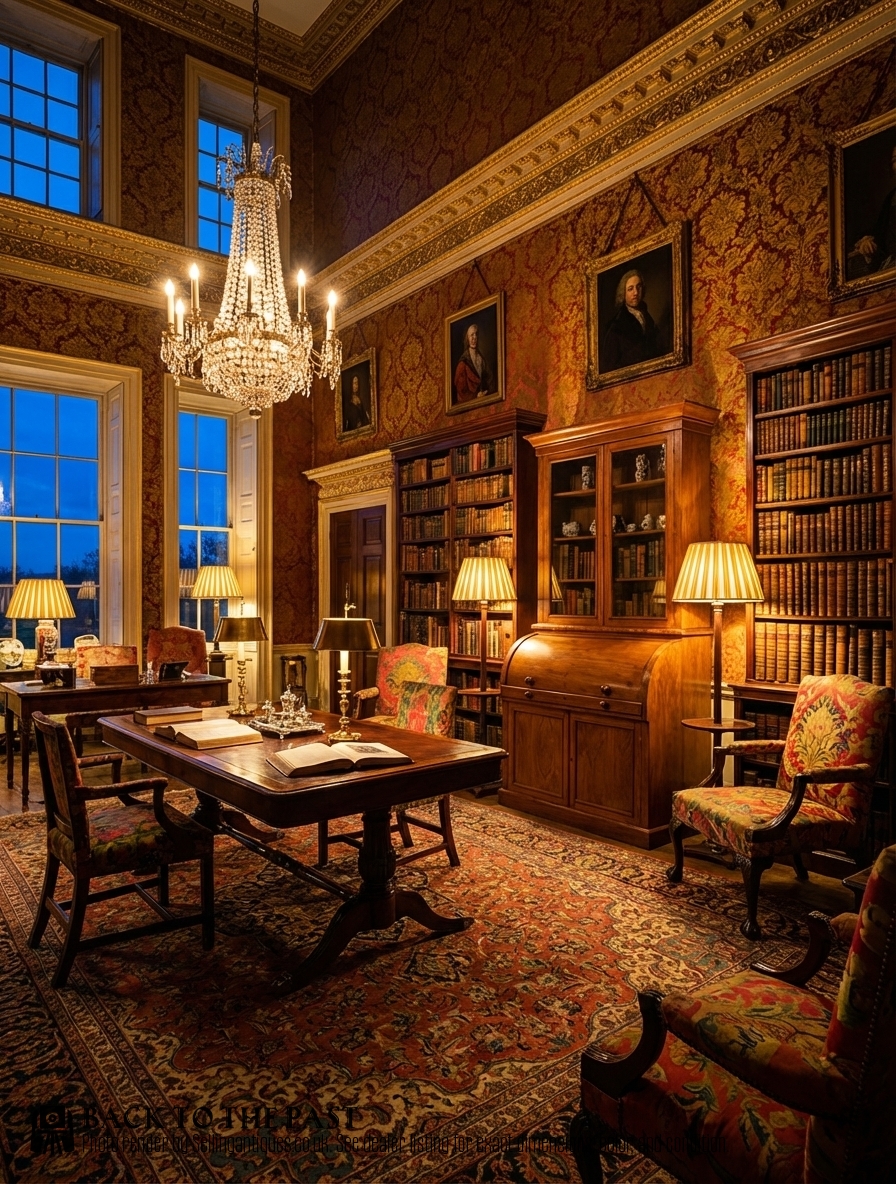
Roll Top Bureau Cabinet
A roll top bureau cabinet combines a concealed writing surface with upper shelving or display space, originating primarily across the eighteenth and nineteenth centuries in forms ranging from compact satinwood ladies desks to large oak pedestal desks.
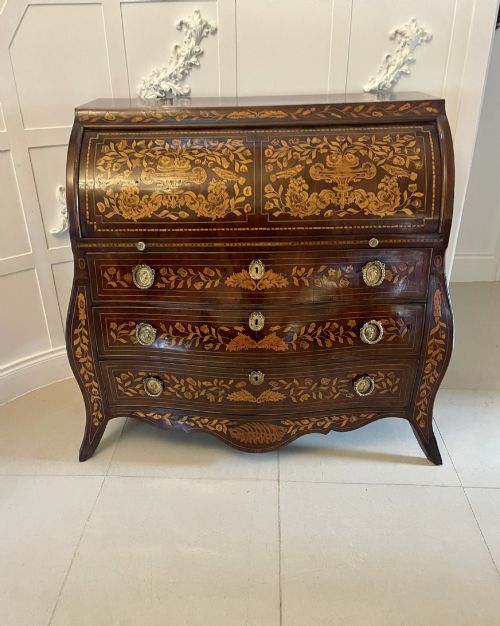
The pieces appearing on this page span styles such as Georgian, Regency, and Victorian, alongside Dutch marquetry and Biedermeier examples, showing how cabinet makers adapted the cylinder or tambour closure to different domestic scales.
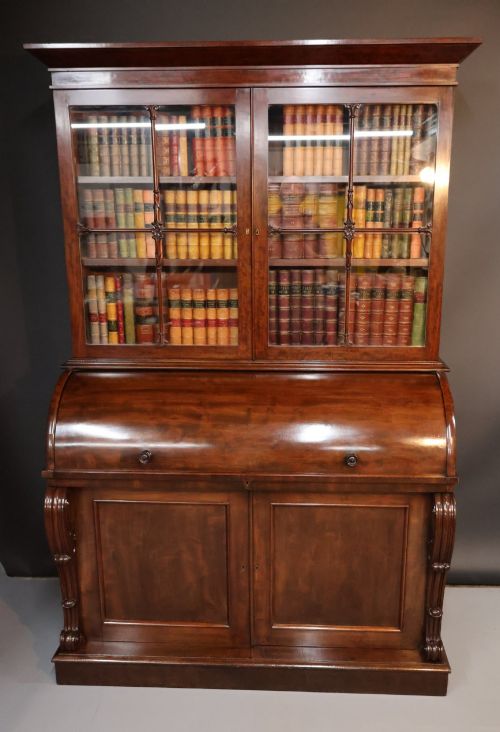
Most examples rely on mahogany, walnut, or satinwood timbers, frequently pairing a lower desk section equipped with a pull-out slide and interior compartments with an upper bookcase fitted with glass doors.

How they were made
Cabinet makers constructed the signature curved roll top by gluing thin wooden strips onto a flexible canvas or leather backing, allowing the cylinder to slide smoothly within concealed side tracks.
Primary timbers like mahogany, satinwood, and walnut provide structural stability, while decorative surfaces often incorporate floral marquetry, brass inlay, or burr walnut veneers to enhance the visual depth of the exterior.
The listings span the eighteenth, nineteenth, and early twentieth centuries, featuring woods from satinwood and burr walnut to solid oak.
What varies in quality
Quality rests heavily on the precision of the joinery governing the roll top mechanism, ensuring the cylinder or tambour glides without binding or sagging across its tracks.
Finer pieces distinguish themselves through selected timbers, intricate marquetry work, and the integration of secondary woods within the interior drawers, reflecting the standards of workshops like Edwards & Roberts.
Tudor & Burrey·Edwards & Roberts·John Mclean·Wiggers
The Roll Top Bureau Cabinet Glossary
- Cylinder
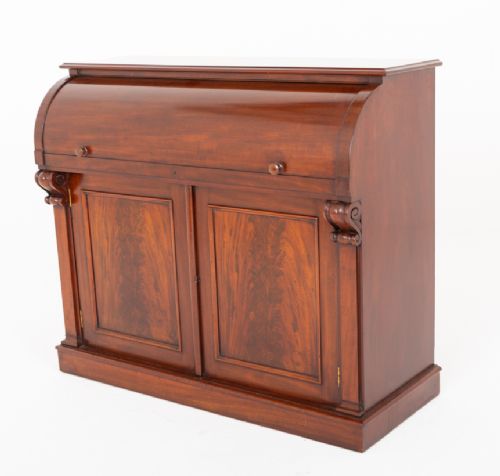
- A solid curved wooden roll that rotates on tracks to enclose the writing desk below. This form appears frequently on Georgian and Victorian cabinets.
- Tambour
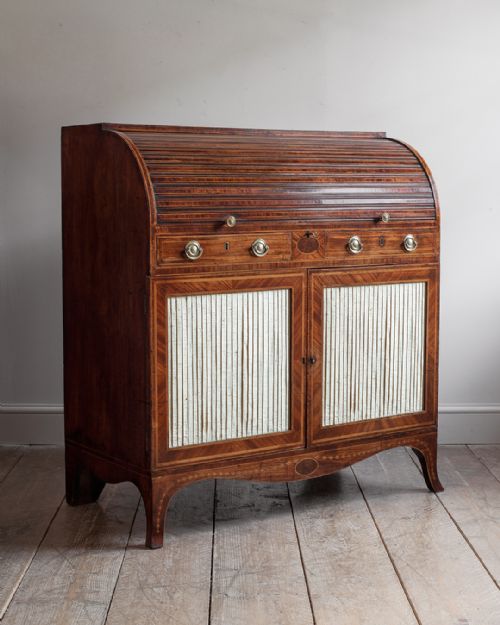
- A flexible shutter formed from narrow vertical wooden strips glued to a fabric backing. It slides around a curved track to conceal pigeonholes and small drawers.
- Marquetry
- Decorative veneer work forming pictorial patterns using various tinted woods. Floral designs feature prominently on Dutch and eighteenth-century examples.
- Secretaire
- A writing cabinet containing a drop-front or pull-out desk surface. Many incorporate internal compartments for stationery and documents.
- Bonheur du jour
- A light lady's writing desk with a small cabinet or set of shelves on top. These dainty pieces date from the eighteenth and nineteenth centuries.
Roll Top Bureau Cabinet: Frequently Asked Questions
What is a roll top bureau cabinet?
A roll top bureau cabinet is a writing desk featuring a curved wooden cylinder or slatted tambour that pulls down to hide the work surface and internal pigeonholes.
Many of these pieces also incorporate an upper bookcase section with glass doors, combining desk space and display storage in a single item.
How do cylinder desks work?
A cylinder desk uses a quarter-circle wooden shell that pivots on tracks or slides downwards to cover the desk interior. When pushed upward, the cylinder recesses into the body of the cabinet.
On some variations, pulling out the writing slide automatically retracts the cylinder to open the desk.
How do I date a roll top bureau cabinet?
Dating relies on examining the secondary timbers, construction methods, and prevailing style characteristics. Eighteenth-century versions often display fine satinwood and floral marquetry.
Victorian and Edwardian iterations tend to use heavier proportions, ranging from walnut and mahogany to solid oak roll-top office desks.
Where were these cabinets placed?
These cabinets served as functional writing and storage furniture in the principal rooms of large houses, including studies, libraries, and drawing rooms.
Smaller satinwood and rosewood variants were frequently designed for ladies to manage correspondence in private sitting spaces.
How do I care for the tambour?
The slatted tambour requires consistent indoor humidity to prevent the backing fabric from drying out or the wooden strips from warping.
Keeping the tracks clean of dust ensures the flexible shutter continues to glide smoothly without catching during operation.