

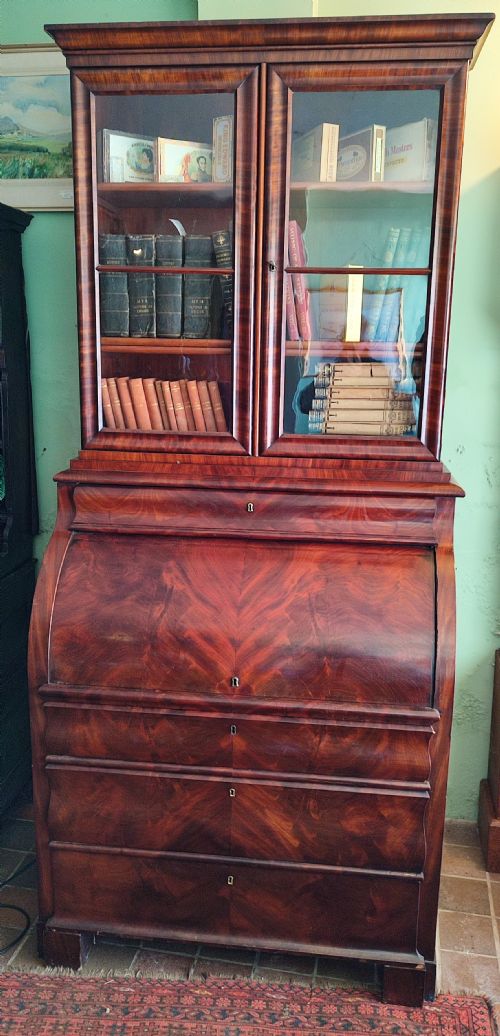


Cylinder Bureau Bookcase
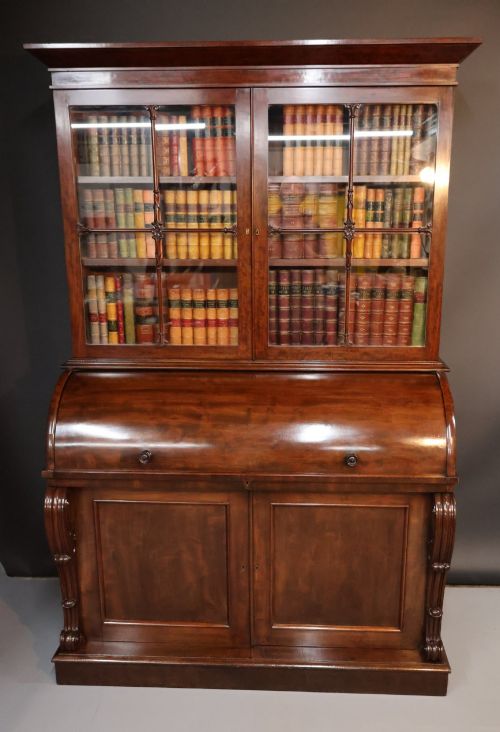
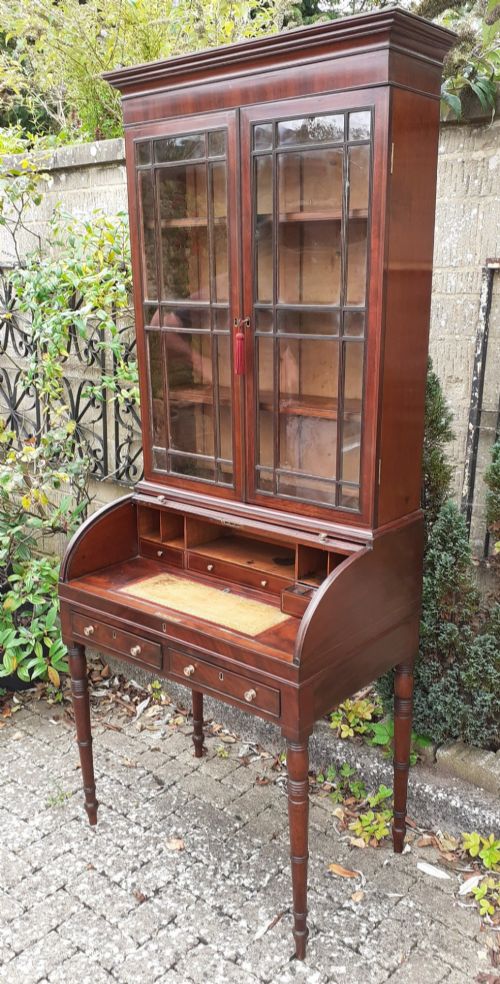
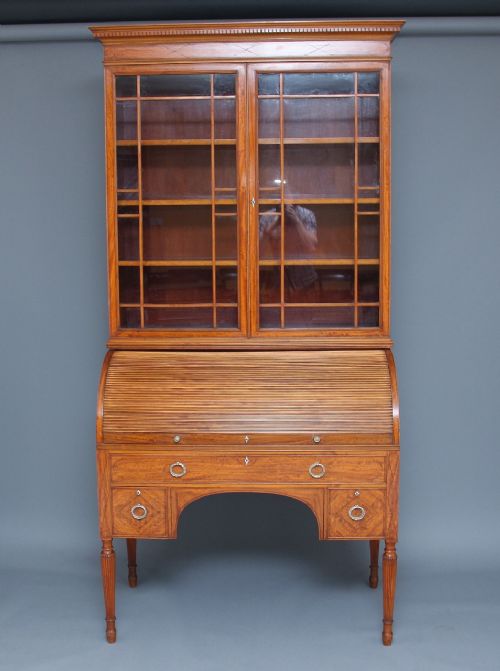
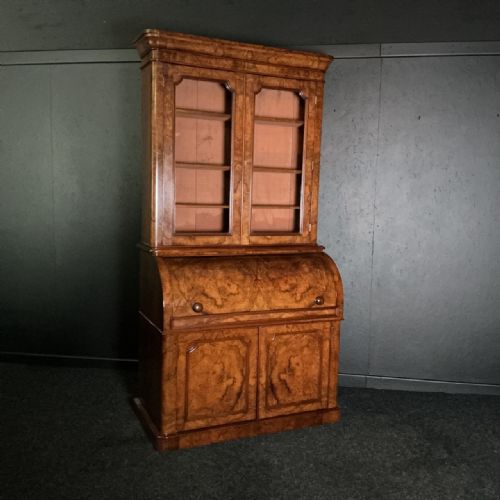
These cylinder bureau bookcase examples combine a rolling writing surface with enclosed upper shelving, offering a refined workspace that conceals correspondence.
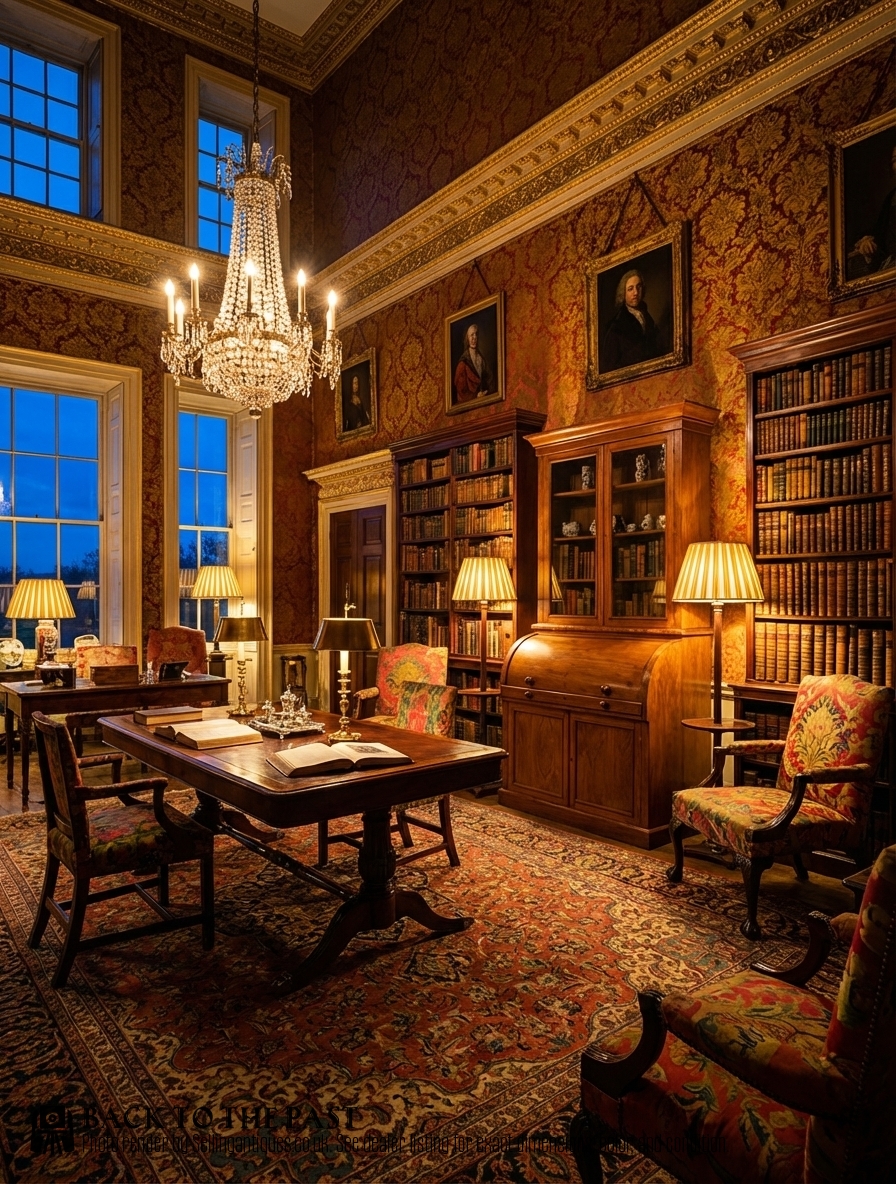
Cylinder Bureau Bookcase
A cylinder bureau bookcase comprises a lower desk section featuring a curved, rotating cylindrical shutter that covers the writing slope, paired with a glazed upper bookcase. Pieces span Georgian, Regency, Victorian, and Edwardian periods, alongside continental Biedermeier and Dutch Baroque manifestations.
Mahogany and satinwood predominate among the woods, frequently augmented by walnut, burr walnut, and rosewood. Formats range from full-sized library fixtures down to miniature furniture and compact cabinets.
The layout bridges the gap between a standing bookcase and a fitted writing desk, allowing owners to leave correspondence arranged on the pull-out slide while lowering the curved shutter to hide the interior.
Materials and construction
Cabinet makers built these pieces using solid and veneered hardwoods like mahogany, satinwood, and walnut, often applying delicate stringing and marquetry inlays. Glass panels enclose the upper bookcase doors, which protect libraries from dust while displaying leather-bound volumes.
The signature cylinder top operates on a system of vertical or horizontal slats glued to a canvas backing, running within grooved tracks to roll smoothly out of sight. Brass fittings, including locks, hinges, and occasional inlaid stringing, reinforce the structural joints and drawers.
Miniature mahogany examples exist, proving that even grand library furniture occasionally came in dollhouse proportions.
Judging execution and finish
Quality rests heavily on the selection of timber figures, such as highly figured satinwood, burr walnut, or grained mahogany, balanced symmetrically across the fall and drawer fronts. Superior cabinet work ensures the curved cylinder mechanism glides without catching in its tracks.
The refinement of internal pigeonholes, small drawers, and secret compartments dictates the grade of the piece, alongside the crispness of brass inlays and hand-cut dovetails within the carcase.
Tudor & Burrey·Edwards & Roberts
The Cylinder Bureau Bookcase Glossary
- Cylinder top
- A curved, quarter-circle wooden shutter that slides backward into the desk body to reveal a writing surface and fitted interior. This mechanism replaces the traditional hinged fall-front flap found on standard bureaus.
- Marquetry
- Decorative veneer work forming pictures or geometric patterns using various coloured woods, shells, or ivories. Craftsmen applied this technique to enrich the exterior surfaces of satinwood and walnut cabinets.
- Secretaire cabinet
- A piece of furniture containing a dedicated writing drawer or pull-out compartment disguised as a standard drawer or cupboard. These often incorporate internal banks of miniature drawers and pigeonholes.
- Stringing
- Thin lines of contrasting wood inlaid into the surface of a panel to create geometric borders. This detail frames the drawer fronts and doors of Georgian and Victorian examples.
Cylinder Bureau Bookcase: Frequently Asked Questions
How does the cylinder mechanism operate?
The curved wooden shutter moves along a grooved track, sliding backward into the desk body when opened. This action reveals the internal writing slide and pigeonholes.
Well-made examples glide smoothly without binding, utilising flexible wood tambour strips backed with fabric.
Were these pieces used in libraries or bedrooms?
These pieces served primarily in private studies, libraries, and principal reception rooms where correspondence and account keeping took place. The upper glazed shelving housed reference volumes and personal libraries.
Their dual function made them central pieces for managing household administration.
How do I identify a Georgian piece from a Victorian one?
Georgian examples often employ figured satinwood or rich mahogany with restrained classical proportions and subtle stringing. Victorian iterations tend to use heavier proportions, denser carving, and darker walnut or mahogany finishes.
Edwardian revivals later recreated earlier satinwood styles with lighter structural framing.