


Nineteenth Century Bureau Bookcase
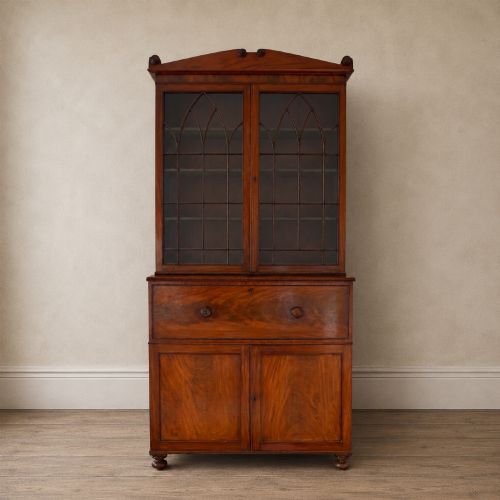
A nineteenth century bureau bookcase combines a practical writing slope with upper shelving, offering both storage and a desk.

Nineteenth Century Bureau Bookcase
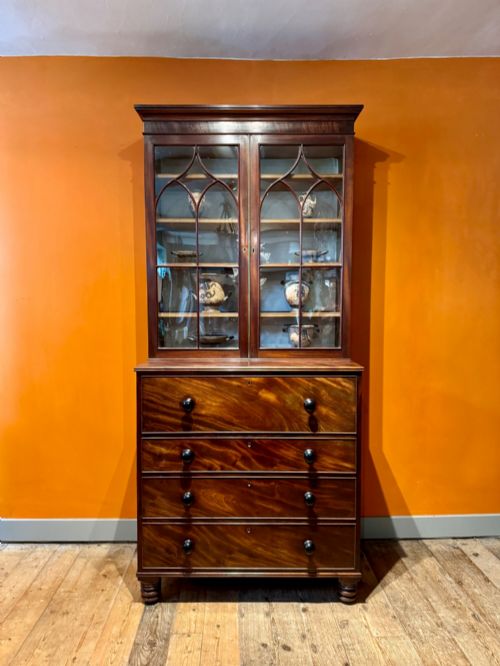
A nineteenth century bureau bookcase pairs a fitted writing section with upper shelving enclosed by doors, serving both study and display functions. These pieces appear frequently in mahogany, rosewood, and walnut, often featuring glazed upper doors.
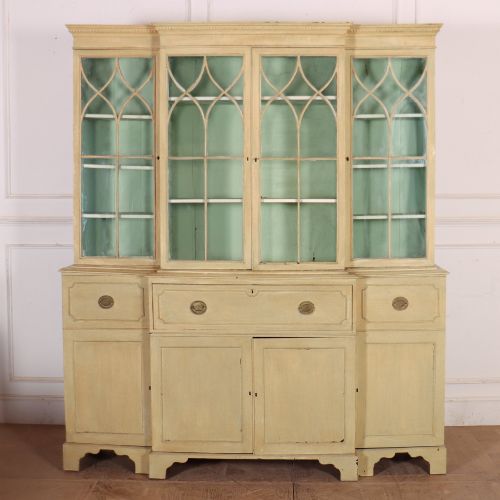
The form spans Georgian, Regency, William IV, and Victorian periods, with mahogany standing as the dominant timber. Variations include breakfront profiles, cylinder desks, and compact inlaid examples.
Buyers encounter secretaire variants where the fall-front drawer pulls down to reveal internal pigeonholes and small drawers. The upper cabinet usually houses adjustable wooden shelves behind glass panes.
How they were made
Cabinet makers built these pieces using solid timbers and decorative veneers such as flame mahogany, Cuban mahogany, pollard oak, and rosewood. Secondary woods like oak or pine often form internal drawer linings and backboards.
Joinery techniques include hand-cut dovetails for drawer construction and pegged mortise and tenon frames for the main carcase. Brass hardware, glass panes, and occasionally brass inlay complete the assembly.
Several secretaire drawers conceal secret compartments behind pigeonholes, designed for letters and valuables.
What varies in quality
The choice of timber grain defines the visual impact, with highly figured flame mahogany or matched rosewood veneers marking superior execution. Finer examples display meticulous brass inlay and sophisticated internal stationery fittings within the desk section.
Proportion and secondary details separate standard production from masterwork pieces. Subtle enhancements like arched glass panels, finely turned columns, and secret compartments elevate a piece within its period.
The Nineteenth Century Bureau Bookcase Glossary
- Secretaire
- A writing drawer or compartment featuring a drop-front that conceals small drawers and pigeonholes. It allows the cabinet to function as a desk without sacrificing upper storage.
- Breakfront
- A cabinet design where the central section projects forward from the flanking wings. This architectural arrangement adds depth and presence to larger bookcases.
- Cylinder desk
- A writing desk featuring a quarter-circle rotating wooden cylinder that covers the desk surface and interior fittings when closed. It represents a refined alternative to the standard flap bureau.
- Glazed doors
- Doors inset with glass panes that protect books from dust while displaying them. These doors often feature wooden astragals dividing the glass into geometric panes.
- Flame mahogany
- A veneer cut from the fork of the mahogany tree where the branches join the trunk, producing a distinctive flickering flame pattern. Cabinet makers reserved this striking grain for primary display surfaces.
Nineteenth Century Bureau Bookcase: Frequently Asked Questions
How do I use a bureau bookcase?
The drop-front or secretaire drawer pulls down to create a stable writing surface above hidden pigeonholes. Meanwhile, the upper glazed section holds books and decorative objects behind closed doors.
This dual purpose makes the furniture suitable for studies and living rooms where both storage and workspace are required.
What is the difference between Georgian and Victorian styles?
Georgian and Regency pieces often showcase restrained classical proportions alongside premium figured mahogany or rosewood veneers. Brass inlay and architectural cornices frequently appear in these earlier iterations.
Victorian examples tend to utilise heavier proportions and darker walnut or mahogany timbers. They frequently incorporate Gothic revival motifs or simpler rectilinear forms.
How do I care for mahogany and rosewood?
Keep wooden furniture away from direct sunlight and heat sources to prevent timber shrinkage and veneer cracking. Regular dusting with a dry lint-free cloth maintains the polished surface.
Application of traditional beeswax helps nourish the grain and protects the antique finish over time.
What woods were used in these bookcases?
Mahogany stands as the primary timber, appearing in various forms including figured, flame, and Cuban varieties. Other significant materials include rosewood, walnut, pollard oak, and painted finishes.
Secondary woods like pine and oak typically construct internal drawer boxes and back panels.