
Rococo Wall Table
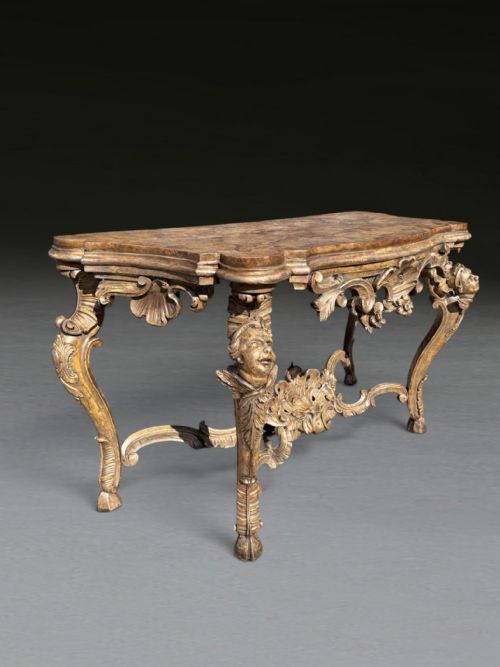
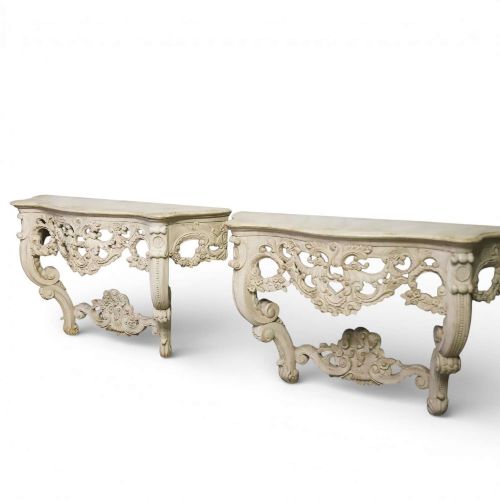
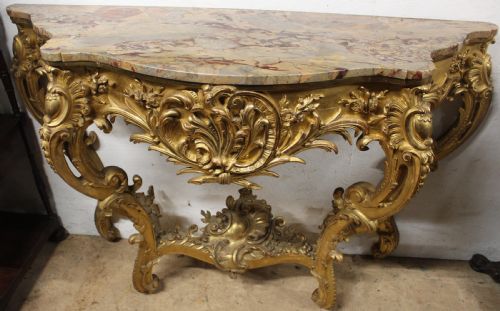
A rococo wall table brings theatrical carved energy to a room, pairing asymmetrical scrollwork with heavy marble tops.
Rococo Wall Table
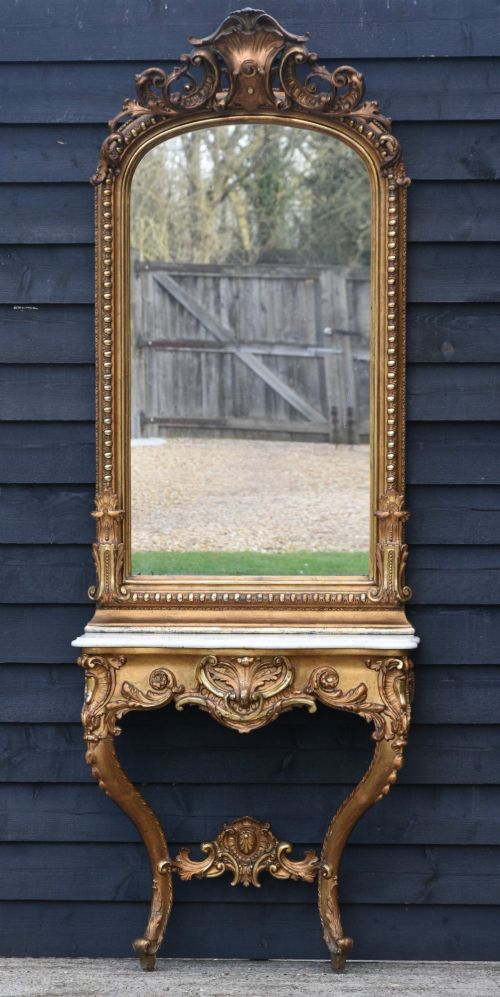
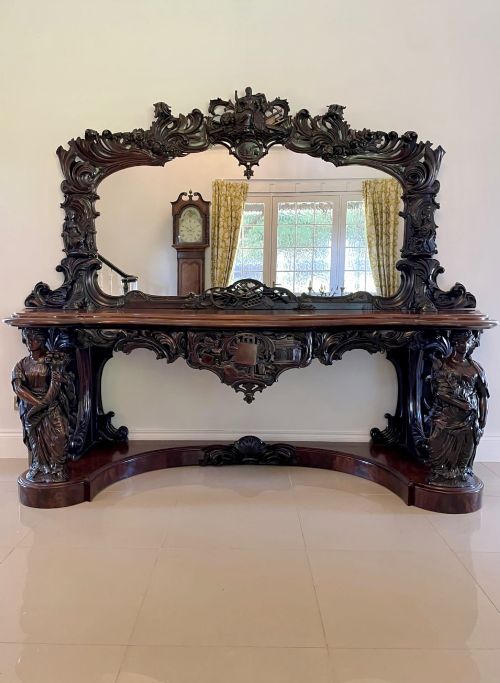
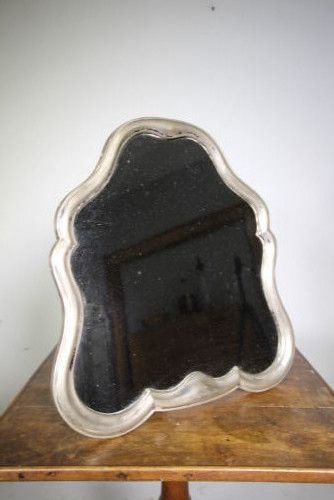
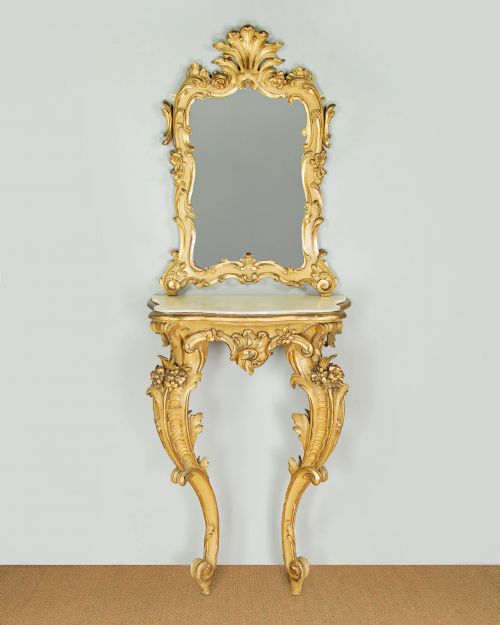
A rococo wall table sits flat against the plaster, often paired with a matching pier mirror to throw light across a salon or hallway. The form spans eighteenth-century origins in France and Italy through to nineteenth-century revival interpretations.
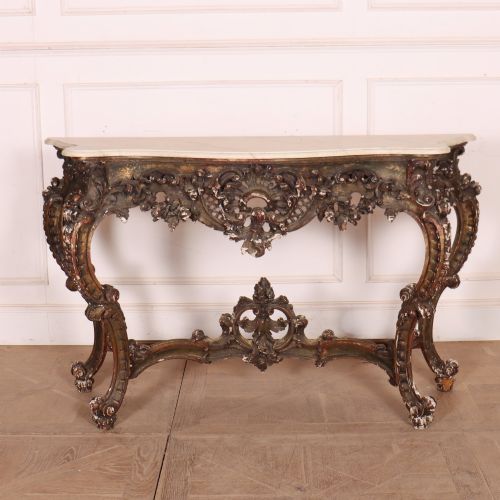
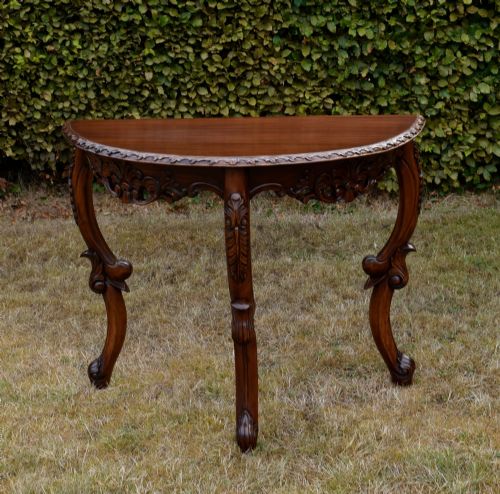
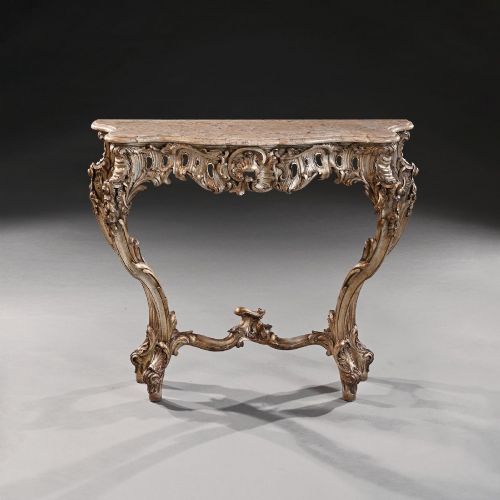
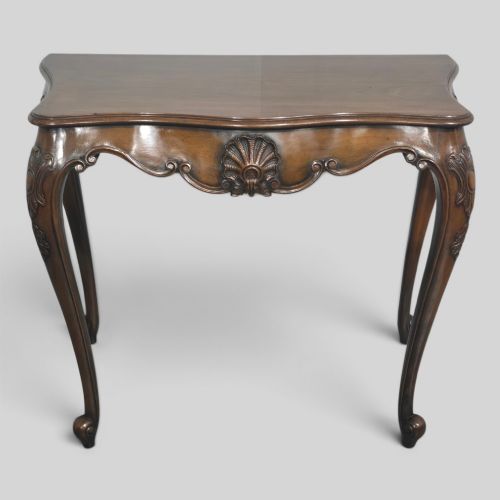
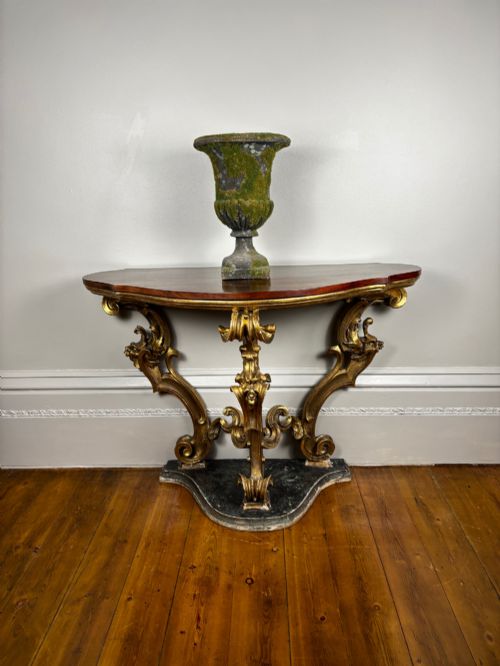
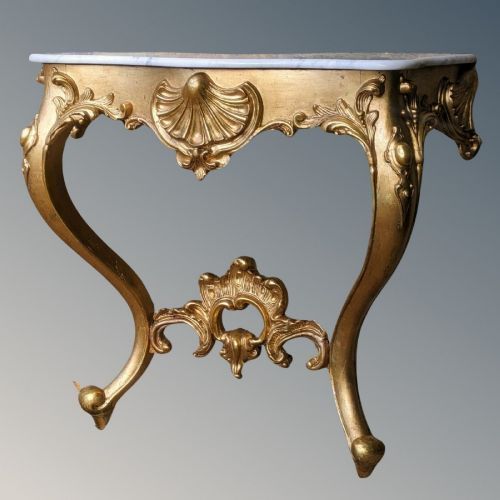
Console tables dominate the selection, built with serpentine fronts and demi-lune shapes designed to save floor space while offering a display surface. Italian and French examples appear frequently, ranging from compact proportions to monumental exhibition pieces.
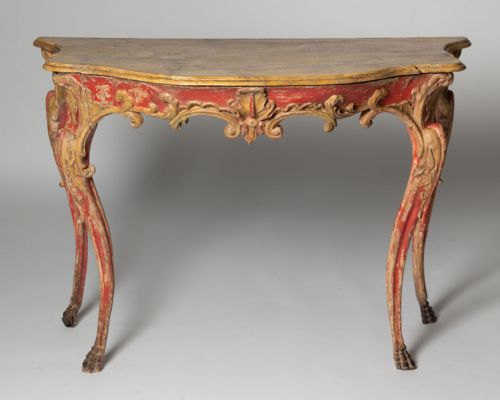
Makers and workshops adapted the style across centuries, producing giltwood consoles alongside painted and walnut side tables. Some configurations combine the table and mirror into a single integrated ensemble.
Materials and construction
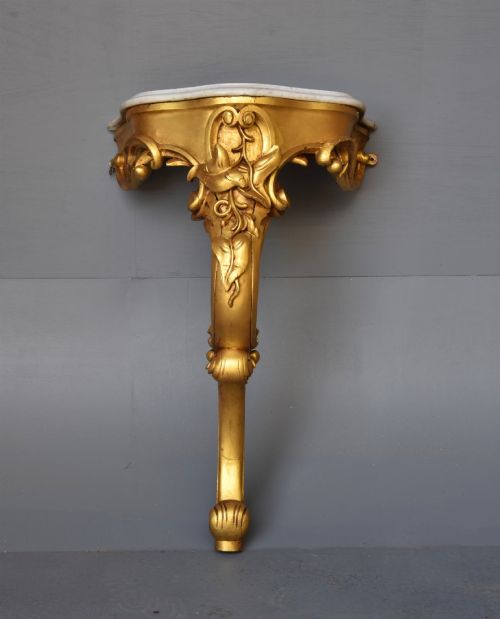
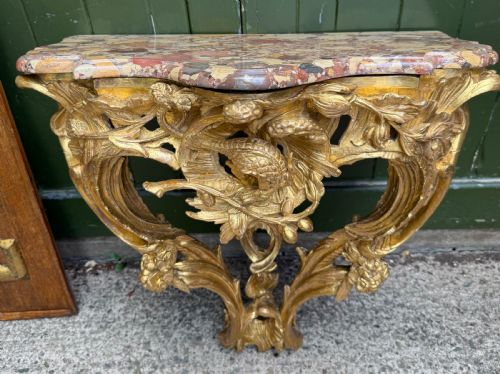
Carved wood provides the structural framework for these tables, heavily relying on giltwood, gesso, and gold leaf to achieve a reflective surface. Walnut and mahogany also form the primary timber bodies for later revival pieces.
Slab marble tops define the upper surface, utilising white Carrara, figured breche d'alep, and shaped stone fitted directly to the console frame. Glass mirrors complete the related wall sets, mounted in carved wooden surrounds.
One unexpected survivor in the material record is a delicate eighteenth-century porcelain sauce boat hiding among the heavy marble consoles.
Judging execution and depth
The crispness of the hand-carving separates routine joinery from exceptional work, particularly in the rendering of scrolling foliage and asymmetrical cartouches. Gesso applied beneath gold leaf should show sharp undercutting rather than softened, rounded edges.
The integration between the heavy stone top and the wooden base dictates structural success. Superior examples balance substantial marble slabs upon robustly framed girdles that show no strain across the serpentine sweep.
Maple and Co
The Rococo Wall Table Glossary
- Console table
- A table supported by wall brackets or legs that requires fixing to the vertical surface for stability. These pieces function primarily for display in formal reception rooms.
- Giltwood
- Timber coated with gold leaf over a prepared gesso ground. This finish provides the characteristic metallic sheen seen on eighteenth- and nineteenth-century frames.
- Serpentine
- A curved line that waves inward and outward in a continuous flowing shape. This contour appears frequently along the front edges of marble tops and wooden frames.
- Demi-lune
- A half-moon shape used for console tables designed to stand flush against a wall. The flat back edge allows direct placement while the curved front projects into the room.
- Pier mirror
- A tall looking glass designed to hang on the wall space between windows, frequently positioned directly above a matching console table.
Rococo Wall Table: Frequently Asked Questions
How do I secure a wall table safely?
These tables rely on wall fixings because their front legs often carry minimal weight compared to the heavy marble slab above. Brackets attached to the rear rail anchor the piece directly to masonry or studwork.
Ensuring the frame meets the wall flush prevents tipping when objects rest on the stone top.
Are these tables meant for narrow hallways?
Demi-lune and serpentine consoles project very little into the room, making them suitable for corridors and entrance halls. Their shallow depth provides display space without obstructing movement.
Pairing the table with a wall mirror increases the perceived light and width of smaller spaces.
How do I distinguish eighteenth-century pieces from later revivals?
Eighteenth-century examples show hand-cut joinery, older pine or walnut secondary woods, and genuine wear beneath the gilding layers. Revival pieces from the Victorian era or the early twentieth century often display machine-assisted groundwork and heavier gesso.
Examining the underside and the back edges reveals the tool marks characteristic of different production eras.
What maintenance does a gilded wooden frame need?
Giltwood surfaces require dusting with a dry, soft brush to prevent accumulation in the carved recesses. Moisture and harsh cleaning agents will damage the delicate gold leaf and gesso layers.
Keeping the tables away from direct heat sources prevents the wooden base from shifting and cracking the finish.