



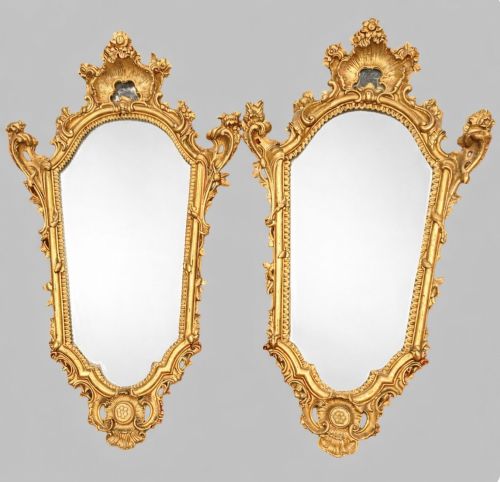


Rococo Style Pier Glass
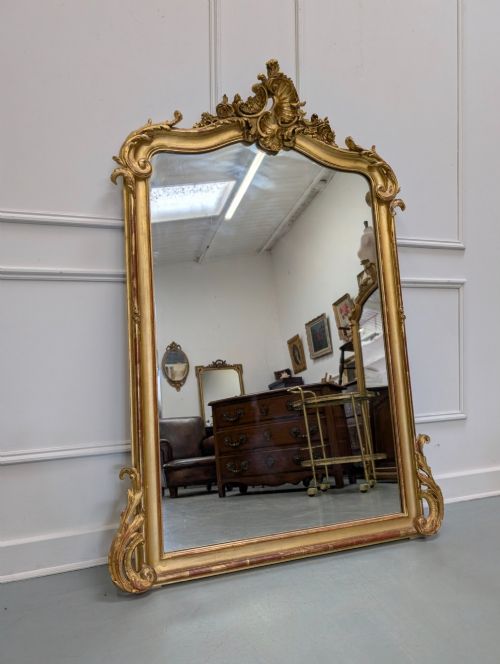
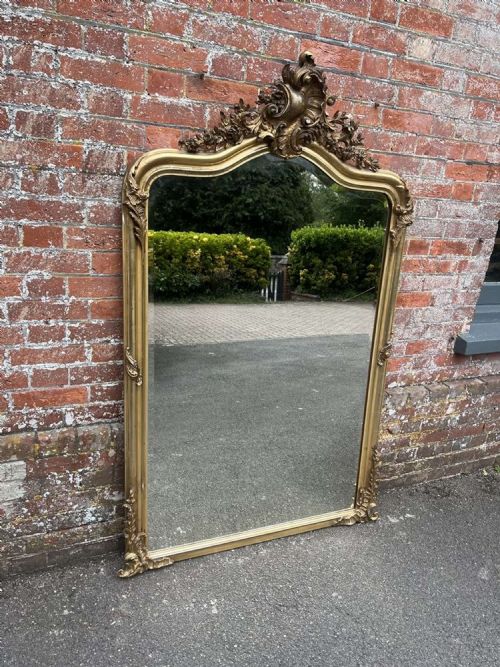
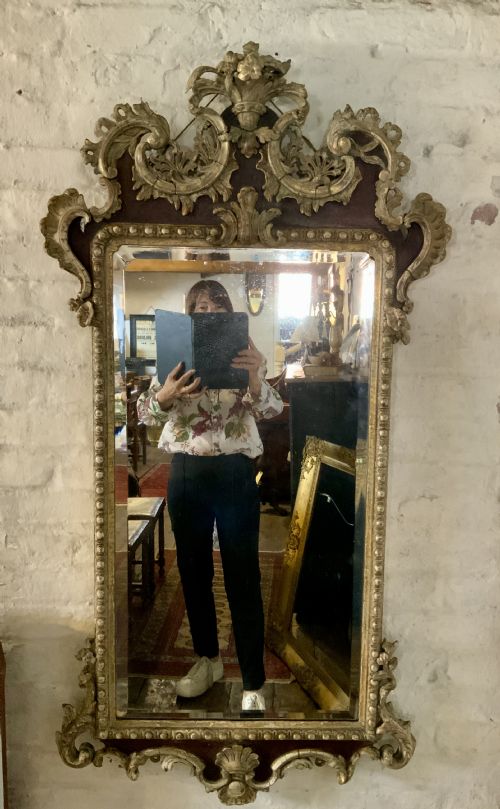
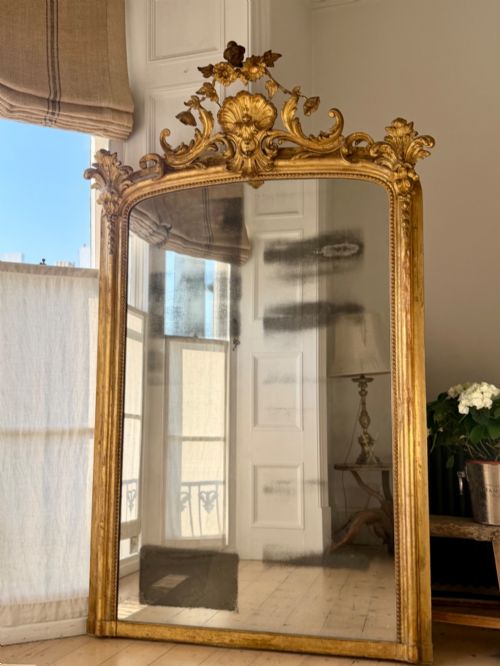
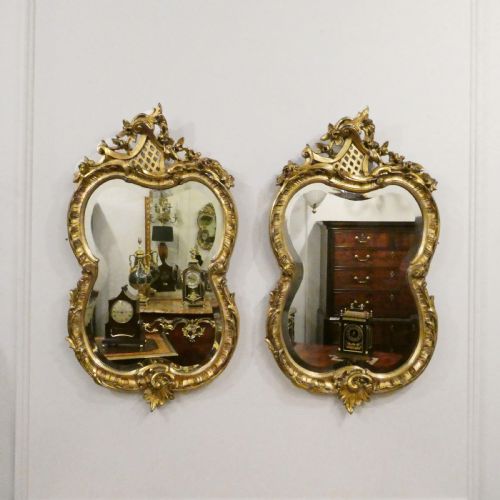
A rococo style pier glass brings dramatic asymmetrical carved frames and tall reflective surfaces to narrow wall spaces between windows.
Rococo Style Pier Glass
When a buyer searches for a rococo style pier glass, they encounter tall decorative mirrors designed specifically to hang on the wall pier between two windows. The selections here span from eighteenth century Georgian and Chippendale pieces to nineteenth century French, Italian, and Victorian revivals.
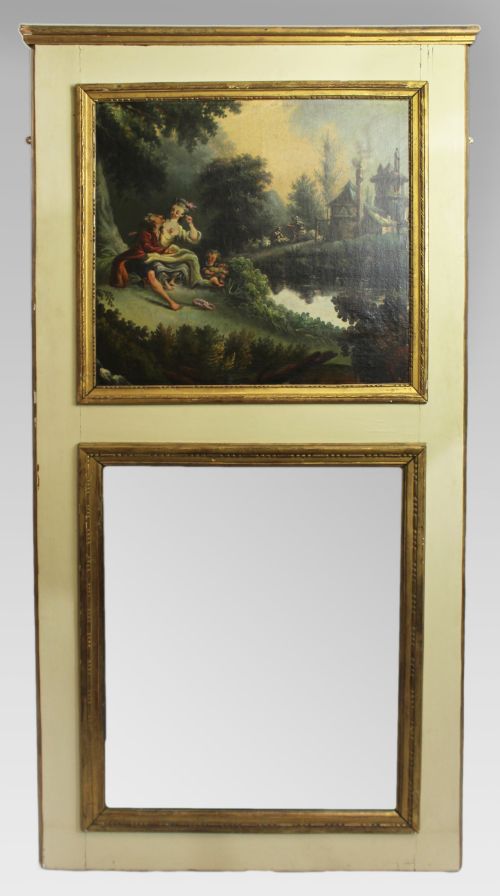
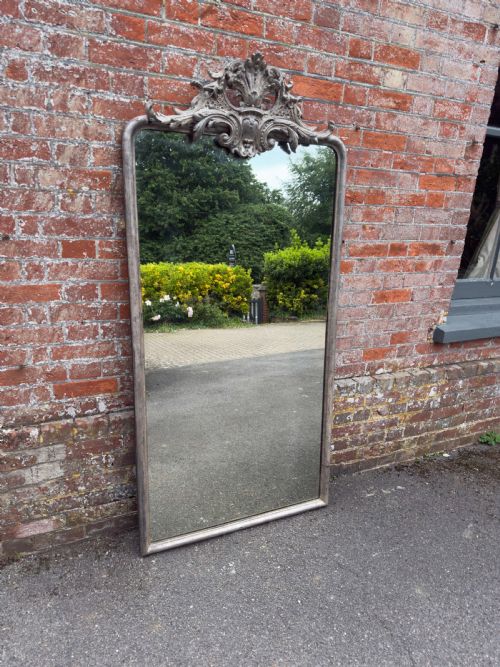
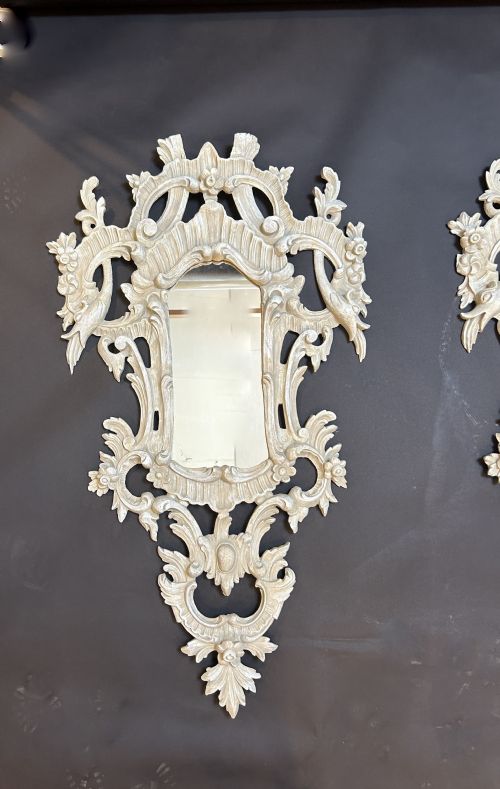
Most examples found on this page date from the nineteenth century, taking the form of large carved wood and gesso frames finished in gold leaf or paint. Alongside standard wall mirrors, the inventory includes overmantel mirrors, trumeau mirrors featuring integrated oil paintings, and complete console table and mirror sets.
Materials and construction methods
The primary structure of these frames relies on carved wood, often built up with layered gesso to receive intricate surface ornamentation. Artisans then applied gold leaf, silver, or paint over the prepared surface to achieve the desired metallic or decorative finish.
Reflective surfaces consist of traditional mirror glass, occasionally appearing as foxed mercury glass or incorporating eglomise panels. Joinery and carving techniques reflect the period of origin, from eighteenth century English craftsmanship to nineteenth century continental revival workshops.
Listings feature eighteenth and nineteenth century periods alongside materials including giltwood, gesso, carved wood, and mirror glass.
Factors determining quality
Depth and crispness of the hand carving dictate the visual impact of the frame, separating mass production from master craftsmanship. Superior pieces exhibit deeply undercut scrollwork, flora, and C-scrolls that maintain sharpness through layers of gilding.
The integrity of the original gesso and the preservation of the gold leaf or painted surfaces define the conservation standard. Higher quality frames retain their structural joinery without excessive replacement of carved wooden elements or later re-gilding.
The Rococo Style Pier Glass Glossary
- Pier glass
- A tall mirror designed to hang on the wall space between two windows, frequently positioned above a console table.
- Gesso
- A plaster mixture applied to carved wooden frames to create a smooth surface for subsequent gilding or painting.
- Trumeau
- A decorative wall mirror featuring an integrated oil painting or eglomise panel within the upper section of the wooden frame.
- Gilding
- The application of fine gold leaf onto a prepared surface using an adhesive size.
- Foxing
- Age-related spots and oxidation within the silver backing of older mirror glass that create a mottled reflective pattern.
- Eglomise
- A technique involving cold painting and gilding on the reverse side of glass panels.
Rococo Style Pier Glass: Frequently Asked Questions
Where should a pier glass be hung?
These mirrors suit narrow wall spaces between windows or directly above console tables in reception rooms and hallways. Their vertical proportions draw the eye upward and bounce natural light into darker corners of a room.
Ensure the wall construction supports the substantial weight of carved wood and gesso frames. Secure heavy hanging hardware directly into wall studs or utilise appropriate masonry anchors.
What is a trumeau mirror?
A trumeau mirror incorporates a decorative painted panel or pastoral oil painting directly above the glass plate within a unified frame. Originating in neoclassical and rococo interiors, these pieces served as architectural wall decorations.
They bring both art and reflection to a single vertical space, often matching the surrounding boiserie or wall panelling in period rooms.
How do I clean an antique mirror?
Dust the carved frame gently with a soft, dry brush to prevent damage to delicate gesso and gold leaf. Avoid commercial chemical sprays that might seep beneath the glass plate or strip original finishes.
Clean the mirror glass sparingly using a soft cloth dampened slightly with distilled water. Dry the surface immediately to protect aged edges and original silvering.
How do I identify a nineteenth century revival piece?
Nineteenth century revival pieces adopt eighteenth century motifs like asymmetrical scrolls, foliage, and shellwork associated with Louis XV and Chippendale designs. Examination of the wood, backing boards, and fastening nails often reveals later manufacturing techniques.
Makers during the Victorian and later nineteenth periods embraced these flamboyant styles with enthusiasm, producing highly ornate wall and pier mirrors.