
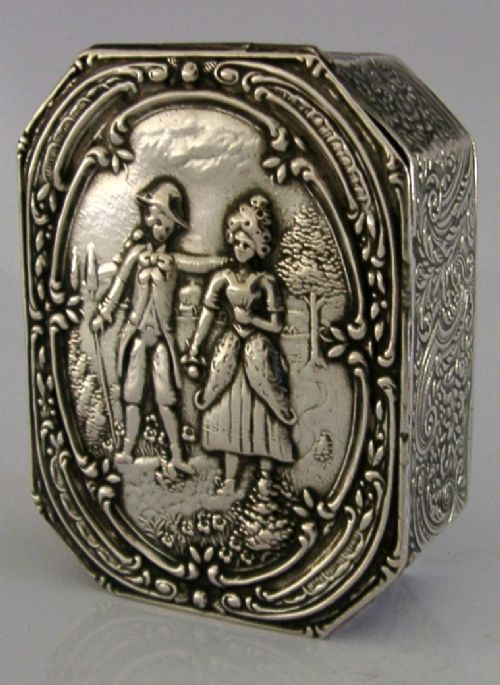
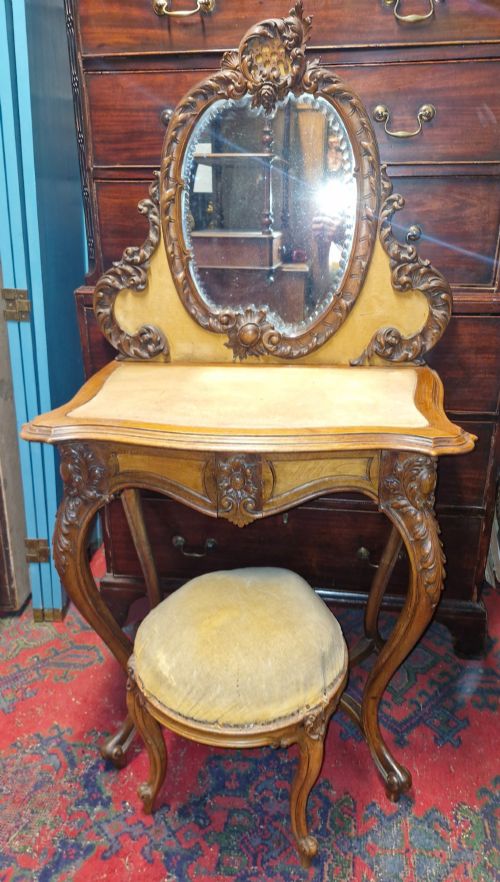
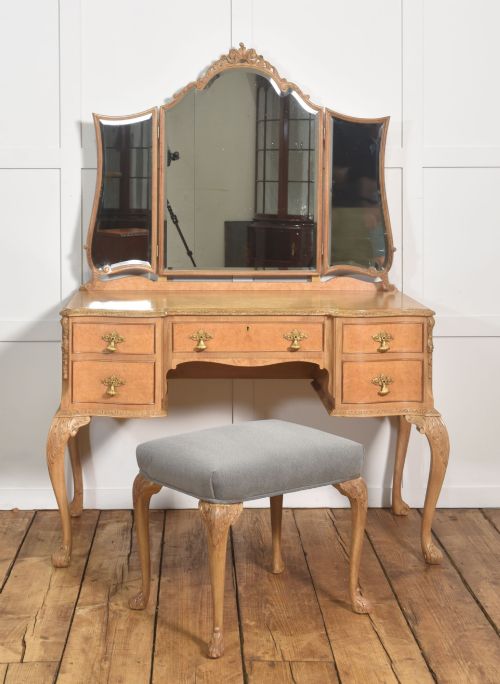
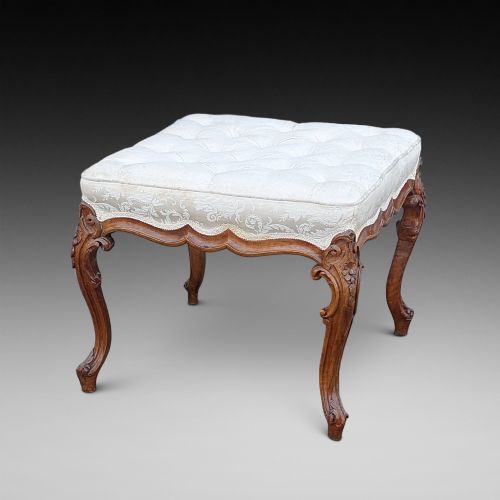


Rococo Revival Dressing Table
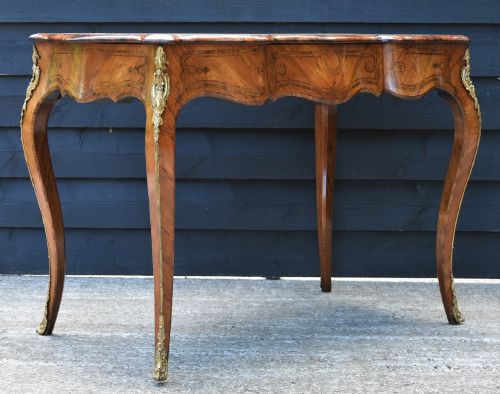
A rococo revival dressing table brings extravagant serpentine curves and intricate carved ornament straight into a bedroom.
Rococo Revival Dressing Table
When you search for a rococo revival dressing table, you encounter ornate nineteenth-century furniture characterised by flowing lines and organic motifs. These pieces often incorporate matching mirrors and low seating designed for personal grooming.
The selection here spans the Victorian era into the early twentieth century, drawing heavily on French Louis XV designs. Walnut, mahogany and exotic veneers provide the foundation for elaborate carving and mounts.
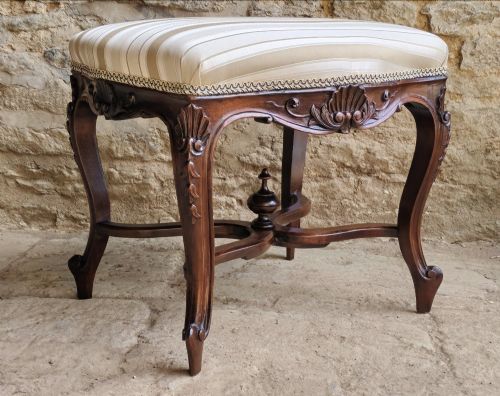
Accompanying items such as dressing table mirrors, porcelain vanity frames and upholstered stools frequently complete the ensemble. Each piece reflects the nineteenth-century passion for reviving eighteenth-century continental extravagance.
How they were made
Cabinetmakers constructed these pieces using solid timbers like walnut and mahogany, often enhanced by decorative marquetry and tulipwood or kingwood veneers. Carved details define the structural framework, showing high levels of manual skill.
Gilded bronze ormolu mounts and porcelain plaques frequently decorate the surfaces, secured with traditional joinery methods. Mirror glass is typically bevelled and set within pivoting frames supported by carved arms.
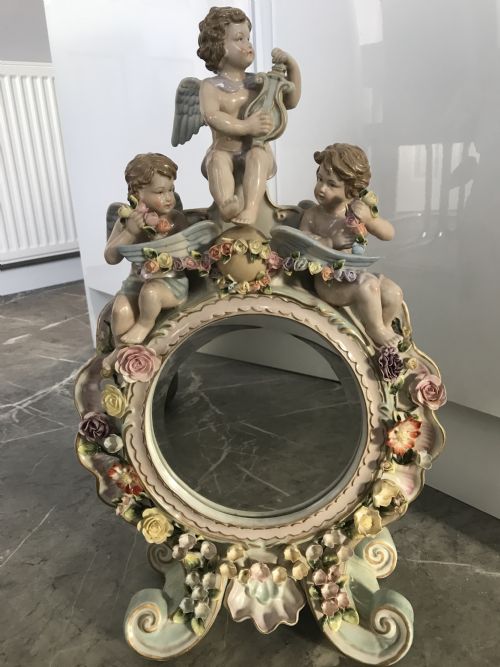
Tiny porcelain cherubs peer out from dressing mirror frames, keeping watch over centuries of morning routines.
What varies in quality
The distinction between ordinary and exceptional examples lies in the depth and crispness of the wood carving. Fine pieces exhibit hand-carved relief work with smooth, flowing contours rather than mechanical or shallow detailing.
Material selection and decorative hardware heavily influence the overall standing of an item. Solid ormolu mounts, genuine porcelain plaques by established factories, and well-figured timber veneers elevate a piece far above simpler veneered versions.
Maison Pretot Paris·Jean Gille·William Comyns·Sitzendorf Porcelain
The Rococo Revival Dressing Table Glossary
- Cabriole leg
- A furniture leg that curves outward at the knee and inward at the ankle, mimicking animal limbs. This form is a defining characteristic of rococo revival design.
- Ormolu
- Gilded bronze used for decorative mounts and hardware on furniture. It adds metallic lustre and ornate detail to wood surfaces.
- Marquetry
- Decorative patterns created by fitting different coloured wood veneers onto a structural base. It frequently depicts floral or scroll motifs on tabletops and drawer fronts.
- Serpentine
- A furniture front or edge that curves outward in the centre and inward at the sides. This undulating shape creates dynamic visual movement.
- Duchess dressing table
- A large nineteenth-century dressing table incorporating a fixed or attached mirror and an extended surface. They often use rich mahogany or walnut timbers.
Rococo Revival Dressing Table: Frequently Asked Questions
How do I identify a true rococo revival piece?
Look for characteristic serpentine shapes, asymmetrical scrollwork, and cabriole legs rooted in eighteenth-century French design. Nineteenth-century examples display authentic hand-carved wood and period construction methods rather than modern machine work.
Examine the materials closely to confirm the age. Genuine pieces feature period timbers like walnut or mahogany, often paired with hand-applied veneers, cast ormolu mounts, and heavy bevelled mirror glass.
What rooms suit a rococo revival dressing table?
These decorative tables function well as bedroom centrepieces for grooming or as striking console desks in larger dressing rooms. Their ornate mirrors and carved wood frames add immediate historic character to an interior.
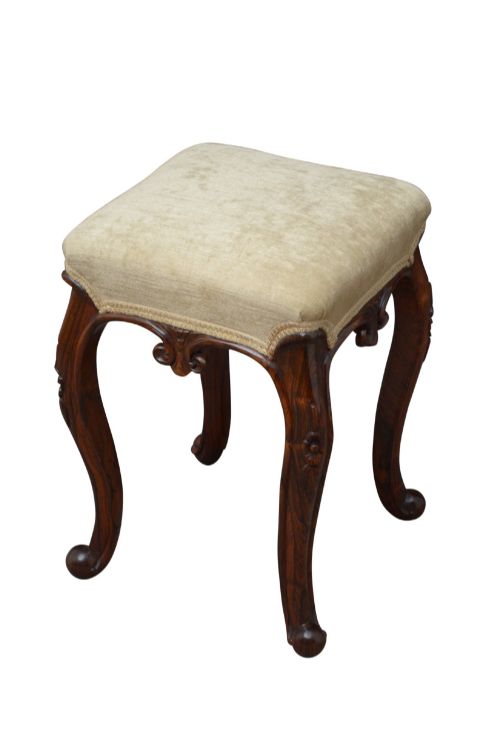
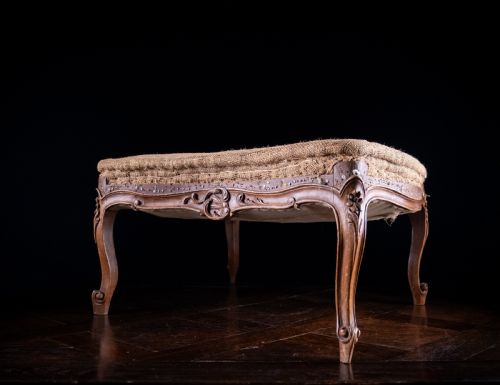
Pairing the table with a matching cabriole-legged stool or small upholstered chair preserves the historical proportion. They contrast effectively against neutral walls that allow the carved details and timber grain to stand out.
Are mirrors usually fixed or adjustable?
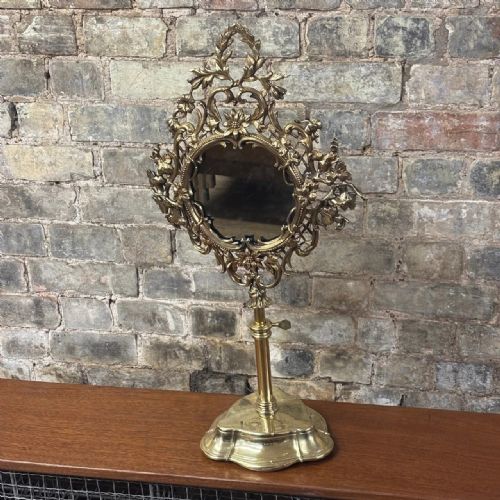
Mirrors on these dressing tables are commonly swing mirrors held in pivoting side supports. This allows the user to tilt the glass to different angles.
Many surviving tables feature triple mirrors, where hinged side panels fold inward. Independent vanity mirrors and easel-backed porcelain frames were also popular on dressing surfaces during the period.
How should I care for antique wood and ormolu?
Dust the carved walnut or mahogany regularly with a soft, dry cloth to prevent dirt accumulation in the intricate recesses. Avoid modern silicone polishes that can damage historic veneer finishes.
Keep ormolu mounts and porcelain elements clean by wiping gently without abrasive cleaners. Maintaining a stable room temperature protects the wood and prevents the glue joints or veneers from drying out.