


Rococo Revival Centre Table
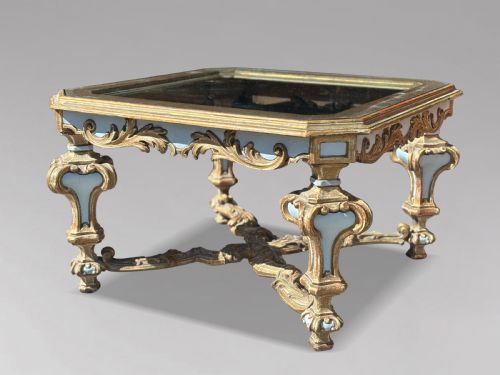
A rococo revival centre table brings ornate nineteenth-century curves and rich figured timbers into the middle of a room.
Rococo Revival Centre Table
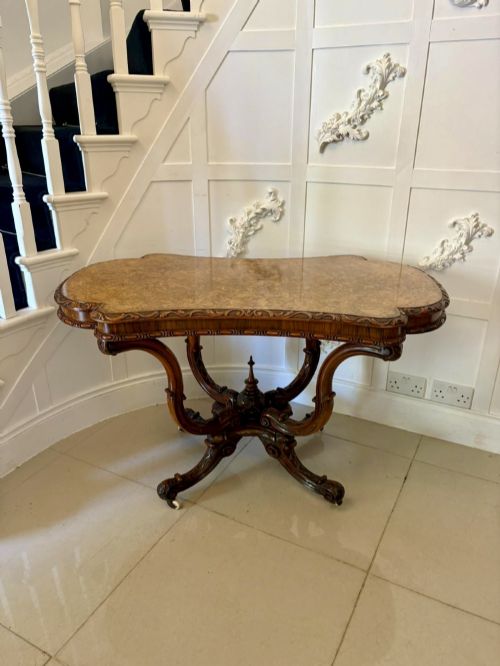
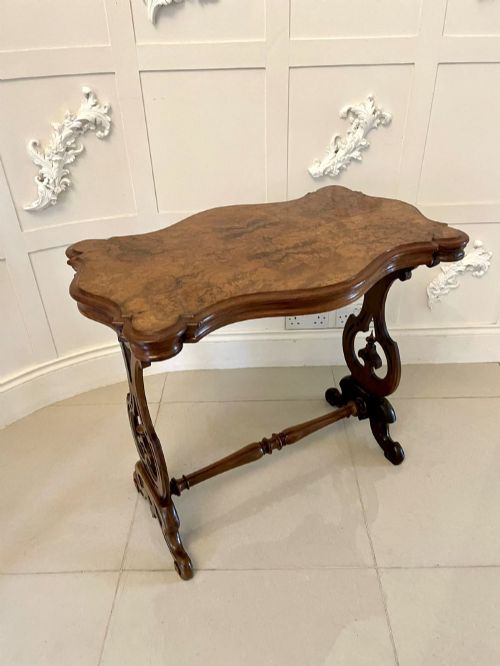
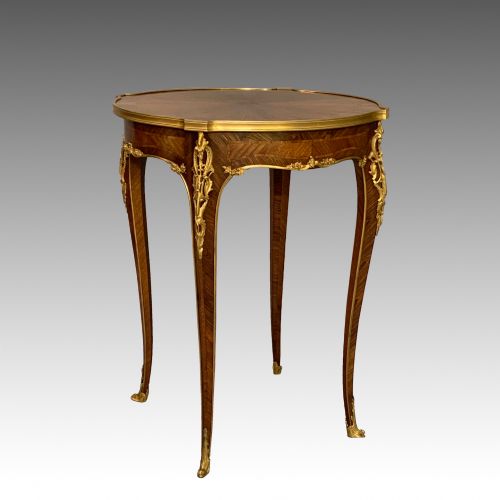
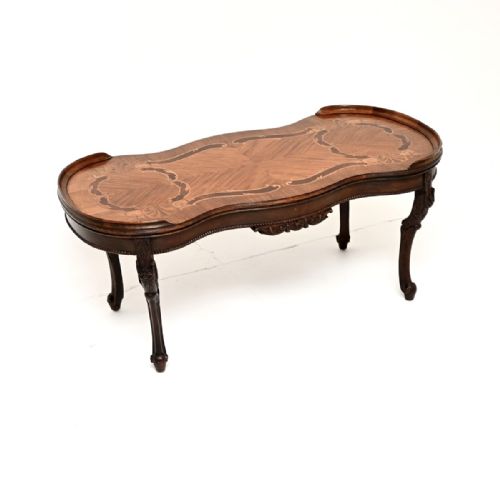
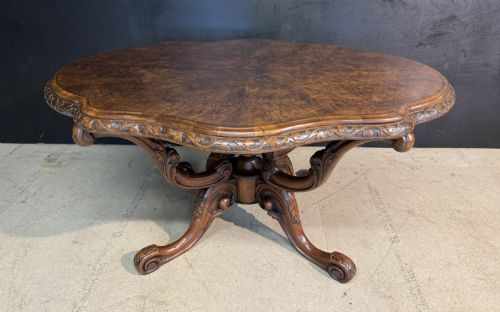
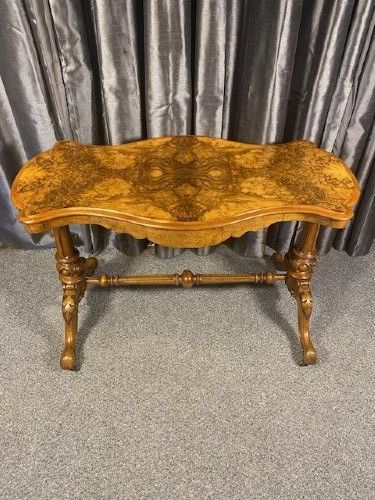
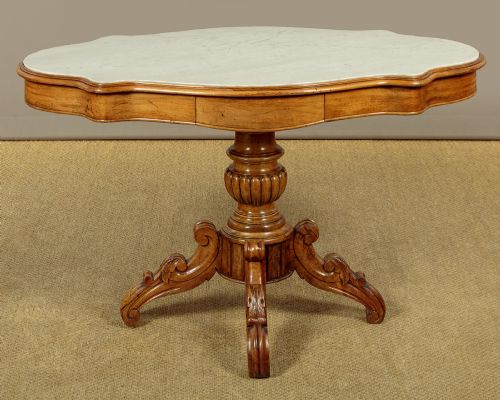
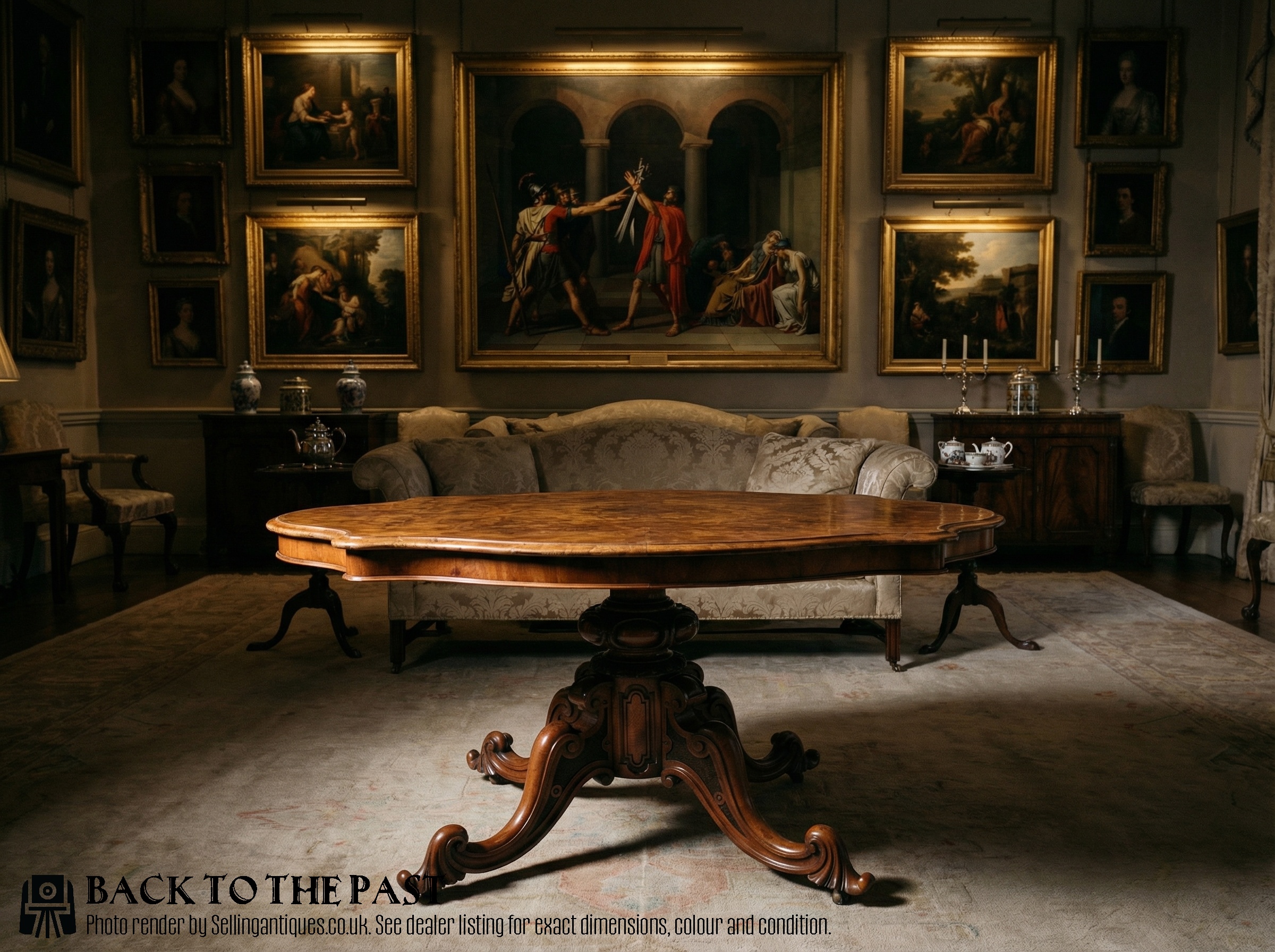
When you search for a rococo revival centre table, you encounter freestanding nineteenth-century tables designed to sit in the middle of a room rather than against a wall. The versions you meet most often on this page date from the Victorian period, utilising walnut and burr walnut with shaped or serpentine tops.
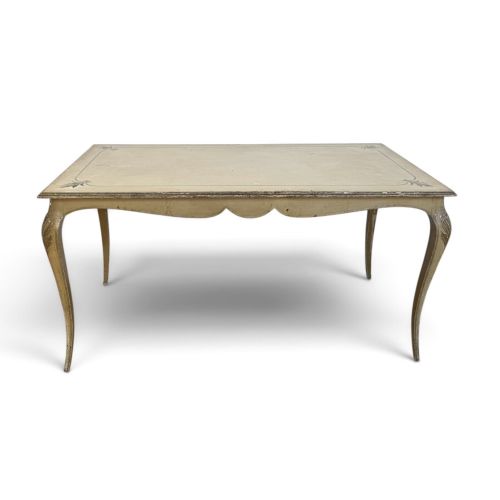
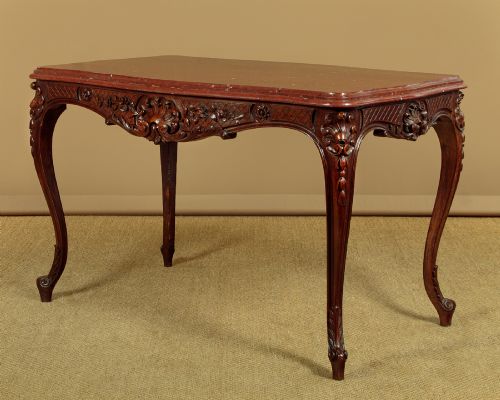
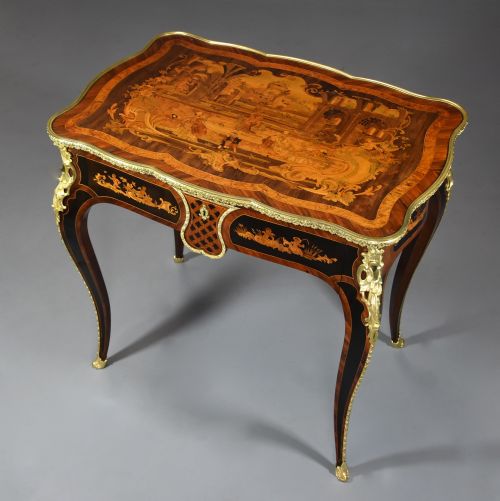
The styles span French Louis XV revival, Italian baroque revival, and Victorian interpretations of mid-nineteenth-century design. Forms range from circular occasional tables to large oval dining and centre tables featuring carved decoration.
Makers such as Edwards & Roberts and Holland & Son appear alongside pieces attributed to Joseph-Emmanuel Zwiener and Linke style productions. These pieces often serve as coffee tables or occasional surfaces in modern interiors.
How They Were Made
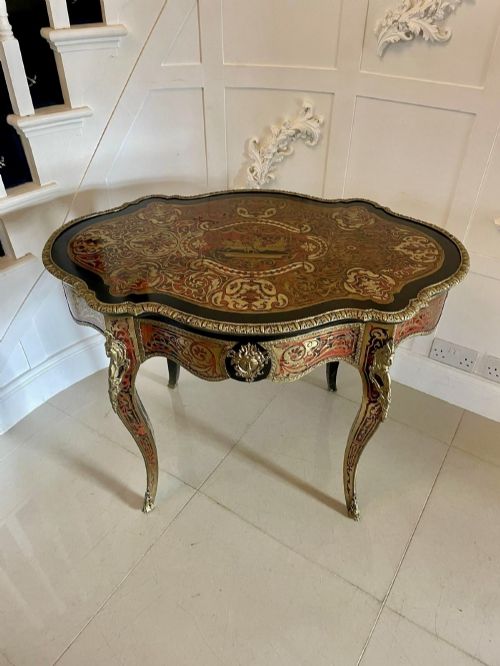
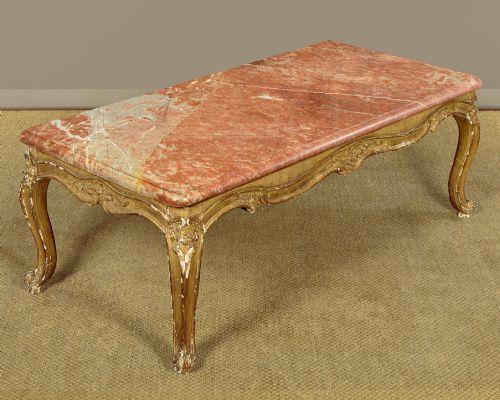
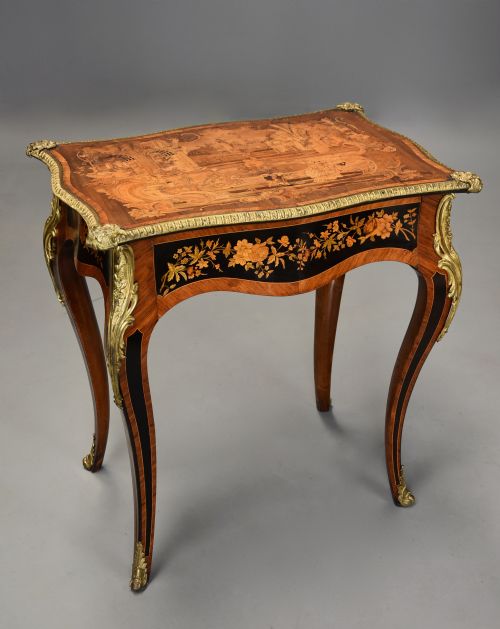
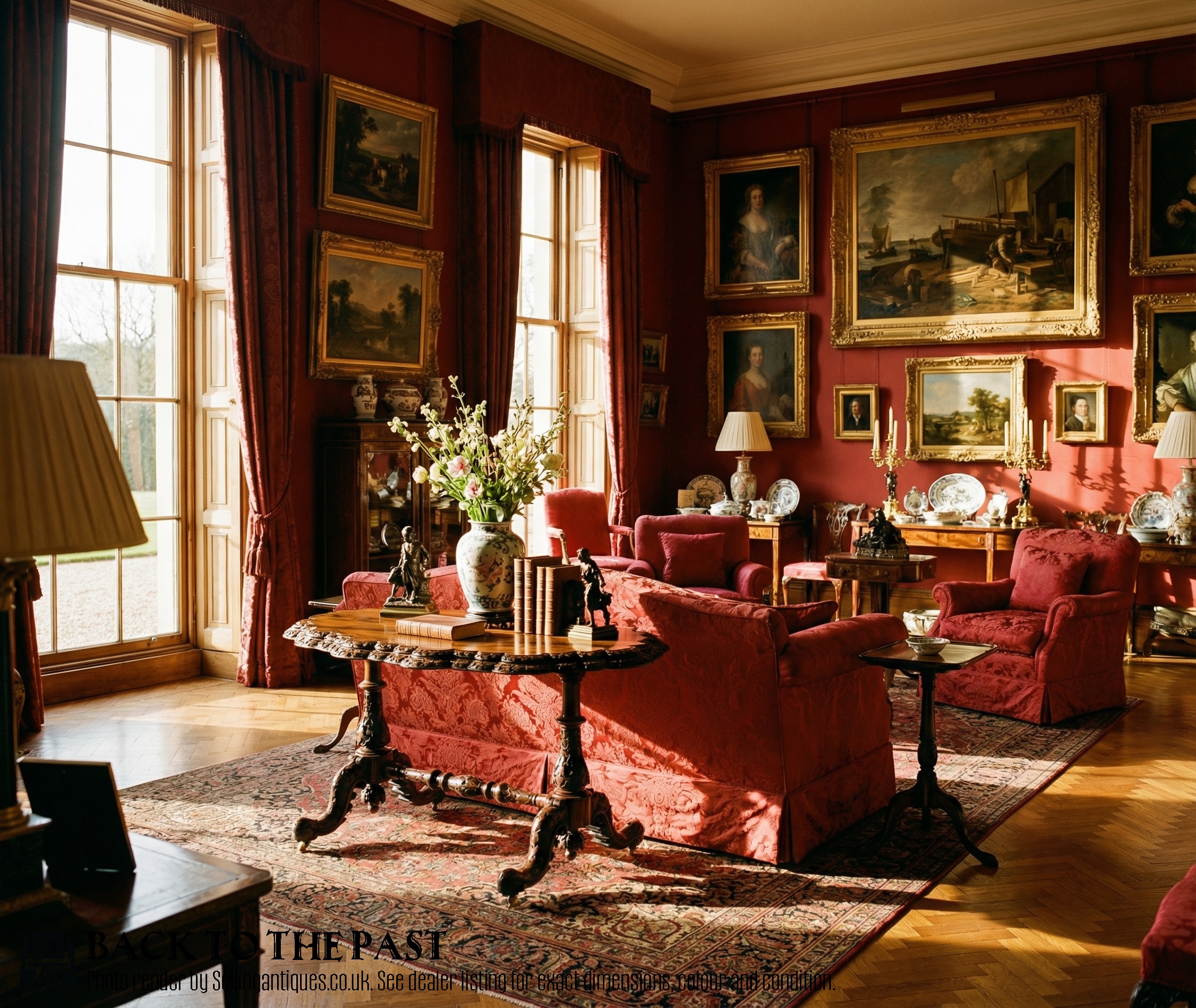
Cabinetmakers constructed these tables using solid carcases veneered with burr walnut, rosewood, kingwood, satinwood, and mahogany, often enhanced by intricate marquetry and parquetry inlay. Surfaces frequently incorporate white or rouge marble inserts fitted neatly into shaped wooden borders.
Gilded ormolu mounts, bronze details, and gold leaf decorate the frames, accentuating the asymmetrical curves characteristic of the style. Carved solid walnut and giltwood provide the structural support for legs and stretcher rails.
Rococo Revival Centre Table Retail Price Guide 2026
Typical asking prices for rococo revival centre table among the pieces listed under this phrase on Sellingantiques today, from the lower quarter to the upper quarter. They describe what is for sale here now, not the wider market.
What Varies in Quality
The depth and crispness of the hand-carving distinguish finer examples from simpler workshop output. Burr walnut figures and marquetry precision show the skill applied to the veneered surfaces.
The weight and finish of cast ormolu mounts and the integration of marble tops indicate the standard of construction. Marked pieces by established makers carry greater distinction than uncredited equivalents.
Edwards & Roberts·Holland + Son·Joseph-Emmanuel Zwiener
The Rococo Revival Centre Table Glossary
- Burr Walnut
- A heavily figured timber taken from the growth excrescences of walnut trees. It yields swirling grain patterns prized for nineteenth-century table veneers.
- Ormolu
- Gilded bronze used for decorative mounts and accents. It provides metallic contrast against dark woods like rosewood and walnut.
- Marquetry
- Inlaid wood veneers forming pictorial or geometric designs. Craftsmen assemble different timber species to create contrasting surface patterns.
- Gueridon
- A small French freestanding table originating in the seventeenth century. The form persists in nineteenth-century revival pieces.
- Serpentine
- A curved line resembling a snake's movement, featuring alternating convex and concave sections. Table edges and aprons frequently employ this contour.
Rococo Revival Centre Table: Frequently Asked Questions
Can I use a centre table as a coffee table?
Many nineteenth-century centre tables share proportions similar to modern coffee tables, making them suitable for low seating arrangements.
Their finished surfaces and decorative bases allow them to sit centrally in a room without backing against a wall.
How do I identify a Victorian piece?
Victorian examples often utilise burr walnut or rosewood veneers combined with serpentine shaped tops and heavy carved bases.
Construction methods reflect mid-nineteenth-century British and French cabinetmaking standards, sometimes bearing maker stamps.
What is the difference between French and English styles?
French revival pieces frequently incorporate extensive ormolu mounts, kingwood veneers, and painted finishes reflecting Louis XV aesthetics.
English interpretations tend to focus on figured walnut timbers with robust carving and subtler inlay work.
How do I care for a marble top table?
Marble surfaces require regular dusting with a soft cloth and immediate wiping of acidic spills to prevent staining.
Avoid abrasive cleaners that can dull the polished stone finish over time.