
Rococo Dressing Table
A rococo dressing table brings flamboyant curves, asymmetric scrolling and an air of boudoir theatre into the bedroom.
Rococo Dressing Table
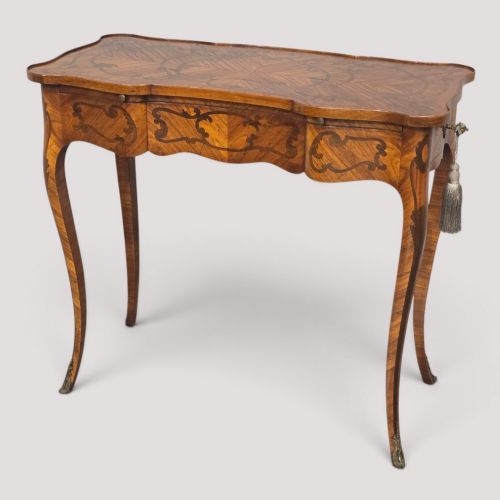
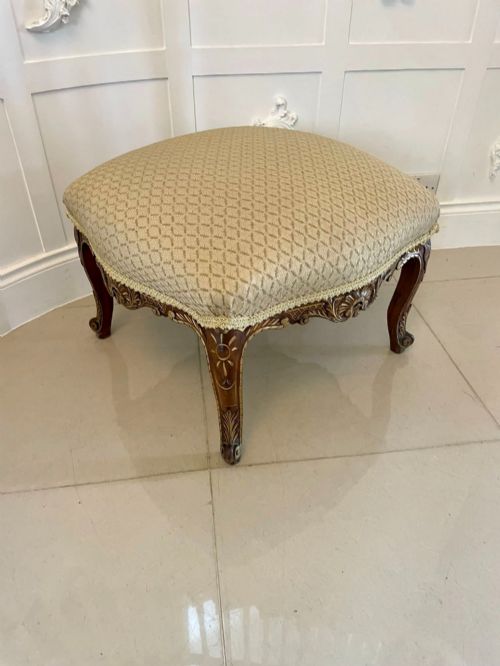
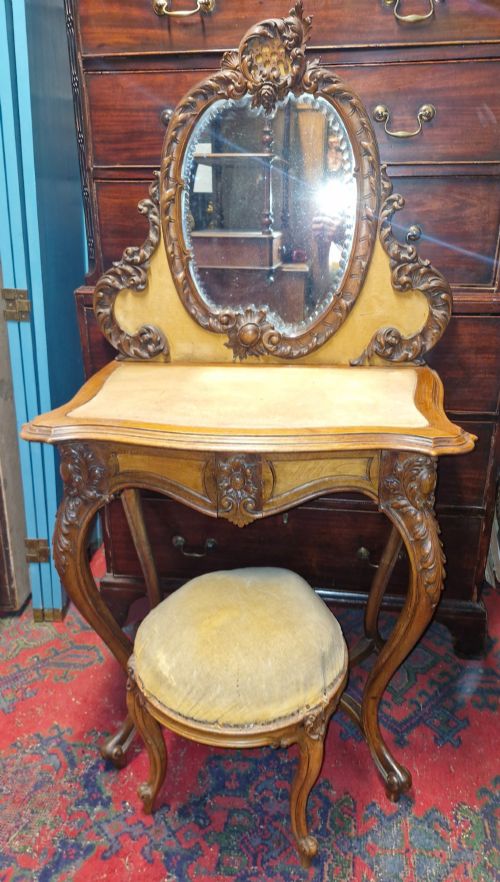
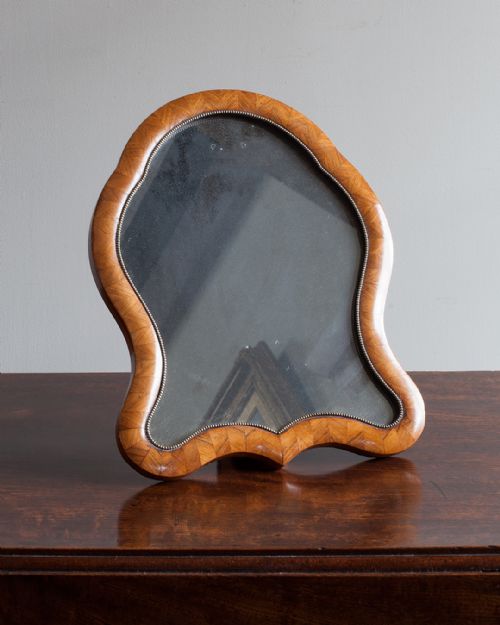
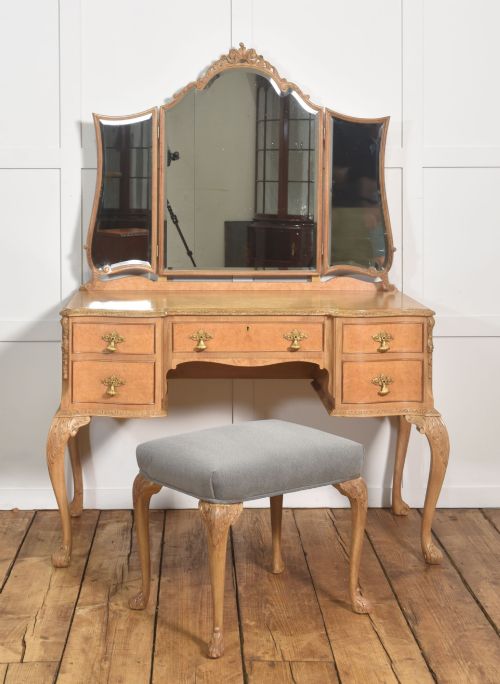
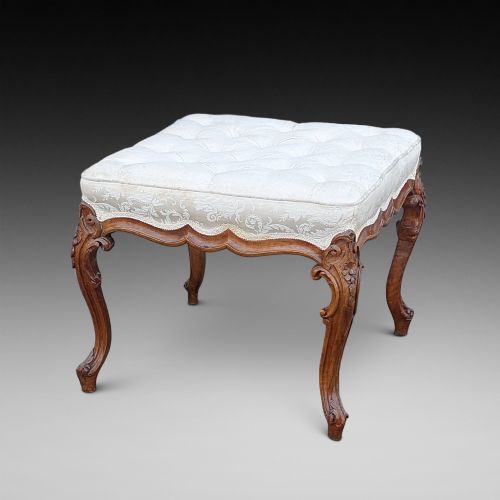
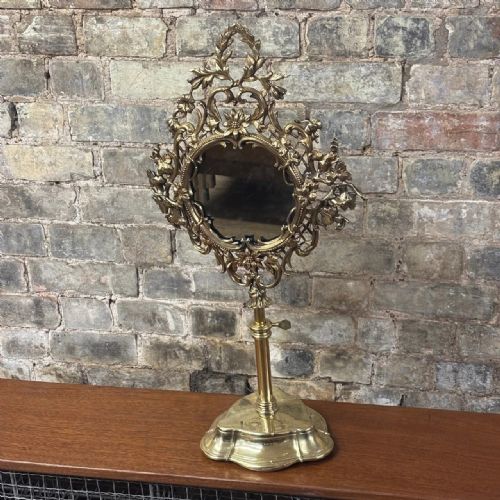
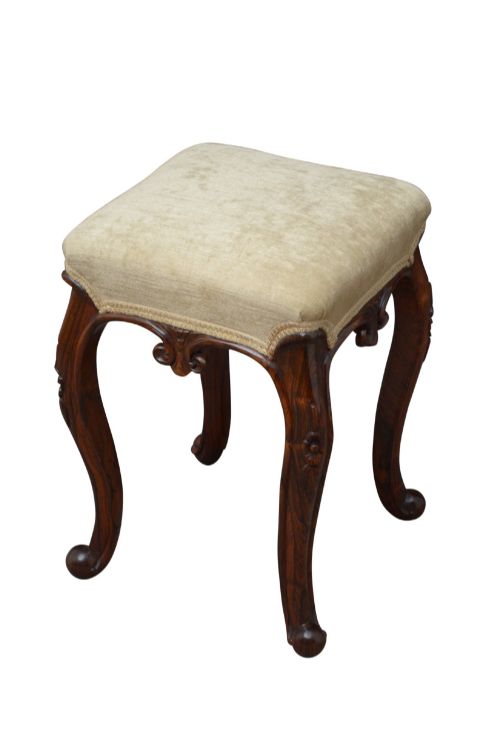
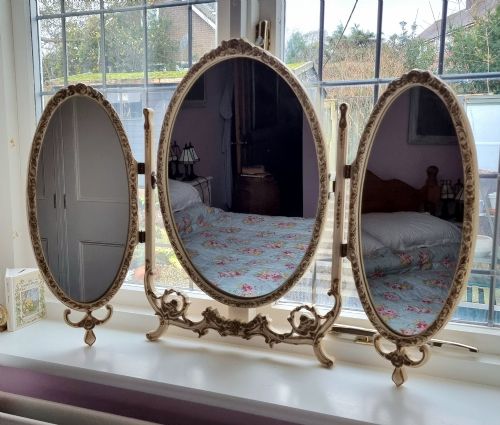
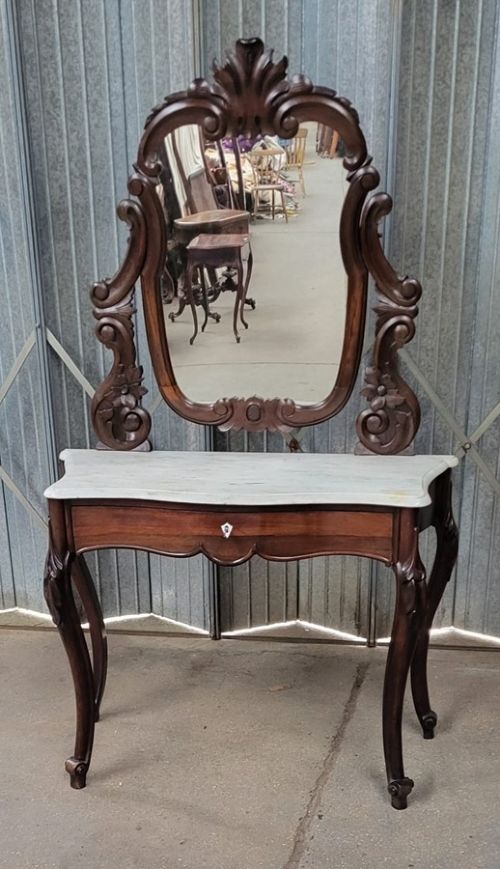
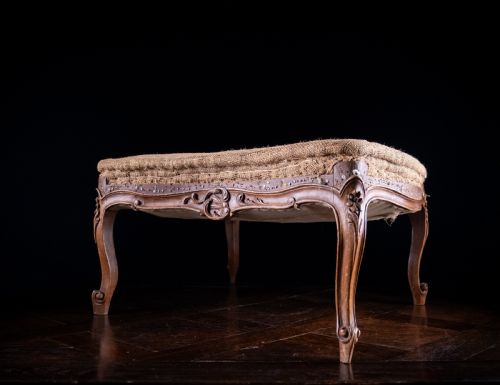
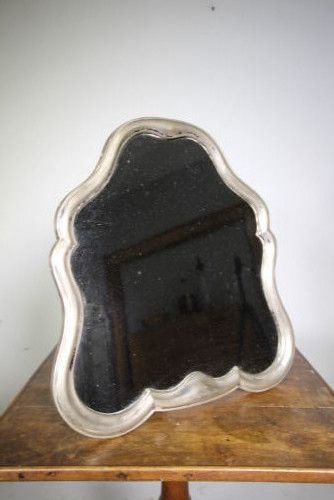
A rococo dressing table embodies the sweeping lines and organic ornamentation characteristic of revival furniture from the nineteenth century onward. You encounter wooden vanities equipped with triple mirrors, alongside accompanying stools and adjustable table mirrors designed for surface placement.
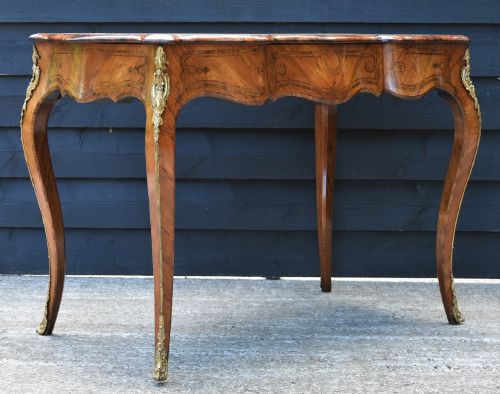
Makers drew heavily on eighteenth-century French and Dutch precedents, producing pieces in walnut, mahogany and kingwood alongside giltwood and brass. Surviving examples range from full marble-topped dressing units to smaller pivoting toilet glasses.
The aesthetic prioritises ornate carving, serpentine fronts and cabriole legs that lift the heavy timber forms off the floor. These items function as focal points in period bedrooms, pairing vanity surfaces with decorative seating.
How they were made
Cabinetmakers constructed these frames using solid hardwoods like walnut, mahogany and beech, often applying delicate kingwood or marquetry veneers in floral and bird motifs. Structural curves demanded skilled timber bending and hand-carving to achieve the signature undulating outlines.
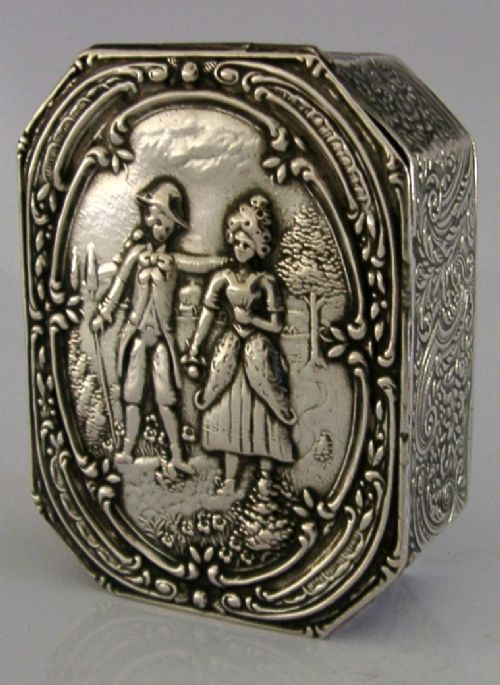
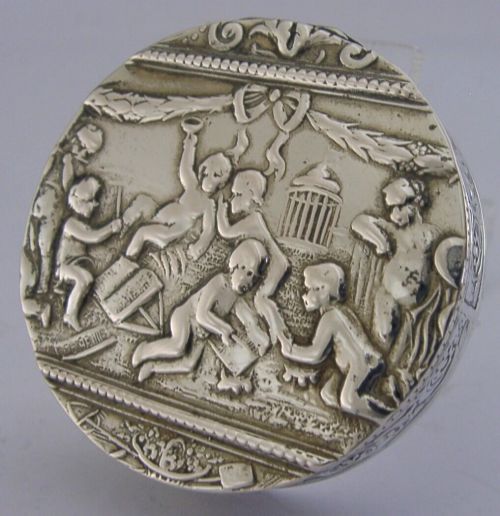
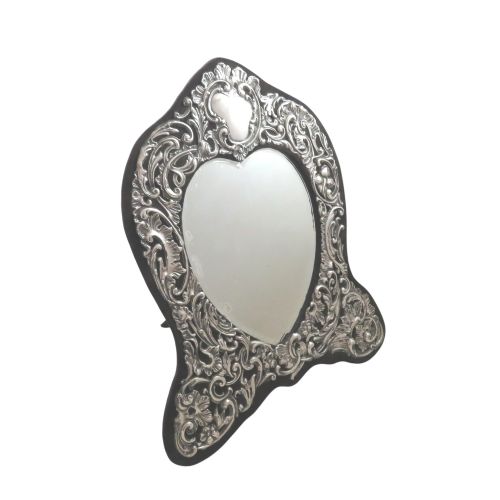
Surface ornamentation relied on applied gesso, intricate brass mountings and sterling silver repoussé work for smaller table accessories. Mirrors incorporated bevelled glass plates secured within pivoting frames of cast brass or carved wood.
Tiny sterling silver cherubs peer out from dressing table boxes, guarding powder and pins with celestial vigilance.
What varies in quality
The depth and crispness of the hand-carving distinguish finer pieces from mass-produced late-period items. Sharp undercutting in the walnut or gesso reveals the hand of a skilled artisan rather than a mechanical router.
Materials dictate the upper tiers of the range, with solid exotic timbers, genuine marble tops and heavy cast brass or sterling silver frames marking out superior workshops. Original mercury glass or thick bevelled mirrors retain a deeper reflection than replacement plates.
William Comyns
The Rococo Dressing Table Glossary
- Cabriole leg
- A furniture leg that curves outward at the knee and tapers inward toward the ankle, ending in a pad or scroll foot. This shape mimics animal limbs and forms a cornerstone of revival seating.
- Serpentine
- A front edge or surface that curves outward in the centre and inward at the sides. It adds visual movement and requires precise woodworking joinery.
- Marquetry
- The art of applying thin decorative veneer pieces to a wooden structure to create pictorial designs. Floral and avian motifs frequently adorn French-inspired surfaces.
- Gesso
- A plaster-like mixture applied to wood surfaces to provide a smooth base for gilding or painting. It allows for intricate relief ornamentation before metal leaf application.
- Repoussé
- A metalworking technique where the artisan hammers the design from the reverse side to form raised relief patterns on the front. This appears frequently on silver dressing table trays and boxes.
Rococo Dressing Table: Frequently Asked Questions
How do I identify a true period piece?
Examine the timber construction methods, secondary woods on drawer linings, and the wear patterns on the finish. Hand-cut dovetails and genuine age-related oxidation point toward nineteenth-century manufacture.
Check for maker marks or stamps on the brass hardware and silver mounts. Stylistic consistency between the dressing table and its matching stool also helps confirm original pairings.
Are dressing table mirrors usually fixed or adjustable?
Most period examples feature pivoting mirrors suspended between upright supports, allowing the user to tilt the glass angle. Triple mirror configurations often include hinged side wings for angled viewing.
Smaller table-top mirrors functioned as independent vanity pieces placed atop existing chests or side tables. Both fixed and adjustable formats rely on secure pivot screws set into the side arms.
What woods were commonly used?
Walnut and mahogany dominate the structural framework of these tables and stools, often paired with decorative kingwood veneers. Beech served as a sturdy base for painted or gilt seating frames.
Exotic timbers like goncalo alves occasionally appear on Victorian pieces to add rich grain patterns. Giltwood, brass and gesso provided the reflective and metallic finishes characteristic of the style.
How do I care for marble-topped vanities?
Wipe marble surfaces regularly with a soft damp cloth and neutral soap to prevent staining from cosmetics or liquids. Avoid acidic cleaners that etch the polished stone surface.
Treat the surrounding wood frames with appropriate furniture wax, keeping moisture away from vulnerable veneer edges. Protect the top from heavy impacts that might chip the stone corners.